




Traditional Computer Desk
These traditional computer desk options are solid timber pedestal forms and writing tables designed for daily work, offering practical scale and period character.
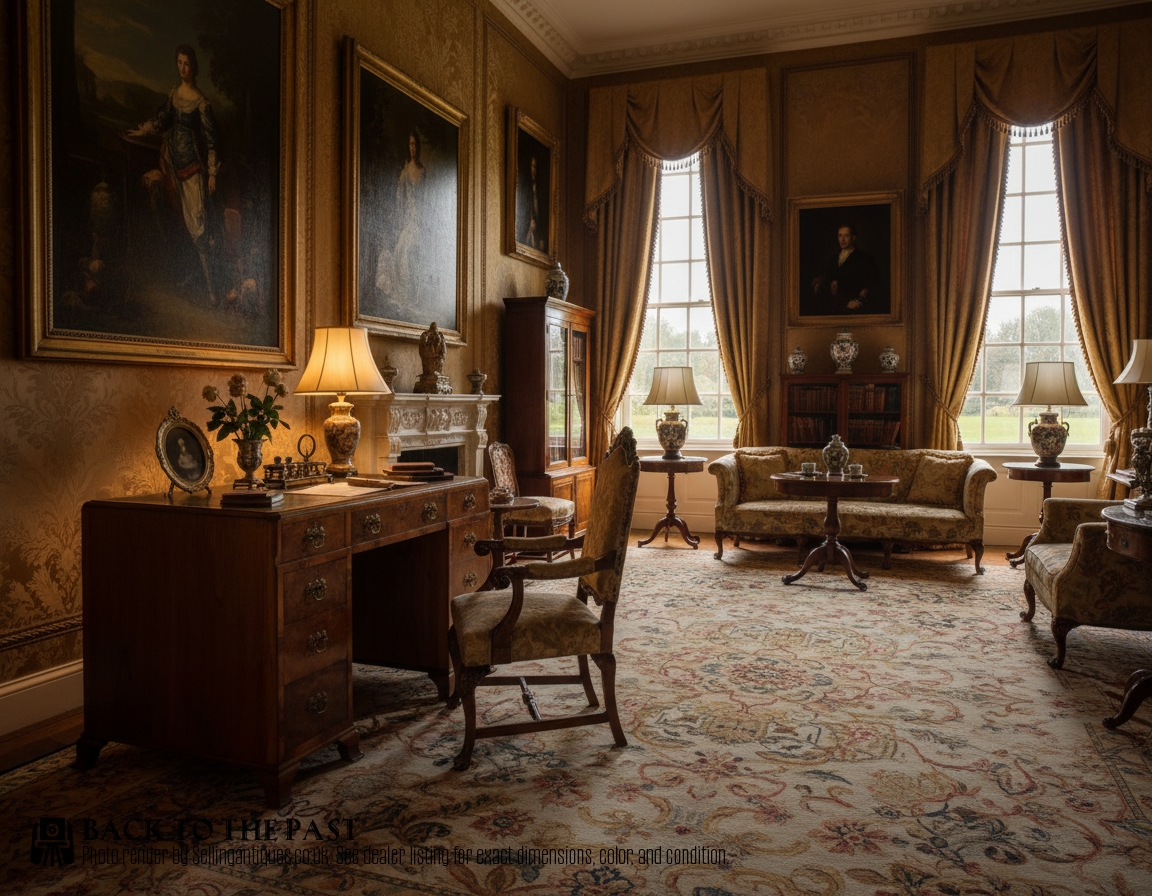
Traditional Computer Desk
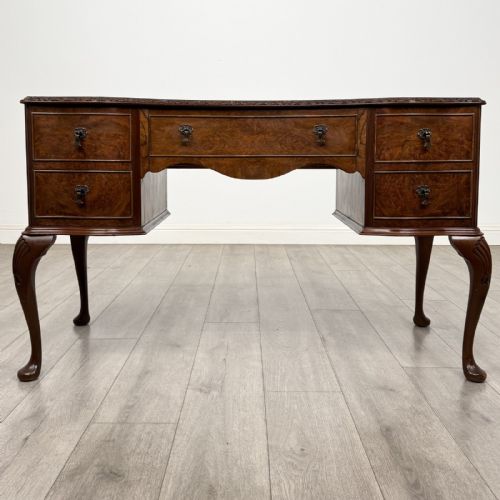
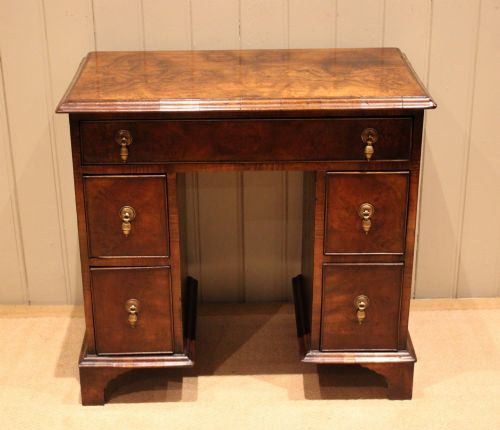
When you search for a traditional computer desk, you meet sturdy pedestal desks, kneehole writing tables and library forms made for serious study. These pieces provide generous surface areas and substantial under-desk storage, serving modern office setups while retaining their antique integrity.
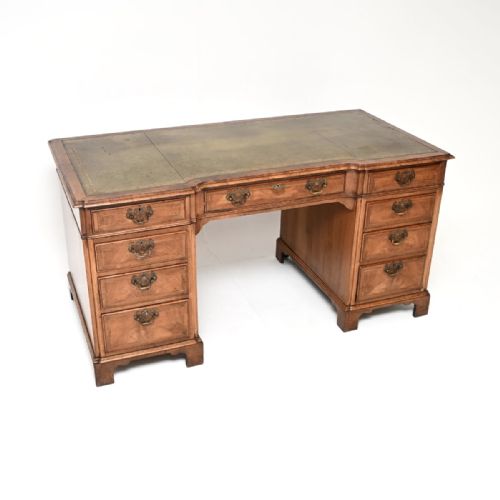
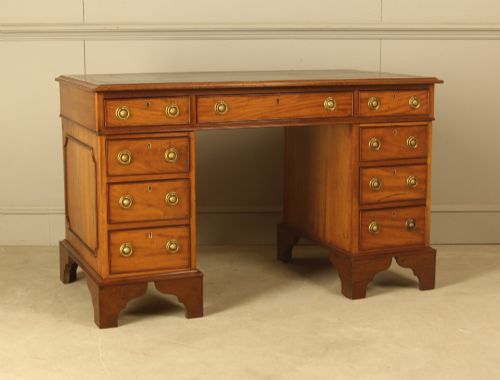
Mahogany and oak dominate the selection, frequently appearing in Victorian and Edwardian iterations alongside burr walnut and pitch pine examples. You are most likely to encounter pedestal desks featuring inset leather writing surfaces and banks of graduated drawers flanking a central kneehole space.
The origins span mid-nineteenth century workshops through to the early twentieth century, taking in Queen Anne and Georgian revival styles as well as plain English country designs. Each piece balances utilitarian workspace requirements with decorative timber grains and traditional brass hardware.
Construction and timber selection
Cabinet makers utilised dense hardwoods such as mahogany, oak and walnut, constructing carcases with dovetailed drawer joints and solid timber panels. Burr walnut veneers and satinwood inlay appear on select refined surfaces, showing careful matching of grain patterns across desk tops and drawer fronts.
Writing surfaces typically incorporate inset tooled leather panels bordered by blind tooling, affixed above pedestal cabinets designed to house stationery or papers. Drawer construction relies on hand-cut dovetails and solid oak linings, fitted with brass drop handles or original turned wooden knobs.
Traditional Computer Desk Retail Price Guide 2026
Typical asking prices for traditional computer desk among the pieces listed under this phrase on Sellingantiques today, from the lower quarter to the upper quarter. They describe what is for sale here now, not the wider market.
The listings span the Victorian, Edwardian and Georgian revival periods, constructed in mahogany, oak, walnut, burr walnut and pitch pine.
Judging timber and proportion
The hierarchy rests upon the choice of timber and the crispness of the cabinet work, with figured burr walnut and dense old-growth mahogany sitting at the upper end. Finely grained oak, pale pitch pine and simpler red walnut versions offer robust utility without the decorative veneer work of grander library tables.
Proportion and scale dictate the success of a piece, distinguishing grand pedestal formats designed for central room placement from smaller kneehole writing tables suited to compact rooms. Original surfaces, intact leather skivers and matching period brasses separate untouched examples from heavily restored or adapted furniture.
The Traditional Computer Desk Glossary
- Kneehole
- The central recessed space beneath a desk designed to accommodate the user's legs. Flanking banks of drawers enclose this opening.
- Skiver
- The panel of leather inset into the top of a writing desk or table. These are frequently gold-tooled or blind-tooled around the perimeter.
- Serpentine Front
- A desk front characterised by a gentle undulating curve, convex in the centre and concave at the sides. This shape requires advanced woodworking skill to execute.
- Dovetail
- A traditional interlocking joint used to connect drawer sides to drawer fronts. Hand-cut dovetails indicate older cabinet making methods.
Traditional Computer Desk: Frequently Asked Questions
Can I use an antique desk for modern computing?
These pedestal desks and writing tables offer deep tops and ample kneehole clearance, making them suitable for housing laptops and screen setups.
Many buyers pair a comfortable antique writing table with an ergonomic chair to blend period aesthetics with daily functionality.
How do I distinguish a Victorian desk from an Edwardian one?
Victorian examples often display heavier proportions, dense dark mahogany timbers and robust brass drop handles.
Edwardian pieces and later revivals frequently utilise lighter oak or walnut veneers, sometimes showing Sheraton or Queen Anne revival influences.
Are the leather tops original?
Some pieces retain their historic tooled leather writing surfaces, showing patination from decades of use.
Other desks feature replacement leather inserts fitted during later conservation work to provide a clean writing plane.