







Traditional Cloisonne
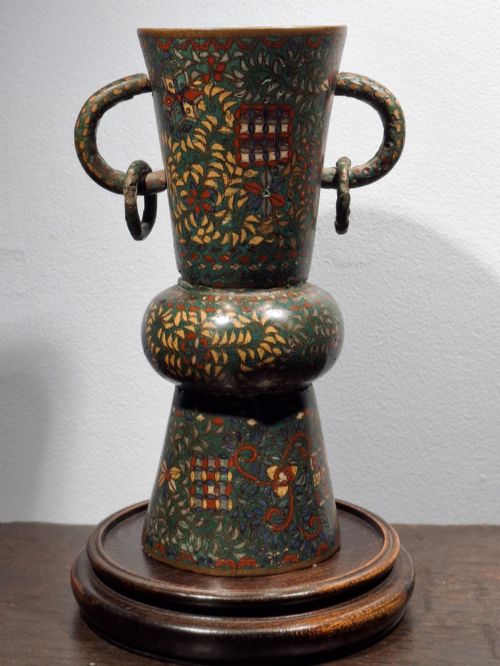
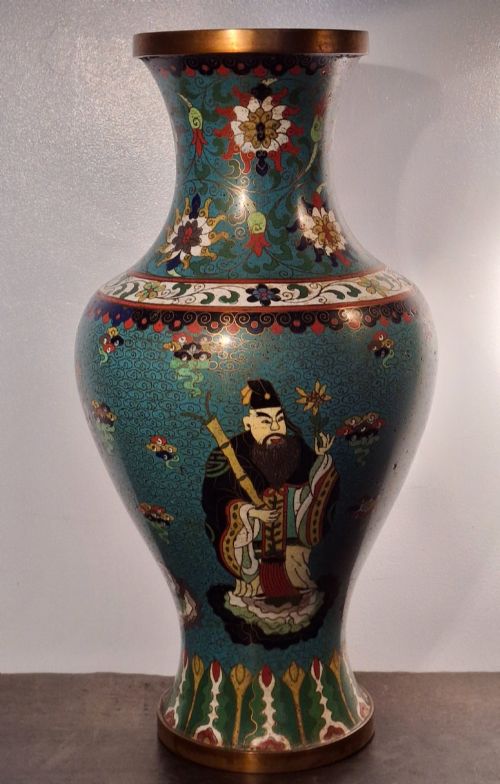
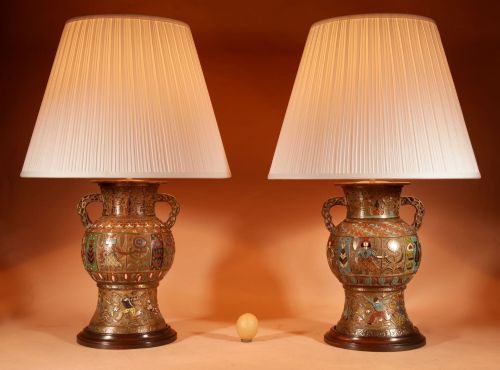
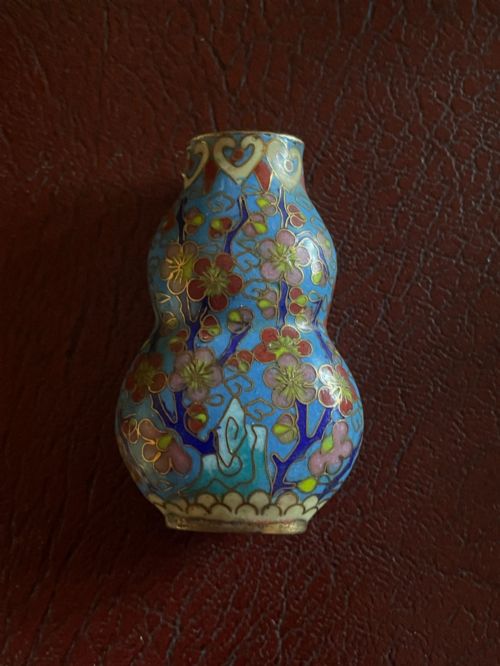
Traditional cloisonne brings together detailed metalwork and coloured enamels, offering decorative vases, lamps, and jars rooted in Chinese and Japanese traditions.
Traditional Cloisonne
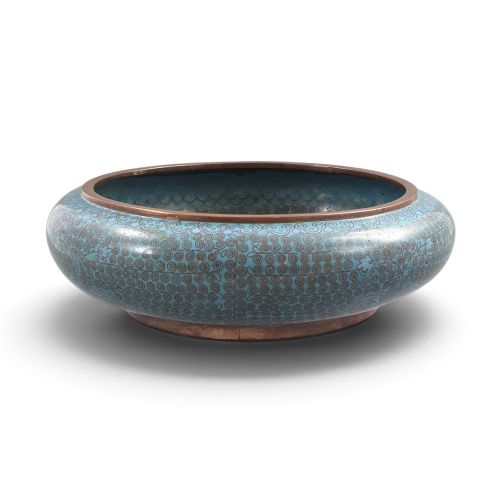
These items span periods from the mid-nineteenth century through the early twentieth century, reflecting distinct stylistic influences such as Chinoiserie and Imperial Russian metalwork. Pieces range from scholar's brush washers and belt buckles to sake kettles with cloisonne lids, showing diverse functional and decorative uses.
How traditional cloisonne was made
Artisans built traditional cloisonne by soldering thin metal wires, usually brass, copper, or bronze, onto a metal base to create raised compartments known as cloisons. These individual cells were then filled with coloured enamel paste before being fired in a kiln and polished smooth.
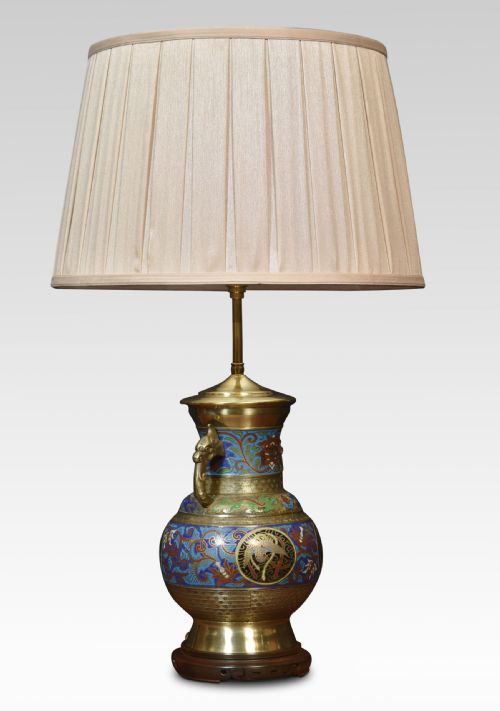
Many objects utilise copper alloy or solid silver gilt as a foundational frame, paired with intricate enamel work. Some pieces incorporate additional elements like wood bases or fabric components, particularly when adapted into table lamps.
Traditional Cloisonne Retail Price Guide 2026
Typical asking prices for traditional cloisonne among the pieces listed under this phrase on Sellingantiques today, from the lower quarter to the upper quarter. They describe what is for sale here now, not the wider market.
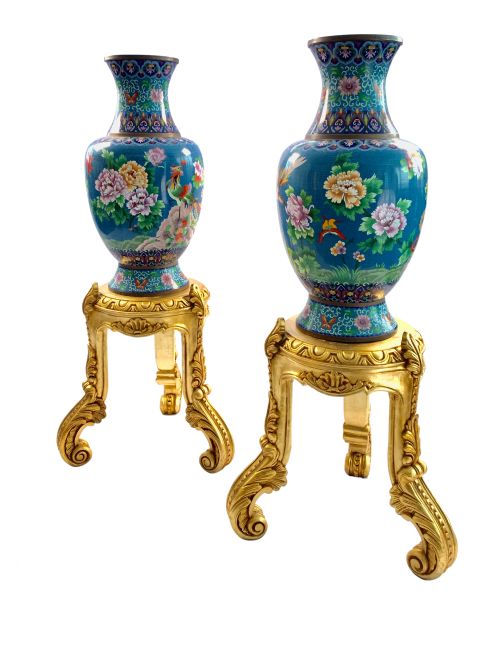
Listings feature traditional cloisonne from the nineteenth and twentieth centuries, utilising enamel, brass, copper, and bronze across forms like vases, lamps, and ginger jars.
What varies in quality
The precision of the wirework defines the visual clarity of traditional cloisonne, with finer wires creating sharper, more complex motifs like scholars, elders, and natural subjects. The evenness of the enamel fill and the polish of the surface show the skill level of the workshop.
Substantial weight in the underlying copper, brass, or bronze base and the crispness of the gilt detailing separate standard production items from exceptional imperial or ritual pieces.
The Traditional Cloisonne Glossary
- Cloisonne
- A technique where metal wires are soldered to a base to form compartments that hold enamel paste. These filled cells are fired and polished to create patterned surfaces.
- Champleve
- An enamelling method where troughs or cells are carved directly into the metal surface rather than using soldered wires. The hollows are then filled with enamel and fired.
- Gilt
- A thin layer of gold applied to the surface of silver, bronze, or copper objects. This finish provides a bright metallic sheen and protects the base metal.
- Ginger jar
- A ceramic or metal vessel with a wide body and a lid, originally used for storing spices. In traditional metalwork, these jars serve purely decorative purposes.
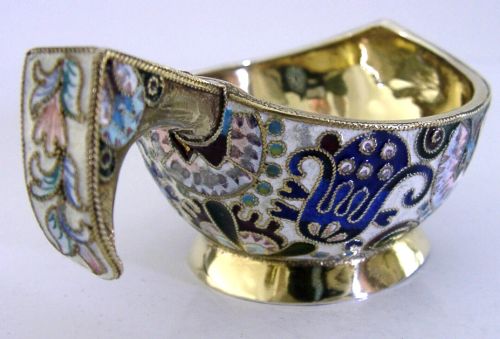
- Kovsh
- A traditional Russian drinking vessel featuring a boat-like hull and a single flat handle. These pieces often display ornate enamel and silver work.
Traditional Cloisonne: Frequently Asked Questions
How are traditional cloisonne vases cleaned?
Dust these items gently with a soft, dry cloth to protect the delicate enamel and metal wires. Avoid liquid cleaners or chemical polishes, as moisture can seep into microscopic gaps and damage the metal base.
Keep the pieces out of direct sunlight to prevent any fading of the coloured enamels over time. Handle them carefully by the body rather than by delicate protruding elements like handles or lids.
What is the difference between Chinese and Japanese cloisonne?
Chinese traditional cloisonne often utilises heavier brass or bronze bases with bold, symmetrical patterns and rich background colours like navy blue. The motifs frequently depict scholars, animals, and traditional floral themes.
Japanese examples, particularly from the Meiji and Edo periods, tend to feature finer, almost invisible wirework and highly naturalistic pictorial designs. They often focus on asymmetrical compositions of birds, flowers, and subtle gradients.
Were these objects made for export?
Many of the nineteenth and twentieth-century pieces found today were produced specifically for international trade and Western markets. These items blended traditional Eastern manufacturing techniques with forms that appealed to European collectors, such as table lamps and ginger jars.
At the same time, specialised objects like scholar's brush washers and ritual vessels were created for domestic use or imperial patronage before eventually entering the wider market.
How do you date traditional cloisonne pieces?
Dating relies on examining the style of the metalwork, the composition of the base materials such as copper alloy or solid silver, and the specific colour palette of the enamel. Edo and Meiji period Japanese works display distinct wire techniques compared to later twentieth-century production.
Contextual clues like fitted wooden bases, conversion into lamps, and stylistic markers like Chinoiserie or Qing Dynasty influences help narrow down the decade of creation.