






Traditional Chinese Plant Stand
These traditional chinese plant stand pieces bring striking carved timber and marble into a room, offering sturdy elevations for heavy ceramic bowls and lamps.
Traditional Chinese Plant Stand
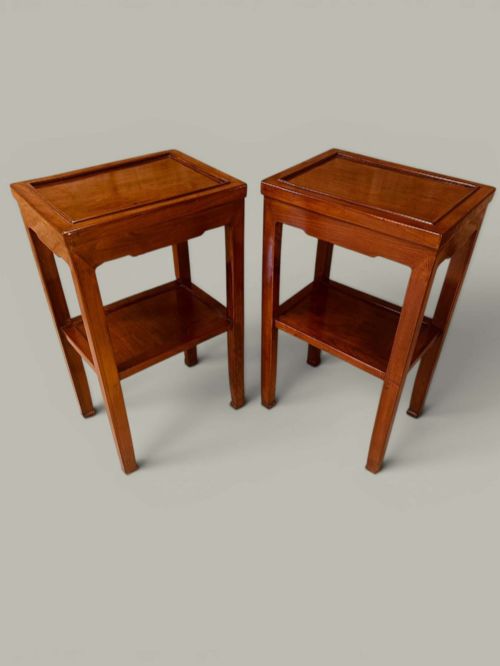
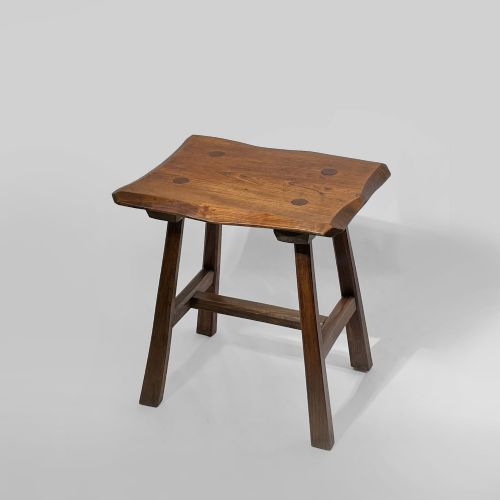
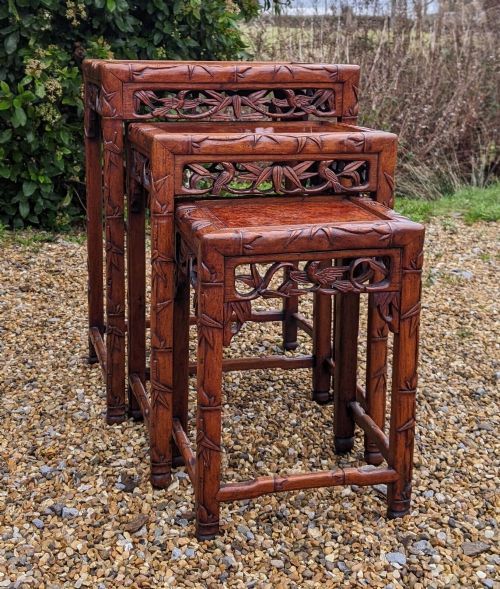
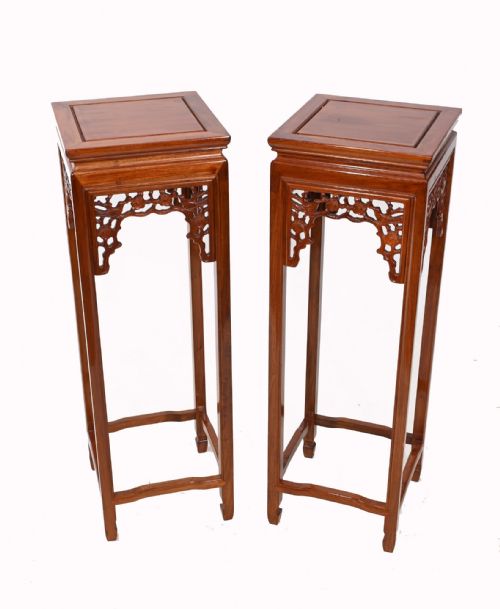
When you search for a traditional chinese plant stand, you encounter a variety of carved timber furnishings designed to elevate decorative objects within a room. The selections on this page range from modest occasional tables and stools to multi-tiered pedestals and nests of tables.
Most examples originate from the nineteenth century or the early twentieth century, spanning periods such as the Victorian and Edwardian eras alongside Qing Dynasty influences. Buyers frequently meet paired stands, barrel-shaped stools, and single vase tables constructed for domestic display.
Forms include rustic vernacular elm pieces alongside highly decorated carved hardwood designs set with marble inserts. These objects function equally well as bedside tables, lamp tables, or dedicated pedestals for urns and planters.
How they were made
Craftsmen utilised a wide selection of dense timbers, prominently featuring rosewood, hongmu, huanghuali wood, and burr wood alongside utilitarian elm. Many of these woods were chosen for their natural grain patterns and deep colour tones.
Inlaid marble panels frequently serve as top surfaces within hardwood frames, providing a cool and durable display area resistant to moisture from plants. Intricate carving defines the aprons, legs, and supports of these stands, often drawing upon traditional Chinese decorative motifs.
Traditional Chinese Plant Stand Retail Price Guide 2026
Typical asking prices for traditional chinese plant stand among the pieces listed under this phrase on Sellingantiques today, from the lower quarter to the upper quarter. They describe what is for sale here now, not the wider market.
Materials appearing across current selections include rosewood, hongmu, huanghuali wood, burr wood, elm, and marble.
What varies in quality
The degree of refinement in the carving separates standard regional items from exceptional examples produced for wealthier interiors. Crispness of detail in the wooden foliage and structural joints indicates the skill invested by the maker.
Choice of materials also dictates standing, where superior specimens employ dense huanghuali or highly figured burr wood with exceptional grain and colour. The presence of undamaged marble inserts and balanced proportions further distinguishes finer pieces.
The Traditional Chinese Plant Stand Glossary
- Hongmu
- A dense tropical hardwood frequently used in traditional Chinese furniture construction. It translates literally as red wood and yields a rich dark finish.
- Torchere
- A tall stand or pedestal originally designed to support a torch or candle. In later periods, these tall supports carried lamps or floral arrangements.
- Nest of tables
- A set of graduated tables designed to fit neatly one beneath another. They provide versatile surface space that minimises floor footprint when stored.
- Barrel stool
- A cylindrical seat form echoing the shape of a traditional wooden barrel. These items often feature pierced framing and solid top panels.
Traditional Chinese Plant Stand: Frequently Asked Questions
What were plant stands used for?
These elevated supports held heavy ceramic planters, bronze vessels, and decorative jardinieres inside traditional interiors. Raising the pots protected polished floors from moisture and showcased prized botanical specimens.
Over time, owners adapted these versatile surfaces to hold table lamps, books, and everyday household objects. Their compact footprints made them useful additions to corners and beside seating.
How do I style a plant stand?
Place a single tall pedestal in an empty corner to add vertical interest and break up flat wall lines. Pair matching stands on either side of a doorway or fireplace for a formal symmetrical arrangement.
Layer smaller items such as nests of tables around a main seating group to provide flexible surface space. Keep the top decoration proportionate to the supporting surface to maintain visual balance.
How do I date these stands?
Examine the wood patination, tool marks, and construction methods visible on the underside of the piece. Nineteenth-century examples often display denser native hardwoods and hand-cut joinery.
Compare the decorative carving styles against documented Qing Dynasty motifs and transitional Edwardian adaptations. Subtle shifts in timber selection and hardware help narrow the decade of manufacture.
Are marble tops original?
Inlaid marble panels were frequently fitted to high-status hardwood tables and stands during manufacture. The stone provided a heat-resistant and waterproof surface suited for holding damp plant pots.
Check the fit of the marble within the surrounding wooden frame to ensure it sits flush. Original stones generally show matching weathering and secure seating within the rebate.