

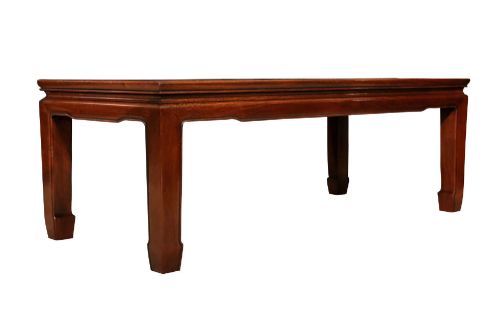


Traditional Chinese Kang Table
These traditional chinese kang table pieces are low-profile surfaces built for floor-level living, offering rich wood grains and historical character to modern rooms.
Traditional Chinese Kang Table
When you search for a traditional chinese kang table, you are looking at low horizontal platforms originally designed to sit atop heated brick beds or on the floor for dining and tea. The examples you are most likely to meet on this page span from the eighteenth century through the early twentieth century, taking the form of low coffee tables and side tables.
These items originate primarily from regional Chinese traditions and the Qing Dynasty or Republic Period. Makers constructed them in compact proportions, often featuring scroll ends or low profiles suited to intimate gatherings.
The selection here includes both rustic country pieces and finer urban examples. You will find single tables alongside matched pairs, constructed for versatile placement in contemporary interiors.
What varies in quality
The choice of timber dictates much of the inherent value, with dense hardwoods like rosewood and huali wood sitting at the upper end compared to domestic elm. Heavier grain configuration and a rich, undisturbed patina indicate careful handling and superior material selection.
Carving detail separates standard regional work from finer examples. Crisp execution of scroll ends and low-relief motifs requires skilled hand carving, whereas simpler rustic country pieces prioritize utilitarian strength over ornamentation.
Traditional Chinese Kang Table Retail Price Guide 2026
Typical asking prices for traditional chinese kang table among the pieces listed under this phrase on Sellingantiques today, from the lower quarter to the upper quarter. They describe what is for sale here now, not the wider market.
The object types on this page are strictly limited to low coffee tables and side tables originating from Chinese regional and dynastic periods.
The Traditional Chinese Kang Table Glossary
- Kang table
- A low domestic platform traditionally placed upon a heated masonry bed in northern Chinese homes. These tables served domestic functions such as serving tea and writing.
- Rosewood
- A dense, heavy timber prized for its rich grain patterns and dark coloration. Furniture makers utilised this material for formal items requiring durability and fine finish.
- Huali wood
- A traditional Chinese hardwood known for its striking grain and structural stability. This material appears frequently in higher-status antique furniture.
- Padouk
- An exotic tropical hardwood valued for its strength and reddish hue. Craftsmen selected this timber for items subject to daily wear.
- Scroll end
- A characteristic upturned terminal on the short sides of a low table. This detail provides a finished silhouette and prevents items from sliding off the surface.
Traditional Chinese Kang Table: Frequently Asked Questions
What is a traditional chinese kang table used for?
These low platforms served as versatile domestic surfaces for resting, writing, and partaking in tea upon a floor-level setup. Their compact height accommodated sitting directly on mats or cushions rather than tall chairs.
Today, modern interiors utilise these pieces as low coffee tables or accent surfaces in living spaces. Their proportion allows them to sit comfortably in front of low seating arrangements.
How do I identify the wood type?
Examining the weight, grain pattern, and colour provides initial clues to the material used. Dense tropical hardwoods like rosewood and padouk feel noticeably heavier and display tight, figured grain structures.
Softer or regional timbers like elm tend to show a more open, prominent grain pattern with lighter overall tonality. Lacquered pieces conceal the underlying timber entirely beneath pigmented layers.
Are these tables suitable for daily use?
Solid joinery and heavy timber construction make these antique surfaces robust enough for everyday placement in a contemporary home. They handle routine items like books, ceramics, and cups without issue.
Placing them away from direct heat sources and sudden humidity shifts helps preserve the historical wood and finish. Regular dusting maintains the natural patina built over generations.
How do I date a Chinese low table?
Dating relies on observing construction methods, timber choice, and stylistic markers tied to specific eras like the Qing Dynasty or Republic Period. Wear patterns and the depth of the surface patina also offer clues to age.
Earlier examples often display simpler rustic construction or formal scroll ends, while later nineteenth and early twentieth-century pieces incorporate varied regional carving techniques.