



Traditional Chinese Export Porcelain
Traditional chinese export porcelain unites skilled eastern potting with western tastes, offering decorated vessels made for overseas markets.
Traditional Chinese Export Porcelain
Traditional chinese export porcelain comprises ceramic objects created in China specifically for international trade and western buyers. The pieces found here span the eighteenth and nineteenth centuries, reflecting long-established potting traditions.
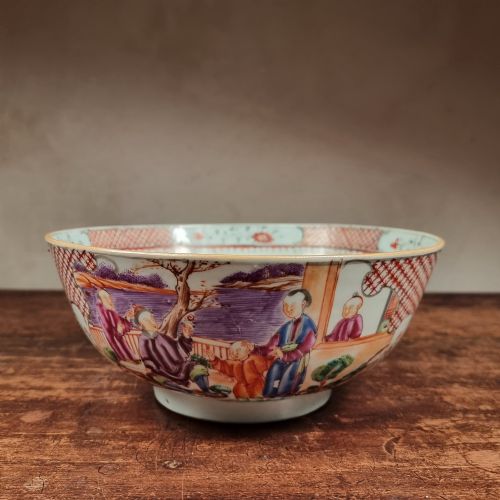
Vessels on this page appear in various forms, including vases, bowls, plates, jars, figures and candlesticks. Blue and white wares and brightly coloured famille rose enamel pieces dominate the selection.
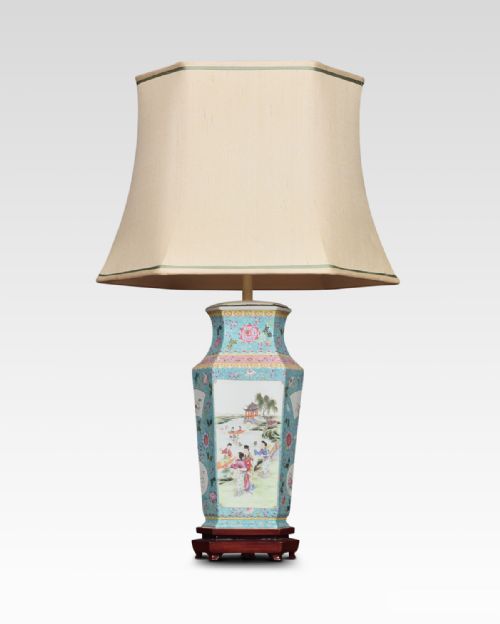
Many items survive from the Qing dynasty period, showing standard decorative schemes intended for foreign interiors. Forms range from utilitarian bowls to decorative lamps fitted in later periods.
How traditional chinese export porcelain was made
Potters shaped fine ceramic clay to form durable porcelain bodies before applying cobalt glaze or overglaze enamel pigments. High-temperature kilns fused the minerals into hard vitrified surfaces.
Painters applied intricate designs by hand using cobalt blue pigments under the glaze or polychrome enamels over the fired surface. Certain pieces incorporate brass, wood and silk mounts added during later alterations.
Object forms represented include vases, bowls, plates, jars, figures, candlesticks and converted table lamps.
What varies in quality
The precision of the painted brushwork dictates visual merit, separating fluid hand-drawn details from rigid decoration. Pigment depth and glaze clarity also determine the finish of each piece.
Form proportions and the crispness of moulded details distinguish superior examples from standard production items. The preservation of original enamel colours across centuries influences the overall integrity of the ceramic.
The Traditional Chinese Export Porcelain Glossary
- Famille Rose
- A palette of opaque pink and rose enamels introduced in the eighteenth century. This colour scheme defines many decorative export plates, bowls and vases.
- Cobalt Glaze
- A blue pigment applied beneath the transparent glaze before firing. It produces the characteristic deep blue tones seen on traditional export vessels.
- Qing Dynasty
- The imperial dynasty ruling China from sixteen forty-four to nineteen twelve. Most porcelain pieces on this page originate from the later decades of this era.
- Double Gourd
- A vessel shape featuring two rounded bulbous sections stacked vertically. This traditional silhouette appears among export vases.
- Overglaze Enamel
- Coloured glass powders painted onto already fired porcelain and fixed in a second low-temperature kiln. This technique allows vibrant multi-coloured imagery.
Traditional Chinese Export Porcelain: Frequently Asked Questions
What is traditional chinese export porcelain?
Traditional chinese export porcelain refers to ceramic wares manufactured in China for overseas markets during the imperial era. These objects combine local potting techniques with decorative motifs designed to appeal to international buyers.
Items range from everyday tableware to decorative display pieces created across several centuries. The category encompasses blue and white painted vessels alongside brightly enamelled decorative objects.
How were these porcelain pieces used?
Original owners utilised these vessels for dining, display and interior decoration in grand western residences. Bowls and plates served functional purposes at table while large jars and vases adorned reception rooms.
Later adaptations converted certain vases and jars into table lamps by adding electrical fittings and shades. Figurines and animal candlesticks functioned primarily as decorative ornaments on mantelpieces.
How do I identify a period?
Dating relies on stylistic markers, potting characteristics and pigment types specific to different manufacturing eras. Eighteenth-century pieces often display distinct blue and white painting styles while nineteenth-century items frequently feature dense famille rose enamels.
Form shapes and mounting materials such as brass or wood can also provide clues regarding the era of production. Documentation or reign marks, where present, help narrow down the production timeline.
How do I live with export porcelain?
Display these ceramics on stable surfaces away from high-traffic areas to prevent accidental knocks. Position them out of direct sunlight to protect delicate overglaze enamels from fading over time.
Clean surfaces gently with a soft dry cloth and avoid harsh chemical detergents. Wired lamp conversions require standard electrical safety checks by a qualified professional.