


Traditional Chesterfield Sofa
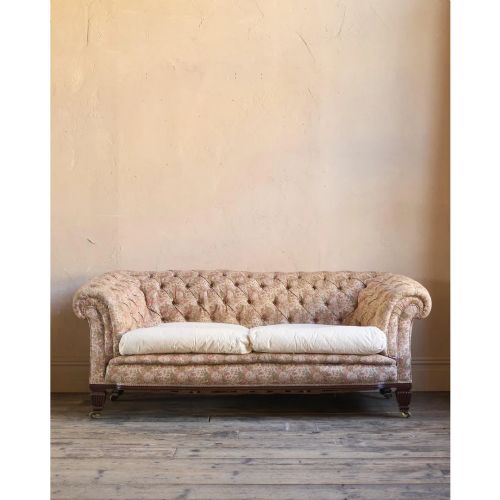
A traditional chesterfield sofa offers deep buttoning and low arms, bringing period character and sturdy seating into a room.
Traditional Chesterfield Sofa
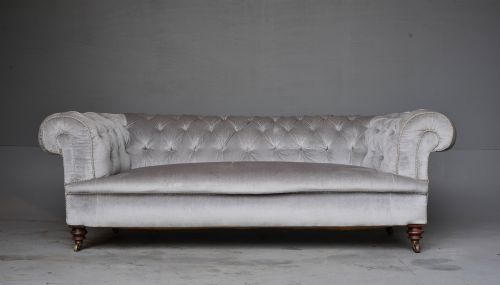
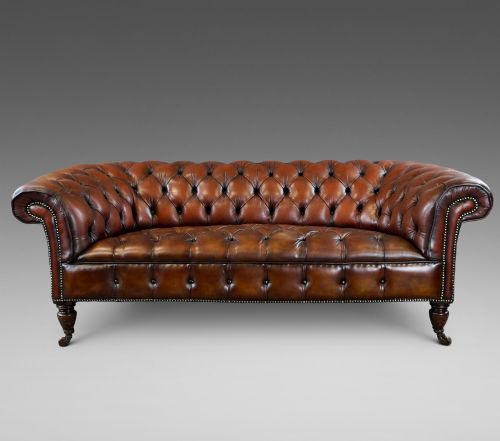
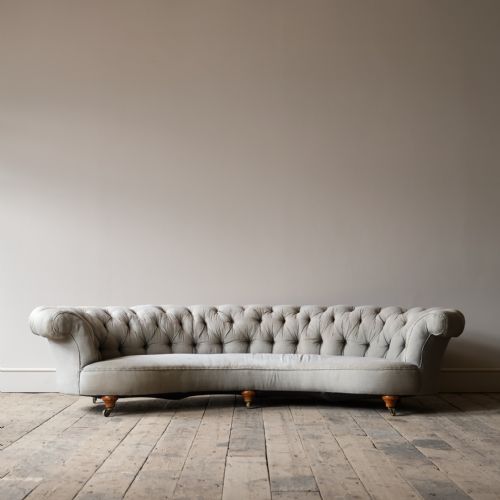
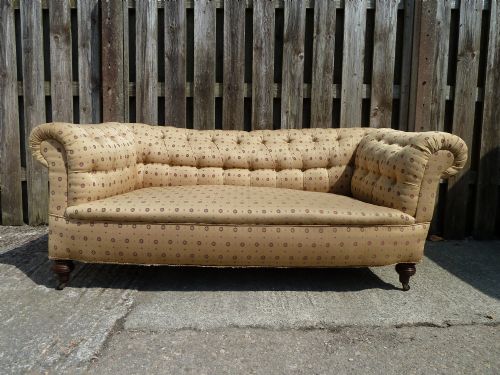
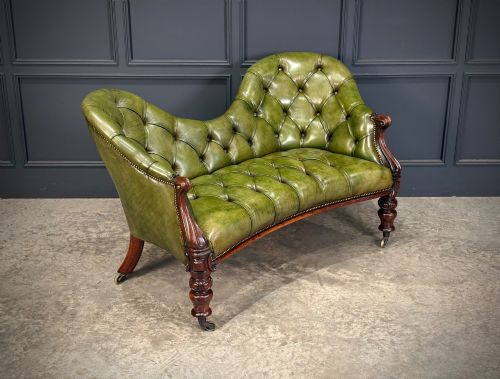
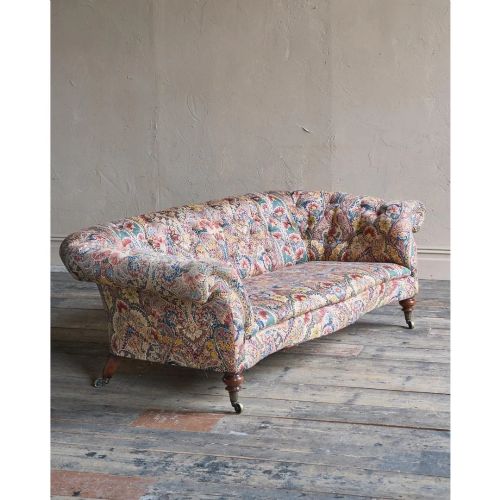
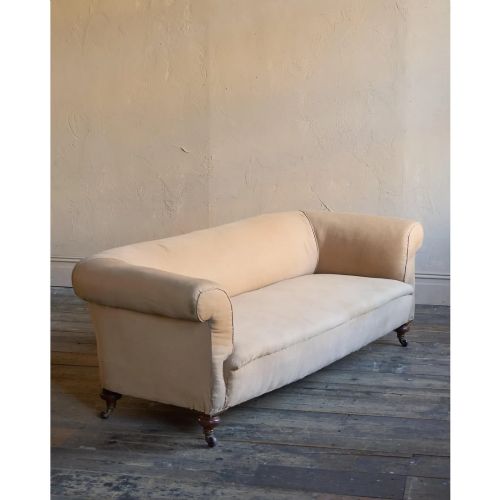
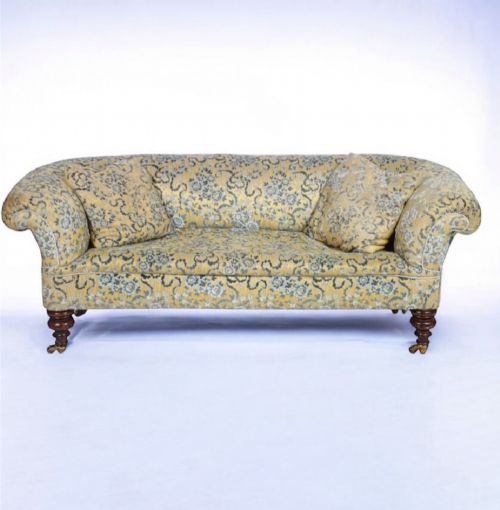
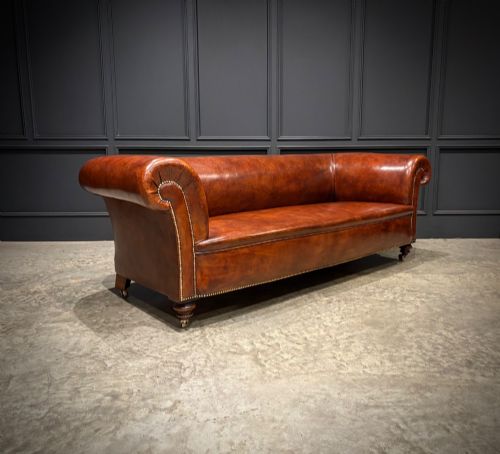
When you search for a traditional chesterfield sofa, you encounter deep-buttoned seating spanning the nineteenth and early twentieth centuries. These pieces appear primarily as large leather or fabric settees, alongside occasional chaise longues and double spoon-back forms.
The nineteenth century and Victorian periods dominate the selection, though early twentieth-century examples from the Edwardian era and the nineteen-thirties also appear. Makers such as Howard and Sons, Hampton and Sons, Jas Shoolbred, and Gillows represent the origins of these historical seating pieces.
How they were made
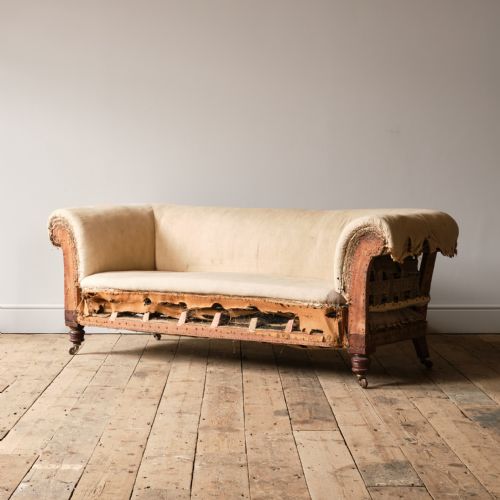
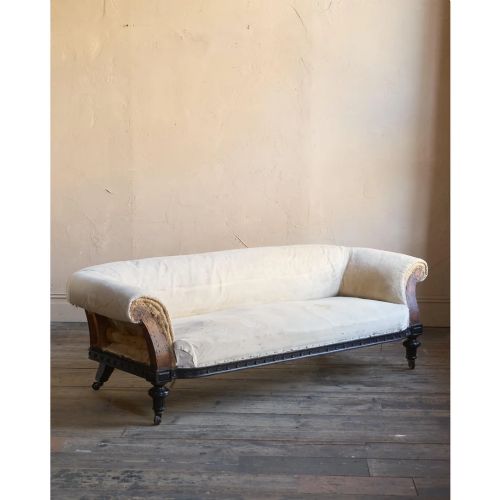
Makers built these frames using timber such as mahogany and hardwood, supported by metal springs and brass details. Upholstery relied on traditional stuffing materials including horse hair and calico linen beneath outer layers of leather or fabric.
Hand-dyed leather finishes and deep tufting defined the surface work, paired with fully loose coil springing and carved wooden frames on specific period variants.
Several pieces arrive upholstered in unexpected leathers, including hides sourced directly from Alfa Romeo automobiles.
What varies in quality
The integrity of the underlying hardwood frame and the depth of the hand-dyed leather set the baseline for a piece. Original un-restored upholstery methods, such as period horse hair stuffing and coil springing, separate authentic builds from later interventions.
Attribution to documented nineteenth-century makers like Howard and Sons or Gillows elevates the standing of a piece far beyond standard vernacular furniture of the same era.
Howard and Sons·Hampton and Sons·Jas Shoolbred·Gillows
The Traditional Chesterfield Sofa Glossary
- Chesterfield
- A traditional upholstered sofa characterised by low arms and deep buttoning across the back and seat. This form has remained a staple of British interior furnishing since the nineteenth century.
- Horse hair
- A natural stuffing material utilised in traditional upholstery for padding and resilience. It provides firm support beneath leather or fabric covers.
- Calico linen
- A plain-woven cotton fabric used as an interior lining or under-upholstery layer on period seating. It holds stuffing materials securely inside the frame.
- Serpentine front
- A curved sofa base that undulates outward in the centre and inward toward the sides. This shaping demands advanced carpentry and upholstery skill.
Traditional Chesterfield Sofa: Frequently Asked Questions
How do I identify a Victorian chesterfield?
Victorian examples display nineteenth-century construction methods, typically featuring heavy hardwood frames, deep buttoning, and traditional stuffing like horse hair. Look for period proportions and maker details associated with the era.
Leather surfaces from this time often show natural ageing and patination that modern replicas cannot replicate without artificial treatment.
What is a hand-dyed leather finish?
Hand-dyed leather involves applying pigment manually to raw or crust leather hides to achieve tonal depth and rich colour variation. This technique allows the natural grain of the hide to remain visible.
Restored pieces often utilise this method to match historical patination while maintaining the durability of the leather.
Are these sofas comfortable for daily use?
Traditional chesterfields utilise coil springing and dense internal stuffing designed to offer firm, supportive seating. Their low armrests and deep seats accommodate upright sitting or reclining.
Periods ranging from the Victorian era to the nineteen-thirties demonstrate robust construction intended for heavy domestic use in country houses and drawing rooms.
How should I care for antique leather?
Antique leather requires gentle cleaning and periodic conditioning to maintain flexibility and prevent the hide from drying out. Avoid harsh chemical cleaners that strip the original dye and patination.
Keeping the leather away from direct heat sources and strong sunlight preserves the finish of nineteenth and early twentieth-century pieces.