



Traditional Ceramic Vase
Traditional ceramic vase selections bring historical craftsmanship to interior spaces through hand-painted porcelain, earthenware, and delftware vessels.
Traditional Ceramic Vase
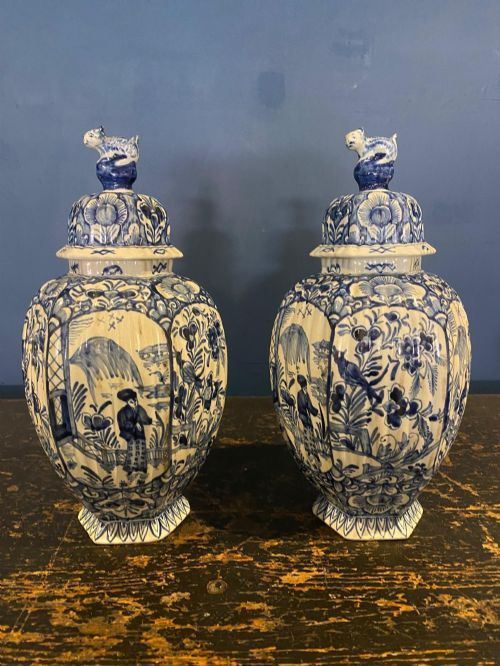
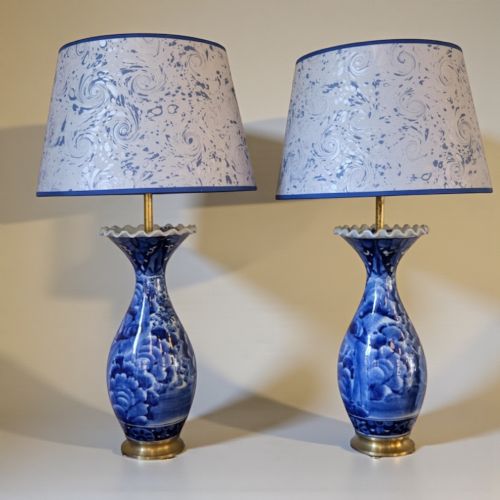
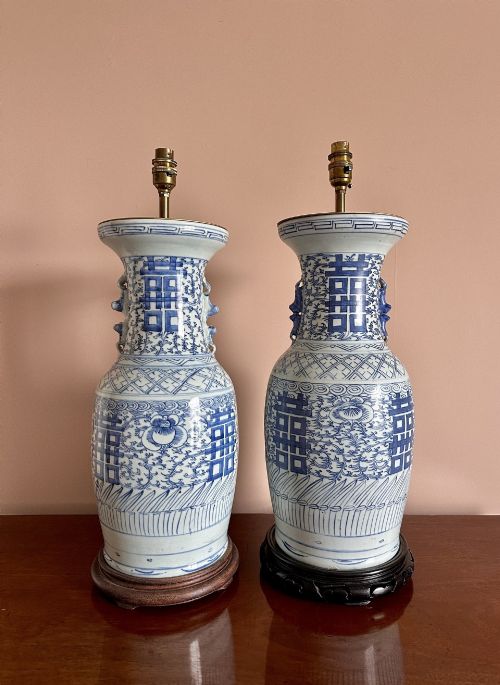
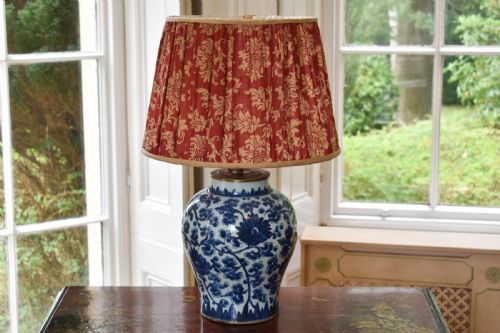
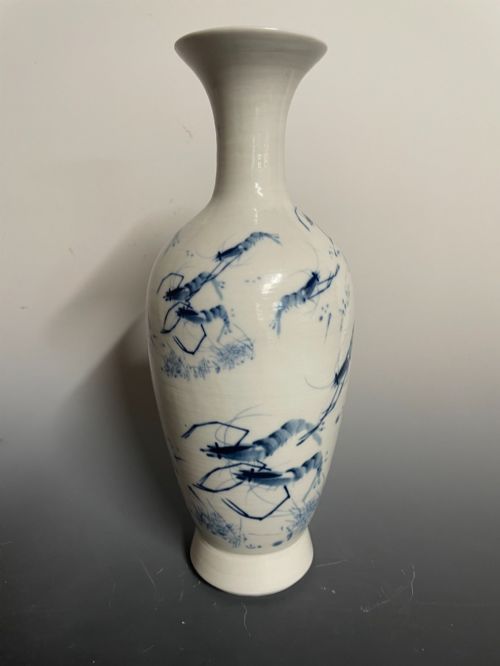
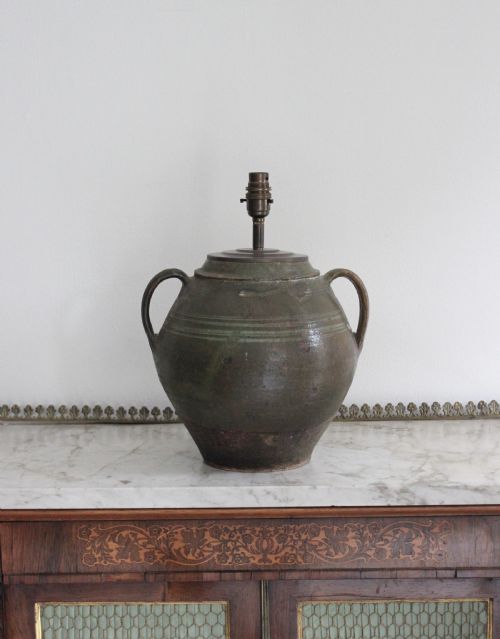
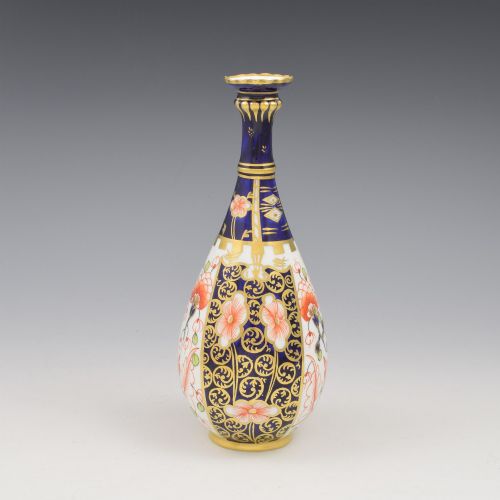
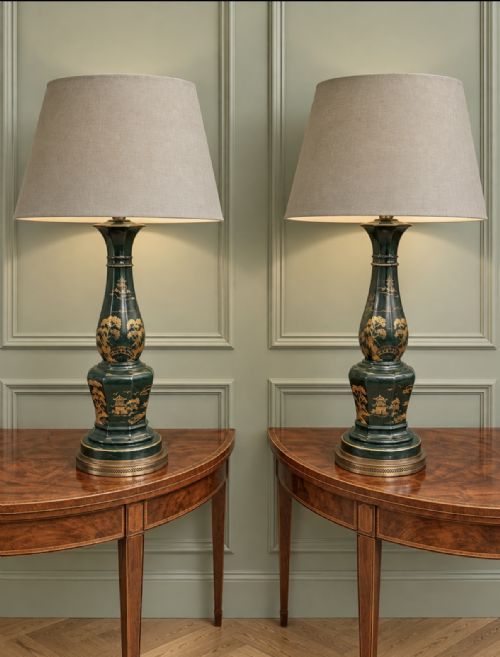
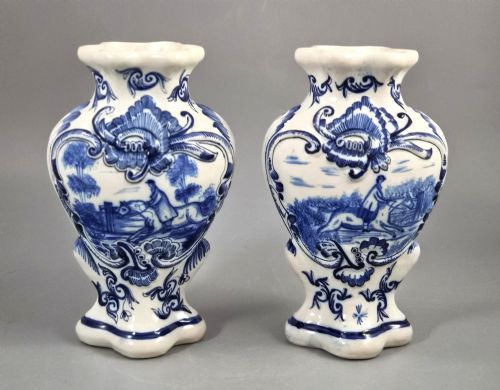
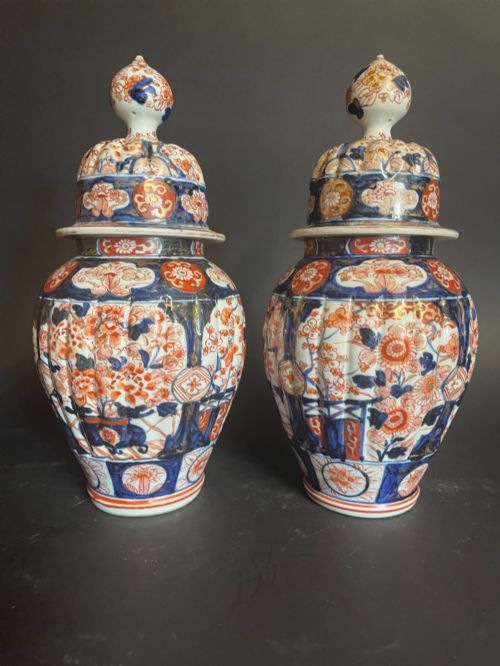
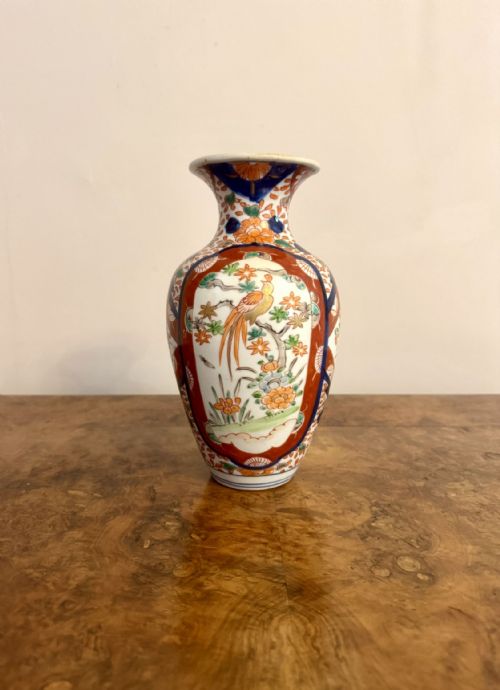
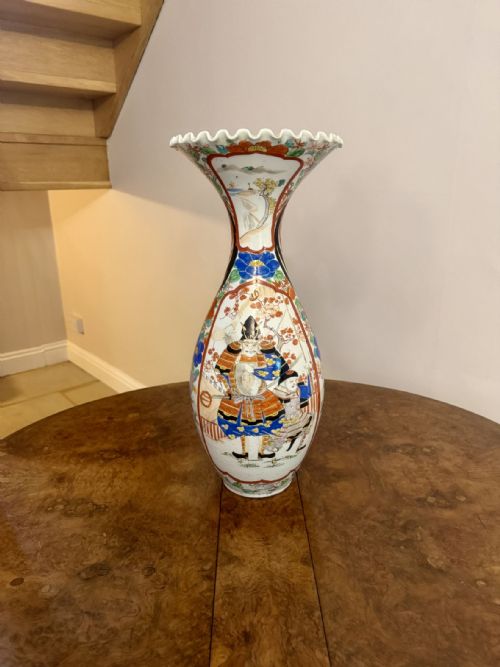
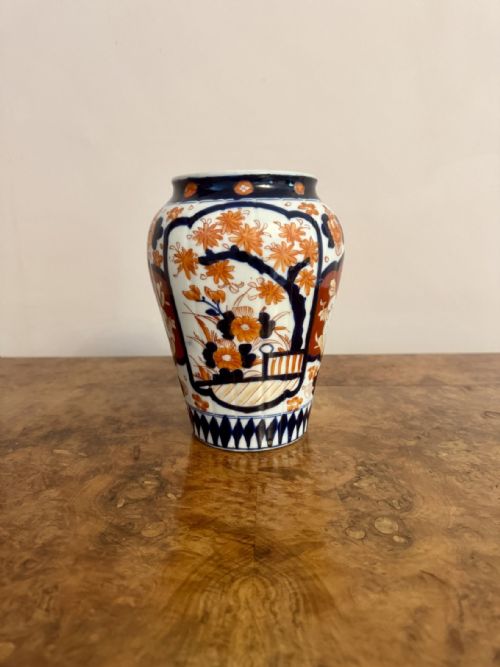
A traditional ceramic vase encompasses historical vessels originating from various global traditions, primarily spanning the eighteenth through the early twentieth centuries. These pieces manifest as baluster vases, lidded jars, moon flasks, and amphorae utilised for decorative display or adapted as table lamps. Buyers encounter numerous examples featuring Japanese Imari patterns, Chinese blue and white porcelain, and Dutch delftware.
The selection frequently includes pairs alongside singular statement pieces, ranging from compact cabinet items to monumental floor-standing vessels. Materials extend beyond pure ceramic to incorporate brass bases, enamel, and gold leaf additions. Sourcing primarily reflects East Asian export wares and European earthenware traditions from the Victorian and Edwardian eras.
How They Were Made
Potters shaped these vessels using traditional clay bodies such as porcelain, earthenware, and terracotta, often throwing them on a wheel or forming them in moulds. Artisans applied hand-painted pigments directly onto the ceramic surface, utilising cobalt for blue and white designs or polychrome enamels for intricate Japanese Imari and Satsuma motifs.
Many items underwent high-temperature kiln firing to vitrify the ceramic body and set the underglaze decorations. Subsequent low-temperature firings fixed added enamel colours and gilding. Certain pieces later received brass mountings or electrical wiring when converted into lamp bases during the nineteenth and twentieth centuries.
Traditional Ceramic Vase Retail Price Guide 2026
Typical asking prices for traditional ceramic vase among the pieces listed under this phrase on Sellingantiques today, from the lower quarter to the upper quarter. They describe what is for sale here now, not the wider market.
Recorded styles across the available inventory include Japanese Imari, Chinoiserie, Dutch Delftware, and Chinese Export designs.
What Varies In Quality
The refinement of the painted brushwork largely determines the distinction between ordinary and superior pieces. Skilled artists achieved precise lines, subtle tonal gradations, and detailed facial or botanical expressions that lesser productions lack. Hand-painted underglaze blue and carefully registered polychrome enamels indicate superior workshop standards.
The structural integrity of the ceramic body and the crispness of moulded or thrown forms also separate grades. Well-balanced proportions, clear reign or maker marks, and evenly fired glazes without major distortion represent higher standards of historical ceramic manufacture.
Royal Crown Derby·Fourmaintraux-Courquin·Royal Worcester·Poole Pottery
The Traditional Ceramic Vase Glossary
- Imari
- A style of Japanese porcelain featuring distinctive iron-red, cobalt blue, and gilt colour palettes. These wares were heavily exported to Europe from the port of Imari during the Edo period.
- Delftware
- Tin-glazed earthenware produced in the Netherlands, typically decorated in blue and white with maritime or floral scenes. The technique mimics Chinese porcelain but utilises a softer clay body.
- Meiping
- A traditional Chinese vase form characterised by a narrow neck, broad shoulders, and a tapering base. Originally designed to hold plum branches, the shape requires high skill to throw correctly.
- Moon Flask
- A flattened circular flask with a short neck and small loop handles, standing on an oval foot. This shape derives from ancient nomadic leather water bottles translated into porcelain.
- Celadon
- A type of ceramic glaze denoting green or grey-green hues resembling jade. The subtle coloration results from iron oxide interacting within a reduction kiln firing.
Traditional Ceramic Vase: Frequently Asked Questions
How do I date an antique ceramic vase?
Dating relies on examining the characteristics of the glaze, the style of the hand-painted decoration, and any base marks or seals present. Pigments and potting techniques shifted noticeably between the eighteenth, nineteenth, and early twentieth centuries.
Secondary indicators include the wear on the base footring and the presence of associated hardware like brass mounts or historical wiring conversions. Comparing the aesthetic to documented period examples helps confirm the era of manufacture.
Were these vases originally made as lamps?
Many vessels were originally produced purely for display as decorative vases or lidded jars rather than functional lighting. The conversion into table lamps frequently occurred later in the nineteenth or twentieth century to suit contemporary domestic interiors.
When evaluating a lamp conversion, check whether the original ceramic body was drilled for wiring or if the mountings utilise non-invasive collar brackets. Retaining the uncompromised vessel form remains desirable for collectors of traditional ceramics.
What is the difference between porcelain and earthenware?
Porcelain is fired at extremely high temperatures using fine kaolin clay, resulting in a dense, non-porous, and sometimes translucent white body that rings when tapped. Earthenware utilises coarser clay fired at lower temperatures, producing a more porous, opaque structure.
Historical pieces like delftware and terracotta are forms of earthenware, whereas Chinese export wares and Imari pieces are typically porcelain. This fundamental material difference affects the weight, durability, and resonance of the vessel.