


Traditional Ceramic Table Light
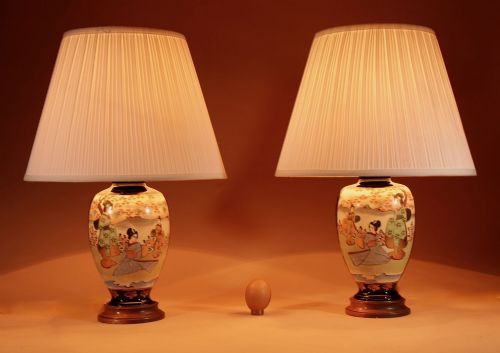
A traditional ceramic table light brings centuries of ceramic craft and warm illumination into a room, often taking the form of a converted antique vase.
Traditional Ceramic Table Light
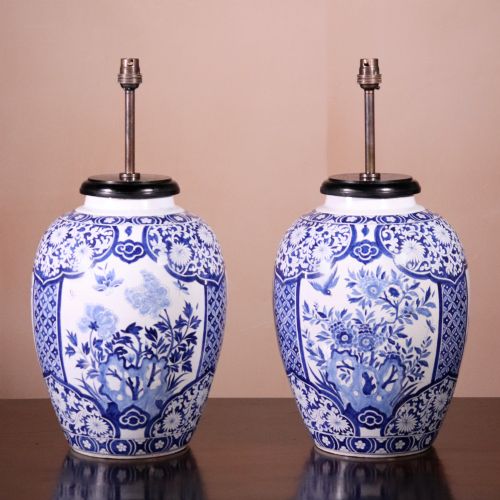
A traditional ceramic table light is typically formed from an antique or period vessel such as a ginger jar, baluster vase, or oil lamp base. These pieces span the eighteenth and nineteenth centuries, including Victorian and Edwardian periods.
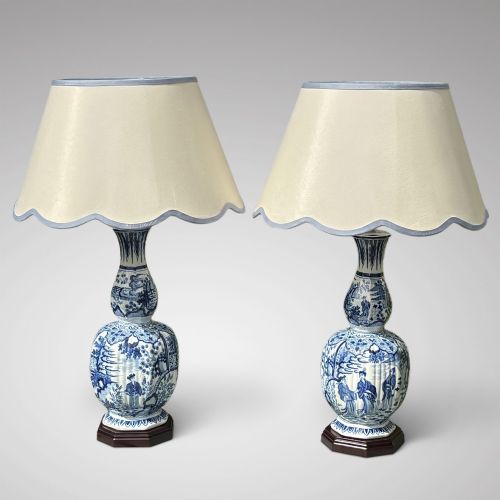
The most common examples on this page are Chinese blue and white vases and Japanese Imari or Satsuma wares adapted into lamps. European alternatives include Dutch Delftware, Majolica, and Wedgwood jasperware.
Conversion from oil lamps or display vases into electric table lamps is standard for these objects. They frequently retain brass mounts and are paired with fabric or silk shades.
Materials and construction
The bodies of these lights rely on porcelain, earthenware, and tin-glazed earthenware shaped on the potter's wheel or in moulds. Artisans decorated the surfaces using hand-painted pigments in styles such as Chinoiserie, Famille Rose, and blue and white underglaze.
Metal components, predominantly brass, are utilised for mounts, oil burners, and wiring hardware. Silk and fabric shades complete the construction, often supported by period or replacement frames.
Materials span porcelain, tin-glazed earthenware, brass, and silk.
What varies in quality
Quality depends upon the fineness of the ceramic body and the precision of the hand-painted detail. Crisp underglaze blue work, detailed crackleware glazes, and well-executed Famille Verte enamels distinguish superior specimens.
The integration of the electrical conversion and the preservation of the original vase without excessive drilling affect the overall desirability of the piece. The character of the associated brass fittings also contributes to the standard of the light.
Wedgwood·Fukagawa
The Traditional Ceramic Table Light Glossary
- Delftware
- Tin-glazed earthenware originating from the Netherlands, known for its distinctive blue and white palette.
- Famille Rose
- A polychrome porcelain palette dominated by opaque pink enamel, prominent in Chinese export wares.
- Imari
- Japanese export porcelain decorated in underglaze blue, iron red, and gold, produced in Arita.
- Jasperware
- A type of fine stoneware developed by Wedgwood, characterised by white relief figures on a coloured matte ground.
- Majolica
- Earthenware coated with a tin glaze and painted with coloured metal oxide glazes, popular during the Victorian period.
- Satsuma
- Japanese earthenware pottery featuring a crackled ivory glaze decorated with intricate enamel and gilt patterns.
Traditional Ceramic Table Light: Frequently Asked Questions
How are these lamps wired?
Most of these lights have been adapted for modern electricity during their history. They often feature fitted brass lamp holders emerging from the top of the ceramic vessel.
Rewiring is common to ensure safety and compliance with current electrical standards. Buyers should check the plug and cord types to confirm suitability for their home.
Can I change the lampshade?
Changing the lampshade is straightforward because standard shade carriers fit most traditional ceramic table lights. Selecting a fabric or silk shade that complements the proportion of the ceramic base is key.
Consider the colour of the hand-painted decoration when choosing a shade. Neutral tones often balance busy patterns like Chinese blue and white or Japanese Imari.
How do I date a ceramic lamp?
Dating relies on the style of the ceramic body, glaze characteristics, and any visible maker marks. Eighteenth-century pieces often display distinct potting techniques compared to nineteenth-century or Edwardian examples.
Metal mounts and electrical fittings can also provide clues to the period of conversion. Comparing the vase style to known pottery production eras helps narrow down the age.
Where should I place a ceramic lamp?
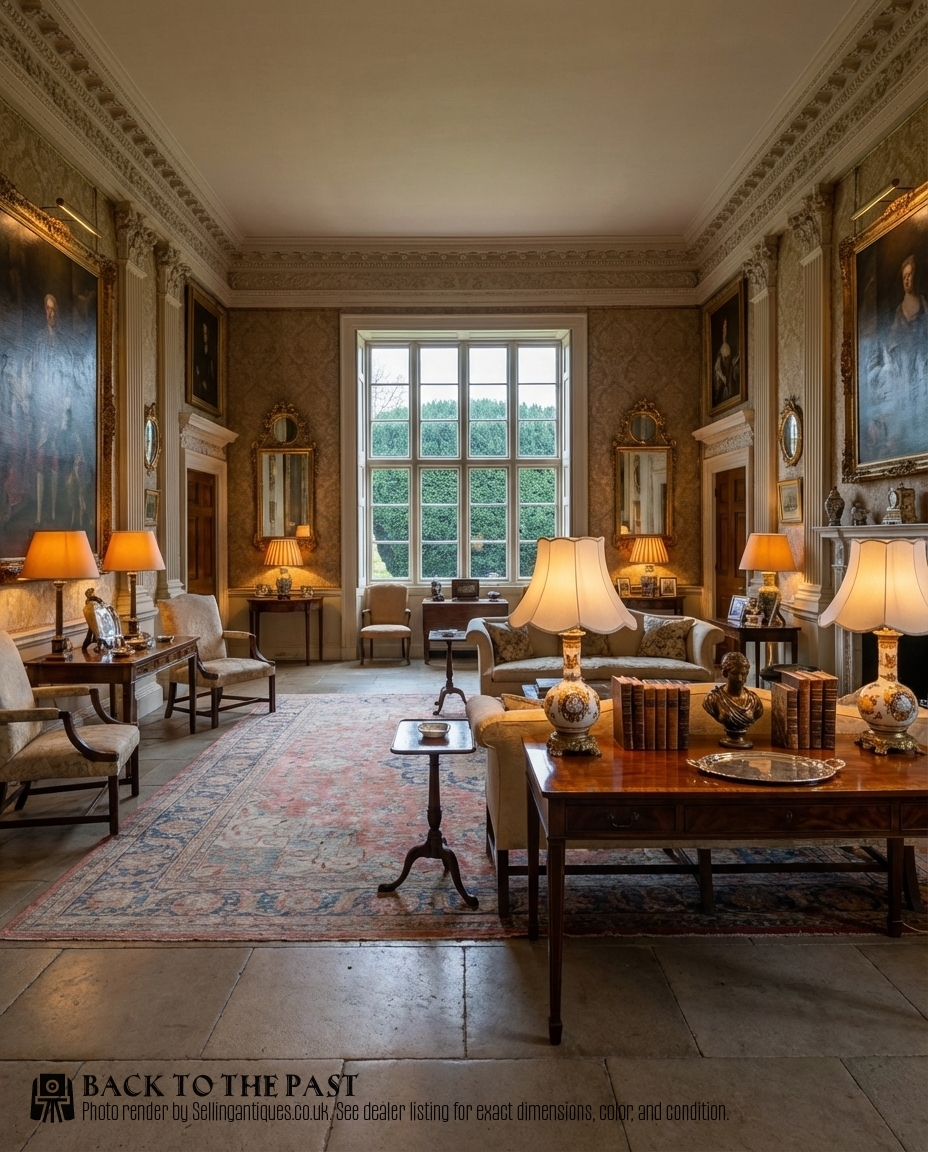
These lamps suit side tables, desks, and sideboards where their decorative forms can be appreciated. Their height and vibrant glazes make them effective focal points in a room.
Ensure the surface is stable and capable of supporting a heavy porcelain or earthenware base. Positioning them away from high-traffic areas protects the delicate ceramic and wiring.