

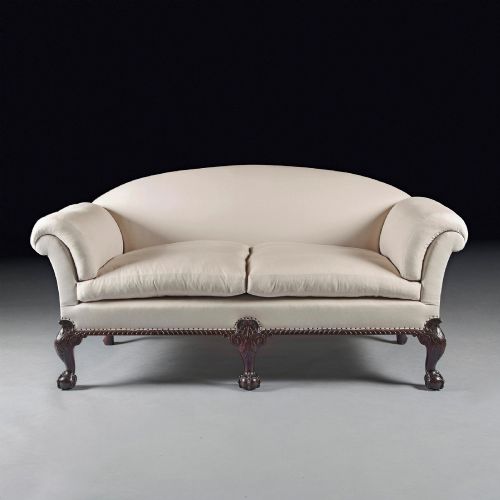
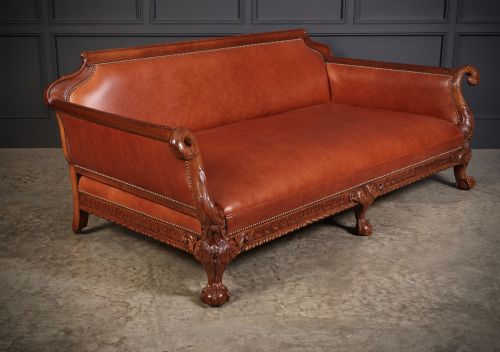
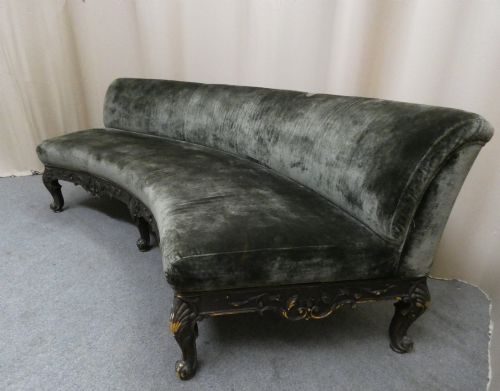
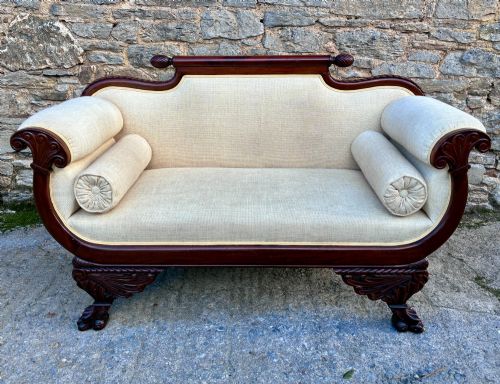

Traditional Carved Sofa
A traditional carved sofa brings substantial timber frames and deep upholstery together, anchoring a room with period weight.
Traditional Carved Sofa
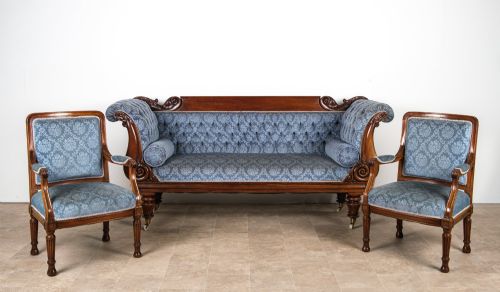
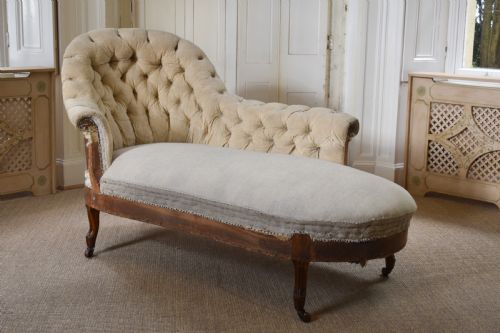
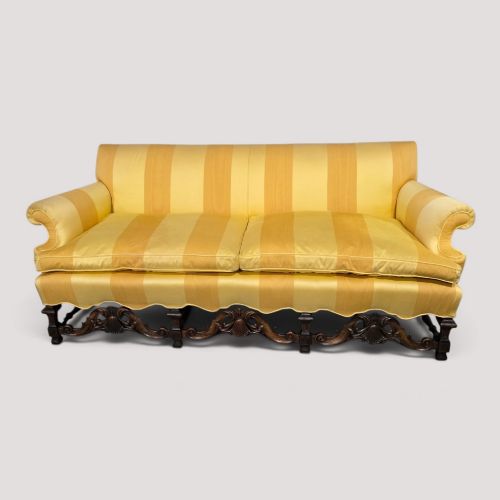
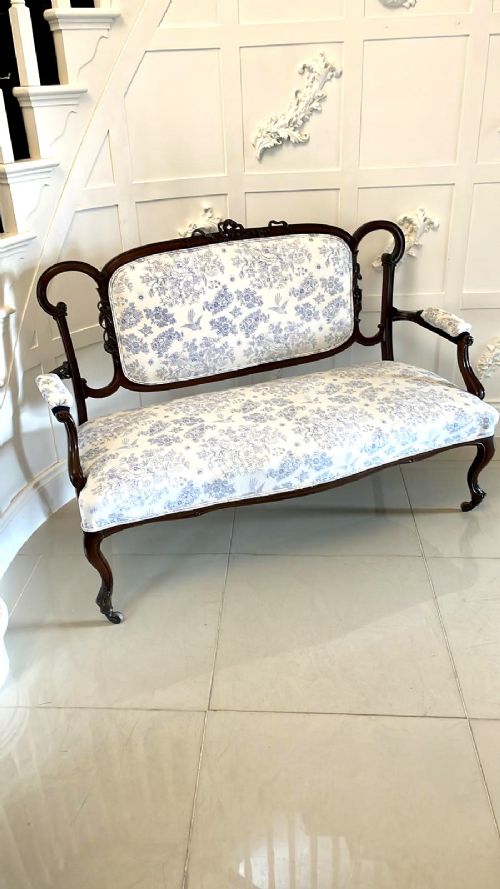
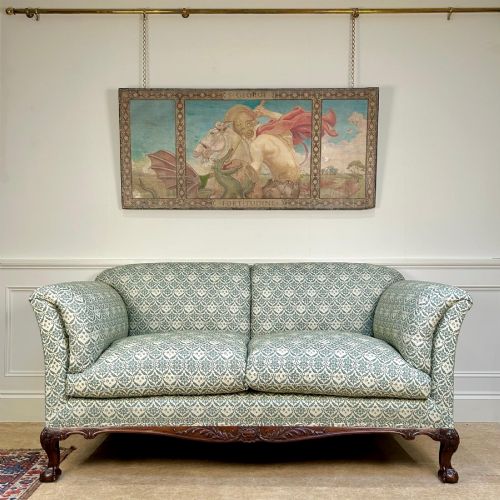
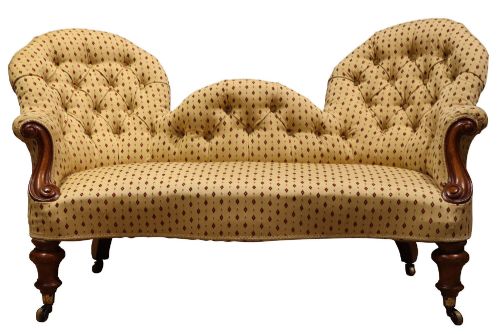
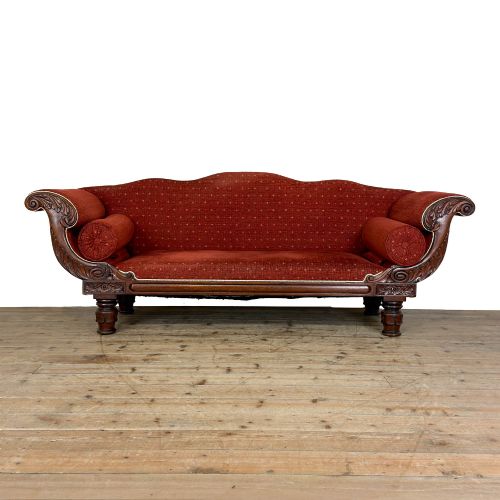
A traditional carved sofa encompasses nineteenth century Victorian pieces alongside Edwardian and 1930s revivals, spanning forms from camel backs to scroll ends and chaise longues.
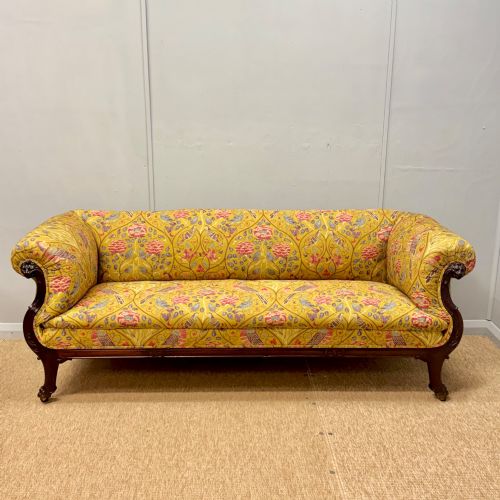
The version most commonly met on this page is the Victorian mahogany or walnut framed settee, often showing revival influences such as Chippendale, Hepplewhite or Regency manners.
Makers and retail houses like Howard and Sons and Liberties occasionally appear, alongside diverse frames executed in oak, rosewood and simulated rosewood.
Timbers and upholstery techniques
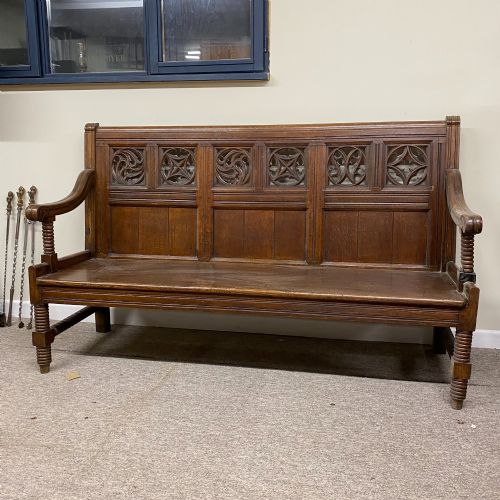
Frames rely on solid hardwoods like mahogany, walnut, oak and rosewood, carved with classical motifs and supported by brass elements or ball and claw feet.
Upholstery methods utilise traditional sprung settee bases paired with fabrics such as velvet, brocade, leather and specialised upholstery textiles.
Traditional Carved Sofa Retail Price Guide 2026
Typical asking prices for traditional carved sofa among the pieces listed under this phrase on Sellingantiques today, from the lower quarter to the upper quarter. They describe what is for sale here now, not the wider market.
Listings feature nineteenth century Victorian and Edwardian periods alongside 1930s revivals, built from mahogany, walnut, oak and rosewood.
Distinctions in craftsmanship
Quality rests in the crispness of the timber carving and the architectural proportion of the frame, separating standard production from exceptional library or drawing room pieces.
The integrity of the internal sprung base and the choice of covering fabric, from deep pile brocade to original leather, determine the enduring finish of the seat.
Howard and Sons·Liberties
The Traditional Carved Sofa Glossary
- Chaise longue
- An upholstered long chair designed for reclining, combining a sofa back with an extended seat. These pieces often feature carved wooden frames and scroll ends.
- Bergere
- An enclosed upholstered armchair or sofa with wooden framing and cane work panels. The style originates from France and often includes loose feather cushions.
- Scroll end
- A decorative framing terminal that curves outward in a tight scroll shape. This detail frequently defines nineteenth century mahogany and rosewood sofas.
- Camel back
- A sofa style featuring a graceful, convex curving top rail that resembles a camel's hump. This profile is typical of eighteenth century revivals.
- Drop arm
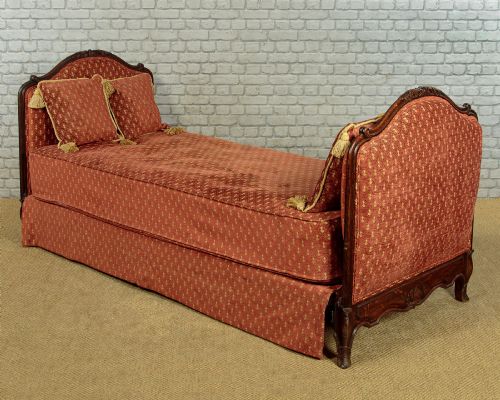
- A mechanical or hinged sofa arm that lowers to create a day bed or day lounge. These mechanisms require precise timber jointing.
Traditional Carved Sofa: Frequently Asked Questions
How do I identify a Victorian sofa?
Victorian sofas generally utilise heavy mahogany or walnut frames with deep, buttoned upholstery and robust carved wooden details. They often reflect revival styles like Chippendale or Jacobean.
Look for dense timber construction and traditional sprung bases beneath fabric coverings such as velvet or brocade.
How should I care for a carved wooden frame?
Maintain the timber frame by dusting with a dry cloth and occasionally applying suitable wax polish to nourish the hardwood. Avoid placing the furniture near direct heat sources.
Protect the upholstery fabric according to its specific textile type, whether velvet, leather, or woven brocade.
What distinguishes an Edwardian settee?
Edwardian settees often present lighter proportions than their Victorian predecessors, sometimes incorporating inlaid mahogany or lighter oak frames. They frequently appear in pairs or reflect earlier Georgian revivals.
The upholstery may feature simpler lines alongside Edwardian decorative motifs.