
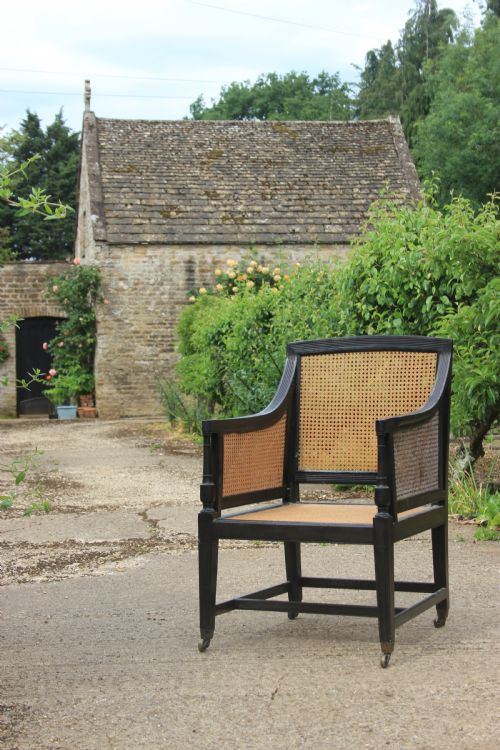


Traditional Caned Seating
Traditional caned seating brings open-weave panels and timber frames into rooms that benefit from lighter, breathable furniture.
Traditional Caned Seating
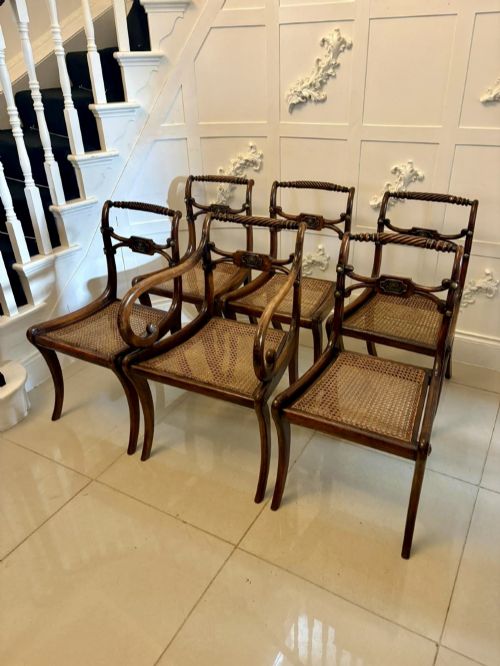
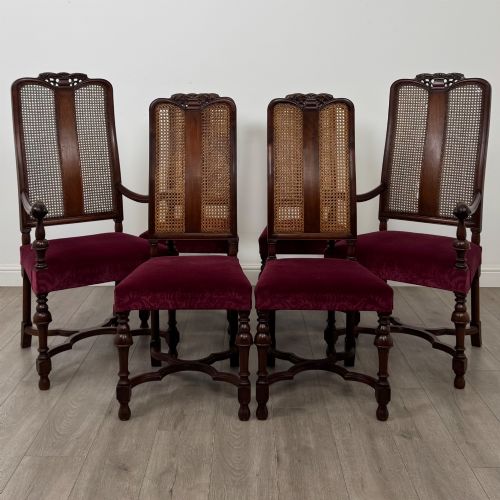
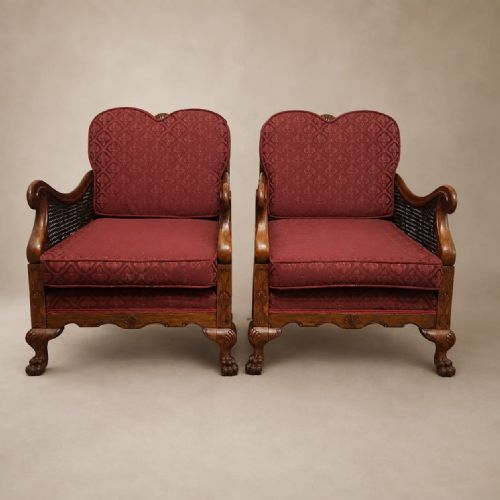
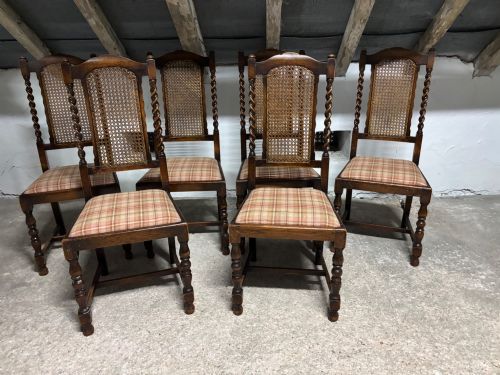
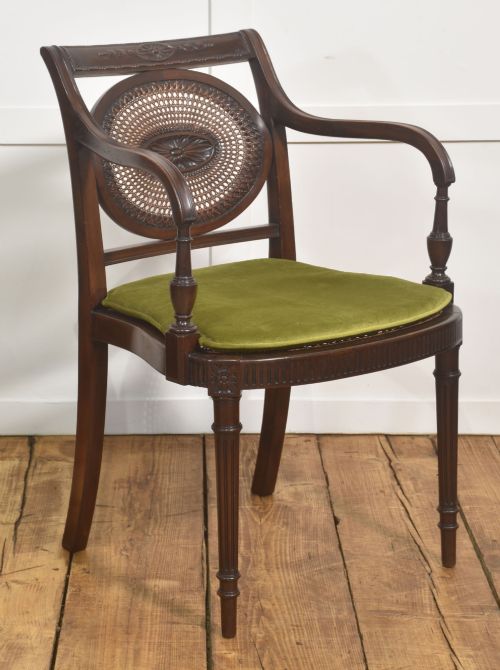
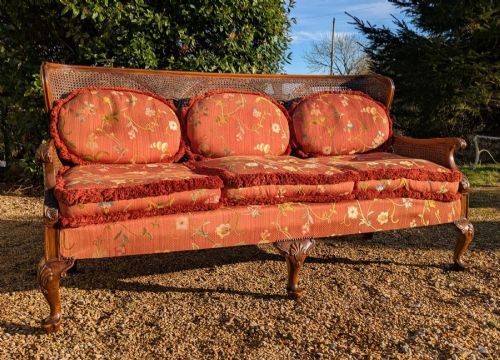
Traditional caned seating encompasses dining chairs, armchairs, bergere suites, rocking chairs, and stools designed with woven cane panels on backs or seats.
The pieces span the nineteenth century through the early twentieth century, incorporating Regency, Victorian, Edwardian, and revival styles.
Mahogany and oak form the primary timber structures for these dining chairs and armchairs, complemented by walnut, beech, and ebonised woods.
How they were made
Frames utilise solid timbers such as mahogany, oak, and walnut, shaped through turning, carving, and ebonising.
Woven cane panels utilise split rattan threaded through drilled holes in the timber frame to create porous, flexible seats and backs.
The listings span from the nineteenth century into the 1930s, featuring oak, mahogany, and walnut woods.
What varies in quality
Quality rests in the precision of the timber framing, from plain turned beech up to finely carved mahogany and walnut.
The tightness and regularity of the hand-woven cane work distinguish finer production from simpler commercial seating.
The Traditional Caned Seating Glossary
- Bergere
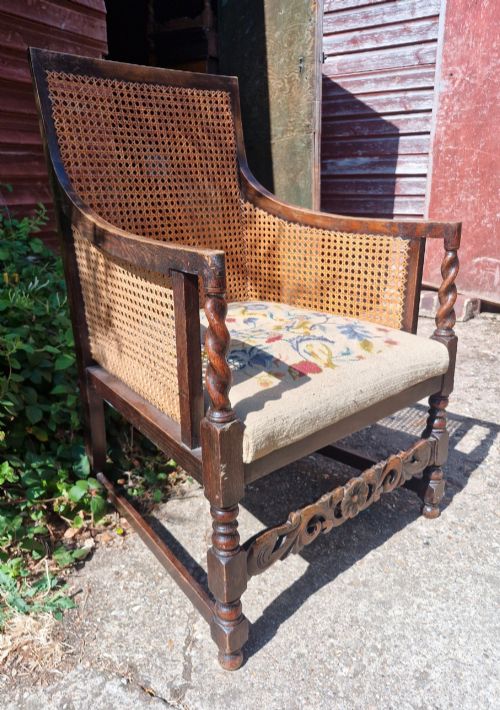
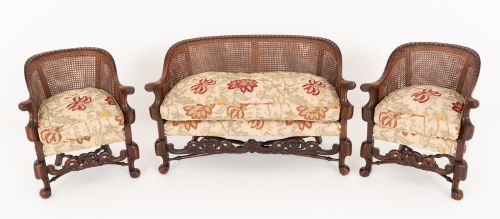
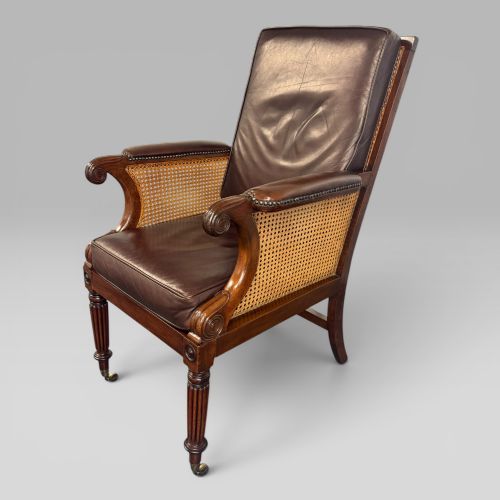
- An enclosed upholstered armchair featuring cane sides and back panels. These seats often include loose cushions.
- Klismos
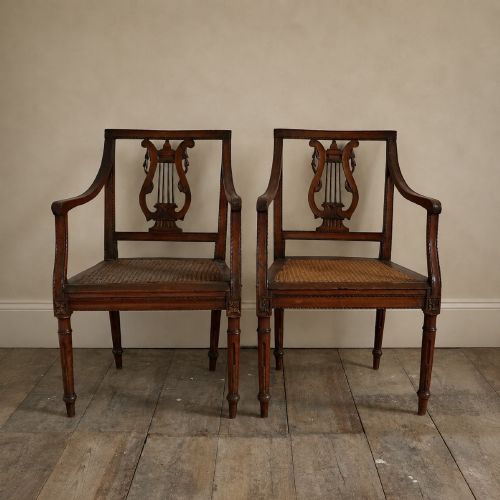
- An ancient Greek chair shape with curved back legs and a concave backrest. This classical form appears in nineteenth century iterations.
- Bobbin turned
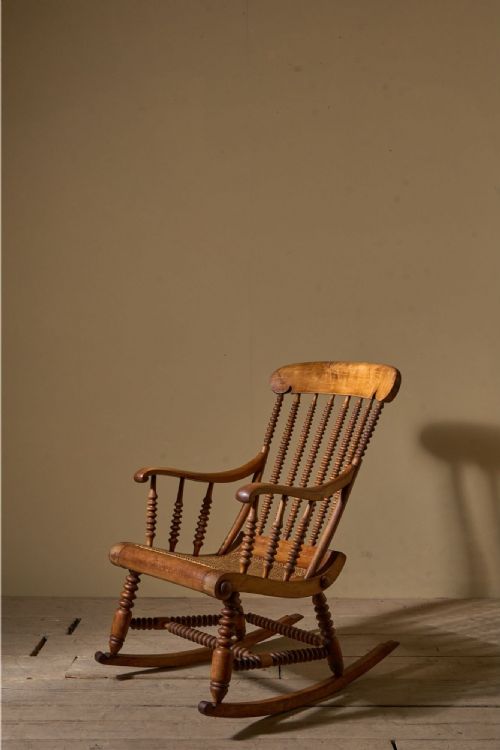
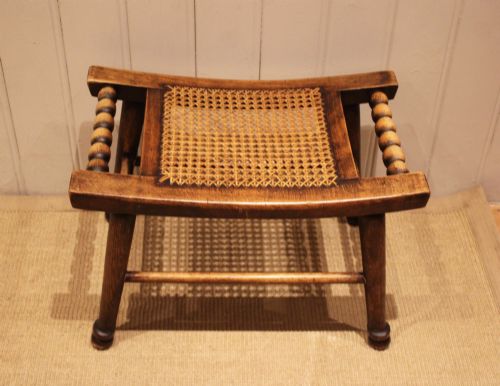
- A style of furniture turning that resembles a string of bobbins or spools. This technique defines specific nineteenth century frames.
- Carving
- The sculptural shaping of solid wood frames. Revival styles utilise elaborate details across backs and arms.
Traditional Caned Seating: Frequently Asked Questions
How do I care for cane seats?
Keep cane seats away from direct heat sources and harsh sunlight to prevent the natural rattan material from becoming brittle.
Light dusting and occasional damp wiping maintain the moisture balance of the woven strands.
Are these chairs suitable for daily dining?
Many examples are designed specifically as dining chairs and withstand regular seating use.
Check the structural rigidity of the wooden frame and the tension of the woven cane before daily placement.
Can damaged cane panels be repaired?
Traditional hand-woven cane panels can be entirely rewoven by skilled craftspeople using matching rattan strands.
Original frames retain their integrity when the woven insert undergoes professional restoration.
What is a bergere armchair?
A bergere is a French-style armchair with closed sides filled with cane work.
These comfortable seats frequently pair with feather cushions on the base.