


Traditional Bureau Desk
A traditional bureau desk provides a practical writing space and concealed storage, bringing period character and craftsmanship into a modern study.
Traditional Bureau Desk
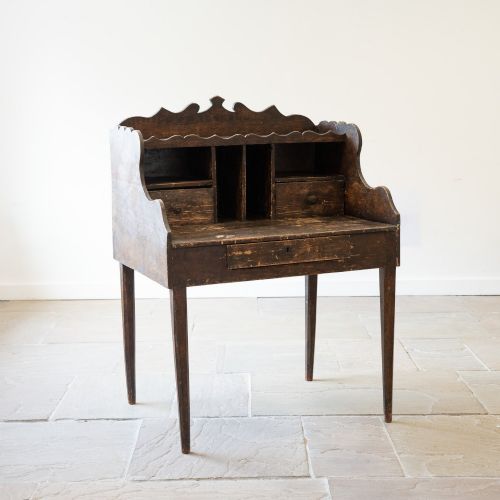
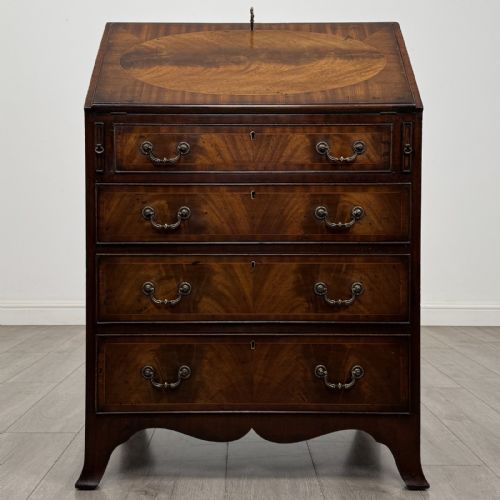
A traditional bureau desk takes many forms across different centuries, combining a writing surface with compartmentalised storage. Buyers searching for a traditional bureau desk will encounter pieces ranging from early oak examples to later mahogany and walnut variants.
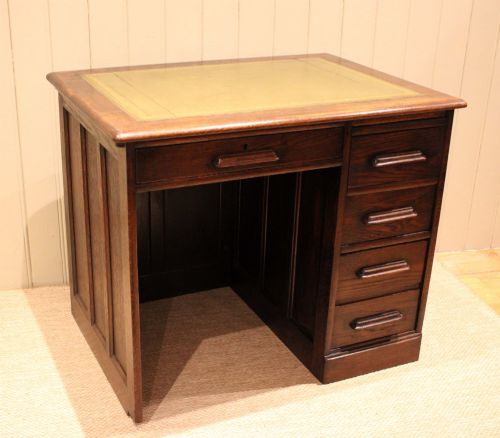
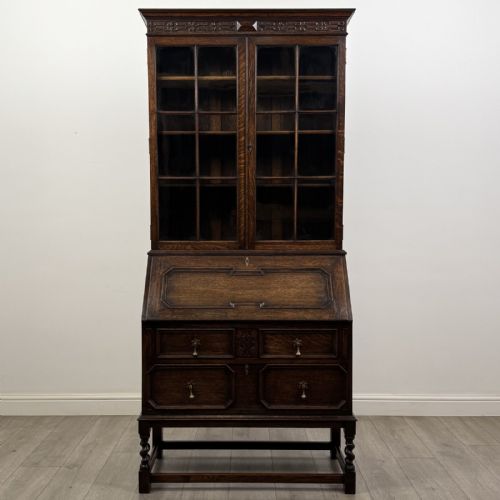
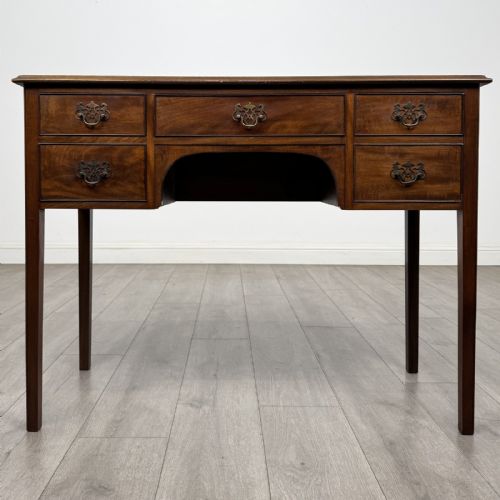
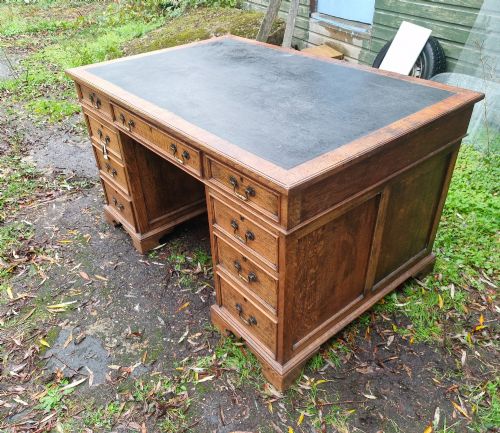
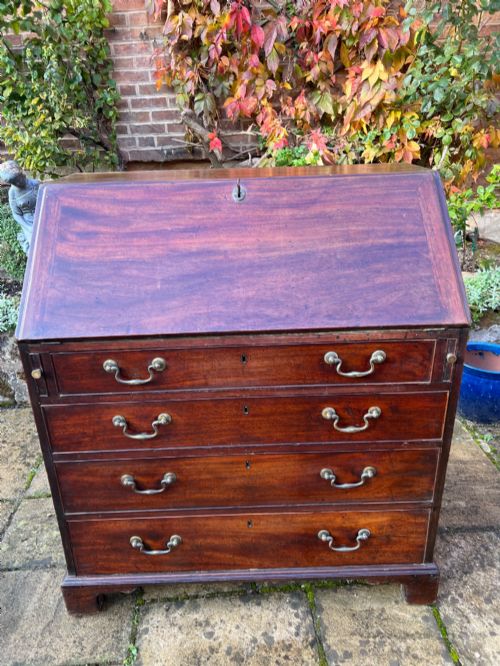
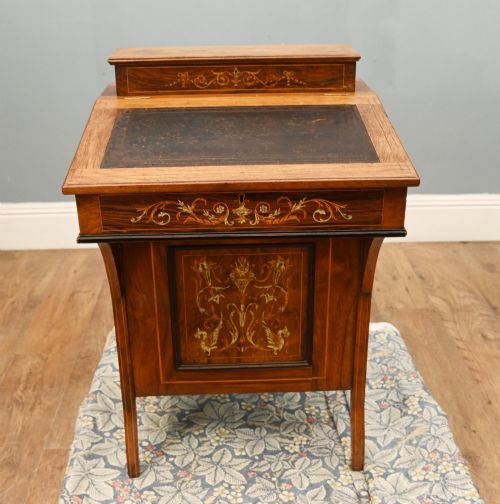
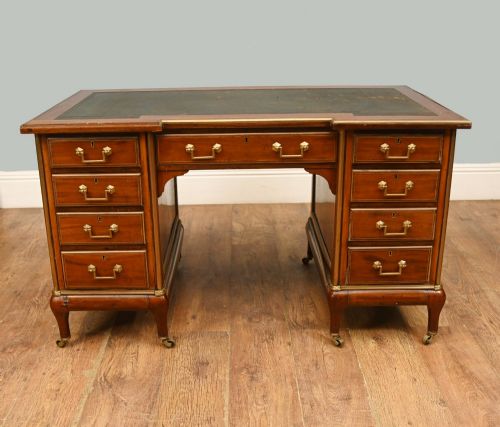
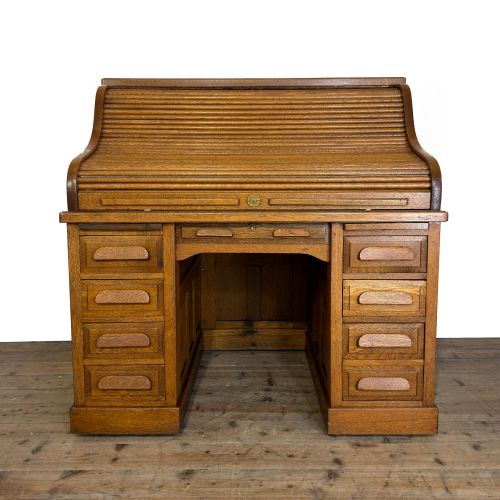
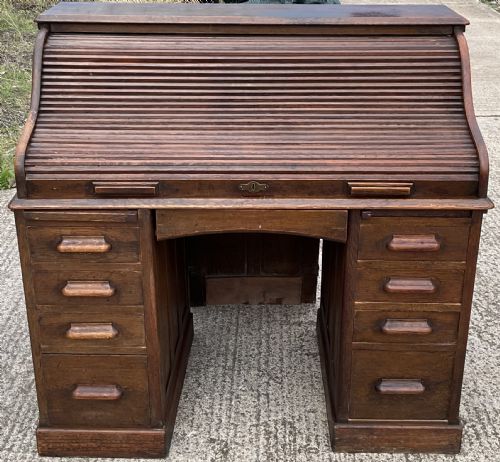
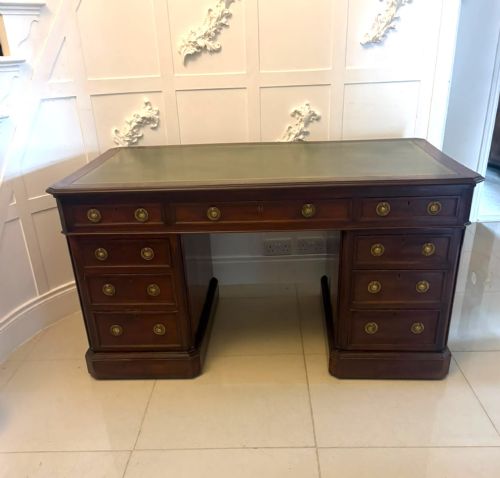
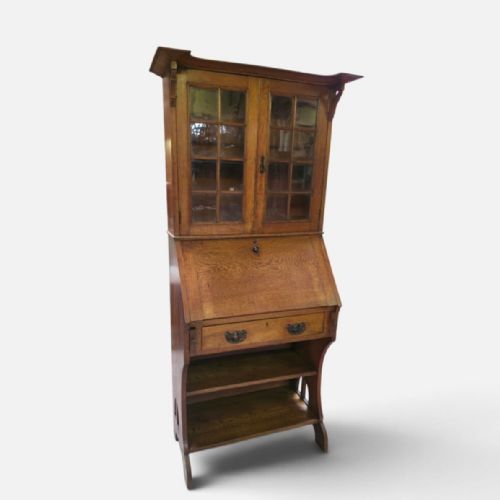
The selection includes drop-front fall-front writing desks, pedestal configurations, writing tables, and bureau bookcases with glazed tops. Edwardian and Georgian versions appear frequently alongside Victorian pedestal desks and revival styles.
Makers utilised timber such as oak, mahogany, walnut, and satinwood to construct these pieces, often incorporating fitted interiors with pigeon holes and small drawers.
What varies in quality
The grade of timber selection and figure of the grain dictate much of the visual appeal, with highly figured burr walnut or rich mahogany distinguishing finer examples from plain utilitarian pieces. Superior craftsmanship shows in the intricacy of the internal fittings, such as secret compartments, finely dovetailed drawer boxes, and neatly arranged pigeon holes.
Proportion and decorative details also set items apart, whether through crisp carving on Edwardian oak frames, subtle inlay work, or the retention of original brass handles and leather writing surfaces. Pieces bearing recognisable maker labels add a further layer of distinction to the construction.
Traditional Bureau Desk Retail Price Guide 2026
Typical asking prices for traditional bureau desk among the pieces listed under this phrase on Sellingantiques today, from the lower quarter to the upper quarter. They describe what is for sale here now, not the wider market.
Listings show traditional bureau desk examples spanning from the seventeenth century through Georgian, Victorian, and Edwardian periods up to the 1930s.
Heals of London·Wylie & Lochhead Glasgow
The Traditional Bureau Desk Glossary
- Bureau
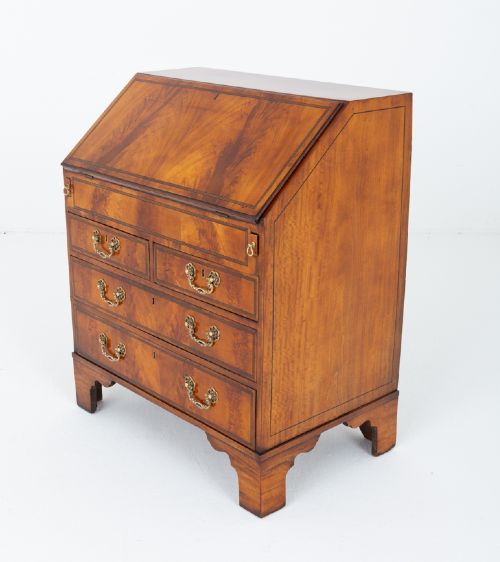
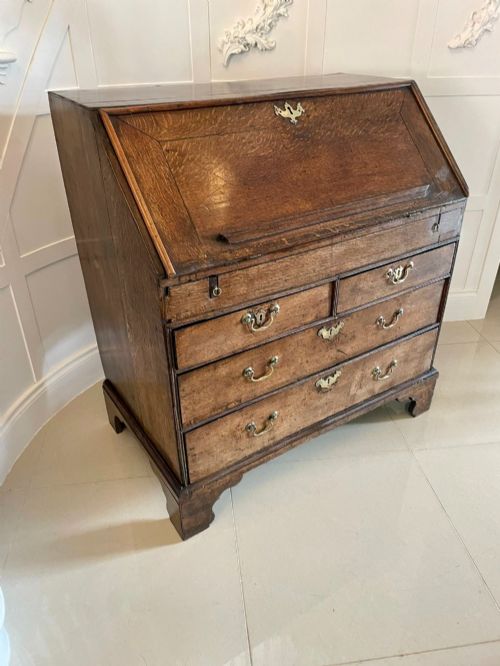
- A writing desk featuring a sloping hinged lid or fall front that opens to reveal a fitted interior with pigeon holes and small drawers. This form allows the writing surface to be concealed when not in use.
- Fall Front
- The hinged writing flap of a bureau that drops down to a horizontal position supported by lopers or hinges. It serves as the main writing surface.
- Pedestal Desk
- A freestanding desk consisting of two pedestals of drawers supporting a single wide top. They often feature an inset leather writing surface.
- Pigeon Holes
- Small open compartments arranged inside a desk interior for sorting letters and stationery. They form a key component of the fitted writing space.
- Bureau Bookcase
- A tall piece of furniture combining a lower bureau desk base with an upper shelving section, frequently enclosed by glazed doors. These provide combined storage for books and writing materials.
Traditional Bureau Desk: Frequently Asked Questions
How do I use a bureau desk?
Lower the hinged fall front to reveal the internal pigeon holes and drawers, creating a convenient fold-down writing surface. When writing is finished, simply lift the front back into place to tidy away papers and correspondence.
This enclosed design keeps writing materials out of sight, making a traditional bureau desk well suited for living rooms as well as dedicated studies.
What is a bureau bookcase?
A bureau bookcase combines a lower writing desk with an upper shelving unit, usually enclosed by glass doors. This two-part form allowed owners to store a library above while keeping their correspondence organised below.
Originating in earlier centuries, these substantial pieces serve as both a functional workspace and a display cabinet for books.
How do I clean the leather top?
Dust the leather surface gently with a soft dry cloth to remove loose particles. Avoid using harsh chemical cleaners or excess water, which can damage the hide and any surrounding wood.
Applying a specialist leather cream periodically helps maintain suppleness and preserves the gold tooling found on many antique writing surfaces.
How do I date an oak bureau?
Examine the construction methods, timber characteristics, and hardware style to determine the age of an oak bureau. Earlier 17th and 18th-century pieces often feature hand-cut joints, pegged construction, and simpler panel layouts, while Edwardian revivals display machine-cut precision and specific revival detailing.
Drawer construction also provides clues, as hand-cut dovetails generally indicate older craftsmanship compared to later production methods.