


Traditional Brown Wood Chairs
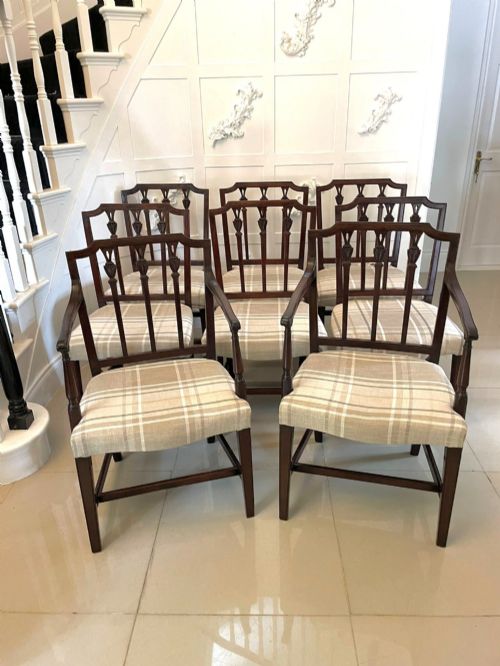
Traditional brown wood chairs span centuries of domestic seating, offering solid timbers like mahogany, elm and oak shaped into dining sets and country armchairs.
Traditional Brown Wood Chairs
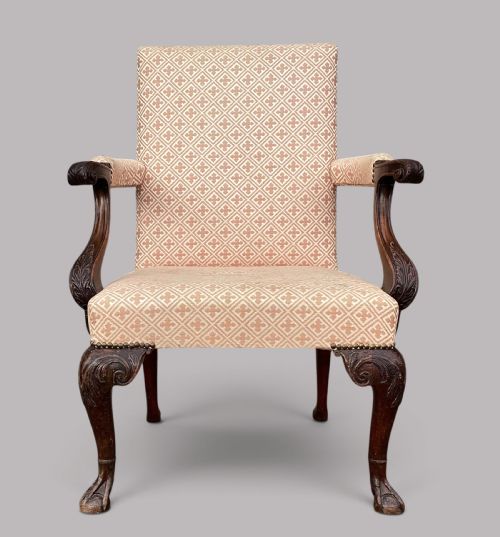
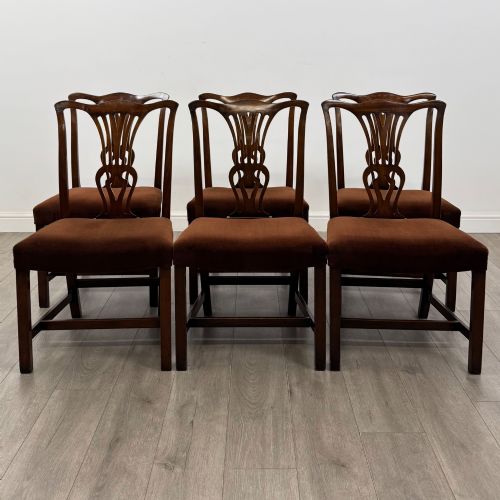
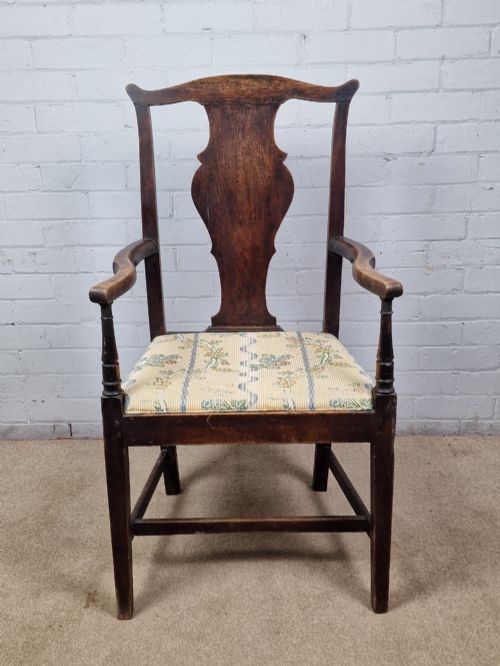
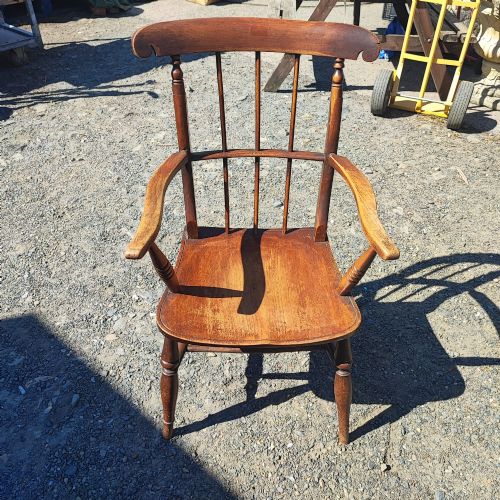
Traditional brown wood chairs encompass a wide variety of seating forms designed for dining rooms, hallways and kitchens. Buyers searching for traditional brown wood chairs regularly encounter regional Windsor armchairs, formal dining sets and sturdy side chairs spanning the eighteenth, nineteenth and early twentieth centuries.
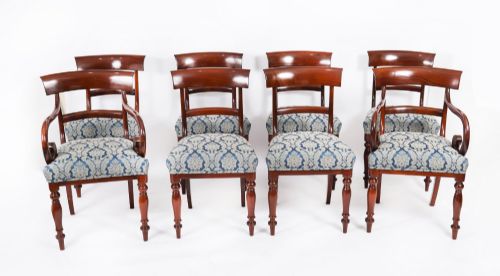
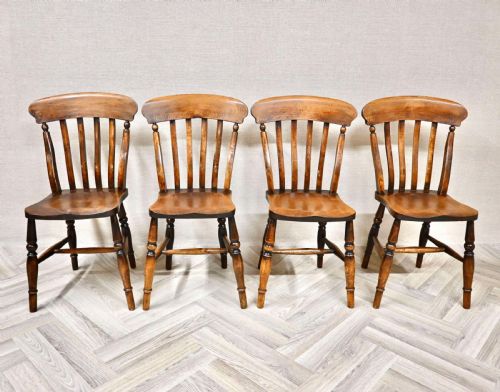
The selection ranges from single carvers and rocking chairs to large matched dining sets intended for formal spaces. Elm, mahogany, oak and ash dominate the physical evidence, shaped into distinctive vernacular and polite styles.
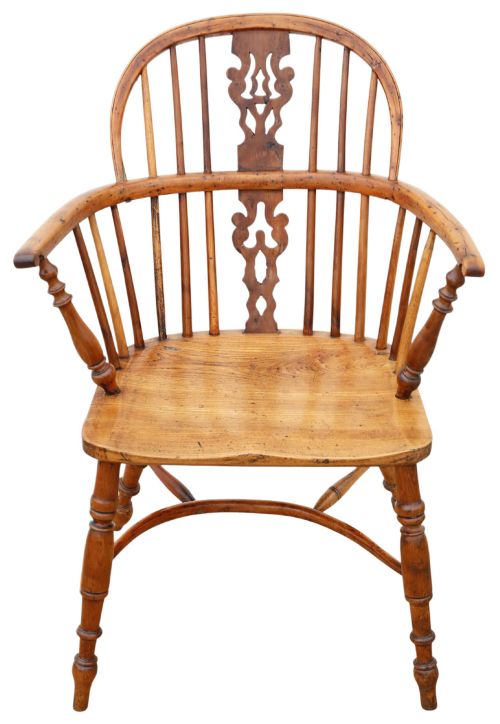
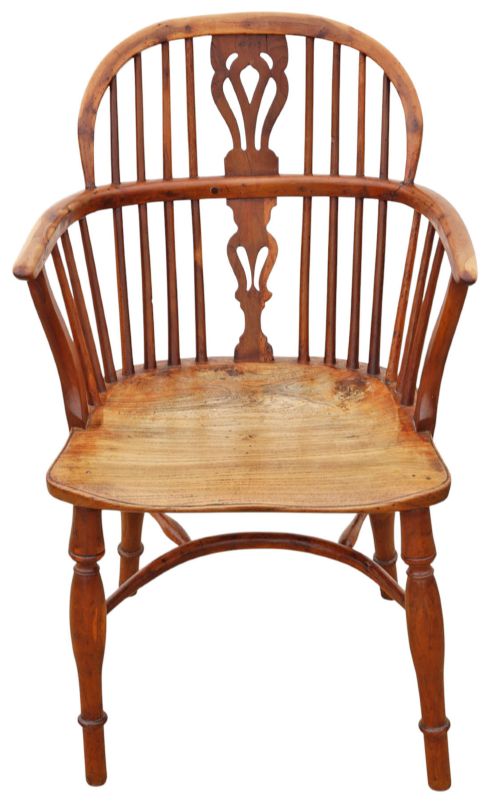
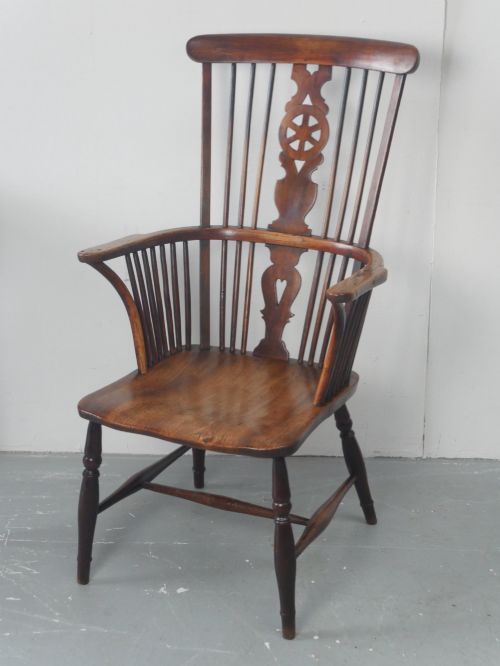
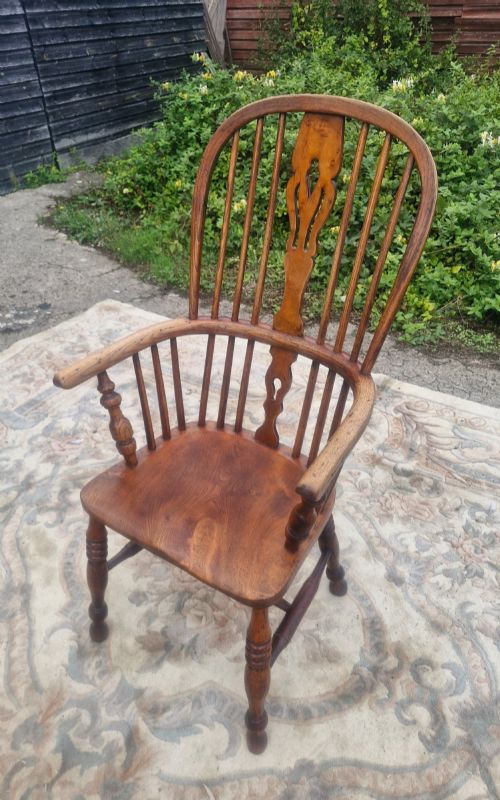
Country pieces often utilise mixed timbers, pairing elm seats with yew or ash spindles, whereas formal dining chairs rely on uniform mahogany or oak boards. These chairs served everyday domestic and social functions in British homes, retaining their structural utility alongside decorative presence.
Materials and construction methods
Maker construction relies on native hardwoods such as elm, ash, beech and oak for country seating, whilst mahogany and walnut service polite urban furniture. Windsor chairs utilise bowed wood backs jointed into thick saddle-shaped elm seats, often combining steam-bent arms with turned spindles.
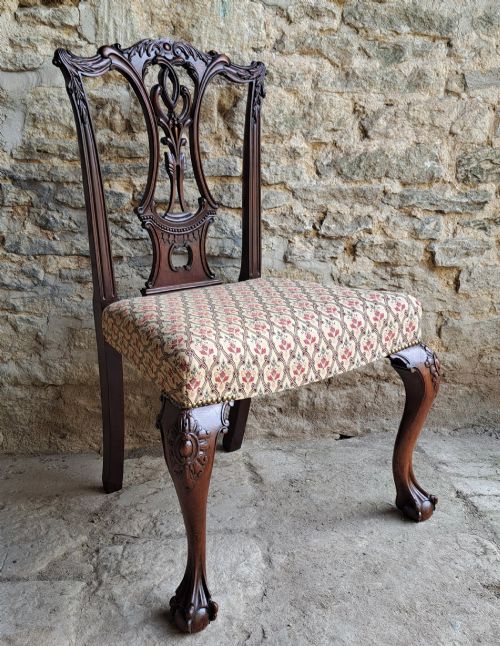
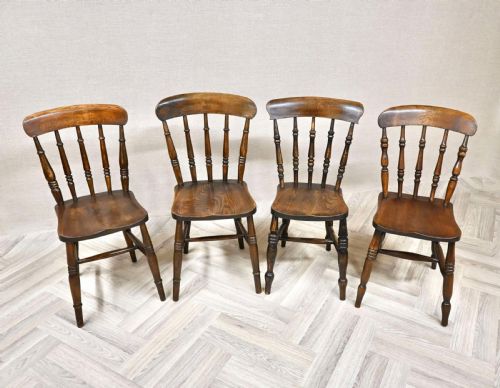
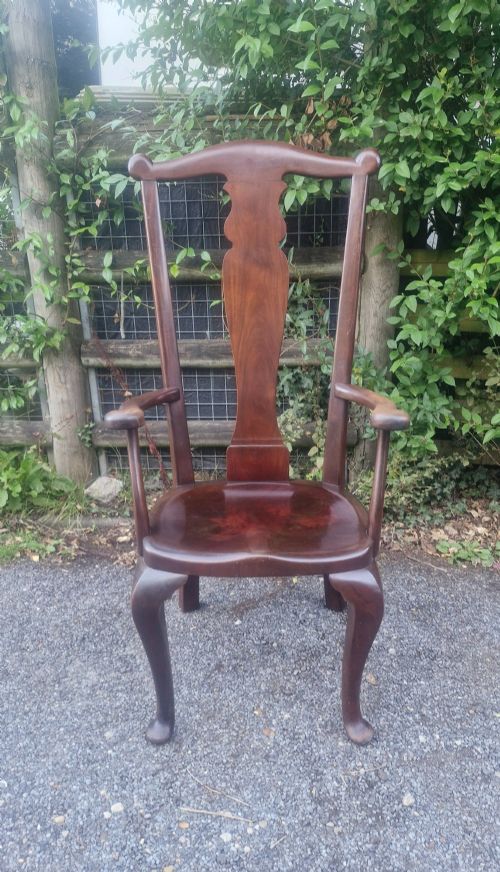
Formal dining chairs employ traditional mortise and tenon joinery, sometimes incorporating carved splats, drop-in seats or leather upholstery secured with brass studs. Bobbin turning, shield backs and lathe backs demonstrate the specific joinery techniques developed by period cabinet makers.
Current listings feature traditional brown wood chairs from the eighteenth, nineteenth and early twentieth centuries, constructed in mahogany, elm, oak, ash, beech and yew.
Assessing quality and craftsmanship
Quality in traditional brown wood chairs depends upon the selection of timber and the crispness of the carving or turning. Superior examples display dense grain patterns, deep patination developed through handling, and robust structural joints that withstand centuries of use.
Subtle differences separate standard production items from master-made seating, such as the thickness of a carved shield back, the proportions of a Windsor bow, or the seamless integration of mixed timbers like yew and elm.
The Traditional Brown Wood Chairs Glossary
- Windsor chair
- A wooden chair constructed with a thick solid timber seat into which the legs and back-spindles are wedged directly. The steam-bent back rail provides resilient support.
- Carver
- An armchair, traditionally placed at the head of a dining table or used as a desk seat, matching the design of the surrounding side chairs.
- Splat
- The vertical central strip of wood down the back of a chair, frequently shaped or pierced in styles ranging from plain country boards to elaborate Chippendale designs.
- Patina
- The surface sheen and mellow colour developed on antique wood through age, wear and regular polishing over generations.
- Bobbin turning
- A form of lathe-turned furniture leg or stretcher resembling a string of wooden beads or bobbins, common on seventeenth and eighteenth century seating.
Traditional Brown Wood Chairs: Frequently Asked Questions
How do I care for antique wooden chairs?
Maintain traditional brown wood chairs by applying natural beeswax sparingly to nourish the timber and preserve the historic surface sheen. Keep seating away from direct heat sources and dramatic humidity fluctuations to prevent wood shrinkage and joint separation.
Dust regularly with a soft, dry cloth to prevent particulate accumulation in carved details and turned joints. Avoid modern silicone-based polishes that can permanently alter the porous nature of aged hardwood.
Are Windsor chairs comfortable for daily use?
Solid elm seats on Windsor armchairs are ergonomically shaped to distribute weight, offering surprising physical support during prolonged sitting. The angled spindles and bowed back rests provide a flexible, springy support structure.
Many buyers pair these armchairs with desks or use them as casual reading seats in living spaces. Adding loose upholstered squabs can increase softness without altering the historic wood frame.
What is the difference between side chairs and carvers?
Side chairs are armless dining or hall seats built with narrow proportions to fit multiple pieces compactly around a table perimeter. Carvers feature integrated armrests and wider proportions, traditionally reserved for the head of the dining table.
In historic dining sets, matching carvers mirrored the decorative style of the side chairs while offering elevated comfort. Today, individual carvers frequently function as standalone desk chairs or bedroom accent seating.
How can I tell if a dining set is matched?
Matched dining sets share identical timber grains, turning styles, construction methods and wear patterns developed together over centuries. Minor variations in hand-carved details or subtle colour differences in the wood indicate individual pieces gathered to form a unified group.
Examining the underside of the seats and joint construction reveals whether the chairs originated from the same cabinet maker's workshop. Uniformity in dimensions and wood species confirms the integrity of the set.