
Traditional Brown Dining Table
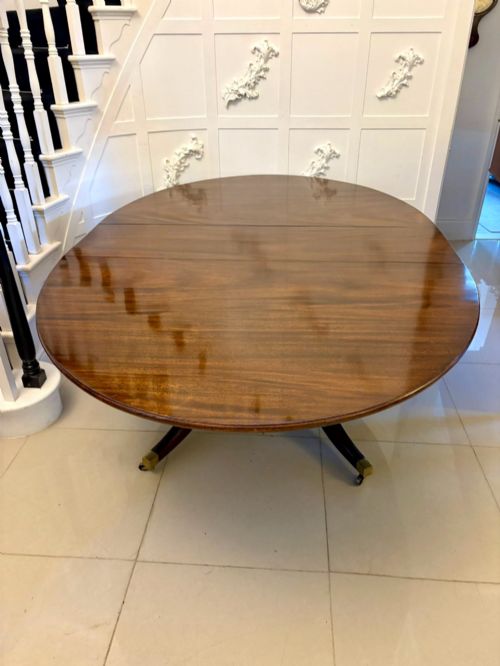
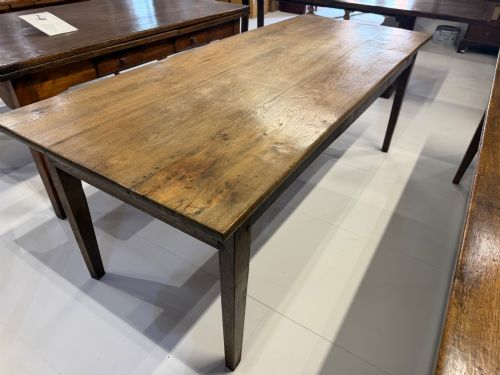
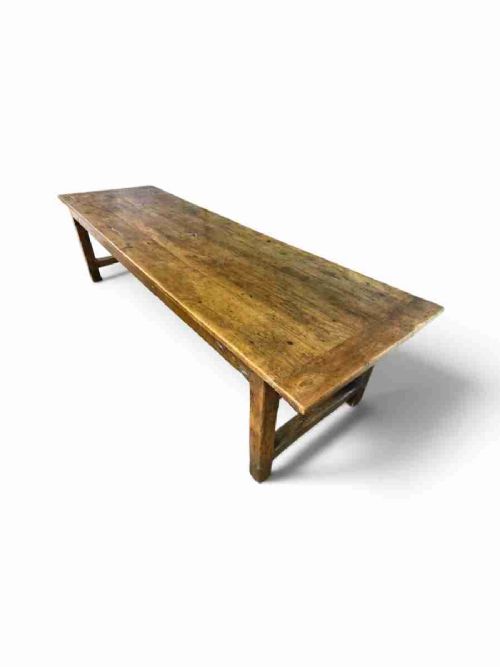
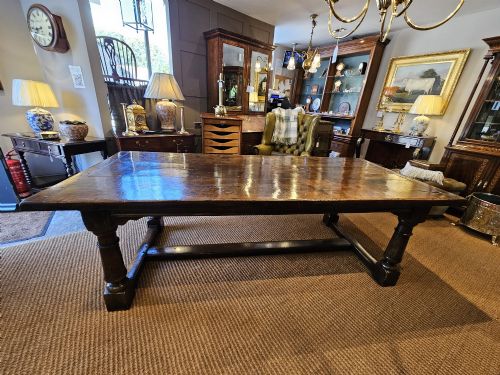
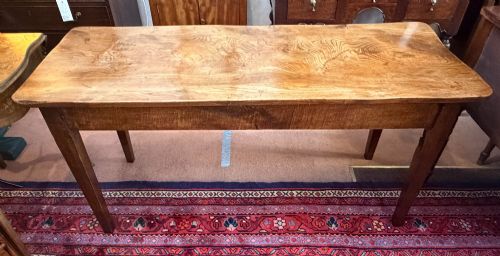
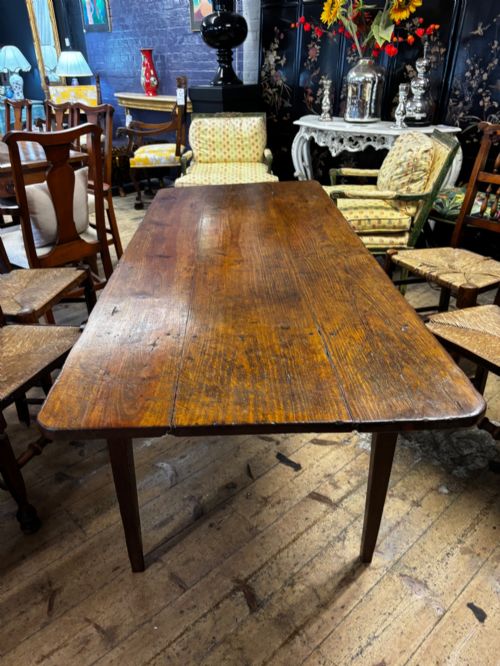
A traditional brown dining table anchors the room with dark timber, carrying the weight of centuries through sturdy legs and ample leaves.
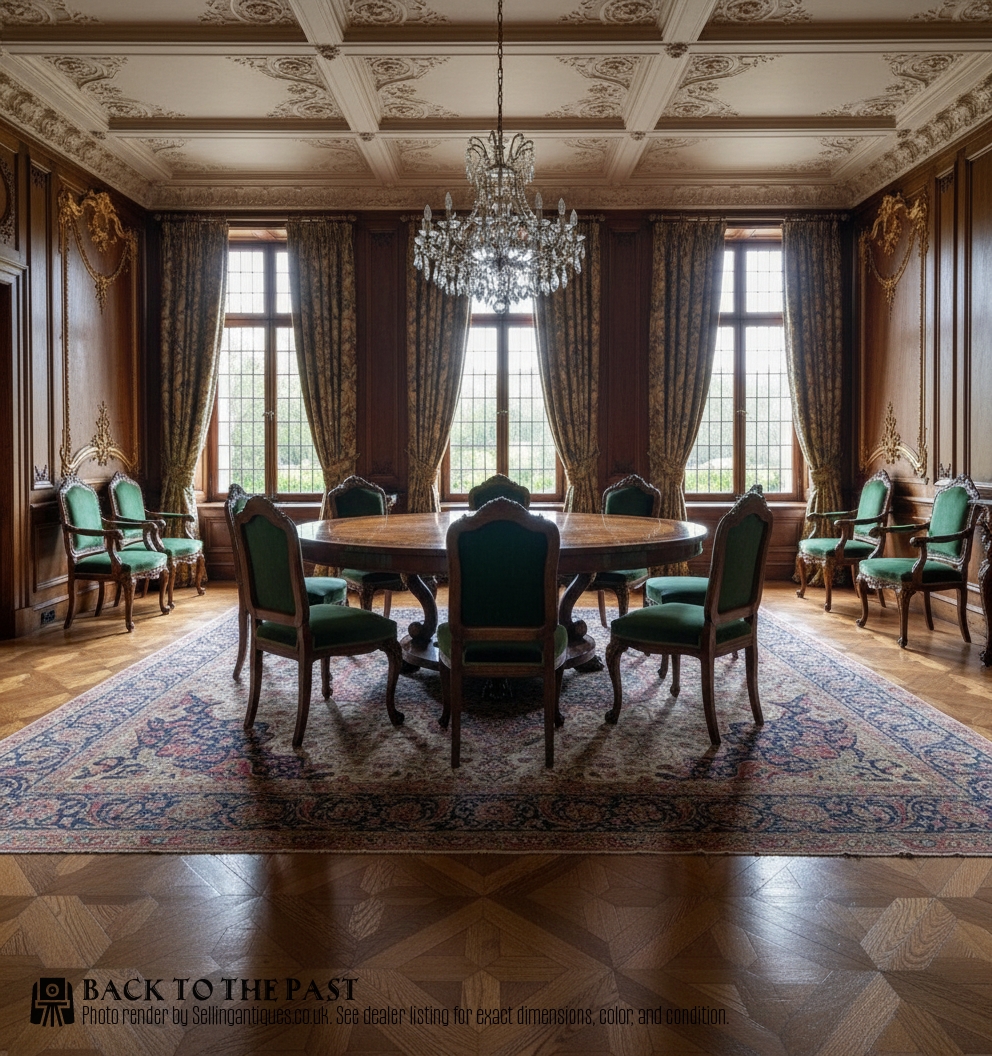
Traditional Brown Dining Table
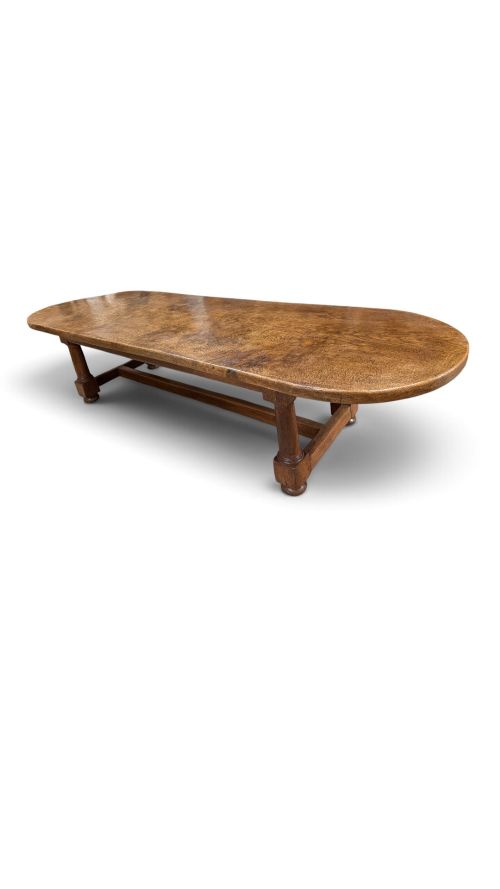
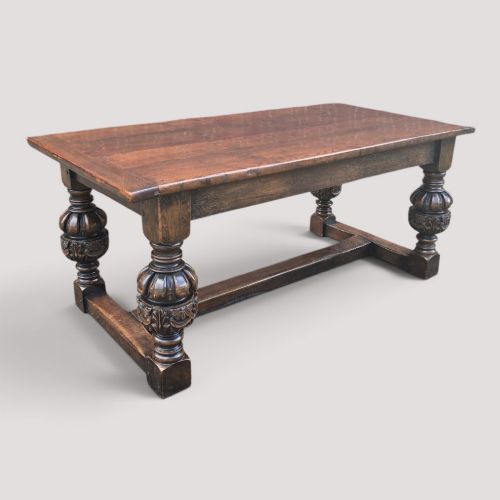
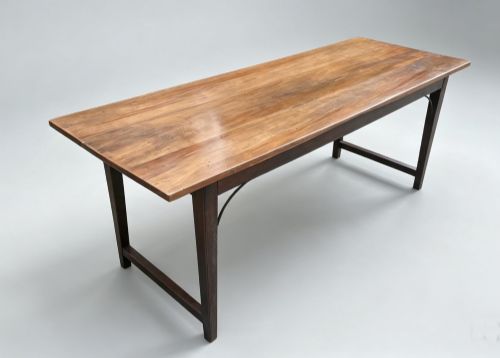
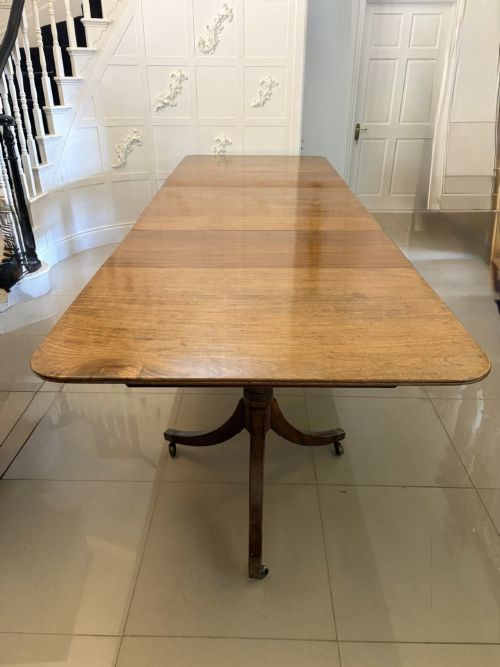
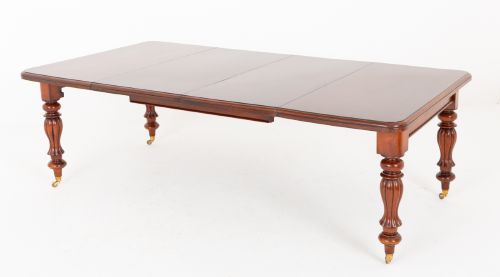
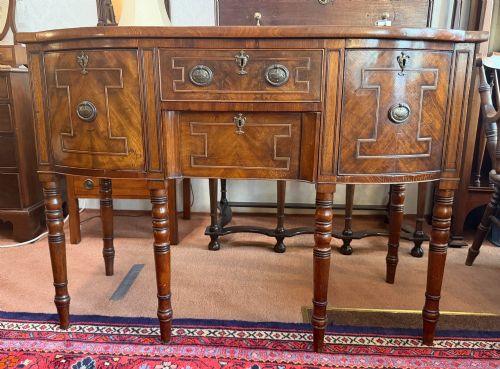
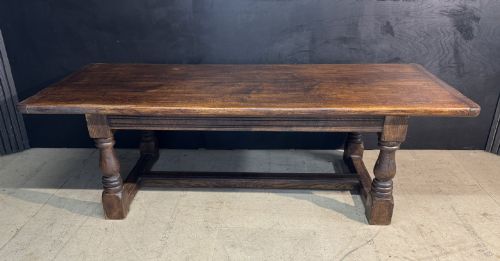
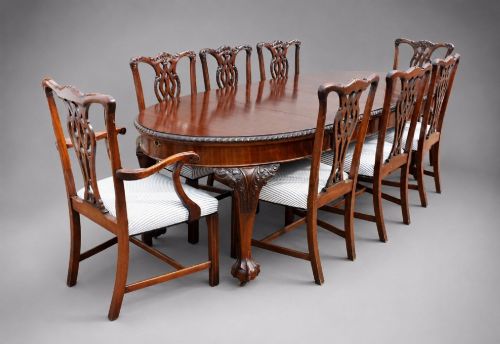
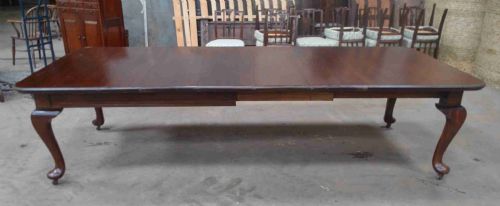
A traditional brown dining table brings warmth to the interior through rich natural timbers like oak and mahogany. You meet these pieces in forms ranging from compact gateleg frames to long refectory boards and pillar-supported extending formats.
The selections span eras from the 18th century through the Georgian, Victorian, and Edwardian periods into the early 20th century. Oak dominates the rustic farmhouse and refectory styles, while mahogany defines the grander pedestal and extending dining suites.
Distinctions in craftsmanship and finish
Quality rests in the selection of the timber and the integrity of the structural joinery. Tables featuring single-plank tops or highly figured mahogany display superior material selection compared to simpler constructed boards.
The smoothness of operating mechanisms on extending tables, from gateleg actions to multi-pillar winding systems, separates superior examples from more rudimentary builds. Original patination and untouched surface finishes elevate the standing of any piece significantly.
Listings feature solid oak and mahogany tables spanning from the 17th century through to the Edwardian era, incorporating walnut, fruitwood, and elm.
The Traditional Brown Dining Table Glossary
- Refectory table
- A long, narrow dining table traditionally used in monasteries and large halls, characterised by substantial legs connected by a central stretcher.
- Gateleg table
- A table with hinged leaves supported by swing-out legs that resemble a gate, allowing the surface to fold down compactly.
- Draw-leaf table
- An extending table featuring two concealed leaves beneath the main top that pull out from each end to increase surface length.
- Figured mahogany
- Mahogany timber displaying an attractive, rippled grain pattern prized for its decorative appearance on tabletops and sideboards.
- Barley twist
- A decorative turning technique resembling a twisted rope, frequently found on the legs of oak tables from the 17th and early 20th centuries.
Traditional Brown Dining Table: Frequently Asked Questions
How do I maintain a wooden dining table?
Clean the surface regularly with a soft, dry cloth to remove dust and prevent grit accumulation. Apply a quality beeswax periodically to nourish the timber and maintain its natural lustre.
Avoid placing wooden tables near direct heat sources or in strong sunlight to prevent warping and fading. Use heat mats and coasters to protect the polish from hot dishes and moisture rings.
How do extending dining tables operate?
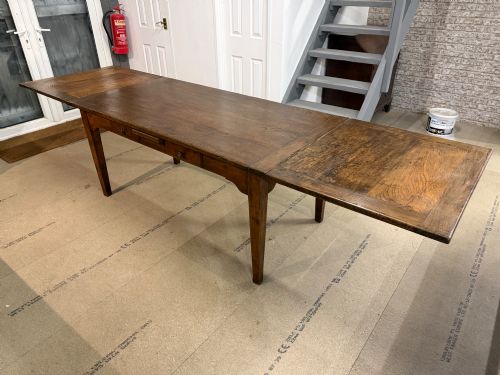
Extending tables generally utilise one of three systems: draw-leaves that pull from beneath the main top, drop-in leaves supported by a central runner, or pedestal bases that separate on tracks.
Older Victorian and Edwardian examples often employ a winding handle to open the framework for extra leaves. Ensure the tracks remain clean and lightly waxed so the mechanism moves smoothly.
How do I date an antique dining table?
Examine the construction methods beneath the top, looking for hand-cut joints, pegged tenons, or later screw mechanisms. Tool marks and timber types often reveal the period of manufacture.
Compare the style, such as barley twist legs or pedestal pillars, against known design eras. Secondary woods used in the underframe can also provide strong clues to the exact decade.