
Traditional Brown Desk
Traditional brown desk pieces combine rich timber surfaces and practical writing compartments, offering a solid workspace grounded in historical craftsmanship.
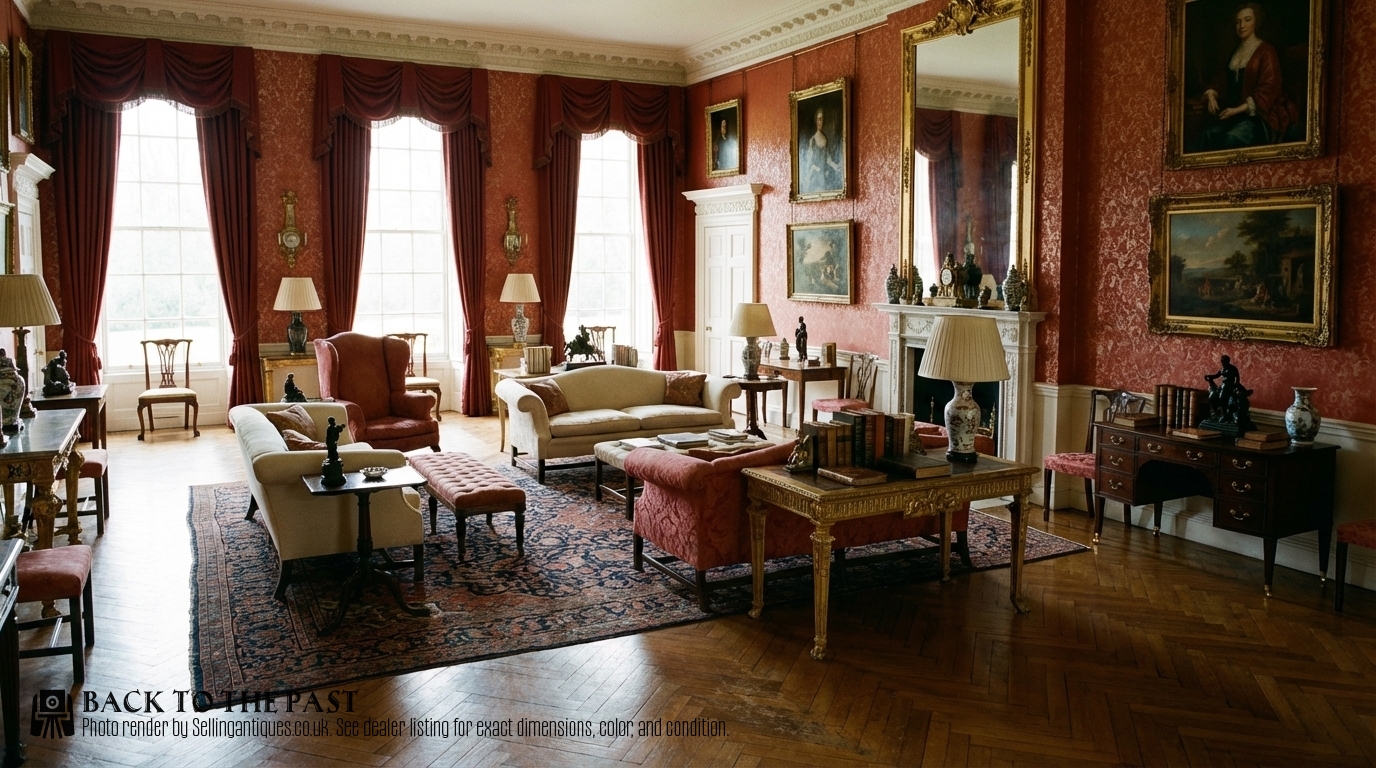
Traditional Brown Desk
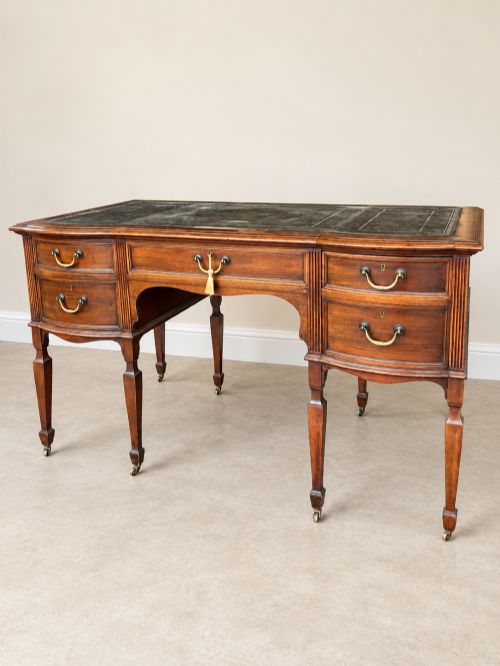
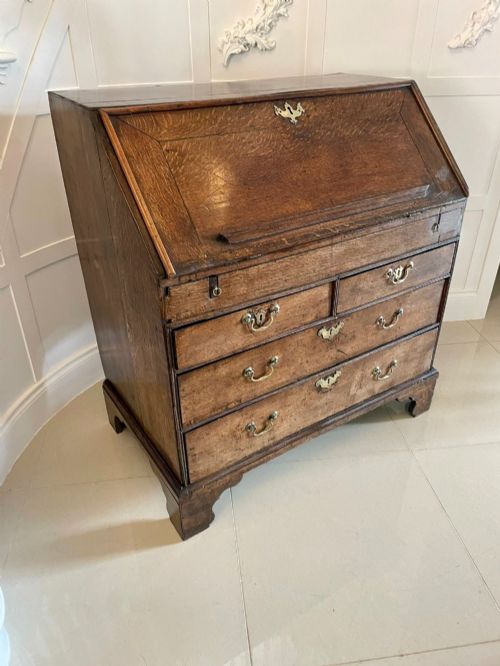
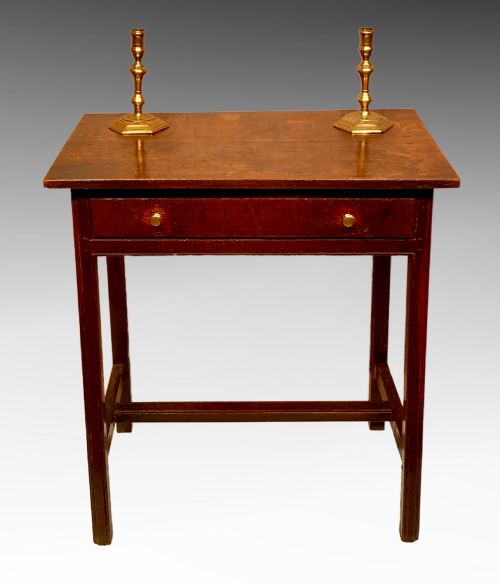
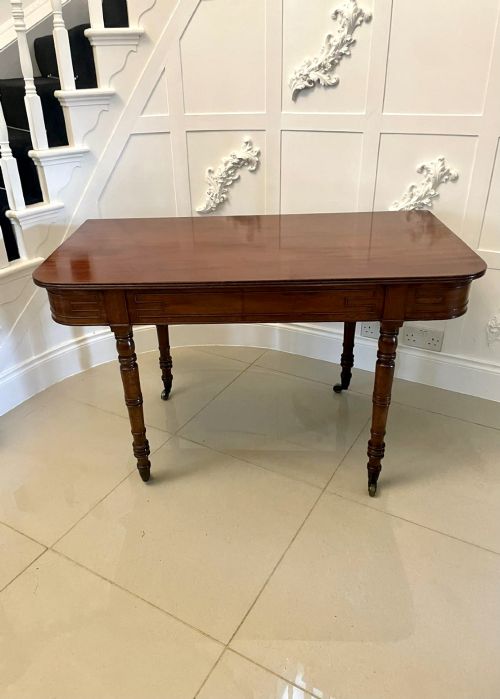
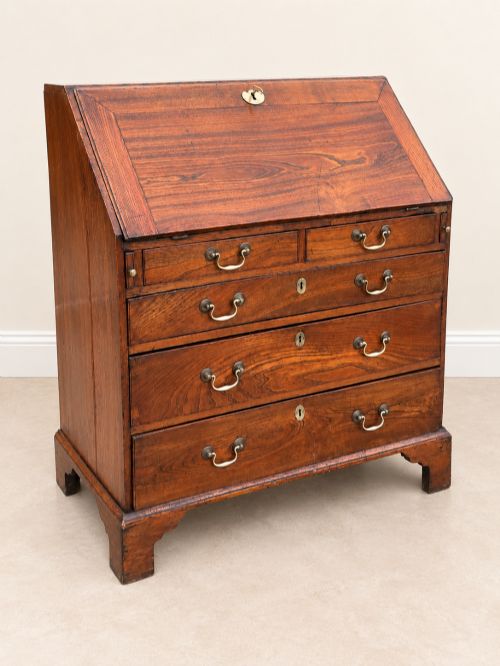
A traditional brown desk encompasses a range of historical writing furniture, spanning pedestal desks, kneehole desks, and drop-front bureaux originating from the Georgian, Victorian, and Edwardian eras. These pieces serve as functional workspaces equipped with fitted drawers, writing slides, and occasionally bookcase tops.
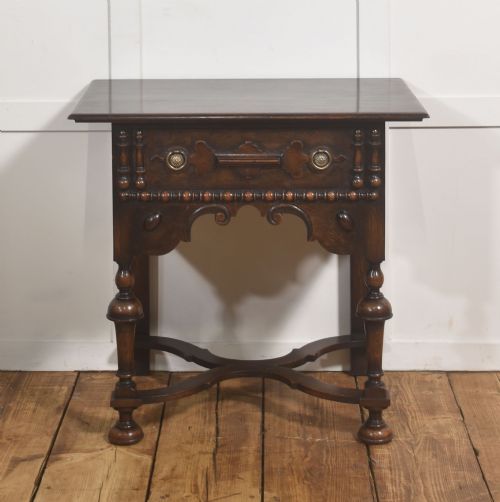
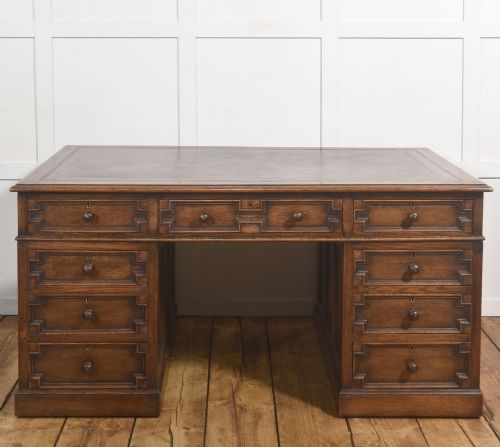
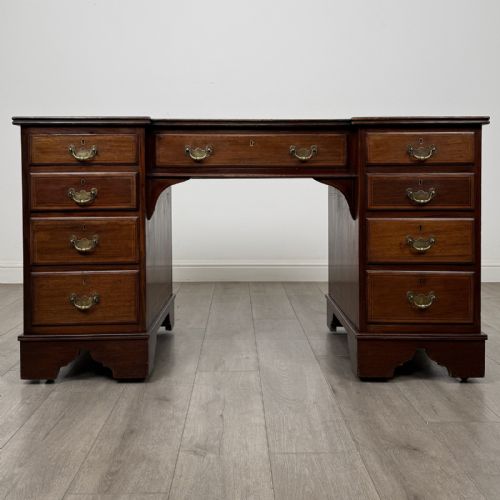
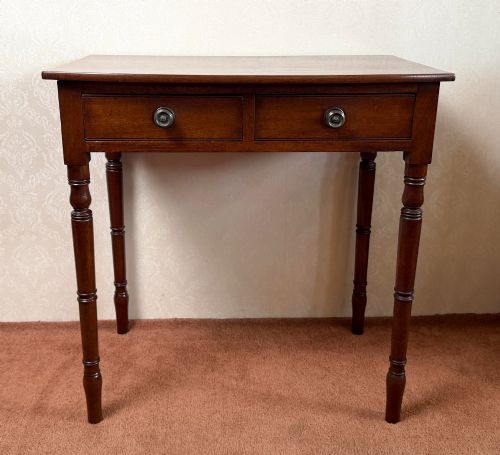
Pedestal desks in mahogany and oak dominate the available selection, often featuring panelled sides and inset leather writing surfaces. Alongside these large forms, smaller country pieces in elm, ash, and walnut provide compact writing solutions with regional character.
Materials and construction
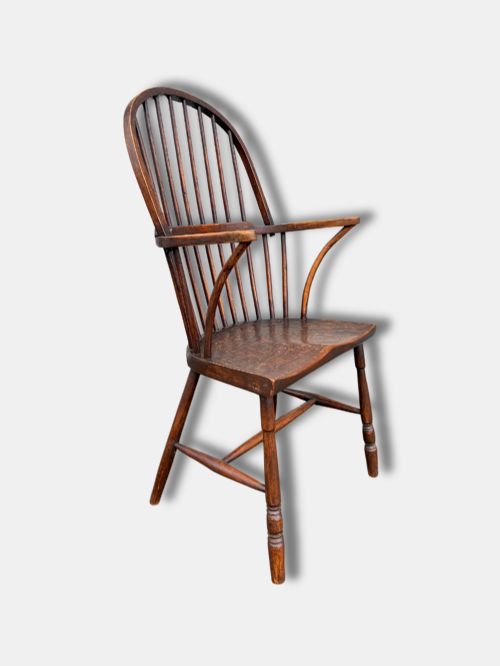
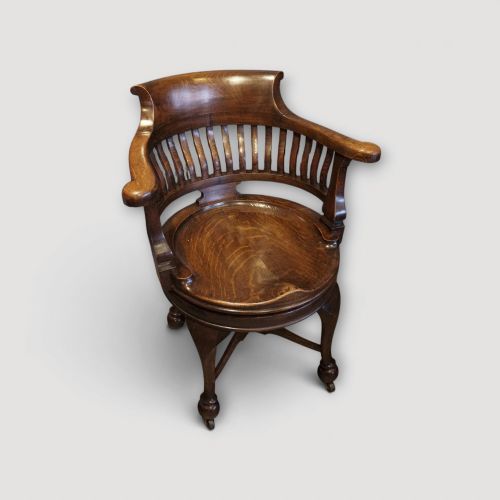
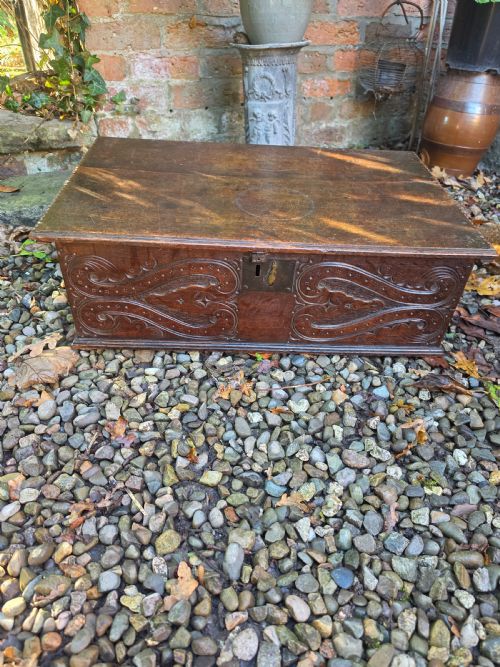
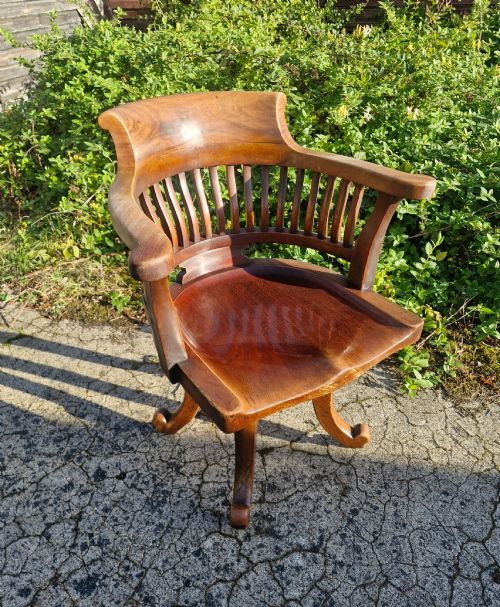
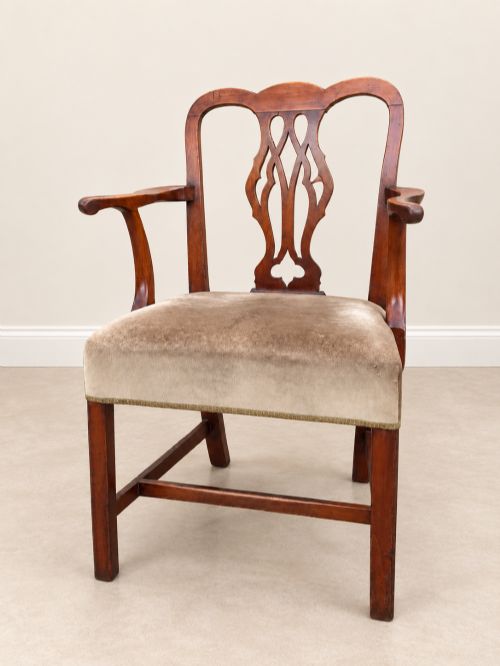
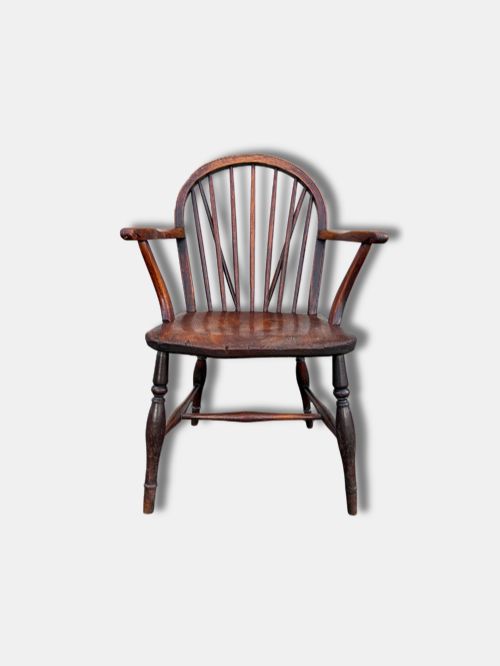
Cabinet makers utilised dense hardwoods such as mahogany, oak, walnut, and yew, frequently pairing them with secondary timbers like beech and elm for structural framing and chair components. Surfaces were shaped using solid boards or enhanced with figured veneers, then polished to highlight the natural grain of the wood.
Writing surfaces incorporated inset panels of leather, sometimes complemented by brass hardware for handles, escutcheons, and drawer pulls. Joinery relied on traditional methods including dovetailing for drawers and mortise and tenon joints for frames.
Several pieces include hidden stationery drawers designed to keep secret correspondence safely tucked away from prying eyes.
Craftsmanship and proportion
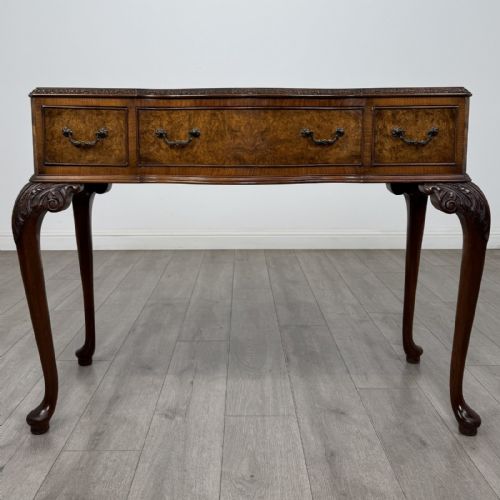
The standard of a traditional brown desk rests upon the selection of timber and the precision of its construction, particularly the neatness of drawer dovetails and the alignment of figured veneers. Finer examples display carefully matched grain patterns across the primary facades and retain original brass hardware and leather inserts.
Proportion and structural integrity distinguish superior pieces from utilitarian ones, with high-quality items offering smooth drawer operation and finished backs that allow freestanding placement. Lesser pieces may show heavy alterations or mismatched timber selections resulting from later repairs.
Trollope & sons
The Traditional Brown Desk Glossary
- Pedestal desk
- A heavy freestanding desk comprising two supporting banks of drawers beneath a central top.
- Bureau
- A writing cabinet featuring an angled flap that drops down to form a writing surface over a chest of drawers.
- Kneehole desk
- A compact desk with a central recess for the legs, flanked by single or multiple tiers of drawers.
- Tambour
- A flexible shutter made of narrow strips of wood glued to canvas, sliding in grooves to enclose desk compartments.
- Dovetail
- An interlocking joint formed by wedge-shaped fingers, used extensively in high-quality drawer construction.
Traditional Brown Desk: Frequently Asked Questions
What is a pedestal desk?
A pedestal desk is a large freestanding writing table supported by two vertical columns of drawers.
These columns hold a spacious top surface that frequently incorporates an inset leather writing panel and multiple smaller stationery drawers.
How do bureaux differ from desks?
Bureaux feature a sloping hinged front panel that folds down to reveal a fitted interior of small pigeonholes and hidden compartments.
Standard desks provide a fixed flat writing surface with drawers positioned underneath rather than behind a folding flap.
Which woods were used most?
Mahogany and oak form the primary structural timbers for larger pedestal desks across the Victorian and Edwardian periods.
Walnut, yew, and elm appear frequently on smaller writing tables and country pieces, bringing varied grain patterns to the surface.
How should I care for leather tops?
Leather writing surfaces require gentle cleaning with a slightly damp cloth followed by occasional treatment with specialist leather balms.
Avoid placing damp items or exposing the leather to direct sunlight to prevent cracking and fading of the material.