





Traditional British Wall Art
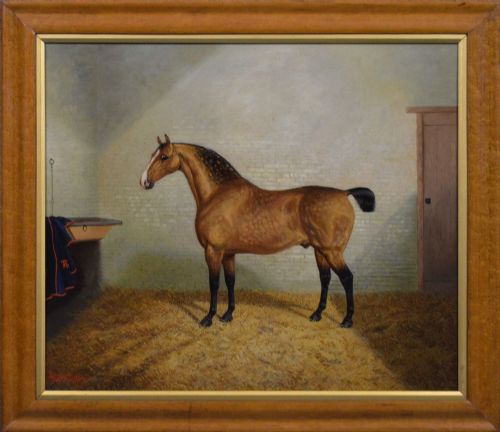
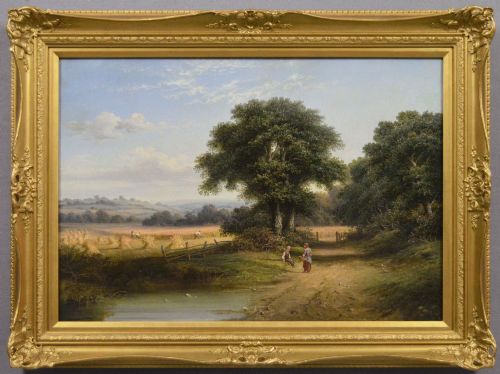
Traditional British wall art gathers oil paintings and watercolours that record rural landscapes, coastal harbours, and sporting scenes across the nineteenth and early twentieth centuries.
Traditional British Wall Art
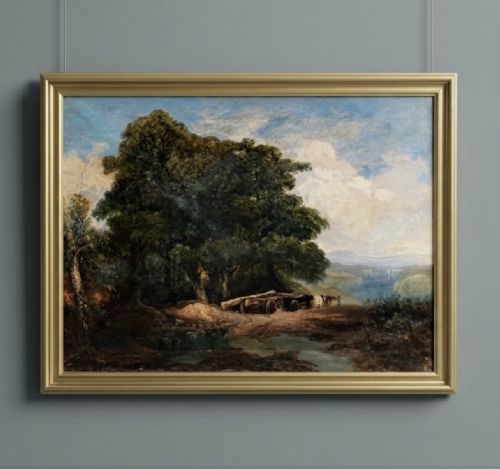
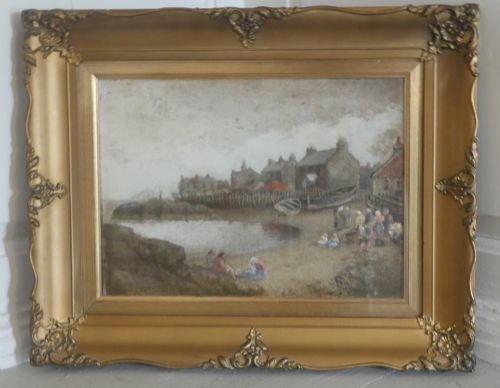
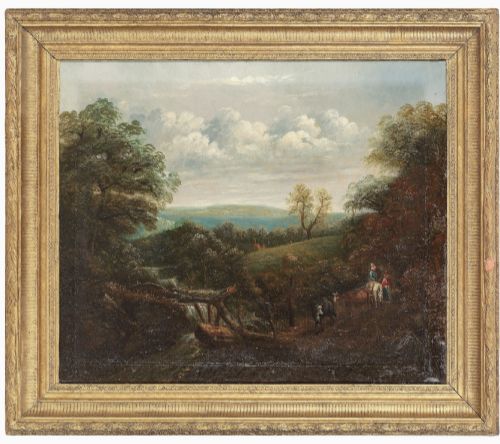
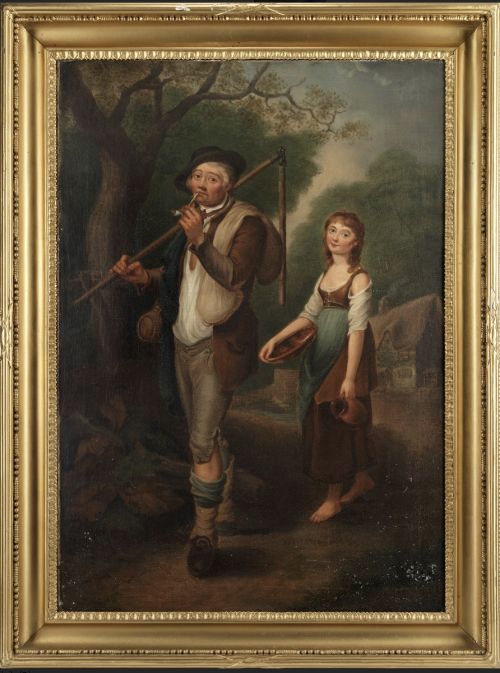
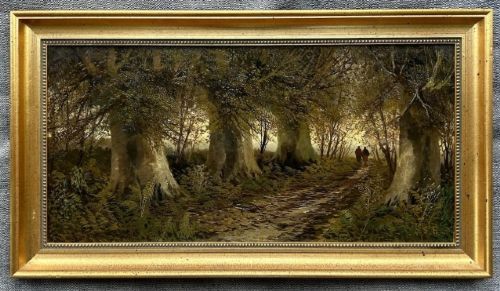
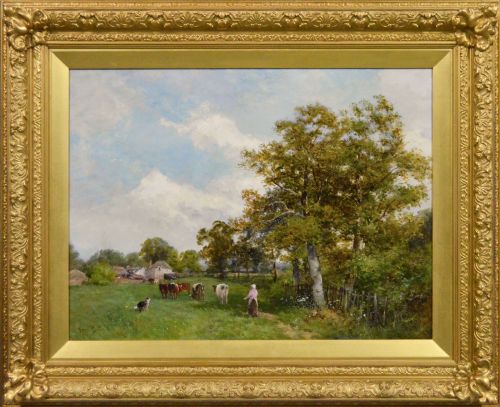
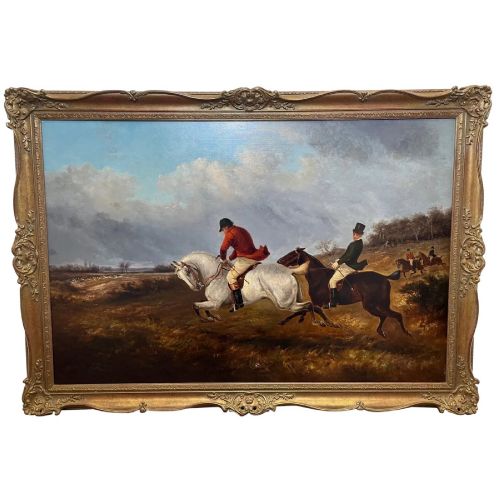
Traditional british wall art comprises framed oils and watercolours depicting pastoral vistas, maritime views, and rural genre scenes. These works capture the changing light over British rivers, woodlands, and highland valleys through successive decades of the nineteenth and twentieth centuries.
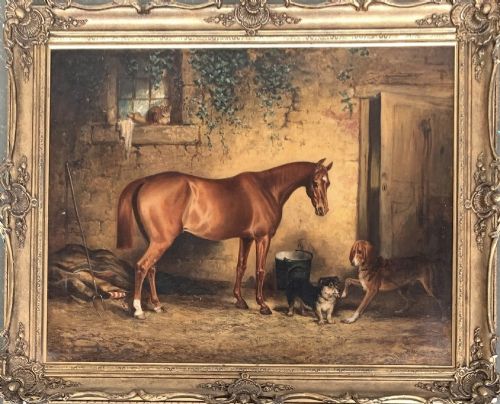
Buyers commonly encounter nineteenth-century landscape oils and Edwardian watercolours created by regional British schools and named artists. These pieces frequently show domestic livestock, agricultural harvests, coastal harbours, or equestrian subjects in detailed traditional styles.
How they were made
Makers applied oil paint or watercolour pigments onto prepared canvas, wooden panels, wooden boards, or heavy paper sheets. Works were secured within heavy frames constructed from wood and giltwood, often protected behind glass in the case of watercolours.
Artists utilised varied handling from fine brushwork in portraits and sporting studies to looser applications in impressionistic landscape views. Support materials range from stretched linen canvas to solid timber panels, accompanied by contemporary framing.
Listings span works dated from the late eighteenth century through the mid-twentieth century, recording British schools from Victorian pastoral to Edwardian realism.
What varies in quality
Distinction in these works rests upon the precision of draftsmanship, atmospheric depth, and the artist's ability to render natural light and texture. Finer examples display confident brushwork and balanced composition, whereas simpler pieces rely on formulaic arrangements.
The sophistication of the surface preservation and the integrity of the original support material significantly influence the character of each piece. Superior works retain their original pigments and framing materials without heavy restoration obscuring the hand of the maker.
Richard Sebastian Bond·William H Myers·Tom Campbell·Alfred Young Nutt·Percy Lancaster·John Horace Hooper·Edward Mills·William Banks Fortescue·Thomas Barker of Bath·Thomas W Lascelles·David Bates·Thomas Smythe·Albert Clark·Walter Heath Williams·John Smith Atherton·Thomas Creswick·Joseph H Barnes·George Wright·Ernest Payne·E Brown·Delapoer Downing·Vernon DeBeauvoir Ward·Robert Leslie Howey·T C Hofland·Henry Martin Pope
The Traditional British Wall Art Glossary
- Oil on canvas
- Pigments suspended in a drying oil applied to a woven fabric stretched across a wooden frame. This medium allows for rich blending of colour and varied surface textures.
- Watercolour
- A painting method where fine pigment powders are suspended in a water-soluble binder and applied to paper. It yields translucent washes that capture bright daylight.
- Giltwood
- Carved wood coated with a thin layer of gold leaf or metallic gilt powder. It forms the decorative ornamental frames common to nineteenth-century display pieces.
- Wood panel
- A flat solid timber support used by painters instead of canvas. It provides a rigid surface that withstands the application of dense oil paint.
- Genre painting
- The pictorial representation of scenes from everyday life involving ordinary people. These works often depict cottage interiors, street vendors, or children playing.
Traditional British Wall Art: Frequently Asked Questions
What subjects appear in traditional british wall art?
These works feature rural landscapes, coastal harbours, maritime views, and agricultural scenes. Many pieces also record domestic livestock, equestrian portraits, and figures near rivers or cottages.
The compositions reflect British regional topography, ranging from Welsh mountain passes to northern cathedrals and southern river valleys. Artists focused closely on the changing seasons and everyday rural labour.
How do I identify the period of a painting?
Dating relies upon recorded artist signatures, exhibition dates, framing styles, and the chosen support materials. Nineteenth-century works often utilise heavy giltwood frames and stretched canvas supports.
Later pieces from the Edwardian era and the twentieth century introduce different paper qualities and board supports. Comparing known dates of active painters provides the firmest chronology.
Where should I hang these artworks?
These traditional paintings suit period interiors, libraries, dining rooms, and hallways with traditional architectural detailing. The subdued tones of nineteenth-century landscapes complement natural wood furniture and neutral wall colours.
Direct sunlight should be avoided to prevent fading in watercolour pigments and oil varnishes. Stable indoor humidity protects both the canvas supports and the carved wooden frames.
What is the difference between oils and watercolours?
Oil paintings utilise pigments bound in drying oils on canvas or wood boards, producing rich textures and opaque surfaces. Watercolours employ water-soluble pigments on paper, creating lighter and more translucent images.
Watercolours generally require protective glass framing to guard the paper surface from moisture and dust. Oil works on canvas remain open to the room environment but benefit from occasional careful dusting.