


Traditional British Sporting Art
Traditional British sporting art records horses, hounds and field sports in oil paintings and watercolours from the nineteenth and twentieth centuries.
Traditional British Sporting Art
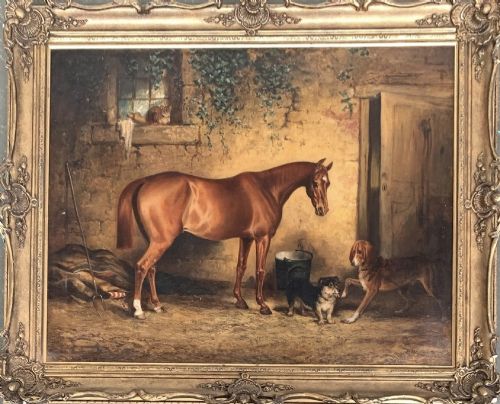
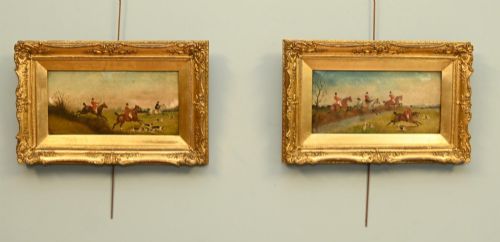
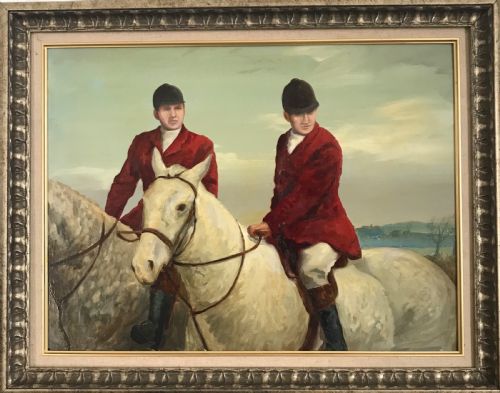
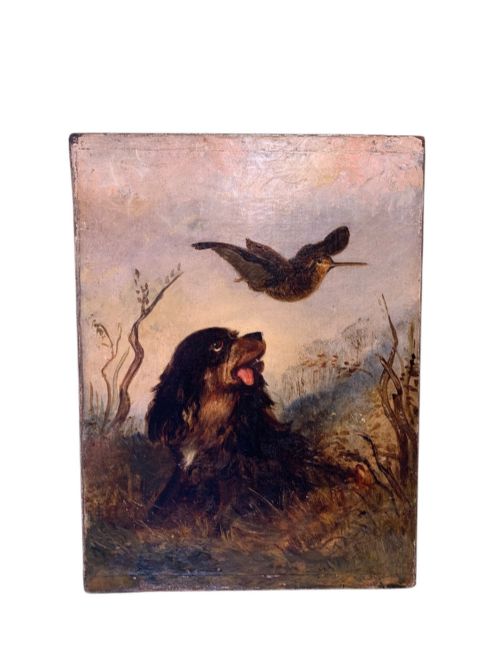
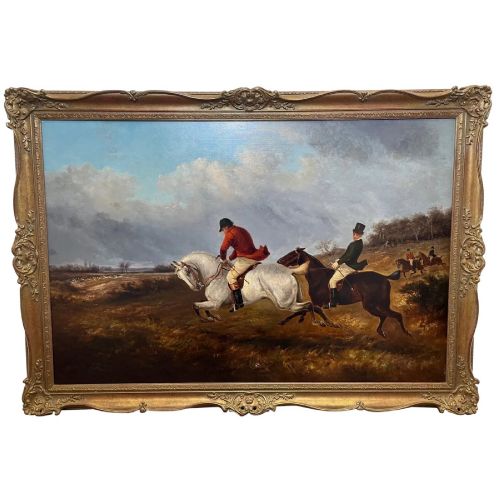
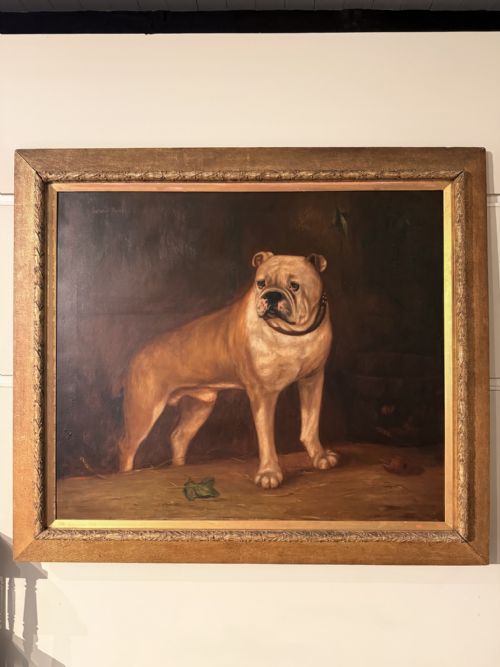
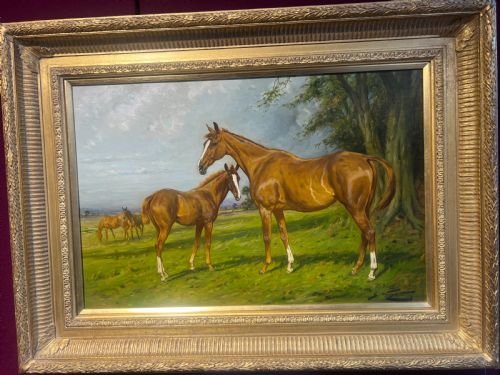
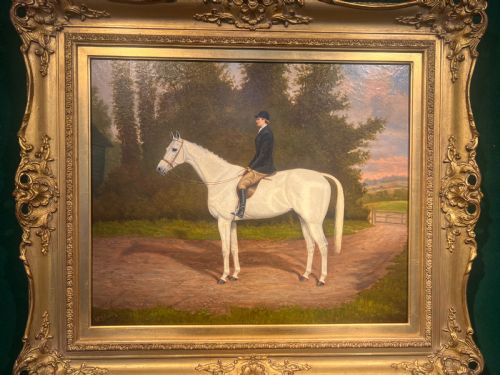
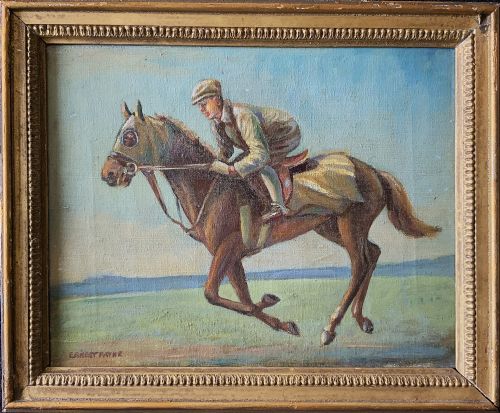
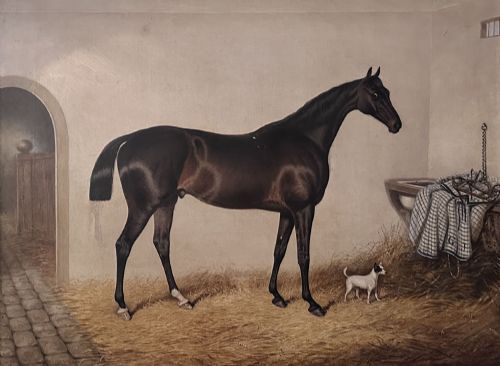
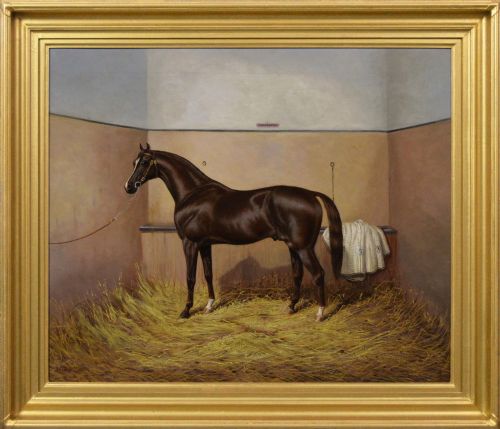
Traditional British sporting art captures the subjects of the hunt, horse portraits, racing scenes and shooting parties across the nineteenth and twentieth centuries. Buyers encounter framed oil paintings on canvas, watercolours on paper and period prints depicting hounds, hunters and coaching scenes.
The works span Victorian and Edwardian periods, recording the deep social and rural ties to equestrian and field sports through skilled brushwork. These pieces celebrate prized animals and historic hunts in rural landscapes, framed in original gilt wood.
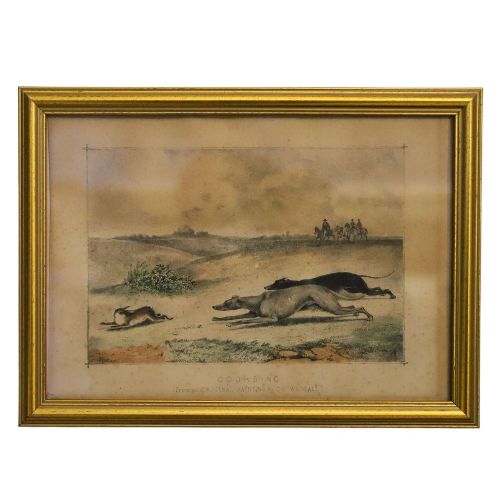
Most examples originate from British artists working in oils or watercolours, capturing the anatomy of horses and the dynamic movement of hounds in full cry. The category preserves a visual record of country life and sporting heritage.
How they were made
Artists painted primarily in oil on canvas or applied watercolour to paper, employing traditional pigments to capture natural light on horse coats and country landscapes. Canvases are stretched over wood frames and frequently housed in ornate giltwood surrounds.
Prints from the period utilise lithography or engraving techniques to reproduce original drawings and watercolours for a broader audience of sporting enthusiasts. Framing materials typically include glass to protect paper works and heavy gilt wood for oils.
Listings feature oil paintings on canvas and watercolours on paper spanning the nineteenth and twentieth centuries.
What varies in quality
Quality rests upon the artist's command of animal anatomy, particularly the complex muscle structure and proportions of horses and hounds. Superior works convey convincing movement and individual character rather than rigid, formulaic poses.
The handling of background landscapes and atmospheric light distinguishes accomplished hands from routine studio production. Original gilt framing and signatures from established practitioners elevate the standing of a piece within the field.
Henry Barraud·Thomas Smythe·George Wright·William Albert Clarke·Ernest Payne·John Arthur Lomax·William Barraud·Philip Henry Rideout·George Armfield·Alfred Grenfell Haigh·Abraham Cooper·Charles Johnson Payne·Heywood Hardy·George Goodwin Kilburne·John Atkinson·Thomas Ivester Lloyd·John Nost Sartorius·Sam Howitt
The Traditional British Sporting Art Glossary
- Bay
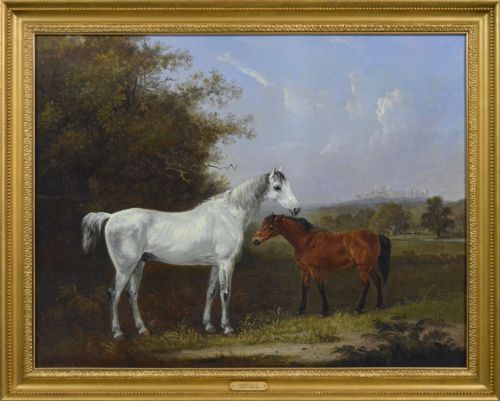
- A horse colour characterised by a reddish-brown body with a black mane, tail and lower legs. This coat colour appears frequently in nineteenth-century equine portraiture.
- Lithography
- A printing technique using a flat stone or metal plate on which image areas are greasy and non-image areas ink-repellent. Artists utilised this process to distribute popular sporting prints.
- Giltwood
- Wood carved and covered with a thin layer of gold leaf or metallic gilt paint. Period frames utilise this material to accent oil paintings.
- Watercolour
- A painting method in which the paints are made of pigments suspended in a water-based solution. Artists applied these mediums to paper for detailed sporting scenes.
Traditional British Sporting Art: Frequently Asked Questions
What subjects appear in traditional british sporting art?
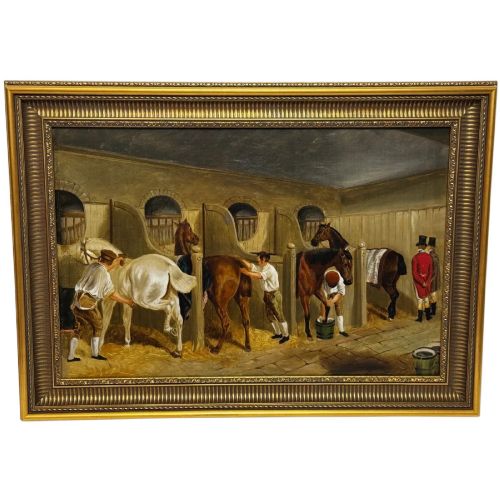
The works depict racehorses, hunters in stables, fox hunting sequences, coaching scenes and shooting parties.
Hounds and rural landscapes form the primary backdrops for these equestrian subjects.
How do I date a nineteenth-century painting?
Dating relies on costume details, framing styles, artist signatures and canvas stamps from period suppliers.
Oil paintings from the Victorian era often feature heavy gilt frames and specific pigment signatures.
Where should I hang these artworks?
These framed canvases and watercolours suit studies, libraries and hallways with traditional interior decor.
Direct sunlight should be avoided to protect oil paint and paper from fading over time.
Are watercolours as durable as oils?
Watercolours on paper require glass protection and stable humidity levels to prevent degradation of the medium.
Oil paintings on canvas tolerate ambient conditions better but still benefit from climate control.