



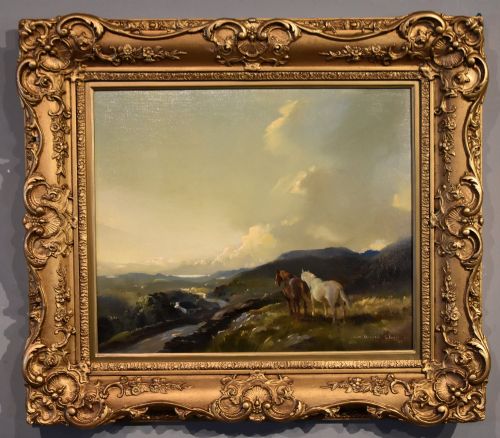
Traditional British Countryside Painting
When you search for a traditional british countryside painting, you enter a pastoral world of rivers, cottages and grazing livestock preserved through oil and watercolour.
Traditional British Countryside Painting
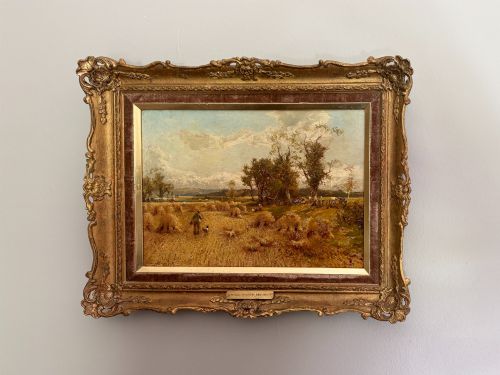
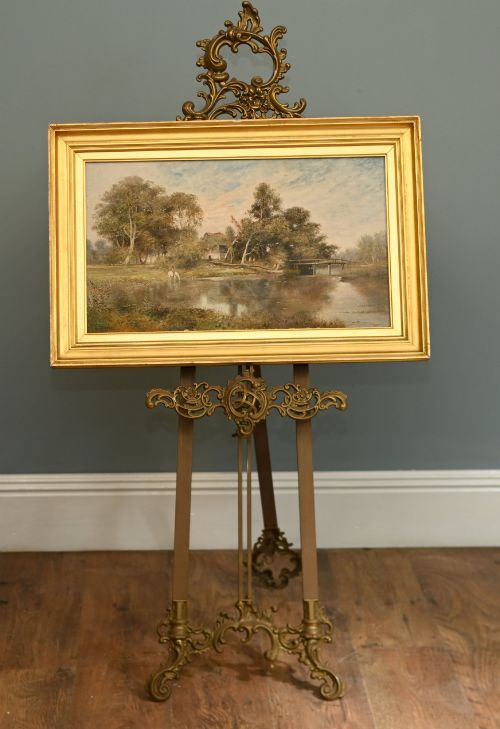
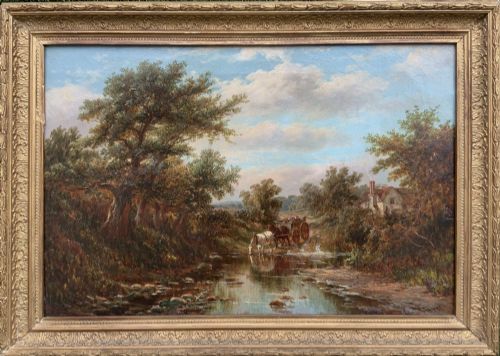
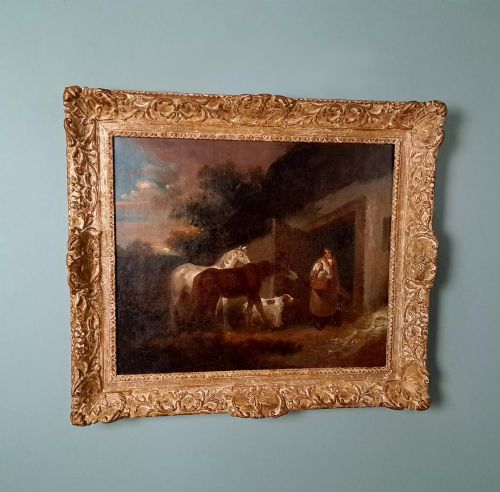
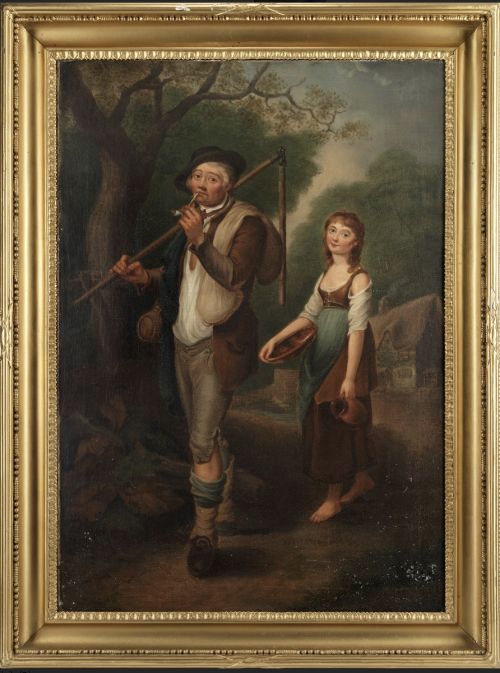
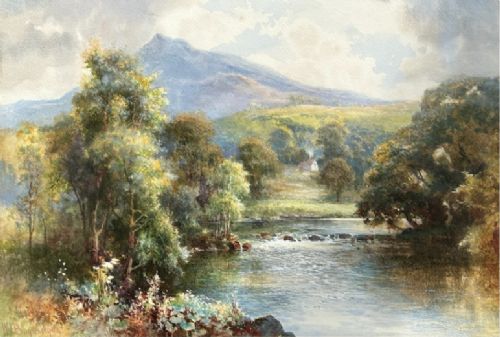
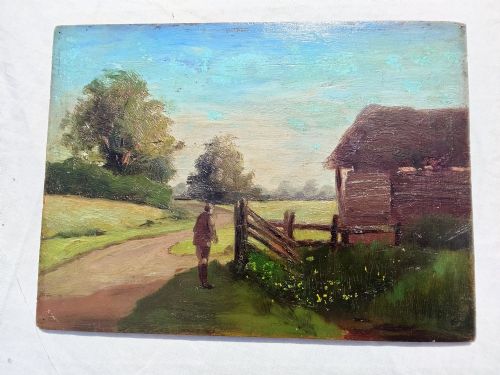
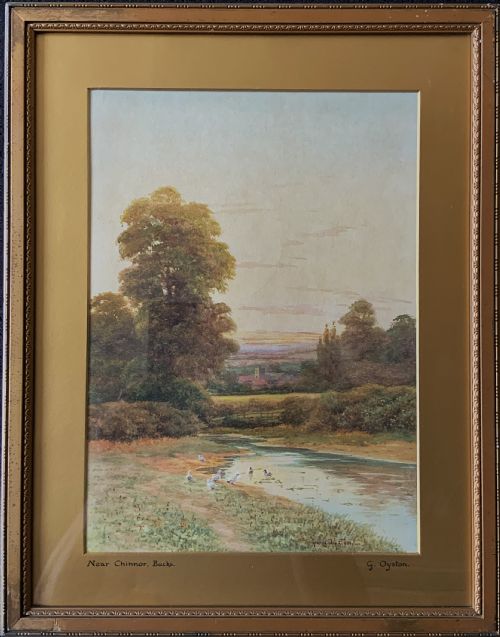
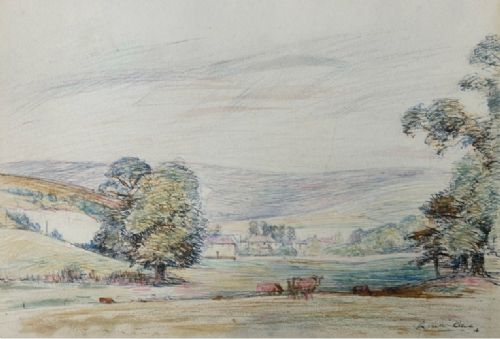
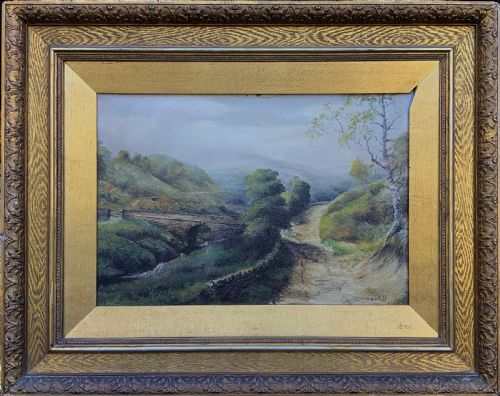
A traditional british countryside painting captures rural life, topography and pastoral scenes across the nineteenth and twentieth centuries. These artworks depict river valleys, coastal counties, farmyards and upland pastures through the lenses of the Victorian, Edwardian and early modern eras.
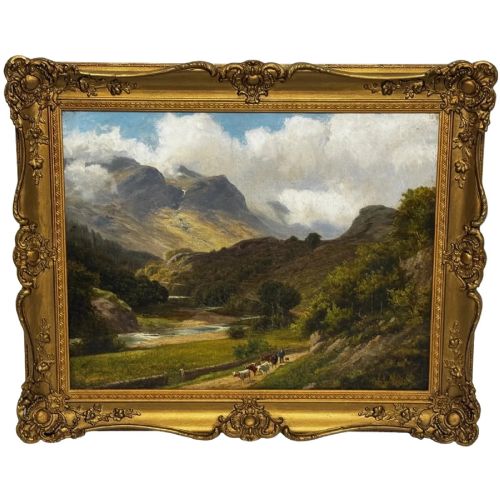
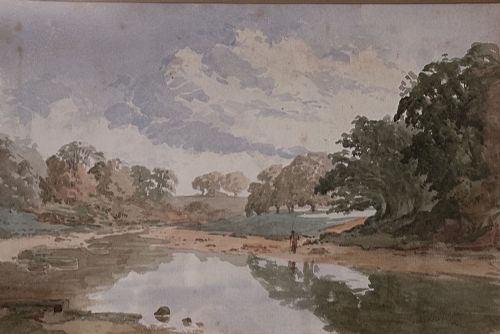
The most common examples on this page are oil paintings on canvas or wood panel and watercolours on paper, framed in gilt or wood. They range from intimate watercolour studies of Welsh rivers to large oil landscapes showing sheep, cattle and figures at work in rural shires.
Makers and regional painters documented specific localities, from Dartmoor and the North Tyne to the banks of the Stour and the Cotswolds. The tradition encompasses English School compositions alongside British Impressionism and Victorian pastoral aesthetics.
How They Were Made
Artists applied oil paint or watercolour onto prepared canvas, wooden boards, wood panels or paper sheets. Canvases and wood panels received priming layers to hold the oil medium, while watercolours utilised paper supports to absorb diluted pigments.
Frames combined wood and gilt elements, often original to the period, protecting the edges of the canvas or paper. Brushwork varied from tight academic realism to looser impressionistic strokes that captured atmospheric light and weather.
Several cows make repeat appearances across Welsh river valleys and English pastoral fields.
What Varies in Quality
Quality rests upon the confidence of the brushwork, the handling of light and shadow, and the artist's command of atmospheric perspective. Superior works convey the palpable atmosphere of an English river valley or Welsh upland rather than relying on formulaic formulas.
The integration of figures, livestock and architecture into the surrounding landscape determines the compositional success of the piece. Materials also contribute, as original giltwood frames and stable canvas or wood panel supports preserve the integrity of the painting.
Richard Sebastian Bond·William H Myers·George Graham·William Joseph Shayer Senior·Thomas Barker of Bath·William Joseph Boyes·David Bates·George Oyston·Russell Sidney Reeves·Vernon DeBeauvoir Ward·John Horace Hooper·Hubert Wellington·Owen Bowen·Charles Walter Simpson·Henry Charles Fox·William Henry Mander·Herbert Royle·John Sanderson Wells·Reginald Grange Brundrit·Fred Lawson·Frederick Septimus Lewis·William Hoggatt·Alfred Augustus Glendening Jnr·William Sydney Cooper·Thomas Spinks
The Traditional British Countryside Painting Glossary
- Oil on Canvas
- A painting technique where oil-based pigments are applied to a woven fabric stretched across a wooden frame.
- Watercolour Painting
- An artwork created using water-soluble pigments applied to paper, known for its translucent qualities.
- Giltwood
- Wood carved and coated with a thin layer of gold leaf, commonly used for traditional picture frames.
- British Impressionism
- A late nineteenth and early twentieth-century painting style focusing on light, loose brushwork and everyday rural subjects.
- English School
- A collective term for artists born or working mainly in England, spanning academic, pastoral and landscape traditions.
Traditional British Countryside Painting: Frequently Asked Questions
How do I date a landscape painting?
Dating relies on stylistic evidence, artist signatures, clothing worn by figures, and the construction methods of the canvas or frame. Records of an artist's active years provide a reliable bracket for creation.
Material analysis of the wood panel or canvas stretcher can also confirm the period of manufacture when signatures are indistinct.
What is the difference between oil and watercolour?
Oil paint utilises a drying oil binder that allows for thick impasto textures and gradual blending over days. Watercolour uses water-soluble binders on paper to produce luminous, transparent washes.
Oils generally require canvas or wood supports, whereas watercolours need paper and protective glass framing.
Where should I hang a rural landscape?
Rural landscapes suit traditional or transitional living spaces where natural light enhances the muted greens, browns and golds of the palette. Avoid direct sunlight to protect pigments from fading over time.
Pairing the painting with traditional timber furniture or simple wall colours helps integrate the artwork into the room.
What do regional subjects tell us?
Regional titles record specific topographical locations, identifying local rivers, farms and counties across Britain. They reflect the nineteenth-century taste for local scenery and rural topography.
Such details help historians trace the movements of plein-air painters working outside urban studios.