
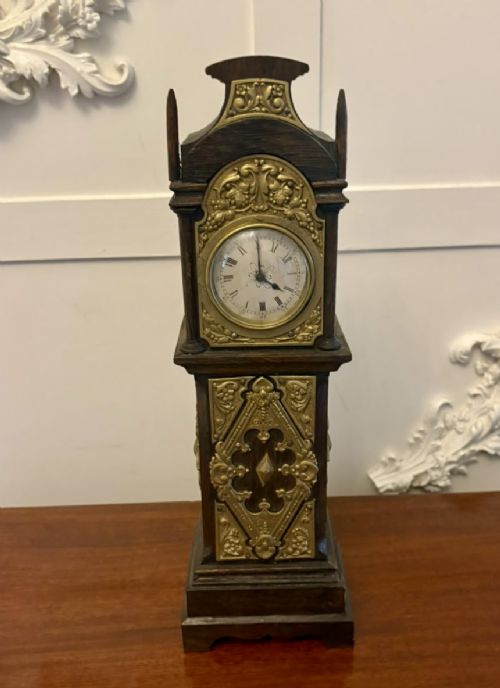
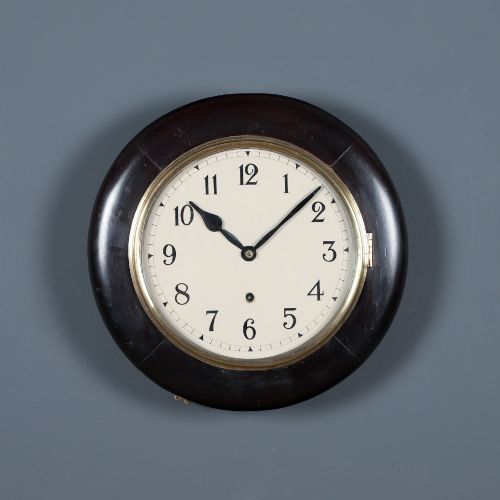
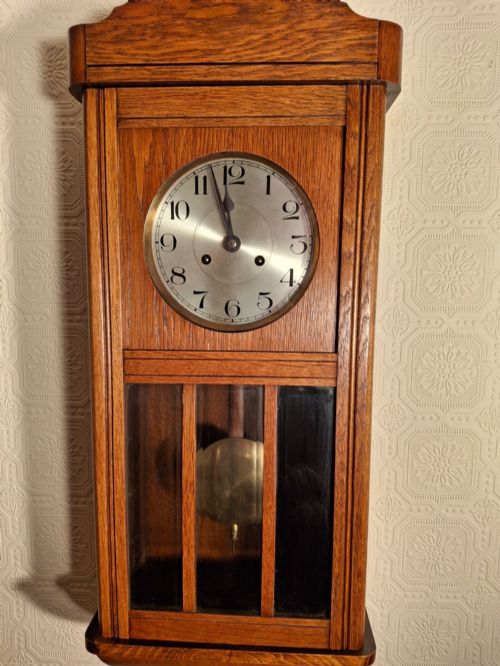
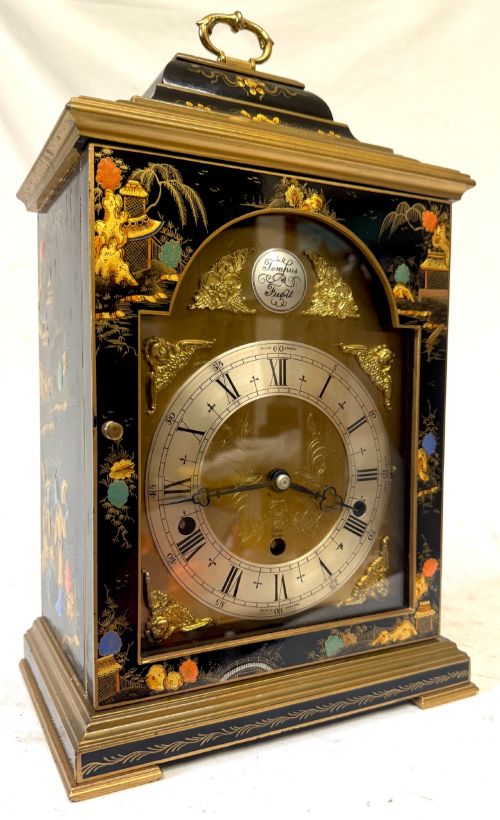
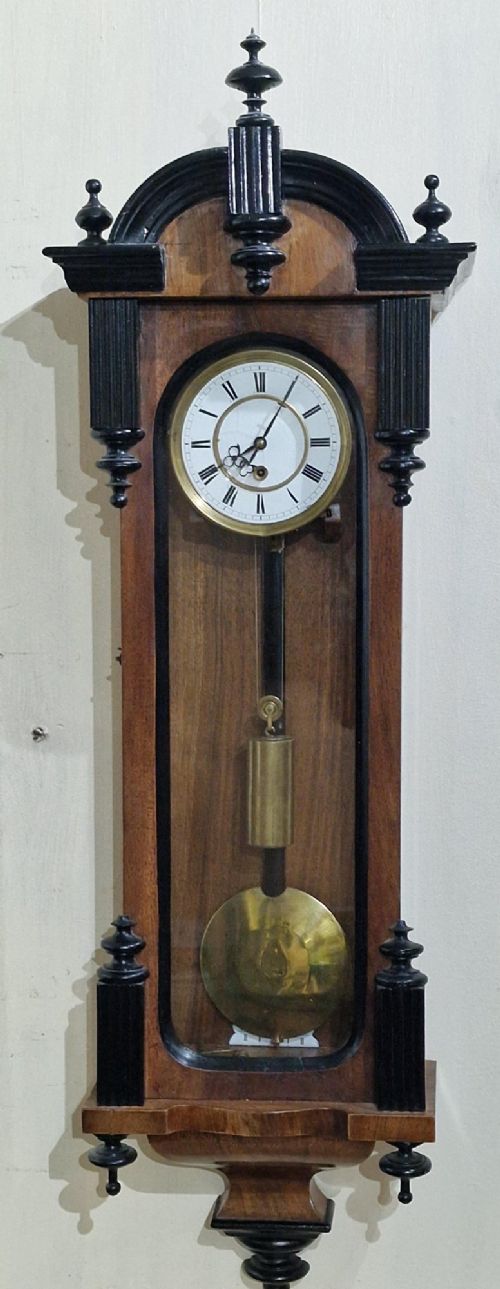
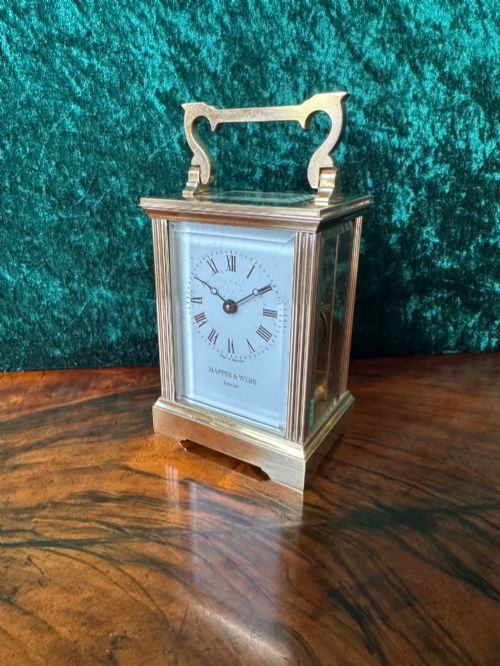
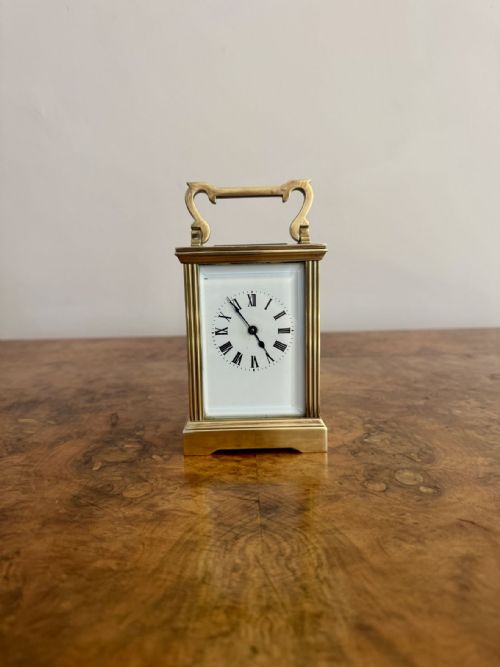
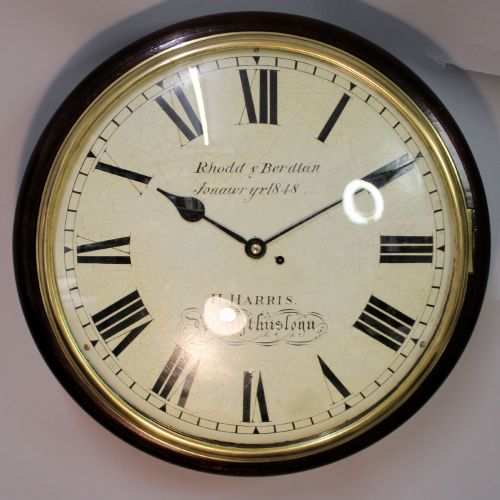


Traditional Brass Timepiece
A traditional brass timepiece brings measured weight and bright metal into a room through clockwork built to last generations.
Traditional Brass Timepiece
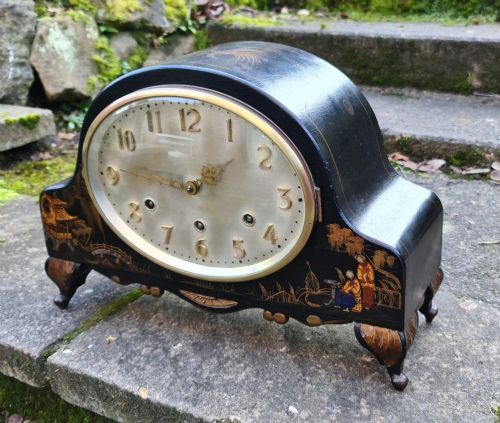
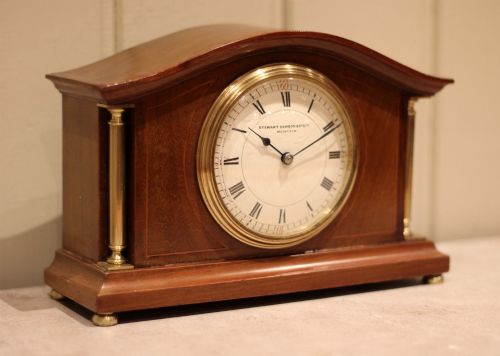
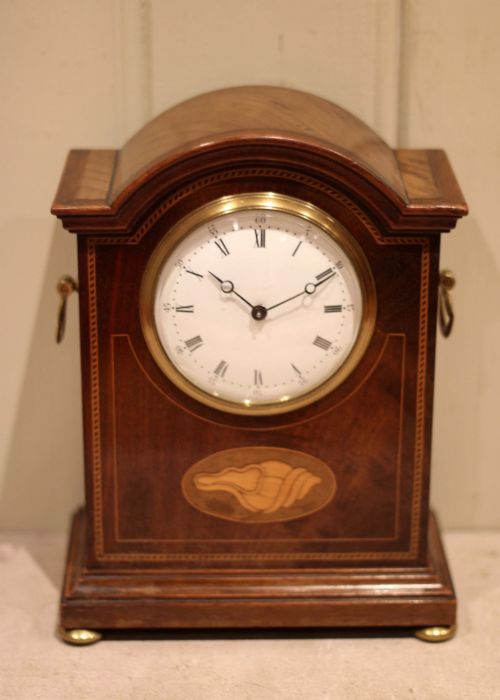
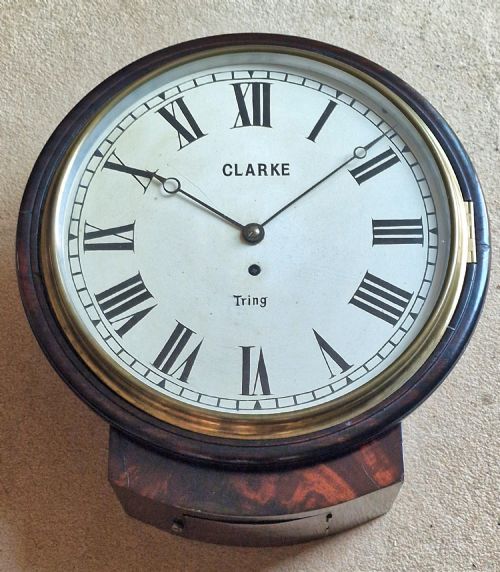
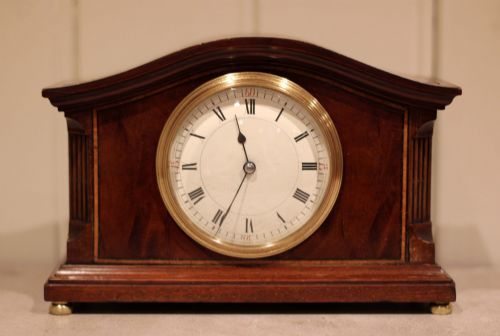
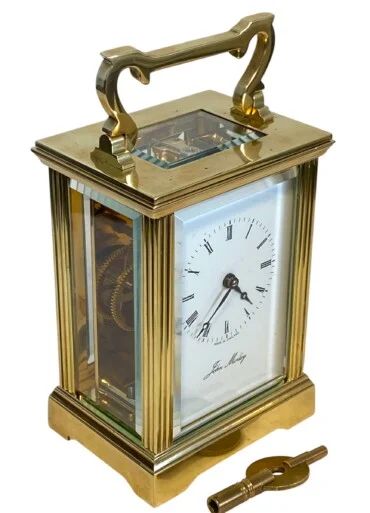
A traditional brass timepiece is a mechanical clock designed to keep the hours with visible metal framing, dial surrounds, and cast fittings. When searching for a traditional brass timepiece, buyers encounter a variety of forms ranging from heavy carriage clocks to large dial wall clocks.
The pieces listed span the Victorian era, the Edwardian period, and the nineteenth century, alongside later twentieth-century interpretations. Most examples appear as compact carriage clocks with glass panels or as dial wall clocks intended for domestic or public rooms.
Makers and regional makers from London, Edinburgh, and provincial towns left their signatures upon dials and movements. Brass combines with mahogany, oak, walnut, glass, and enamel to form cases that house the escapements and gear trains.
How they were made
Makers built these clocks using solid brass for movements, bezels, and handle fittings, often pairing the metal with timber cases made from mahogany, walnut, or oak. Glass panels protected delicate dials and allowed a clear view of the interior escapement.
Enamel dials provided a crisp white surface for painted Roman or Arabic numerals, while fusee and spring-driven movements regulated the time through pendulum or balance wheel mechanisms. Cabinetmakers shaped the wood housings with inlays, lacquer, or simple polished finishes.
Listings feature brass combined with glass, enamel, mahogany, walnut, oak, iron, and steel across multiple centuries.
What varies in quality
Quality rests in the crispness of the brass casting, the depth of the engraving on the dial backplate, and the weight of the case components. Better examples display hand-finished movement plates and high-grade timber veneers that remain stable over decades.
The clarity of the enamel on the dial and the precision of the cut steel hands separate standard production clocks from master-signed London or provincial pieces. Maker attribution on the dial plate also elevates the standing of an individual clock.
George Clarke·Henry Harris·John Spershott·Webster Cornhill London·John Morley·Tiffany·Grey of Edinburgh·Winterhalder Hofmeier·Jas Whitelaw·John Wilson
The Traditional Brass Timepiece Glossary
- Carriage clock
- A portable spring-driven timepiece fitted with a carrying handle and glass panels. These were originally designed for travellers during the nineteenth century.
- Fusee
- A conical pulley connected to a chain or cord that equalises the declining power of the mainspring as it unwinds. This mechanism ensures even timekeeping throughout the power reserve.
- Dial clock
- A wall-mounted clock featuring a prominent circular face enclosed by a wooden or brass surround. They are commonly found in offices, hallways, and stations.
- Lantern clock
- An early brass chamber clock of box-like shape supported on feet with a bell on top. They represent some of the earliest domestic mechanical clocks made in Britain.
- Bracket clock
- A portable table or shelf clock originally built with a sturdy handle for carrying between rooms. Later Victorian and Edwardian versions often dropped the bracket feet while retaining the name.
Traditional Brass Timepiece: Frequently Asked Questions
How do I wind a carriage clock?
Use the matching key on the winding arbor located on the underside or backplate of the movement. Turn it gently until resistance is felt, taking care not to overwind the mainspring.
Keep the clock upright while winding to avoid disturbing the balance wheel or suspension spring inside.
Where should I place a dial wall clock?
Mount the clock on a solid interior wall at eye level where temperature fluctuations are minimal. Avoid placing it near exterior doors or direct heat sources that affect wood and metal.
Ensure the wall bracket or mounting screw fastens securely into a stud or solid masonry to support the weight of the case.
How do I clean a brass clock case?
Dust the brass surfaces regularly with a soft, dry microfibre cloth to prevent the accumulation of airborne grime. Avoid harsh chemical polishes that can strip away original patination or damage adjacent wood.
Consult a professional horologist if the movement itself requires cleaning or oiling to maintain proper timekeeping.
What is the difference between a timepiece and a striking clock?
A timepiece indicates the hours and minutes only without any additional mechanical trains for sounding bells or gongs. This simpler mechanism requires fewer gear wheels and less maintenance.
A striking clock includes an extra gear train driven by a separate spring or weight that sounds the hours or quarters on a bell or rod.