






Traditional Brass Spark Guard
These traditional brass spark guard pieces are practical hearth barriers designed to catch embers, combining polished frames with wire mesh for safety.
Traditional Brass Spark Guard
A traditional brass spark guard sits before the hearth to protect the room from escaping embers and ash. The selection here spans Victorian, Edwardian, and Regency periods, alongside pieces dated across the nineteenth and early twentieth centuries.
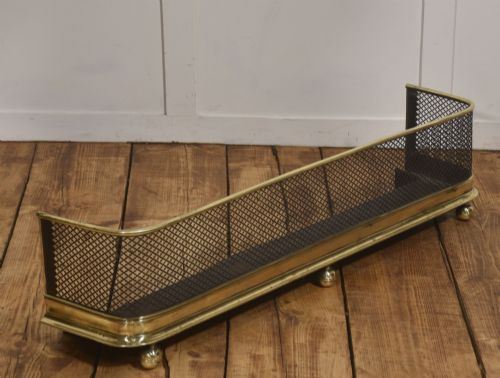
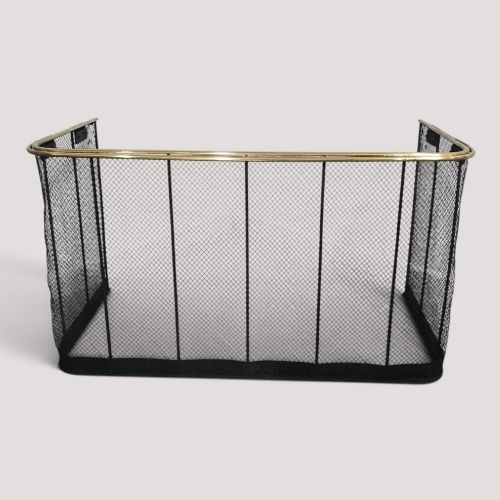
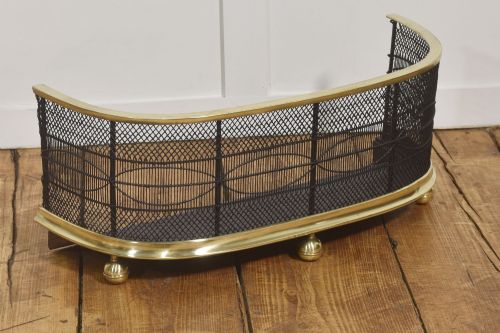
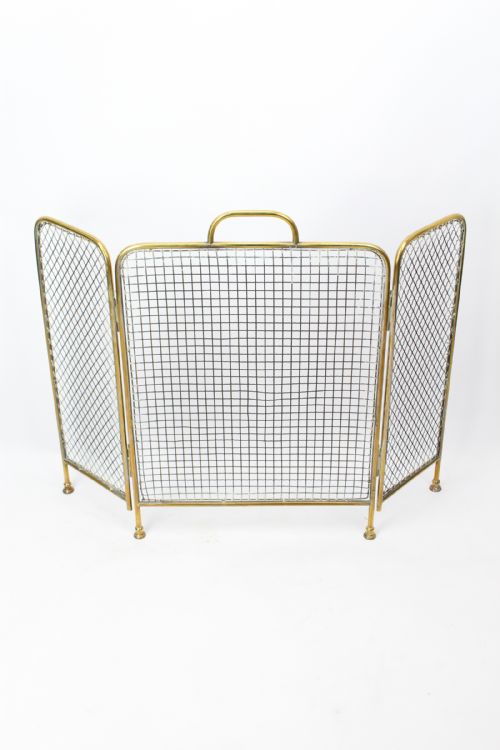
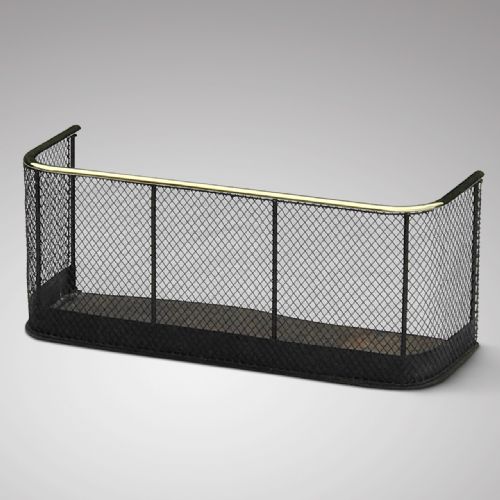
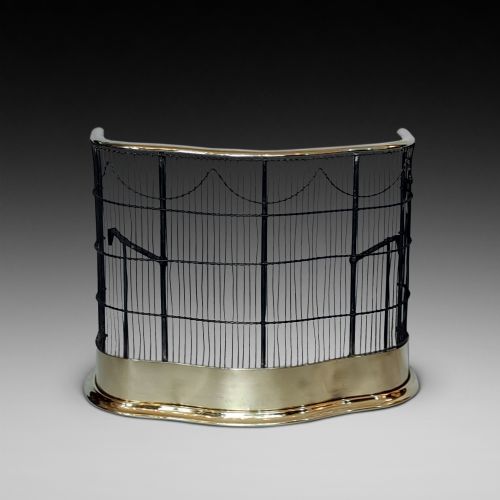
Most examples appear as folding screens or nursery fenders incorporating brass top rails and wire mesh or woven iron wire. Forms range from tripartite folding designs and serpentine shapes to demi-lune screens and gate-fronted guards.
Makers utilised brass frames paired with iron, steel, wire mesh, and copper. Some larger nursery fender designs also integrate clothes rails or flower-pierced details into the construction.
How traditional brass spark guards were made
Workshops constructed these guards using brass for structural frames, rims, and top rails, often paired with woven iron wire or fine wire mesh panels. Copper and wrought iron also appear in the material mix for specific components.
Folding sections utilised hinges to allow movement, while wire mesh was secured within brass rims or frames. Decorative elements such as flower piercing demonstrate period metalworking techniques.
Traditional Brass Spark Guard Retail Price Guide 2026
Typical asking prices for traditional brass spark guard among the pieces listed under this phrase on Sellingantiques today, from the lower quarter to the upper quarter. They describe what is for sale here now, not the wider market.
Listings feature Victorian, Edwardian, and Regency periods, alongside pieces dated from 1890 to 1920.
What varies in quality
Quality rests in the weight of the brass and the fineness of the wire mesh or woven iron wire. Substantial frames with secure hinges and tight mesh construction indicate higher grade production.
The complexity of the form distinguishes the pieces, from simple single frames to multi-section folding screens and nursery fenders with integrated clothes rails.
The Traditional Brass Spark Guard Glossary
- Spark guard
- A protective barrier placed in front of an open fire to catch flying embers. These typically feature metal mesh and a supportive frame.
- Nursery fender
- A large protective barrier designed to surround a hearth entirely, keeping children away from the fire. They often include a brass top rail.
- Tripartite
- Divided into three sections. Many folding guards use this configuration to adjust around the hearth.
- Serpentine
- Having a wavy or undulating outline. This curved shape appears on the rims of select fire guards.
- Demi-lune
- Half-moon shaped. This semicurve fits snugly against the fireplace opening.
Traditional Brass Spark Guard: Frequently Asked Questions
What is a traditional brass spark guard?
It is a protective hearth screen made with a brass frame and wire mesh. Its primary role is catching sparks while maintaining visibility of the fire.
These pieces date from the Regency, Victorian, and Edwardian eras, appearing in various folding and fixed configurations.
How do I use a spark guard?
Place the guard directly in front of the open fireplace opening when a fire burns. Folding sections allow you to angle the wings for stability.
Ensure the mesh sits close enough to the hearth stone to intercept any escaping embers effectively.
How do I clean a brass frame?
Dust the wire mesh gently with a soft brush and wipe the brass frame with a dry cloth. Avoid harsh chemical cleaners that strip the aged patina.
Keeping the mesh clear of soot buildup maintains the appearance of the metal components.
What is a nursery fender?
A nursery fender is an oversized hearth barrier built to keep children and pets at a safe distance from the fire. They often feature elevated brass top rails.
Some period examples also include integrated rails for airing clothes near the warmth.