




Traditional Brass Oil Light
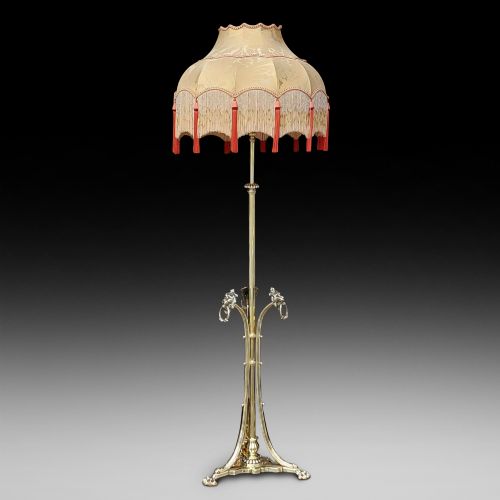
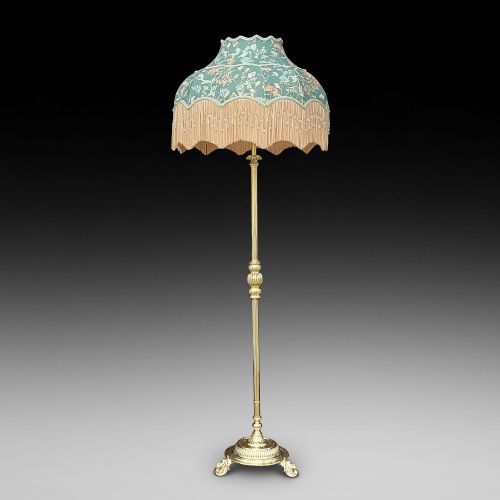
A traditional brass oil light brings a warm, steady glow and period character to a room, ranging from small table designs to tall floor standards.
Traditional Brass Oil Light
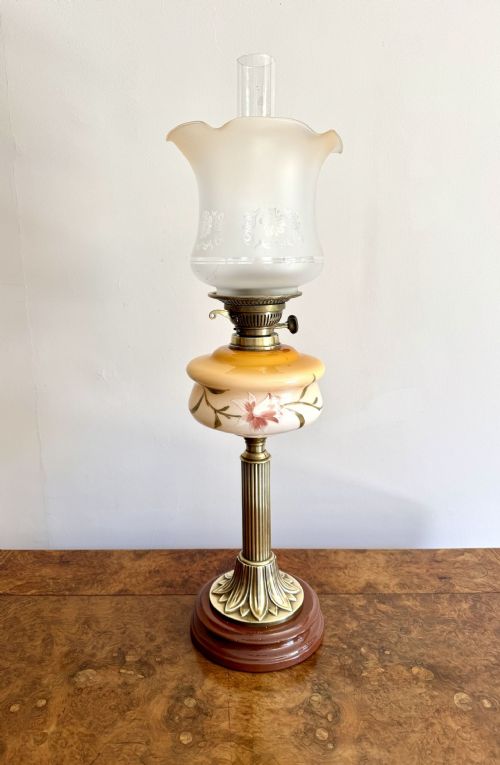
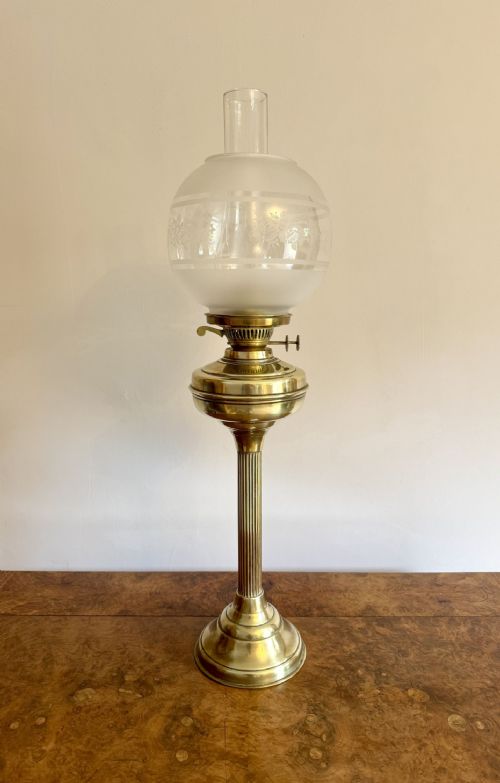
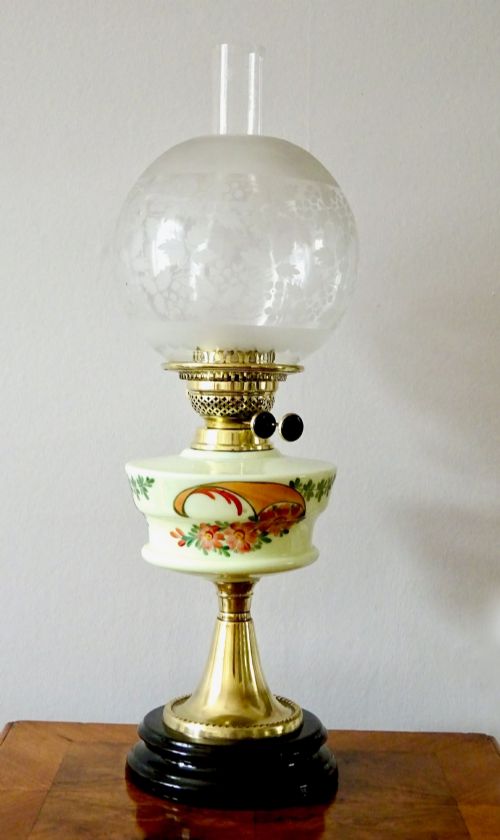
A traditional brass oil light is an illuminating device designed to burn fuel through a wick, appearing in forms such as table lamps, desk lamps, floor lamps, and hanging Sabbath lamps. These pieces date across the Georgian, Victorian, and Edwardian eras, reflecting the domestic lighting technology of the nineteenth and early twentieth centuries.
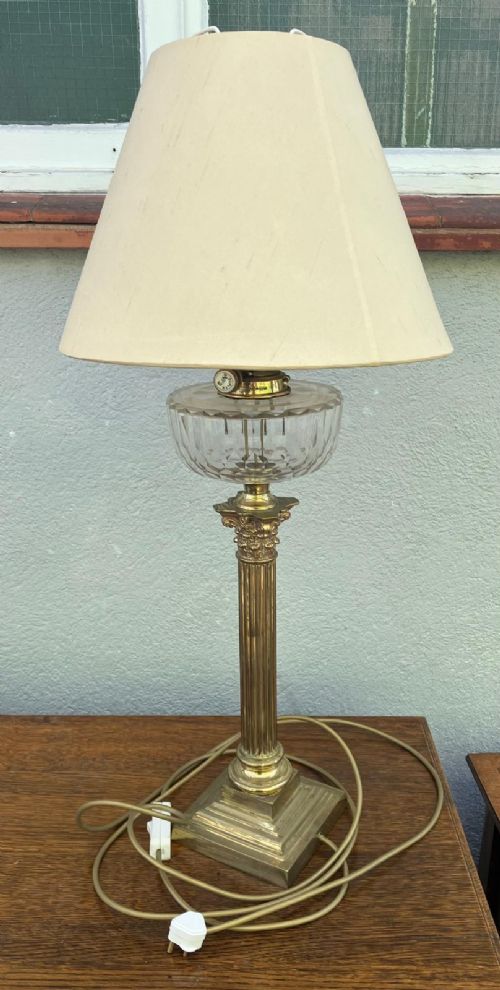
The most common examples on this page are table lamps and adjustable standards from the Victorian and Edwardian periods. Many of these lighting pieces utilise metal columns, often with Corinthian capitals, paired with glass reservoirs and shades.
Makers such as Messenger and retailers like Harrods produced robust domestic models alongside specialised items like student lamps and Judaica hanging lights. Certain examples survive in their original oil-burning state, while others arrive converted to electric operation.
How traditional brass oil lights were made
Makers shaped the structural elements from brass and copper, employing casting techniques for heavy columns and repousse work for decorative surfaces. These metal components provided a sturdy base and upright standard to support the weight of the fuel reservoir.
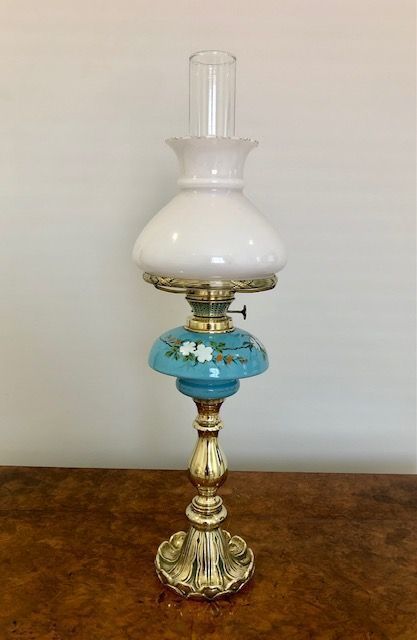
Reservoirs and shades incorporate various forms of glass, including cut glass, opaline glass, cranberry glass, and etched tulip designs. Fabric elements also appear on certain shaded configurations, completing the assembly of burner, font, and shade.
Listings feature traditional brass oil lights spanning the Georgian, Victorian, and Edwardian periods, constructed from brass, copper, and various coloured glasses.
What varies in quality in traditional brass oil lights
The distinction between standard production items and finer examples rests in the crispness of the metal casting and the complexity of the column design. Heavy brass standards with detailed Corinthian capitals or intricate repousse work demonstrate superior craftsmanship compared to plain utility pieces.
The quality of the accompanying glassware creates another clear division, where deeply cut glass, layered cranberry glass, or delicately etched opaline shades elevate the piece. The inclusion of original implements, adjustable mechanisms, or marked burner galleries by known makers adds further distinction.
Messengers·Harrods·Young's Special
The Traditional Brass Oil Light Glossary
- Duplex burner
- A double-wick burner system designed to produce a significantly brighter light than single-wick predecessors. This mechanism became standard on better Victorian lamps.
- Font
- The reservoir that holds the oil or paraffin fuel beneath the burner. These vessels are frequently formed from coloured glass, cut glass, or matching brass.
- Corinthian column
- An architectural column style featuring ornate acanthus leaf capitals, frequently adopted for the upright stems of high-status table and standard lamps.
- Student lamp
- A specialised adjustable desk or table lamp with a side-mounted oil reservoir designed to cast light directly over a workspace without obstruction.
- Judenstern
- A traditional hanging oil lamp used in Jewish homes for the Sabbath and holy days, typically constructed with a star-shaped oil container above a drip pan.
Traditional Brass Oil Light: Frequently Asked Questions
How do I know if an oil light is Victorian?
Victorian lighting typically displays heavier brass castings, structural columns with classical detailing, and specific burner mechanisms patented during the nineteenth century. Look for robust construction methods and material combinations like brass paired with cranberry or opaline glass.
Later Edwardian examples often feature lighter proportions or different shade styles, while Georgian pieces show distinct early domestic forms such as hanging Sabbath lamps.
Can converted oil lamps still use oil?
Many lamps on the market have been converted to electricity for modern convenience, which often involves running wiring through the central column or burner assembly. Reverting a converted lamp back to oil usage depends entirely on whether the original burner and font remain intact and undamaged.
Most converted pieces are best enjoyed as electrical table or standard lamps unless the original oil-burning components were preserved unmolested during the alteration.
What is a duplex oil lamp?
A duplex lamp uses a twin-wick burner mechanism that burns two parallel wicks side by side, controlled by dual winding knobs. This setup yielded a much higher candlepower output than older single-wick designs, making it the preferred choice for main room illumination in the late nineteenth century.
You will frequently find duplex burners stamped with maker names or patent details on the brass thumbwheels.
How should I clean a brass lamp base?
Brass surfaces benefit from gentle dusting with a soft, dry cloth to remove everyday particles without disturbing the underlying metal. Avoid harsh chemical polishes that strip away the aged patina accumulated over decades.
Leaving the natural surface untouched preserves the historic character and warm tone valued by collectors of nineteenth-century metalwork.