


Traditional Brass Hallway Light
These traditional brass hallway light fixtures bring period character to an entryway, offering practical illumination through historic glass and metalwork.
Traditional Brass Hallway Light
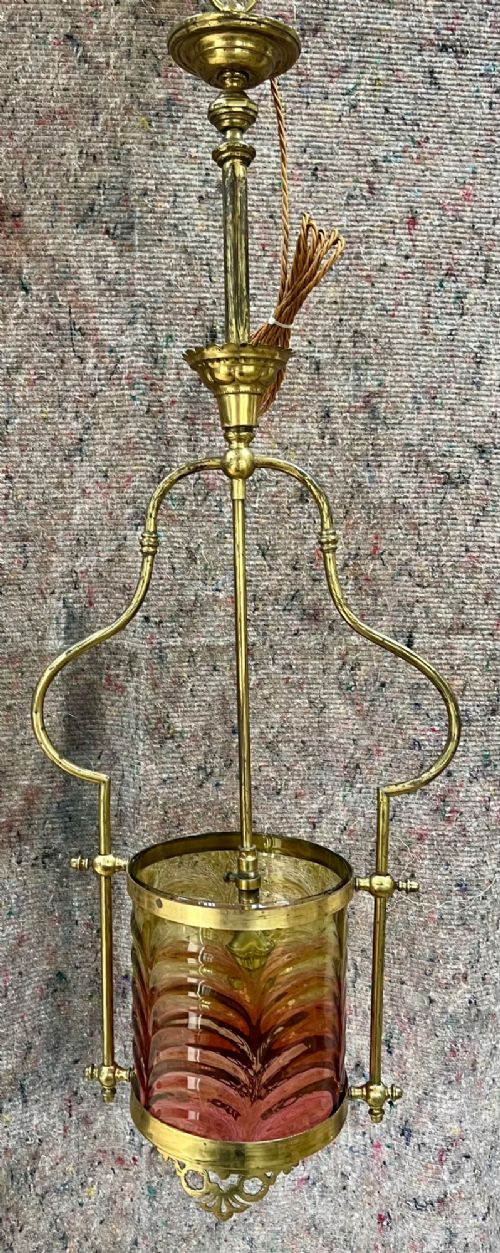
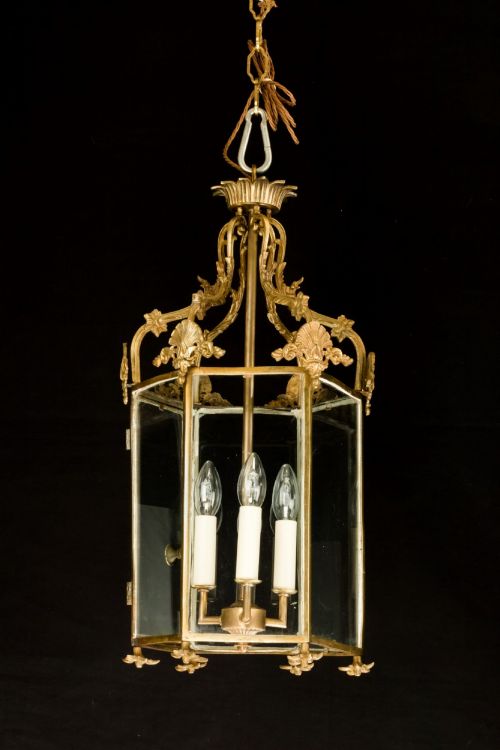
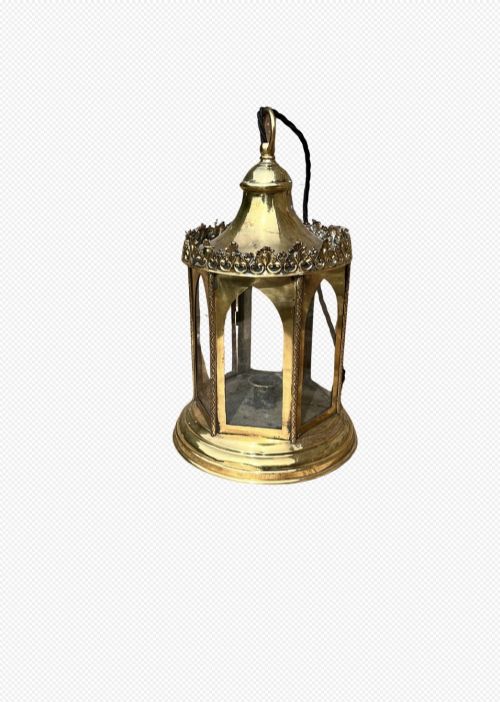
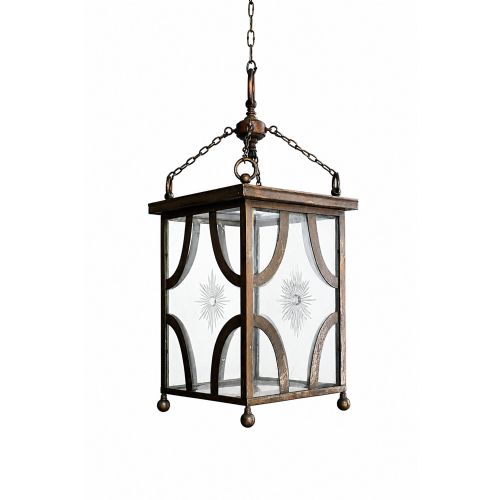
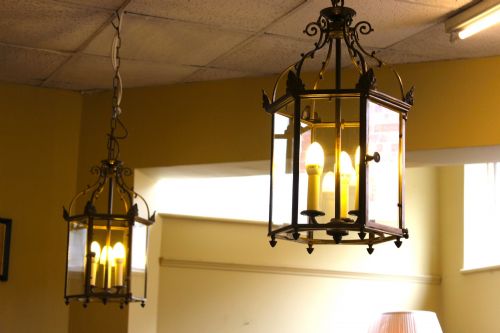
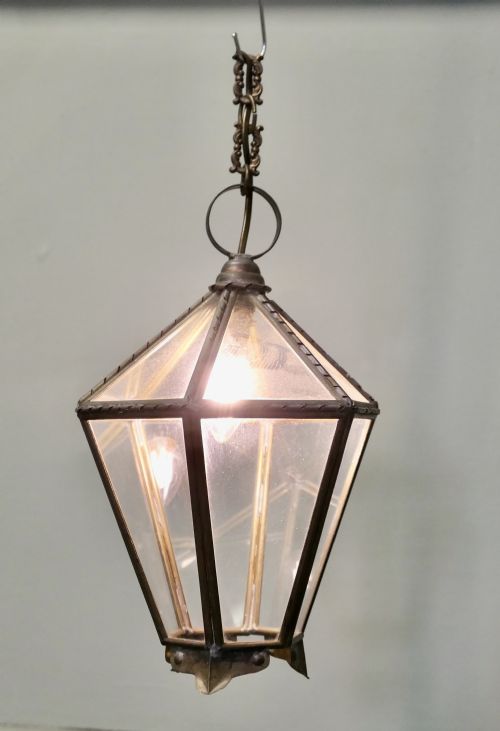
A traditional brass hallway light serves as the primary overhead or hanging illumination for an entrance space, drawing from 19th-century, Victorian, Edwardian, and 1930s periods. These fixtures appear primarily as ceiling lights, pendant lights, hall lanterns, wall sconces, and chandeliers.
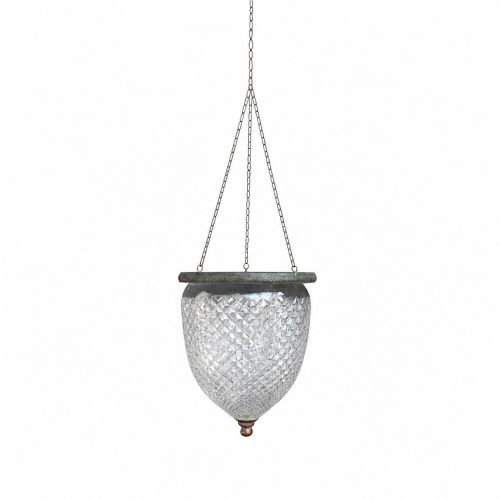
The physical forms include hexagonal lanterns, round lanterns, bell jar shapes, and convex designs alongside multi-light configurations. Materials span plain brass, bronze, copper, and gilt bronze, often paired with clear glass, frosted glass, cut glass, or crystal.
Design influences range from English styles and Arts and Crafts principles to French Chateau, Neo-Classical, Gothic Revival, and Louis XV aesthetics. Buyers typically encounter pieces originating from British and French workshops across the 1800s and early decades of the 20th century.
How traditional brass hallway light examples were constructed
Makers formed the structural frames using cast or sheet brass, bronze, and copper, frequently joining components with mechanical fasteners or solder. Gilt finishes or polished surfaces were applied to highlight the metalwork of the lanterns and chandeliers.
Glass elements involved hand blowing, diamond cutting, and frosting techniques to produce bespoke panes, bell jars, and acorns that diffused light within the entrance space. These glass panels were then fitted directly into the metal frameworks.
Listings feature brass, bronze, copper, and crystal materials spanning the Victorian, Edwardian, and 1930s periods.
What varies in quality
Quality rests on the weight of the metal frame, the precision of the casting, and the complexity of the glasswork, such as hand-blown diamond-cut crystal versus standard pressed panes. Substantial gauge brass and bronze demonstrate superior structural integrity.
Refinement in decorative detailing separates standard utility pieces from high-status items, particularly in Neo-Classical motifs, French gilding, and Arts and Crafts construction. Original components and period wiring alterations also influence the standing of the fixture.
The Traditional Brass Hallway Light Glossary
- Plafonnier
- A ceiling-mounted light fixture that sits close to the surface rather than hanging on a long suspension chain. These often feature decorative glass bowls or shades.
- Convex lantern
- A hanging light with curved glass panels that bulge outward, providing a wider spread of illumination. This shape appears frequently in French lighting designs.
- Bell jar lantern
- A lighting fixture enclosed in a bell-shaped glass vessel, often secured with metal mounts and a suspension loop. They frequently incorporate hand-blown and cut crystal elements.
- Gilt bronze
- Bronze metal treated with a thin layer of gold or gold-coloured finish to create a lustrous decorative surface. This technique is common in French chateau and Neo-Classical pieces.
Traditional Brass Hallway Light: Frequently Asked Questions
How do I hang a hall lantern?
These fixtures suspend from ceilings using chains, rods, or direct mounts depending on the specific model and ceiling height. Professional installation ensures secure anchoring for heavier metal and glass structures.
Position the fixture centrally in the hallway to allow adequate clearance for foot traffic and door swings below.
Are these lights compatible with modern wiring?
Many historical fixtures undergo rewiring to meet contemporary electrical standards while retaining their original exterior metal and glass components. Certified electricians can integrate modern bulb fittings safely into antique frames.
Consult the specific listing details to see if the piece has been recently rewired or requires conversion.
What is the difference between Edwardian and Victorian styles?
Victorian lighting tends to feature heavier, ornate ornamentation with Gothic Revival or classical influences in darker or polished brass. Edwardian designs often lean toward lighter, simpler geometries and brighter brass or copper finishes.
Both periods utilise quality glasswork, but Edwardian examples frequently showcase airier proportions for domestic entranceways.