

Traditional Brass Ceiling Light
A traditional brass ceiling light brings period weight and warm metal reflection directly into a room, spanning grand chandeliers to hall lanterns.
Traditional Brass Ceiling Light
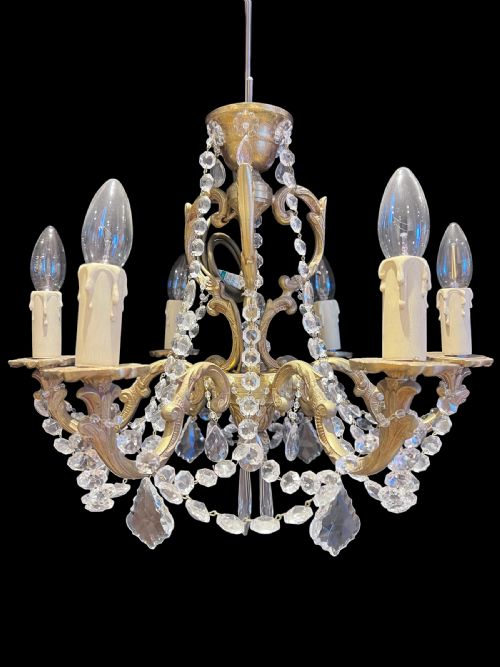
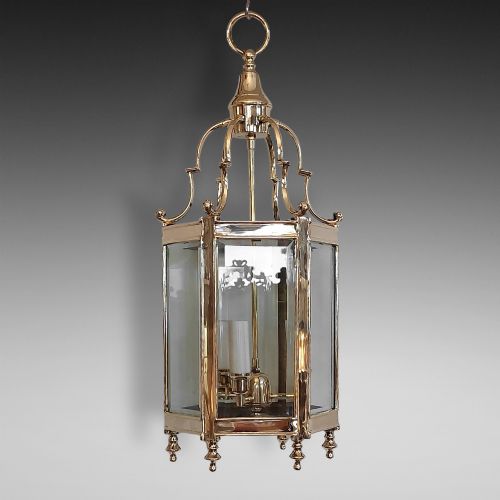
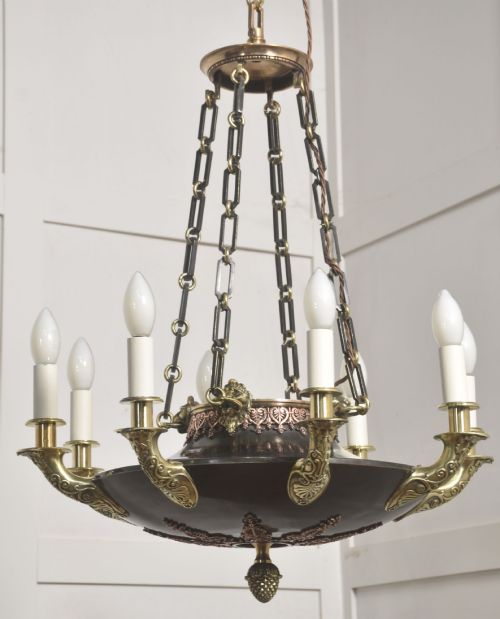
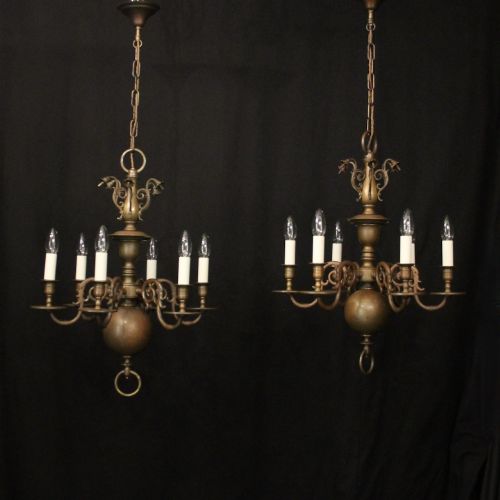
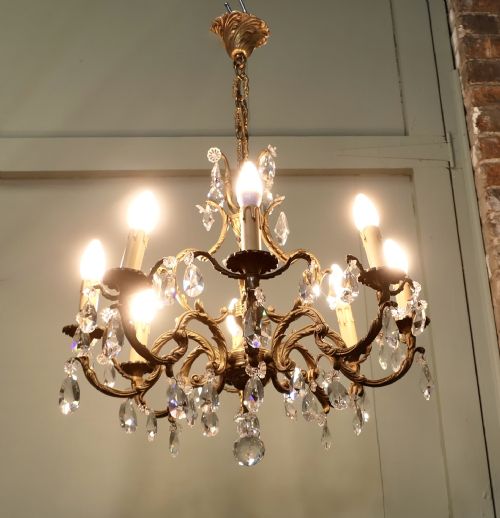
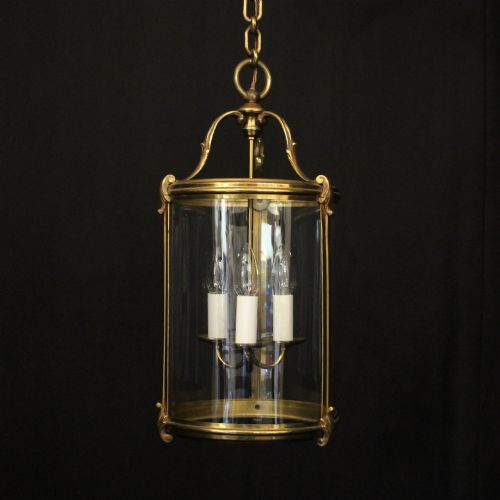
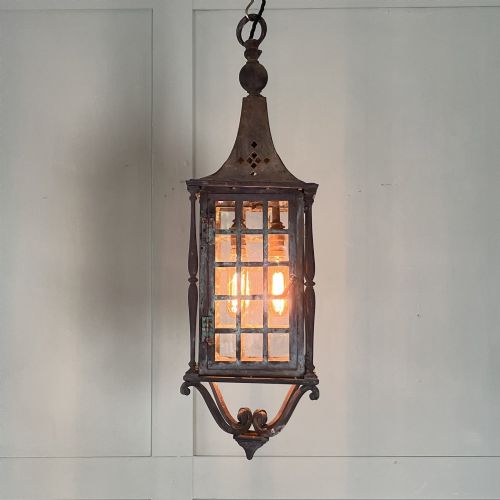
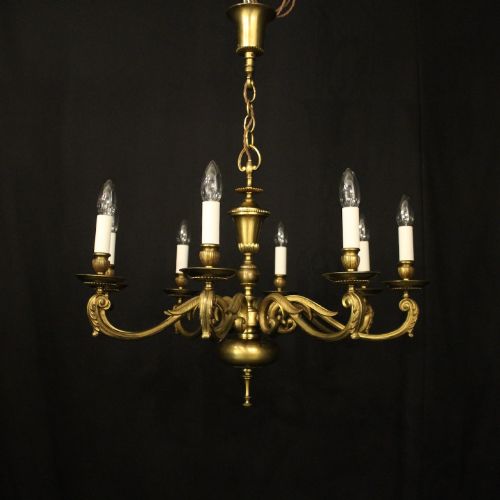
A traditional brass ceiling light encompasses multiple historical forms, ranging from multi-armed chandeliers to hall lanterns and plafonniers. The selection draws heavily upon early twentieth-century and nineteenth-century examples, featuring styles such as French Empire, Edwardian, and Dutch Baroque.
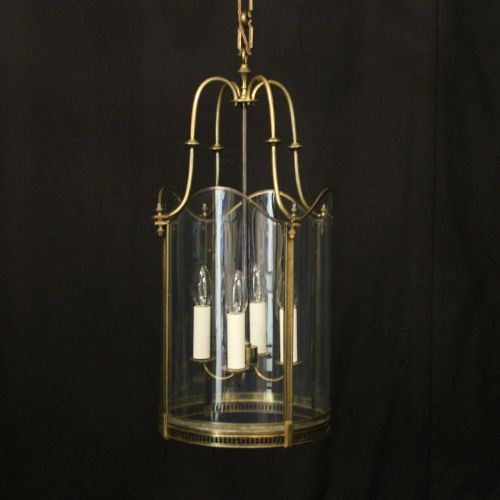
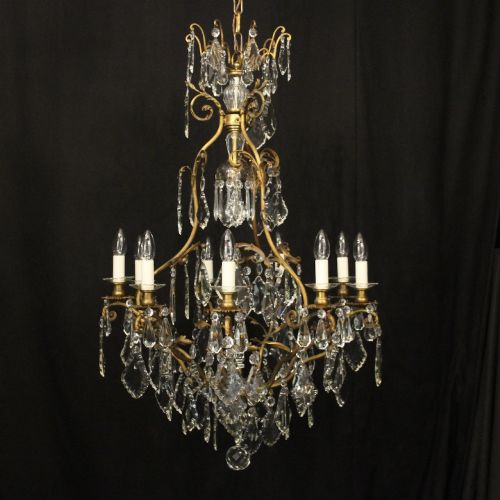
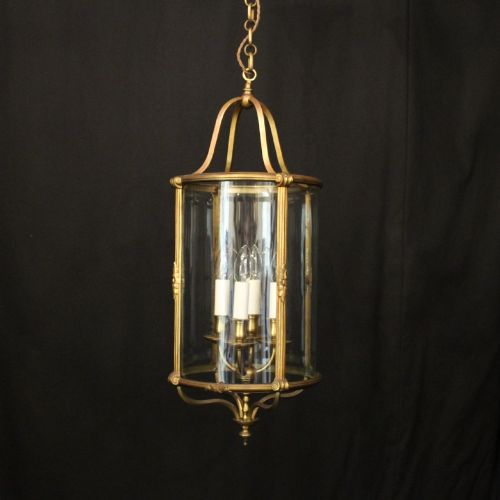
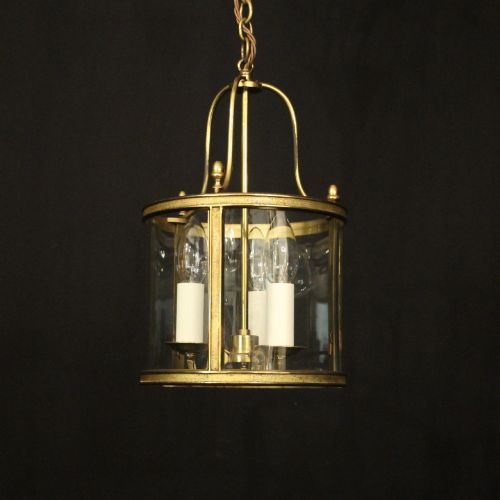
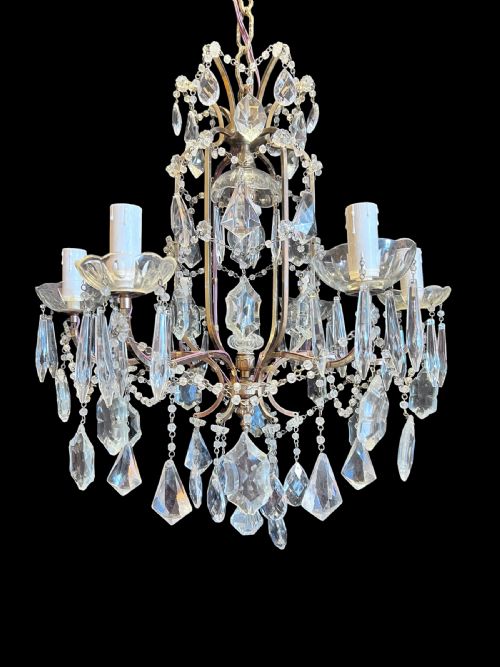
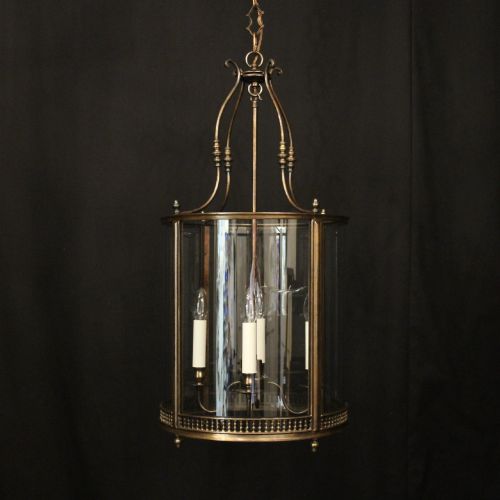
Chandeliers dominate the selection, often configured with multiple light branches designed to illuminate large spaces. Hall lanterns and pendant lights offer alternative vertical formats suited to entranceways and corridors, frequently utilising enclosed glass panels or convex lenses.
Materials and construction methods
Construction relies primarily on cast and spun brass, often complemented by gilt bronze, copper, and dark bronze finishes. Metal components are frequently paired with glass, crystal lustres, and hand-blown bullseye or moonstone glass shades.
Assembly techniques involve mechanical joints, cast branches, and detailed metalwork frames supporting crystal drops and glass enclosures. Surface treatments vary from polished finishes to gilt applications that enhance the reflective qualities of the metal.
Materials span plain brass, gilt bronze, copper, and crystal, drawing from nineteenth-century and early twentieth-century periods.
Factors determining quality and craftsmanship
Quality reveals itself in the crispness of cast metal ornamentation and the weight of the brass or bronze framework. Finer examples exhibit intricate detailing on arms and bezels, whereas simpler utilitarian pieces maintain plainer profiles.
The integration of glass and crystal components also separates tiers of production. Heavy cut glass, hand-blown panes, and abundant crystal lustres indicate superior assembly compared to standard pressed glass alternatives.
The Traditional Brass Ceiling Light Glossary
- Plafonnier
- A ceiling-mounted light fixture that sits flush or very close to the ceiling surface. These often incorporate moulded or cut glass bowls.
- Lustre
- A cut crystal pendant or drop suspended from a chandelier to refract light. They catch and multiply illumination across the room.
- Convex lantern
- A lantern featuring curved glass panels that project outward. This shape disperses light widely across an entrance hall.
- Rise and fall
- A mechanical suspension system allowing the height of the light fixture to be adjusted. It uses a counterweight or pulley mechanism.
- Tent and waterfall
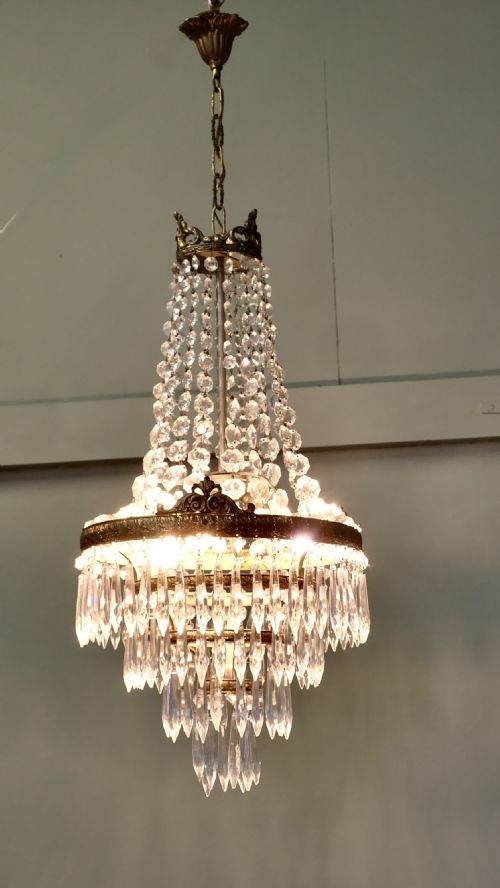
- A chandelier configuration where strings of crystals form an upper canopy tent above a cascading waterfall of drops. This style derives from neoclassical French designs.
Traditional Brass Ceiling Light: Frequently Asked Questions
Where should I hang a hall lantern?
Hall lanterns suit entranceways, corridors, and high-ceilinged landings where vertical hanging space allows the fixture to suspend properly.
Their enclosed design protects the internal light source while directing illumination downward and outward through the glass panels.
How do I identify an Edwardian ceiling light?
Edwardian lighting often combines refined brass metalwork with classical proportions, reflecting tastes from the early twentieth century.
Pieces from this period frequently balance ornate detailing with practical domestic scaling.
What is a waterfall chandelier?
A waterfall chandelier uses dense tiers of cascading glass crystals to create a shimmering effect when illuminated.
This format is commonly associated with French Empire styles found in the early twentieth century.
Are these lights compatible with modern wiring?
Antique ceiling lights are generally adapted for contemporary electrical standards during restoration.
Buyers should consult a qualified electrician to ensure safe installation in a modern domestic setting.