
Traditional Asian Carpet
A traditional asian carpet brings geometric tribal mastery and rich Central Asian heritage directly to the floor.
Traditional Asian Carpet
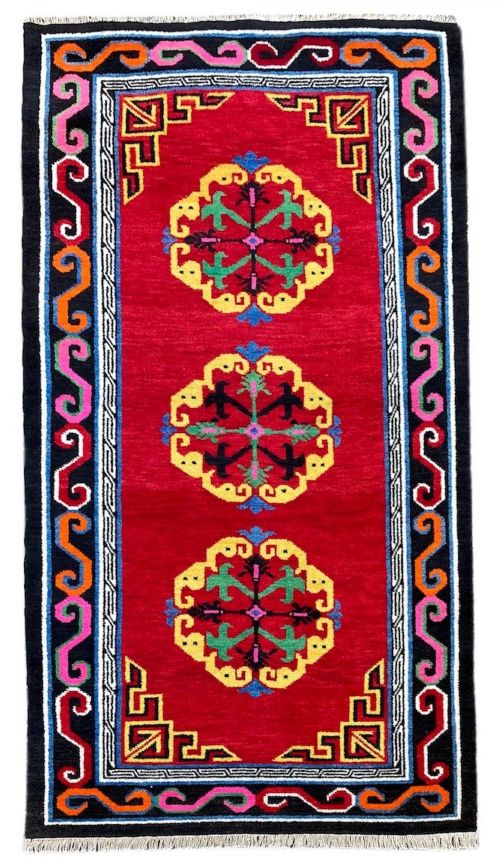
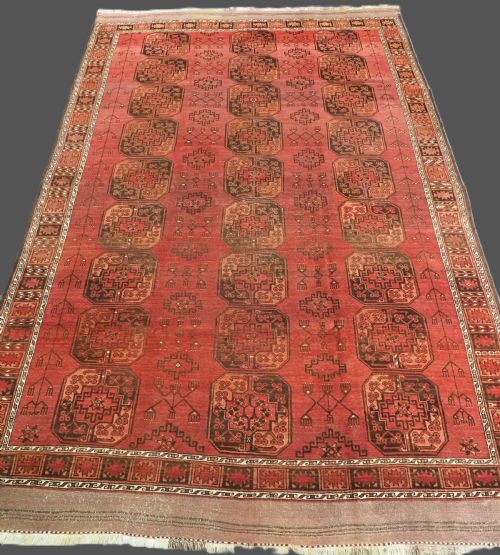
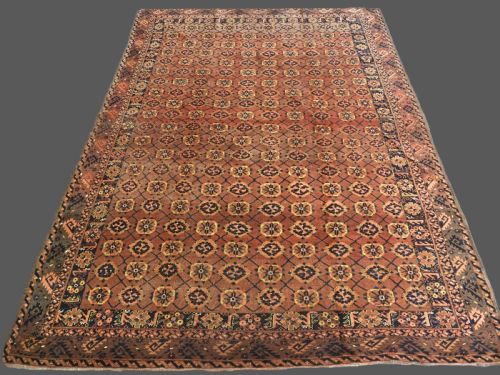
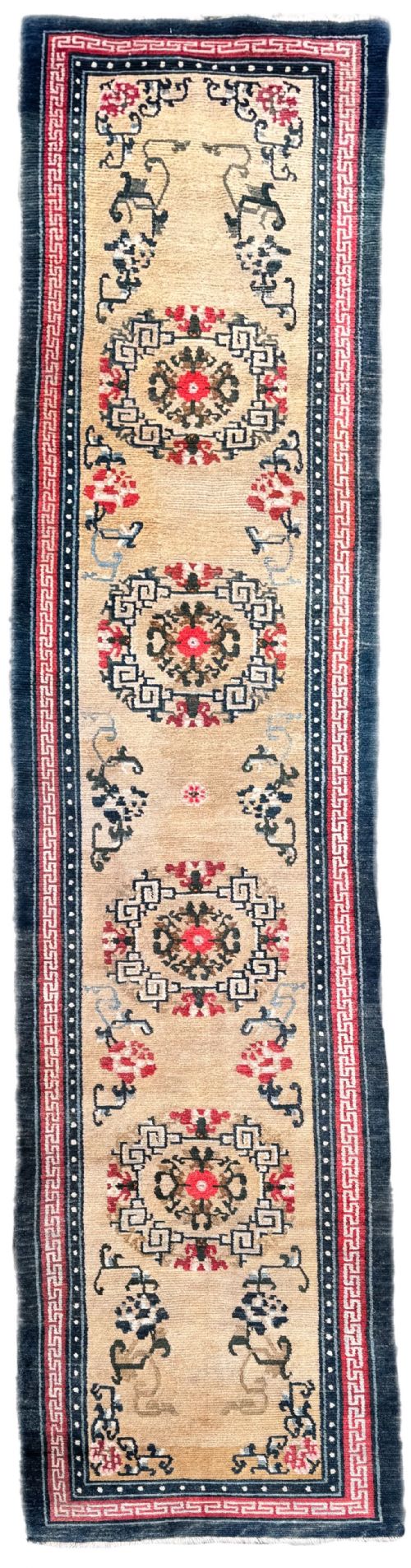
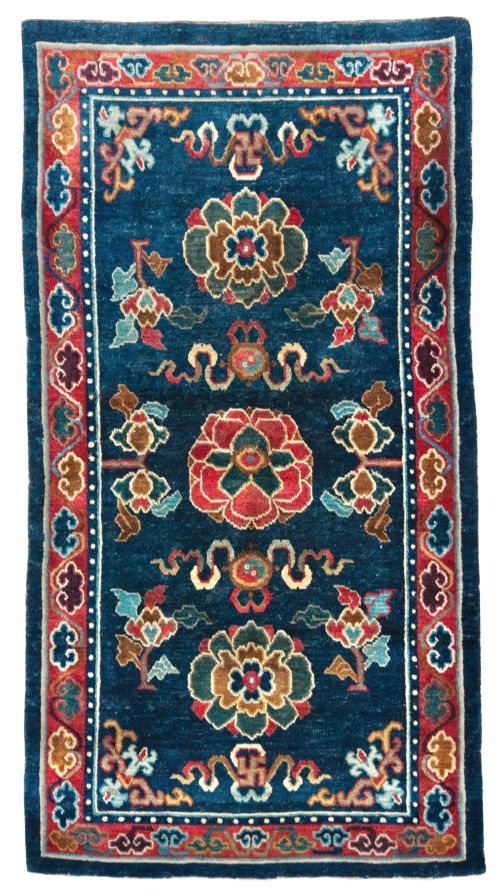
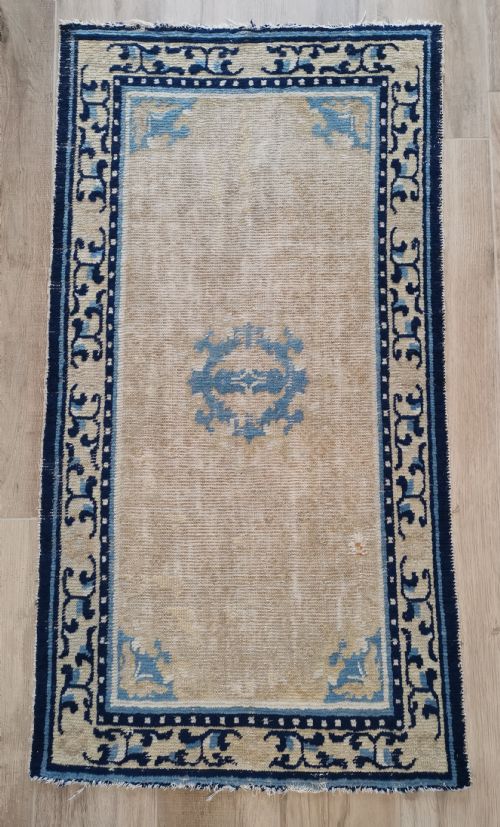
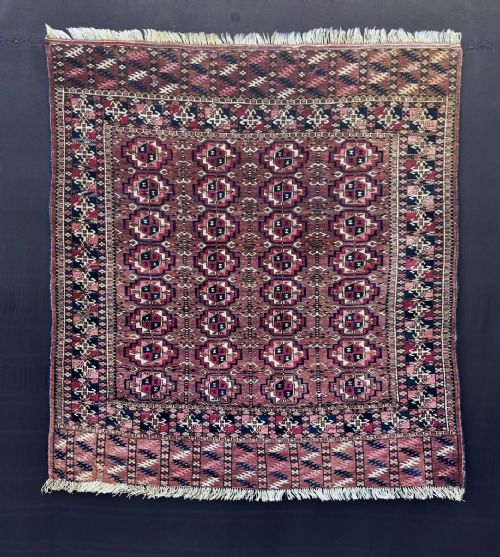
A traditional asian carpet encompasses tribal and regional floor coverings originating from Central Asia, China, and Tibet, spanning from the mid-nineteenth century into the early twentieth century. These pieces appear as large main carpets, smaller wedding and prayer rugs, kilims, and nomadic bags created by specific tribal groups.
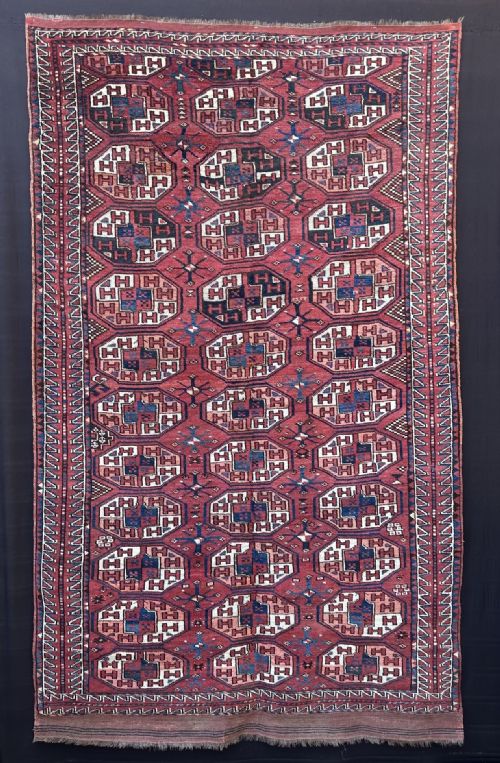
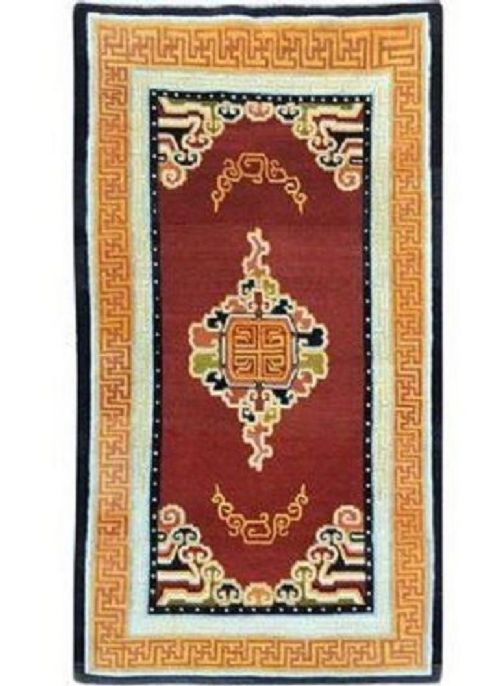
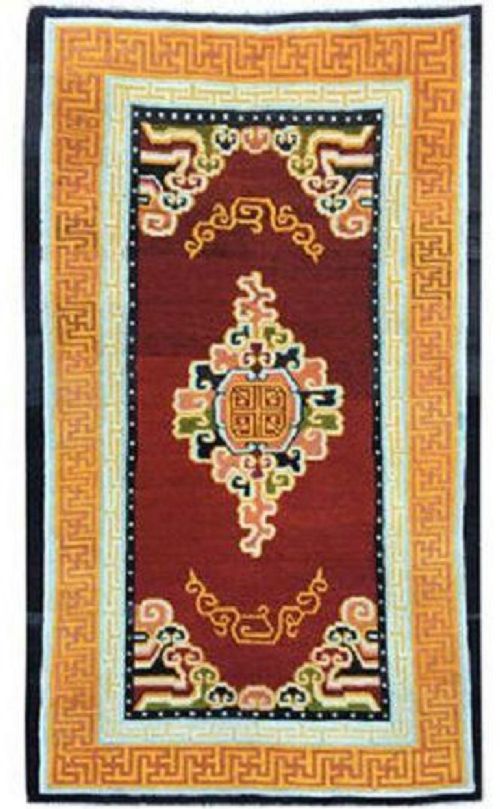
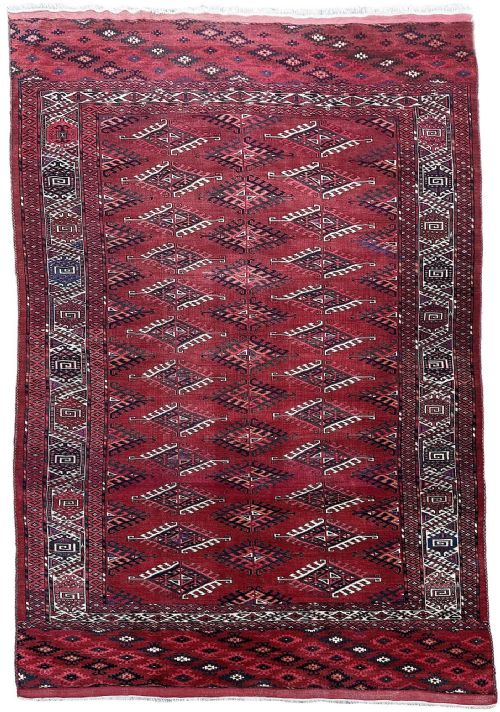
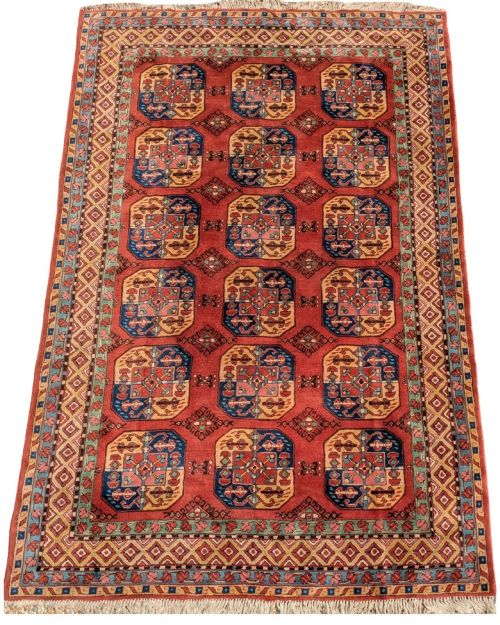
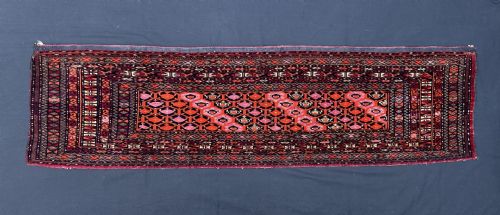
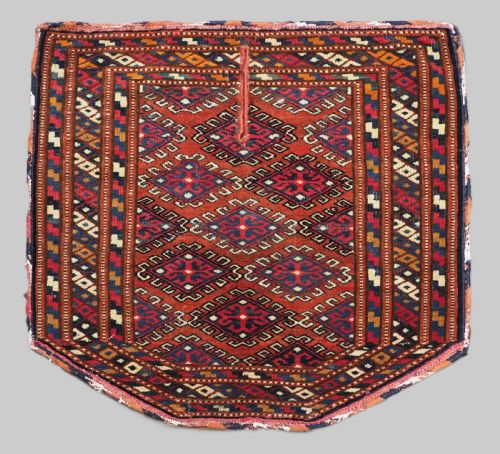
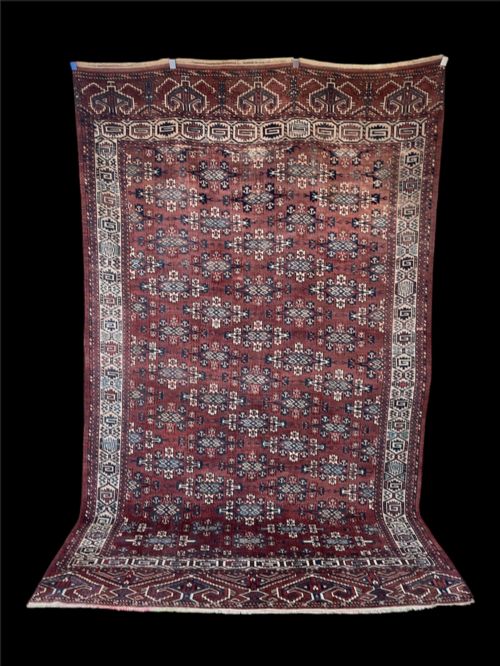
The most common examples on this page stem from Turkmen weaving traditions, including Yomut, Tekke, Ersari, and Sariq tribal pieces, alongside Tibetan rugs and Chinese Ningxia weaves. Formats range from expansive room-sized carpets down to runners, torbas, and saddle covers reflecting nomadic and village life.
How traditional asian carpets were made
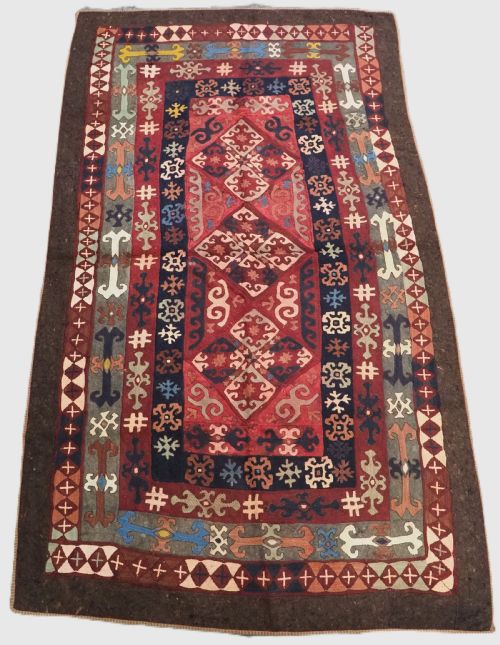
Makers utilised hand-spun wool and natural dyes to construct these textiles, often incorporating cotton foundations and occasional silk highlights. Certain pieces also employ felt materials, particularly within Uzbek Lakai tribal work.
Nomadic and village weavers constructed these carpets using traditional knotting and flatweaving techniques, applying vegetable-based colorants that developed rich patinas over decades of use.
Listings feature pieces spanning from the eighteen-fifties through the nineteen-thirties, showcasing wool, cotton, silk, and natural dyes.
What varies in quality
Quality rests upon the tightness of the weave, the precision of the tribal motifs such as guls, and the clarity and depth of the natural dyes used across the pile. Finer examples display meticulous knot counts and exceptional structural integrity, particularly seen in older torbas and engagement rugs.
The preservation of original finishes, such as plain weave backs on torbas and complete borders, elevates an example. Purity of wool preparation and the sophistication of secondary colours dictate the aesthetic standing of the piece.
The Traditional Asian Carpet Glossary
- Gul
- A primary octagonal or gabled medallion motif characteristic of Turkmen carpet design. Each tribal group traditionally utilised distinct gul variations.
- Torba
- A small utilitarian bag face or hanging produced by Turkmen weavers for domestic storage. These pieces frequently feature intricate primary designs.
- Ensi
- A specialised carpet type used as a tent door hanging by Turkmen tribes. They typically display a quartered field design.
- Kilim
- A flatwoven textile produced without a pile. These pieces rely on interlocking warp and weft threads to form geometric patterns.
- Asmalyk
- A pentagonal trapping hung on the flanks of a camel during traditional wedding processions. They represent significant nomadic textile artistry.
Traditional Asian Carpet: Frequently Asked Questions
How do I identify a Turkmen carpet?
Turkmen carpets are typically recognised by their repeating geometric gul motifs, deep red or brown colour palettes, and dense wool construction.
Specific tribal attributions rely on the exact shape of the guls and the structure of the borders.
Where were Tibetan rugs made?
Tibetan rugs originated in Himalayan monasteries and households, utilised primarily for seating and sleeping.
They often feature resilient hand-spun wool and distinctively bold pictorial or geometric compositions.
What is a prayer rug used for?
Prayer rugs were designed with a distinct mihrab or arch motif indicating the direction of prayer.
Nomadic and village weavers produced these portable formats for daily devotional use across Central Asia.
How should I care for an antique carpet?
Protect antique carpets from direct sunlight and use a breath-able underlay to prevent sliding and wear.
Gentle vacuuming without a beater bar helps maintain the wool pile without damaging the historical foundation.