




Traditional Asian Cabinet
A traditional asian cabinet brings substantial storage and distinct regional character to a room, spanning Chinese wedding chests and Japanese merchant tansu.
Traditional Asian Cabinet
A traditional asian cabinet encompasses a diverse group of storage furniture originating from China, Japan, Korea, and Tibet, predominantly dating from the eighteenth and nineteenth centuries. Buyers searching this phrase encounter substantial elm marriage chests, complex multi-drawer apothecary units, and stepped merchant storage pieces. These forms served specific domestic, medical, or ceremonial functions within their original households before entering the antique market.
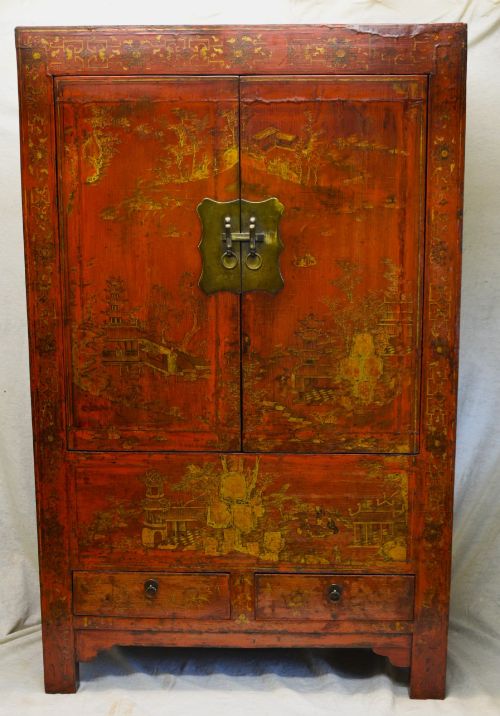
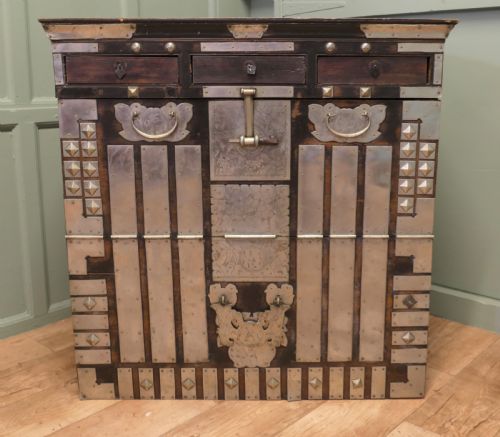
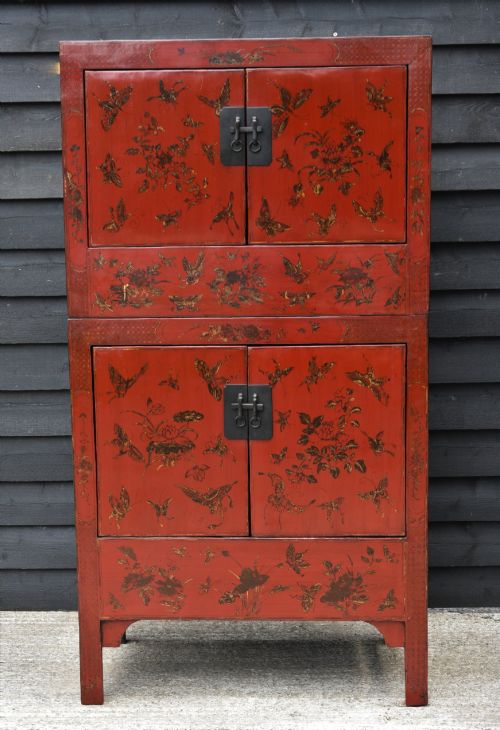
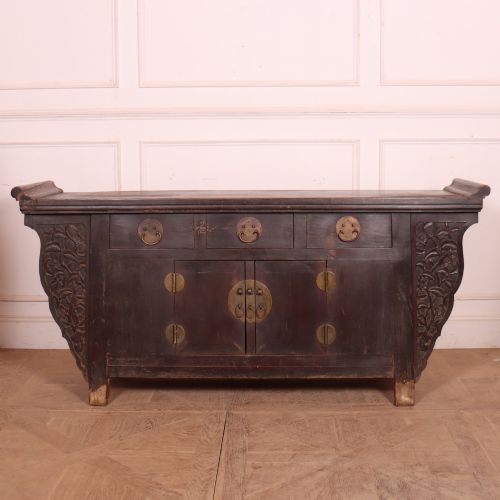
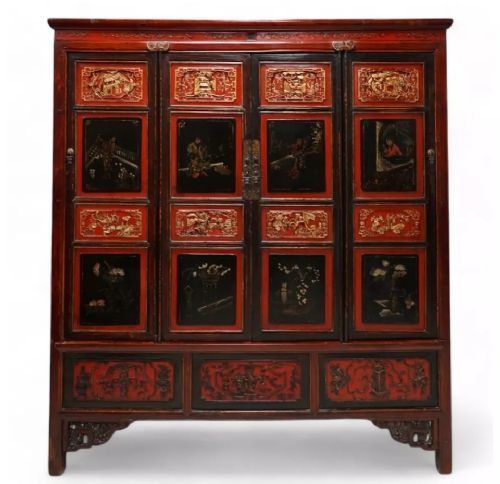
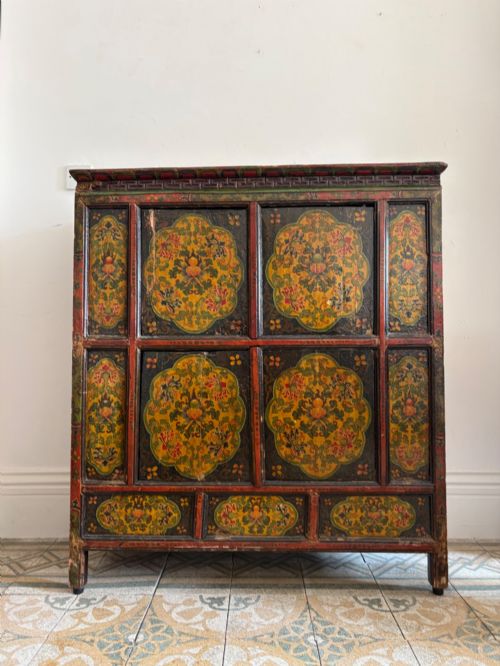
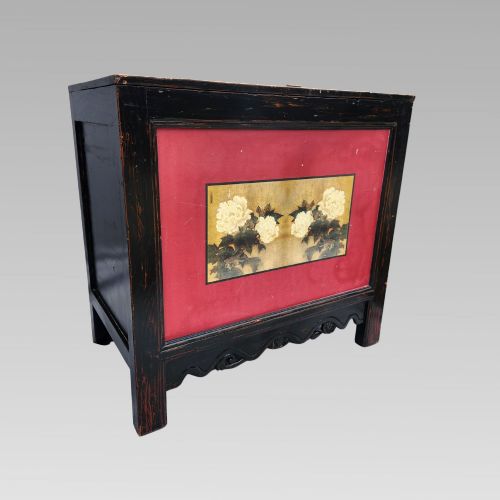
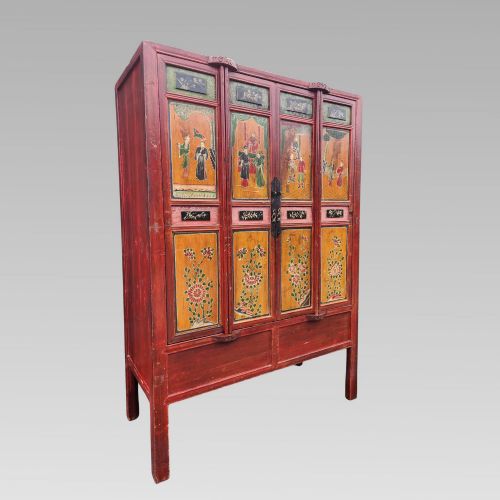
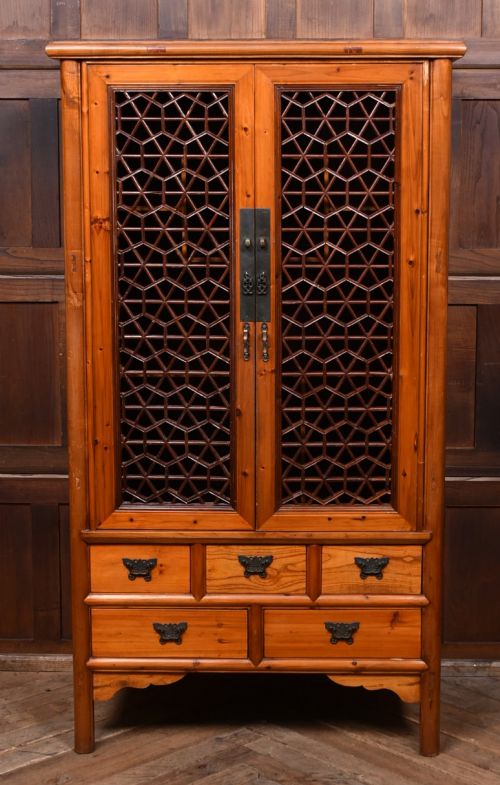
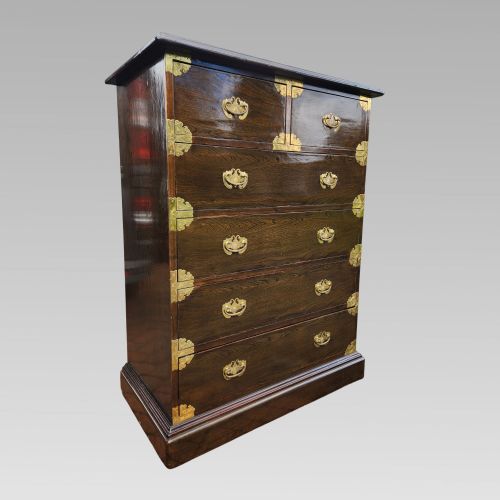
Chinese examples on offer frequently manifest as red or black lacquered wedding cabinets, provincial sideboards, and towering compound cupboards decorated with floral motifs. Japanese entries heavily feature cedar and elm tansu chests alongside kitchen larders and shodona display pieces on stands. Korean variants appear as elm veneer bandaji marriage trunks and painted chests fitted with prominent metal hardware.
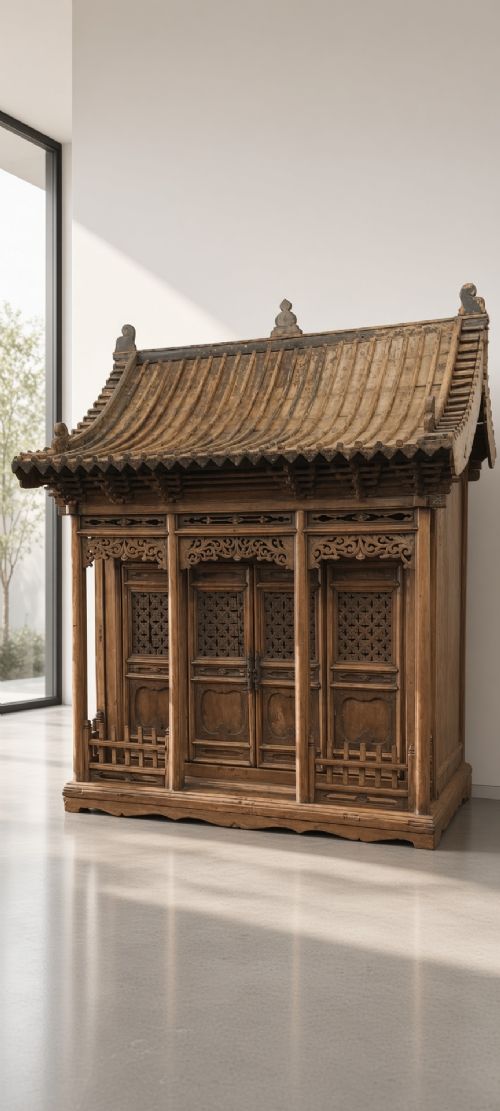
Provincial pieces from regions such as Shanxi sit alongside formal court pieces and religious shrines, showing considerable variety in scale and ornamentation. While the selection includes incidental items like side tables and decorative imari plates, the primary focus remains on case furniture built for storage and display.
Materials and construction methods
Cabinet makers relied primarily on native timbers, utilising elm, cedar, keyaki, burr elm, and general hardwoods selected for structural stability and grain pattern. Joinery typically involved traditional interlocking wooden joints that accommodated seasonal expansion without relying excessively on metal fasteners.
Surfaces received specialised treatments including applied layers of red or black lacquer, hand-painted floral decorations, and gold leaf highlights. Iron and brass hardware, such as heavy hinges, decorative backplates, and substantial lock boxes, functioned both as structural reinforcement and visual ornamentation.
Traditional Asian Cabinet Retail Price Guide 2026
Typical asking prices for traditional asian cabinet among the pieces listed under this phrase on Sellingantiques today, from the lower quarter to the upper quarter. They describe what is for sale here now, not the wider market.
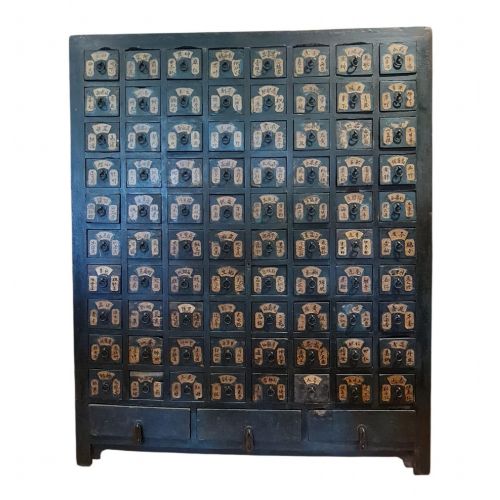
Certain apothecary chests recorded here contain up to eighty tiny drawers, ensuring absolute chaos for anyone trying to sort the dried herbs.
Distinguishing quality across pieces
The degree of original surface preservation dictates much of the distinction between pieces, particularly regarding the integrity of lacquer, hand-painted details, and polychrome finishes. Examples retaining their initial finish and uncompromised structural timber command stronger interest than those subject to heavy overpainting or significant board replacement.
The sophistication of the joinery and the execution of metal hardware also separate standard utilitarian items from finer examples. Elaborate brass or iron mounts, well-fitted internal compartments, and balanced proportions reflect the skill of the original workshop.
The Traditional Asian Cabinet Glossary
- Tansu
- A traditional Japanese mobile wooden chest built for storage, encompassing specialised forms for merchants, clothing, and stairs. These cabinets often feature numerous small drawers and sliding doors secured by iron hardware.
- Bandaji
- A large Korean storage chest traditionally used for blankets and clothing during marriage ceremonies. These pieces are characterised by heavy brass or iron reinforcement plates and dense elm construction.
- Mizuya
- A Japanese kitchen larder or storage cupboard used for food preparation utensils and dishware. They display slatted wooden doors and multi-tiered internal shelving.
- Shodona
- A Japanese tabletop or small display cabinet featuring staggered shelving and sliding panels, dating primarily from the Meiji period. These items served to exhibit scholar's objects and small decorative arts.
- Compound cabinet
- A tall Chinese storage form constructed in two super-imposed sections that lock together. They provide massive volume and often display rich red lacquer finishes.
- Imari
- Japanese porcelain produced in the town of Arita and exported widely, known for underglaze blue and iron-red designs with supplementary gold. Such plates and dishes frequently accompany furniture offerings in this category.
Traditional Asian Cabinet: Frequently Asked Questions
How do I date a traditional asian cabinet?
Dating relies on assessing the timber shrinkage, the wear patterns on internal shelving, and the style of the forged iron or brass hardware. Regional construction traits and the condition of underlying lacquer layers also provide clear indicators of period.
Examination of the joinery methods helps differentiate eighteenth-century forms from later nineteenth-century production. Comparing the piece against documented provincial styles narrows the timeframe further.
Where were these cabinets placed in a home?
Wedding cabinets and large compound cupboards stood in principal reception rooms or bridal chambers to store valuable textiles and ceremonial garments. Smaller merchant tansu and apothecary chests sat in working spaces, shops, or study areas for immediate inventory organisation.
Kitchen larders and step chests served functional roles in domestic quarters, often built into specific architectural layouts. Today, these forms adapt easily to modern living rooms and hallways as statement storage.
What is the difference between Chinese and Japanese pieces?
Chinese furniture tends toward architectural presence, featuring rich red and black lacquers, bold painted floral decoration, and massive proportions designed for display. Japanese pieces prioritize functional compartmentalisation, exposed wood grains like cedar and keyaki, and complex locking mechanisms.
While Chinese wedding cabinets emphasise formal symmetry and status, Japanese tansu focus on modular utility and transport convenience. Both traditions employ sophisticated joinery suited to their respective regional timbers.
How should I care for lacquered wood?
Lacquered surfaces require stable indoor humidity levels away from direct sunlight to prevent cracking or fading of the finish. Dusting should be performed gently with a dry, soft cloth without applying modern chemical polishes or abrasive cleaners.
Maintaining a consistent environment protects both the underlying hardwood and the delicate gold leaf or painted decorations. Minor fluctuations in temperature can stress old timber and antique finishes alike.