



Traditional Asian Art
Traditional asian art gathers centuries of carved wood, woven textiles, and painted scrolls originating across eastern regions to anchor a thoughtful room.
Traditional Asian Art
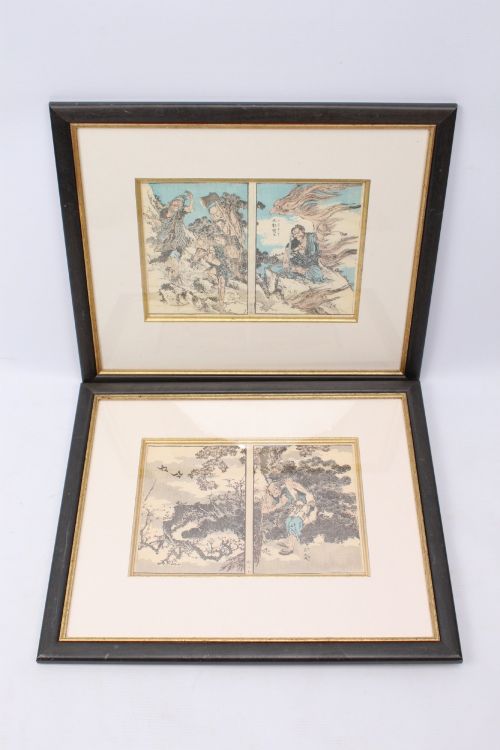
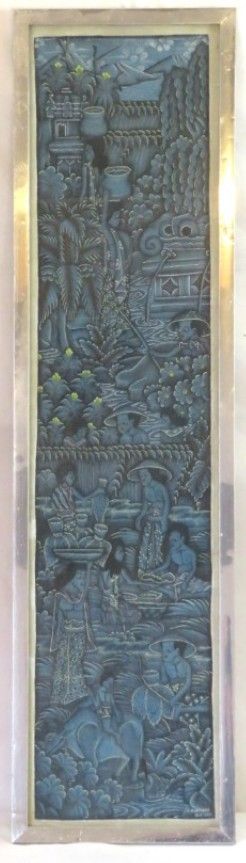
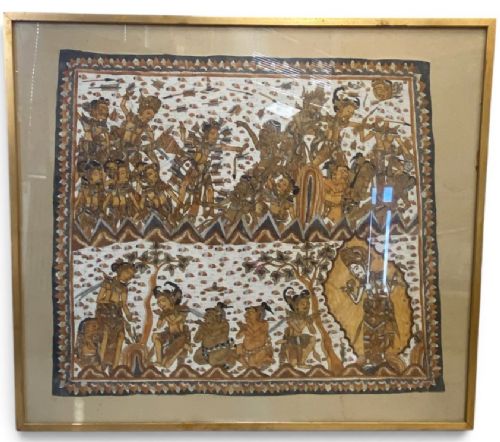
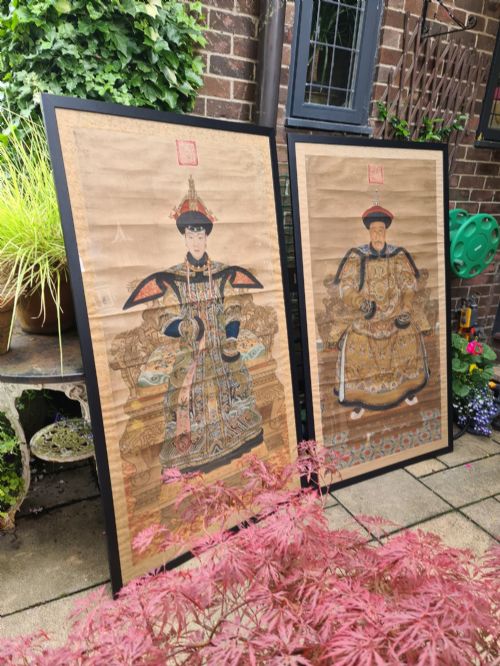
Traditional asian art encompasses diverse cultural expressions including Japanese woodblock prints, Chinese ancestral scrolls, and Balinese water colour paintings on fabric.
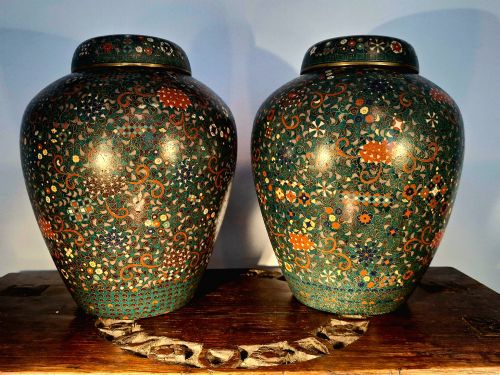
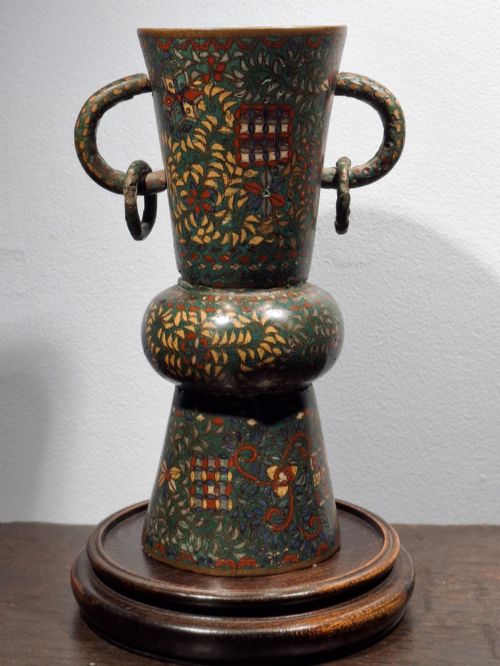
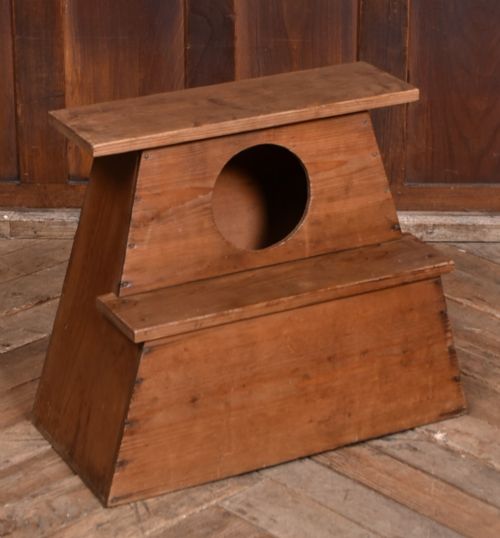
Collectors encounter physical items ranging from intricate cloisonne enamel vases and carved jade mountain landscape sculptures to utilitarian wooden vendor stools and dowry chests.
The category spans regional textiles such as silk embroidered Suzani panels from Uzbekistan and Turkmen tribal asmalyk hangings alongside bronze court dancer statues.
Materials and construction methods
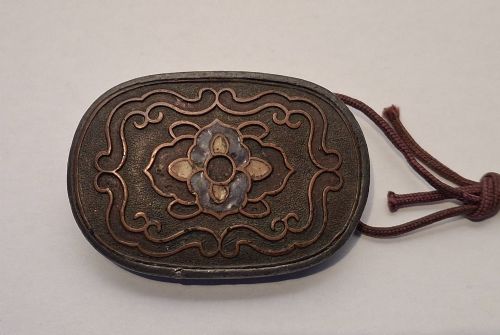
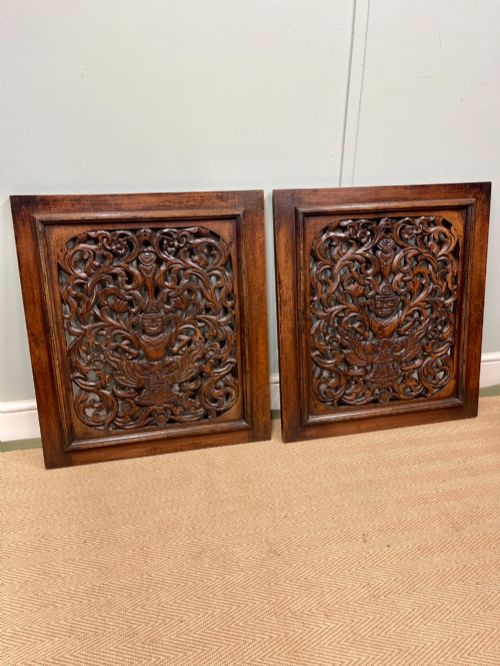
Makers utilised natural media such as carved hardwoods, copper wire for champleve and cloisonne enamels, and carved jade or stone for sculptural forms.
Flat works rely on water colour, tempera, and ink applied to cotton, silk, paper, or canvas, often mounted as scrolls or framed prints.
Textiles combine wool, silk, cotton, and felt using traditional weaving, embroidery, and ikat dyeing techniques practiced across Central Asian and Japanese workshops.
Traditional Asian Art Retail Price Guide 2026
Typical asking prices for traditional asian art among the pieces listed under this phrase on Sellingantiques today, from the lower quarter to the upper quarter. They describe what is for sale here now, not the wider market.
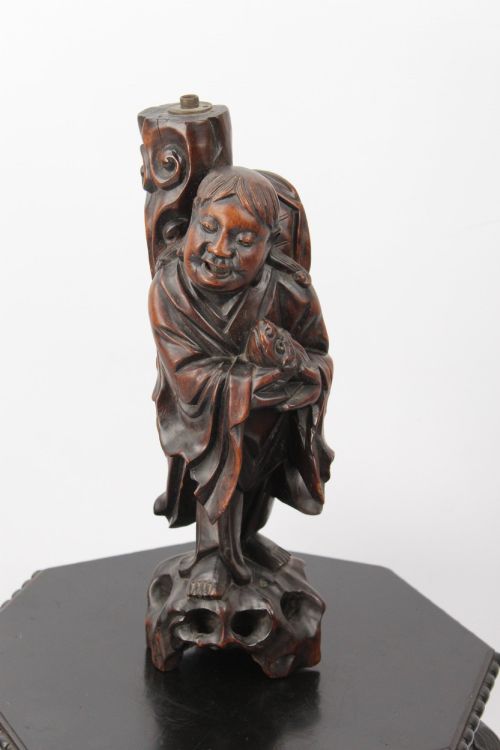
An eighteenth-century immortal carved from bone holds auspicious animals while guarding an opium pipe.
Judging the quality of pieces
Superior execution shows in the precision of the carver's hand on wood or bone and the fineness of silk embroidery stitches on textile panels.
Visual balance and original framing preserve the integrity of scroll paintings and woodblock prints, distinguishing masterworks from decorative workshop output.
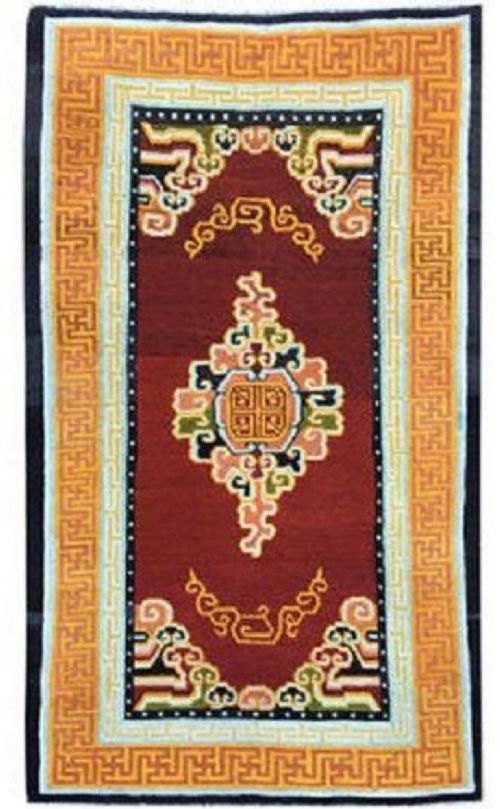
Depth of colour saturation in enamel work and the complexity of regional dye patterns in tribal rugs determine the standing of individual examples.
The Traditional Asian Art Glossary
- Cloisonne
- Enamelwork created by soldering thin metal wires to a base to form compartments filled with paste and fired. This technique produces intricate multi-coloured surface patterns.
- Suzani
- Large, decorative tribal embroidered silk or cotton textile panels originating from Tajikistan and Uzbekistan. They were traditionally made by brides as part of a dowry.
- Ukiyo-e
- Japanese genre of art translating as pictures of the floating world, depicting scenes of urban leisure and kabuki actors. These are commonly produced as woodblock prints.
- Shan Shui
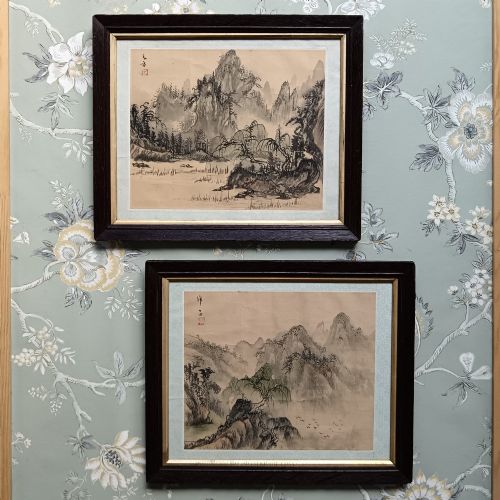
- Traditional Chinese style of painting featuring scenery or natural landscapes using brush and ink. The term translates directly to mountain water.
- Asmalyk
- Small, pentagonal camel trapping produced by Turkmen tribes in Central Asia. They were woven in pile or embroidery techniques for wedding processions.
Traditional Asian Art: Frequently Asked Questions
How do I care for antique textiles?
Keep textile panels and rugs away from direct sunlight to prevent the natural dyes from fading. Support the full weight evenly if hanging them on a wall.
Avoid chemical cleaners and consult a specialist textile conservator for dust removal or structural stabilization.
What is an ancestral scroll?
Ancestral scrolls are painted portraits commissioned to honour family lineage and departed forebears in China. They were displayed during memorial rituals.
These pieces capture traditional costume and dignitary posture, executed in ink and colour on silk or paper.
How are woodblock prints dated?
Dating relies on publisher marks, paper quality, and stylistic traits associated with periods such as the Edo era. Signatures of known printmakers offer key chronological markers.
Examining the grain transfer from the original wood block also helps verify age and printing sequence.