



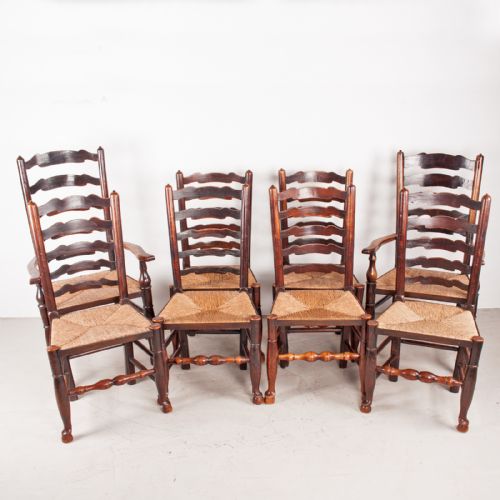


Traditional Ash Kitchen Chair
A traditional ash kitchen chair brings rustic utility to a room, offering sturdy construction and enduring vernacular style.
Traditional Ash Kitchen Chair
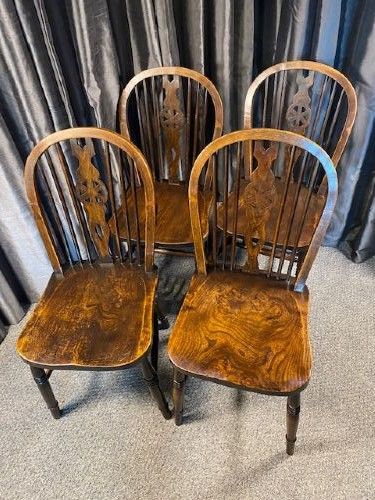
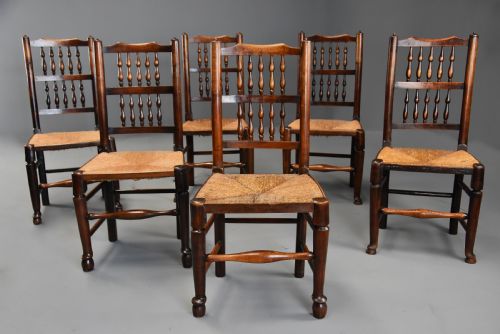
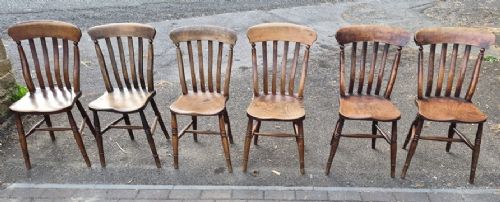
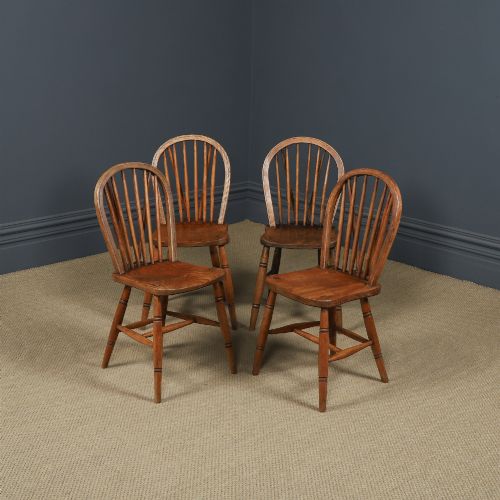
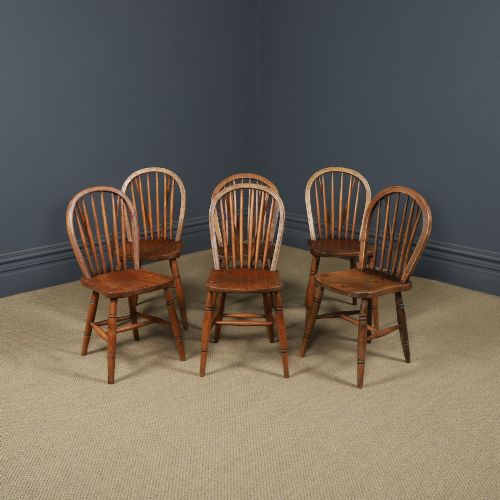
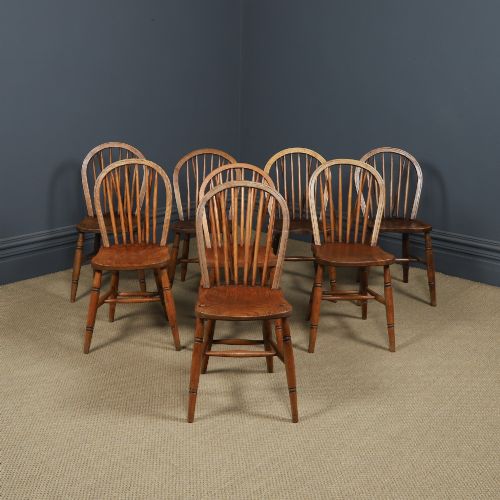
A traditional ash kitchen chair is a vernacular seating form designed for everyday domestic use, frequently found in English country settings. These pieces span the nineteenth century through the early twentieth century, encompassing periods from the Victorian era to Edwardian times. Buyers seeking a traditional ash kitchen chair will encounter forms ranging from single side chairs to large matched sets of dining chairs.
How they were made
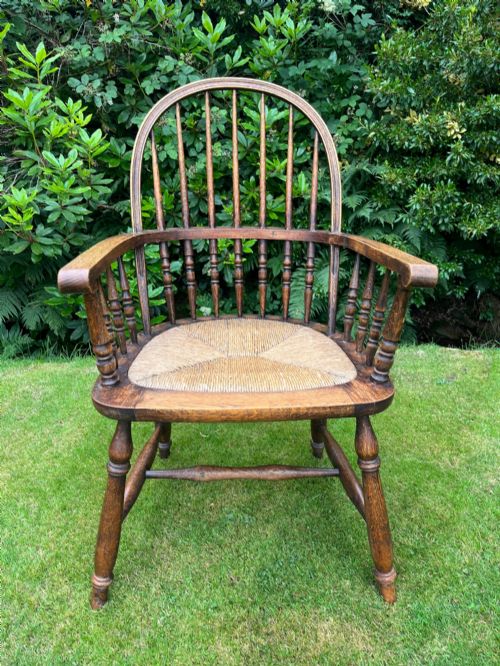
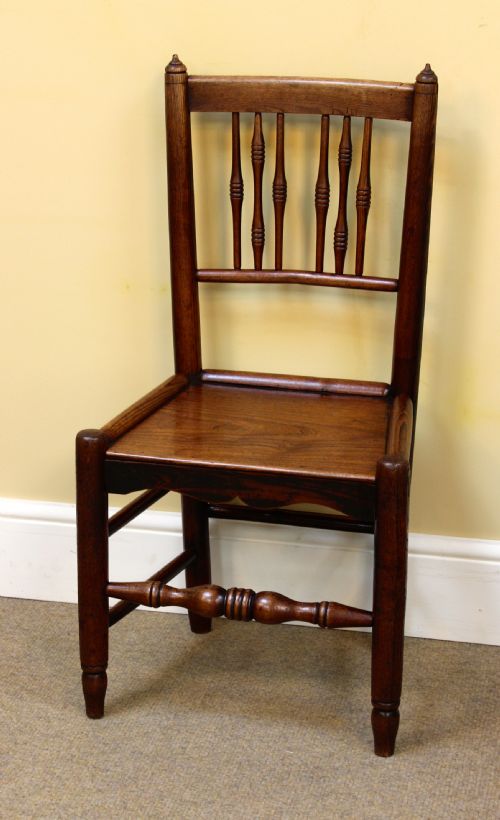
Traditional ash kitchen chairs rely on a combination of woods chosen for specific structural properties, predominantly utilising ash for frames and spindles alongside elm for solid, saddle-shaped seats. Beech and oak also appear within the framework of these vernacular pieces, especially in turned components and stretchers. Craftsmen used steam bending for hoops and backs, mortise and tenon joinery, and traditional turning lathes to shape the uprights.
Traditional Ash Kitchen Chair Retail Price Guide 2026
Typical asking prices for traditional ash kitchen chair among the pieces listed under this phrase on Sellingantiques today, from the lower quarter to the upper quarter. They describe what is for sale here now, not the wider market.
Many nineteenth-century country chairs bear the subtle indentations of generations of elbows polishing the ash spindles.
What varies in quality
Quality in a traditional ash kitchen chair rests on the integrity of the timber selection and the retention of original structural components. Chairs fashioned from well-seasoned ash and elm display superior grain definition and a rich patina developed through prolonged use. The crispness of the turned spindle work and the tightness of the pegged joints distinguish finer workshop output.
The preservation of matching sets and the consistency of the timber across multiple chairs determines desirability for larger dining groups. Harlequin sets demonstrate how chairs were gathered over time, whereas uniform sets reflect unified regional production. A balanced proportion between the saddle seat and the curved backrest marks the success of the maker's design.
The Traditional Ash Kitchen Chair Glossary
- Windsor chair
- A wooden chair built with a solid sculpted seat into which the legs and back spindles are tenoned directly. This form provides robust support through a combination of bentwood hoops and turned uprights.
- Spindle back
- A chair back constructed from multiple slender turned wooden rods. These vertical members distribute weight evenly and offer a light yet rigid support.
- Ladder back
- A chair featuring horizontal arched slats between the rear uprights. This traditional vernacular design often accommodates a woven rush seat.
- Rush seat
- A seating surface woven from dried marsh rushes around a wooden frame. This technique yields a resilient, textured pad common in country ladder back chairs.
- Patina
- The deep surface sheen and coloration acquired by wood over centuries of use and cleaning. A desirable finish shows subtle variations brought by age.
Traditional Ash Kitchen Chair: Frequently Asked Questions
How do I care for an ash chair?
Maintain the wood by applying occasional light furniture wax to nourish the dry ash and elm surfaces. Avoid placing antique seating near direct heat sources or rapid temperature shifts.
Keep the timber away from prolonged moisture to preserve the natural grain and prevent joint loosening over time.
Are these chairs comfortable for daily use?
Most traditional kitchen chairs feature saddle-shaped wooden seats sculpted to fit the body comfortably. Their sturdy vernacular construction supports upright sitting postures for dining or working.
Adding loose cushions can soften the wooden seat for extended seating during meals.
How can I date a country chair?
Examine the tool marks, timber selection, and construction methods used in the undercarriage and seat joints. Hand-turned spindles and early nineteenth-century wear patterns indicate older vernacular production.
Compare the style of the hoop, stick back, or ladder arrangement against known nineteenth and early twentieth-century regional forms.
What is a harlequin set?
A harlequin set consists of chairs sharing a similar vernacular style and timber palette, gathered together rather than made as a single batch. These groups often match in general height and silhouette while displaying individual variations in turning.
Such sets offer a collected aesthetic suited for traditional dining spaces.