


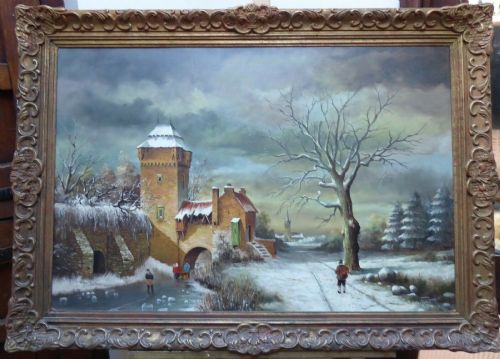
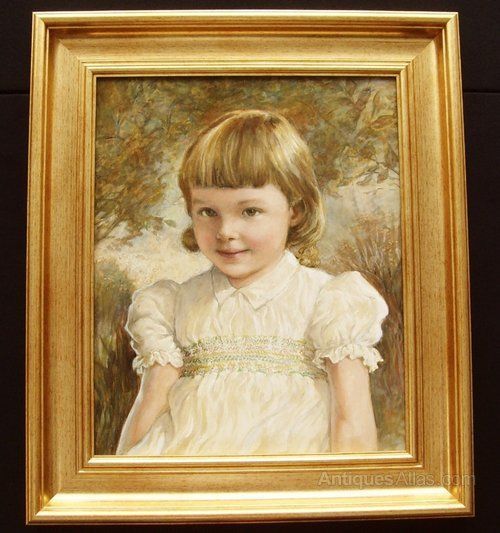
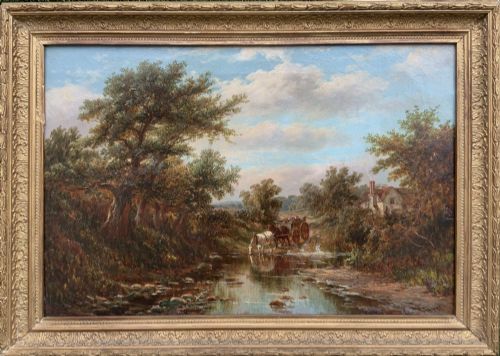
Traditional Artwork
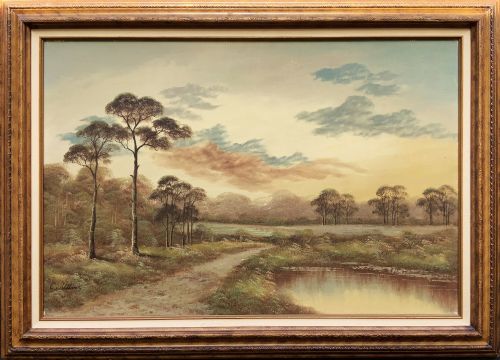
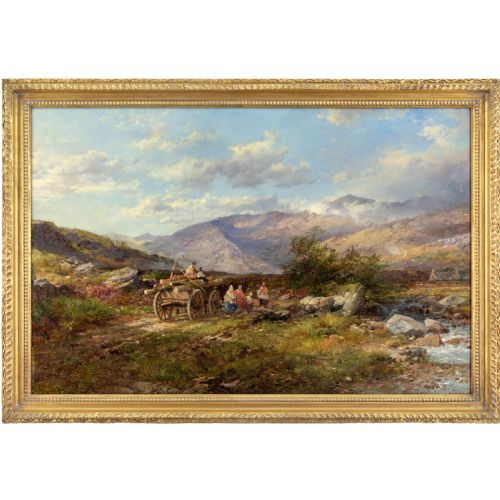
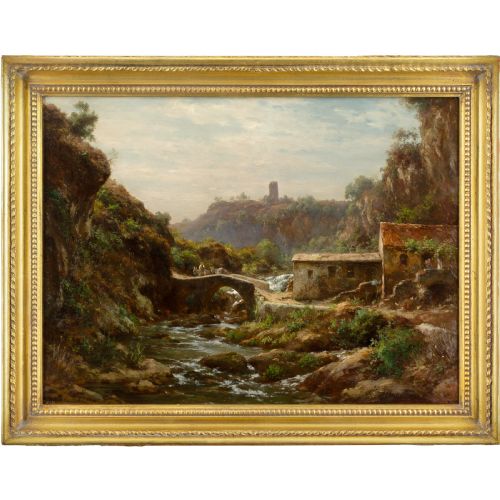
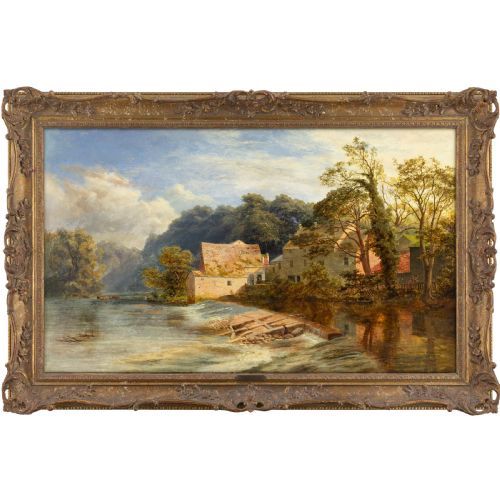
Traditional artwork comprises oil paintings, watercolours and framed pictures spanning centuries of European and British painting traditions.
Traditional Artwork
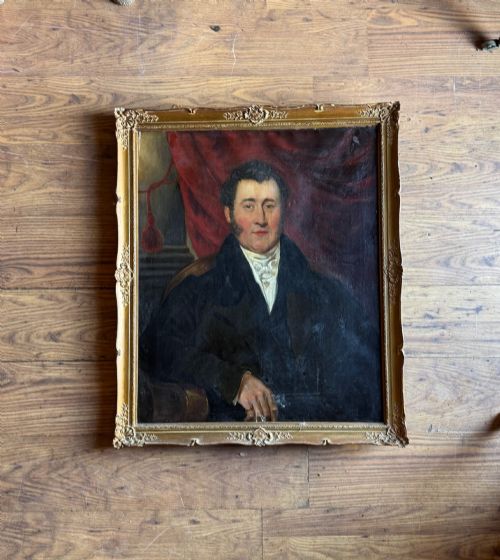
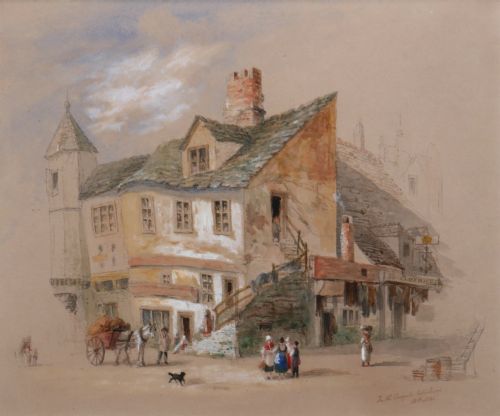
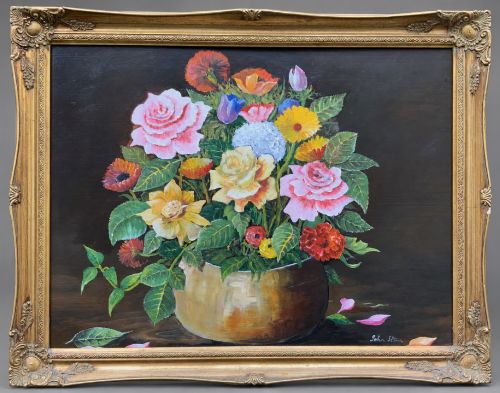
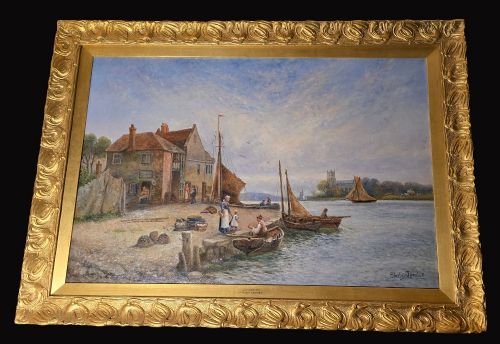
Traditional artwork encompasses painted and drawn works on canvas and paper, covering subjects such as landscapes, portraits, sporting scenes and still lifes. When exploring traditional artwork, buyers encounter pieces originating from the eighteenth century through to the mid-twentieth century.
Materials and construction methods
Painters utilised oil paint applied to stretched canvas or board, alongside watercolour pigments on paper. Canvases frequently rely on wooden stretchers to maintain tension across the painted surface.
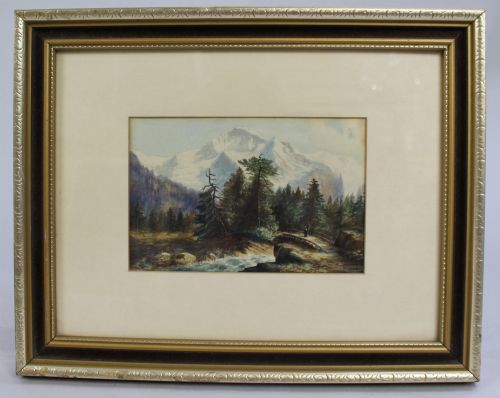
Frames incorporate carved wood overlaid with gesso and gold leaf or gilt finishes. These mouldings often match the depth and decorative style associated with European and British framing traditions.
Traditional Artwork Retail Price Guide 2026
Typical asking prices for traditional artwork among the pieces listed under this phrase on Sellingantiques today, from the lower quarter to the upper quarter. They describe what is for sale here now, not the wider market.
Listings feature works spanning the eighteenth, nineteenth and twentieth centuries, executed in oil and watercolour on canvas and paper.
Distinctions in quality
Quality rests upon the handling of light, brushwork precision and the anatomical accuracy found in figures, animals and landscape elements. Works by documented painters command closer attention for their compositional depth.
The condition of the canvas surface and the originality of the matching gilt frame influence the overall integrity of the piece. Period frames with intact gesso enrich the presentation of older paintings.
William Shayer·Charles Bilger Spalding·James Elliot·Alonso Perez·William Langley·Thomas Rowden·Samuel Joseph Clark·Francesco Guardi·Henry Barraud·Walter Robin Jennings·William Mellor·Hugh Barry-Scott·William Manners·Margaret Sarah Carpenter·E Steele·F Staple·Sir Allan Ramsay·Edmund Bristow
The Traditional Artwork Glossary
- Gesso
- A plaster mix applied to wooden picture frames before gilding. It provides a smooth base for intricate mouldings.
- Dutch School
- A grouping of painters following historical Dutch artistic methods. These works often focus on landscapes, winter scenes and maritime views.
- Sporting Art
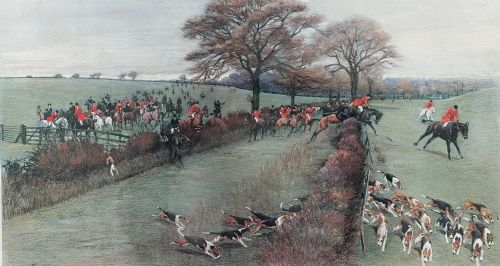
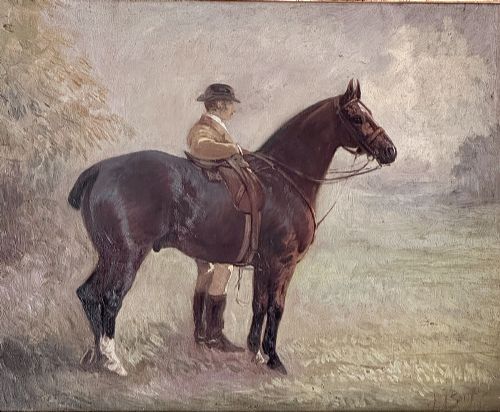
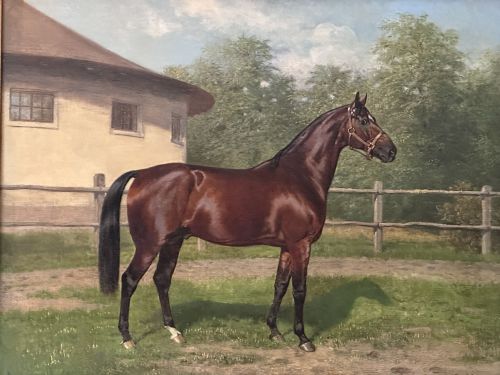
- Depictions of horses, hounds, hunting scenes and equestrian portraits. This genre flourished across the nineteenth century.
- Capriccio
- An architectural fantasy painting combining real and imagined buildings into a single landscape. Italian coastal views frequently appear in this style.
- Still Life
- An arrangement of inanimate objects such as fruit, flowers and banquet items. These compositions highlight texture and light.
Traditional Artwork: Frequently Asked Questions
How do I date an antique oil painting?
Dating relies upon examining the canvas type, stretcher construction, nail or staple methods and the ageing of the oil paint layers. Stylistic clues within the clothing and landscape details also point to specific decades.
The framing offers additional evidence, as period frames often share the same decade as the artwork they enclose.
What is the difference between oil and watercolour?
Oil paint uses pigments suspended in drying oil, applied to canvas or wood panels to create rich textures and deep colour blending. Watercolours use water-soluble pigments on paper, resulting in a lighter, translucent finish.
Watercolour works require protective glass glazing, whereas oil paintings remain exposed to the air.
How should I clean a framed oil painting?
Dust accumulates gently on canvas surfaces and ornate gilt frames over time. Professional conservators should handle deep cleaning or varnish removal to avoid damaging the underlying paint.
Keep framed art away from direct sunlight and damp environments to protect the canvas and wooden structure.
What subjects are common in nineteenth century art?
The nineteenth century produced numerous rural landscapes, coastal scenes, equestrian portraits and sporting paintings. Artists focused heavily on pastoral life, agricultural harvests and domestic animal studies.
Scenes of hunting, coaching and shipping reflect the prominent interests of buyers during that era.