




Traditional Animal Oil Portrait
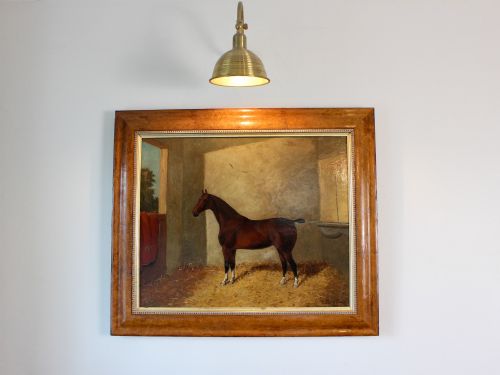
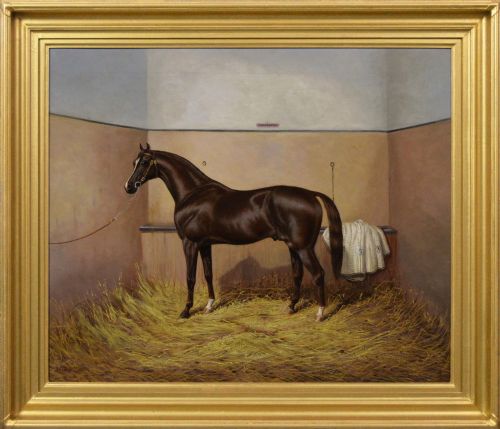
A traditional animal oil portrait captures the distinct character of horses, dogs and livestock across the nineteenth and twentieth centuries.
Traditional Animal Oil Portrait
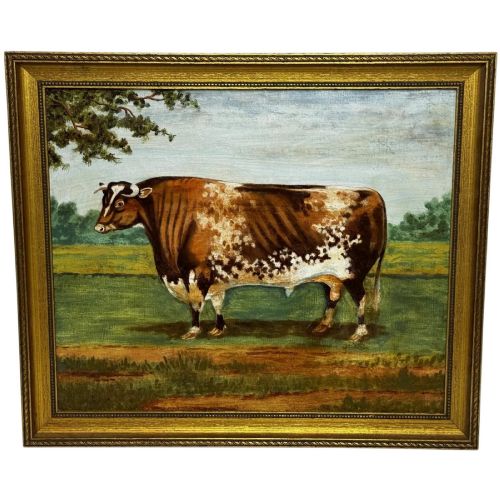
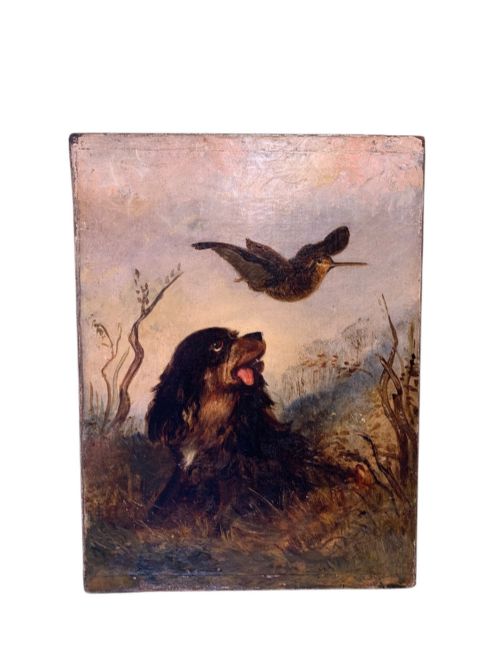
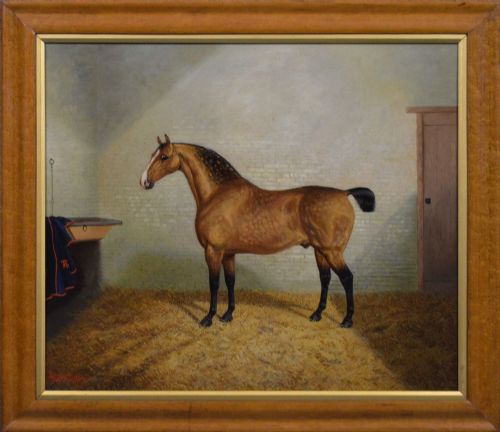
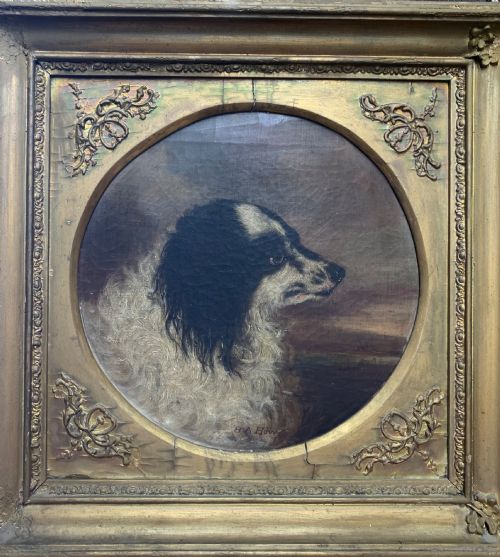
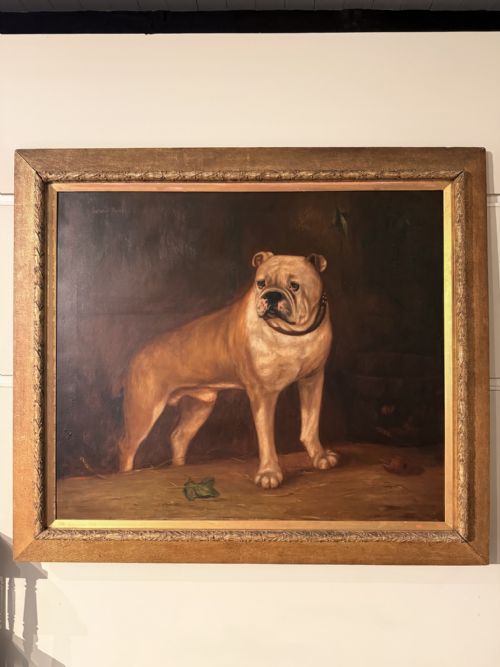
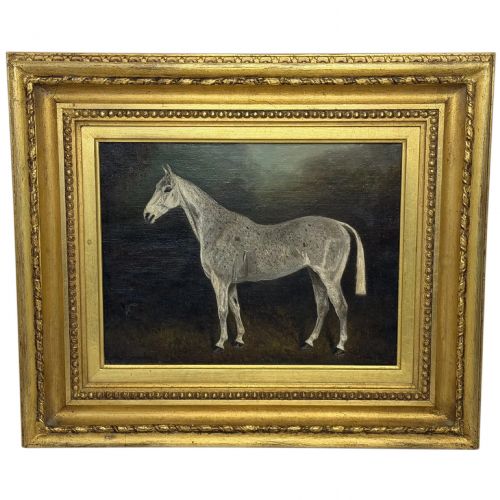
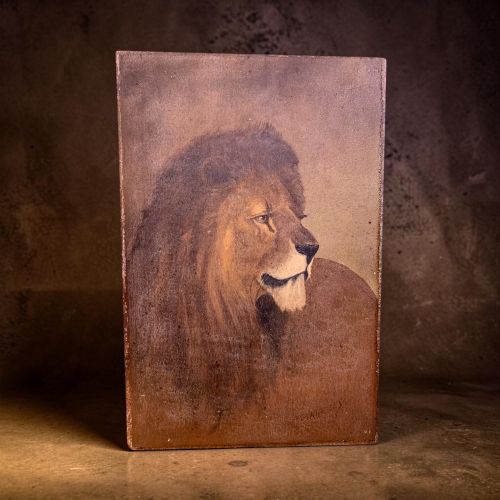
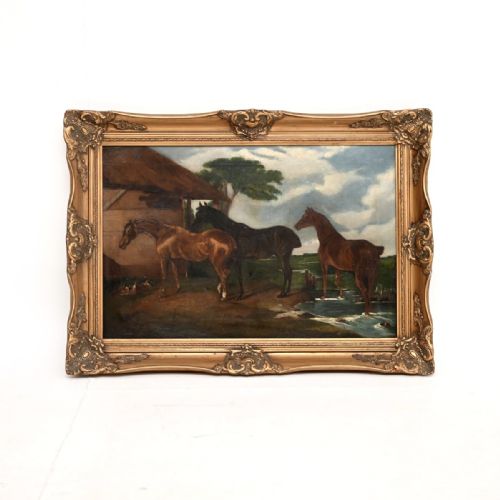
A traditional animal oil portrait depicts individual horses, dogs, cattle, sheep and farm animals with remarkable realism or naive charm. These works span the Victorian period through the mid-twentieth century, capturing prized livestock, hunting hounds and beloved household pets.
Buyers encounter subjects ranging from champion shorthand bulls and racehorses to playful kittens and working border collies. The pieces reflect distinct British sporting traditions, rural landscapes and domestic animal studies produced by named artists and anonymous provincial hands.
How They Were Made
Artists painted primarily in oil on canvas, wood panels or board, utilising oil paint to build rich textures in fur, hair and feather. Canvases frequently sit within period gilt wood and giltwood frames that complement the depth of the pigments.
Brushwork varies from the smooth, precise realism of academic animal painters to the expressive strokes of naive folk art. Pigments capture natural light upon coats, stables and winter snowscapes with careful attention to anatomical detail.
Listings feature works spanning the nineteenth and twentieth centuries, utilising canvas, wood panels and board.
What Varies in Quality
Quality rests upon the artist's command of animal anatomy, posture and expression, separating competent records from masterly character studies. Skilled brushwork brings depth to eyes, coats and musculature, avoiding stiff or disproportionate rendering.
The sophistication of the composition and the integrity of the original canvas and gilt frame influence the piece. Works by recorded animal artists command attention through accomplished handling of light and background detail.
Albert Clark·William Henry Mander·Thomas Sidney Cooper·William Barraud·Fannie Moody·Henri Schouten·Agnes Augusta Tallboys·Valentine Thomas Garland·John W Morris
The Traditional Animal Oil Portrait Glossary
- Oil on canvas
- Pigments bound in a drying oil applied to stretched fabric. This surface provides flexibility and allows artists to build rich layers of colour.
- Gilt wood
- Carved timber treated with a thin layer of gold leaf or metallic gilt. These frames often accompany Victorian and Edwardian paintings.
- Naive art
- Artwork created by an artist without formal academic training. These pieces display charming perspective and direct observation.
- Sporting art
- Depictions of hunting, racing, shooting and prized animals. This genre forms a major part of nineteenth-century British painting.
- Panel painting
- An artwork executed on a flat piece of wood rather than fabric. Panels offer a rigid ground for detailed brushwork.
Traditional Animal Oil Portrait: Frequently Asked Questions
How do I date a traditional animal oil portrait?
Dating relies on stylistic clues, stretcher construction, canvas types and framing materials. Victorian works often show distinct palette choices and heavier gilt frames compared to later Edwardian pieces.
Signatures, inscriptions on the reverse and artist biographies provide further chronological markers. Costume in companion human figures or specific animal breeds can also narrow down the decade of creation.
Where were these animal portraits displayed originally?
Equestrian and sporting paintings hung in country house libraries, estate offices and stable blocks to celebrate prized animals. Smaller domestic dog and cat portraits decorated Victorian and Edwardian parlours and drawing rooms.
Owners commissioned these works to document hunting achievements, champion livestock or beloved household pets. They served as both personal mementos and status symbols for rural landowners.
How should I care for an antique oil painting?
Keep paintings away from direct sunlight, high humidity and dramatic temperature fluctuations to prevent canvas slackening and paint cracking. Gentle dusting with a soft, dry brush maintains the surface without disturbing the pigment.
Avoid using water or chemical cleaners on the canvas or the gilt frame. Professional conservators should handle any cleaning or structural repairs to ensure the preservation of the artwork.
What distinguishes naive animal art from academic work?
Naive paintings feature simplified perspectives, flat planes of colour and a charming directness that bypasses strict anatomical rules. These works originate from provincial or untrained painters who focused on bold character over academic proportion.
Academic portraits demonstrate sophisticated mastery of light, shadow, skeletal structure and texture. Both styles offer distinct historical insights into how people viewed and recorded animals.