



Traditional Anatolian Mat
Traditional anatolian mat weaves bring centuries of regional design and heritage into domestic spaces through patterned floor coverings.
Traditional Anatolian Mat
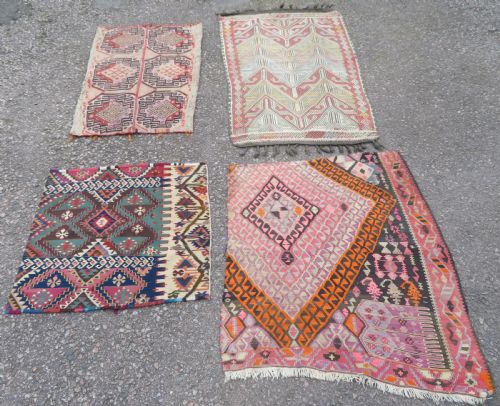
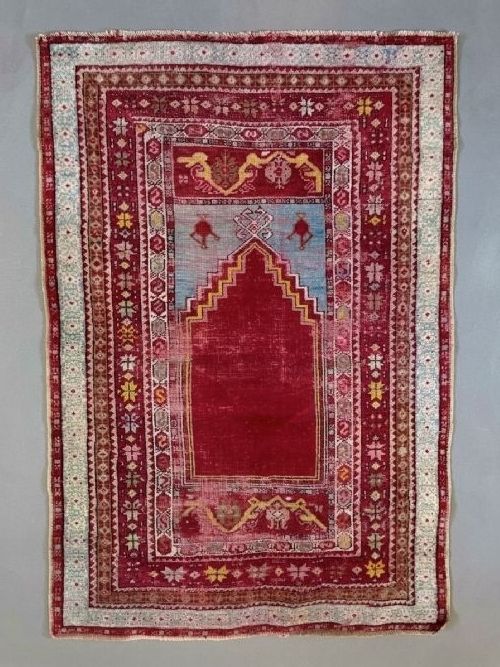
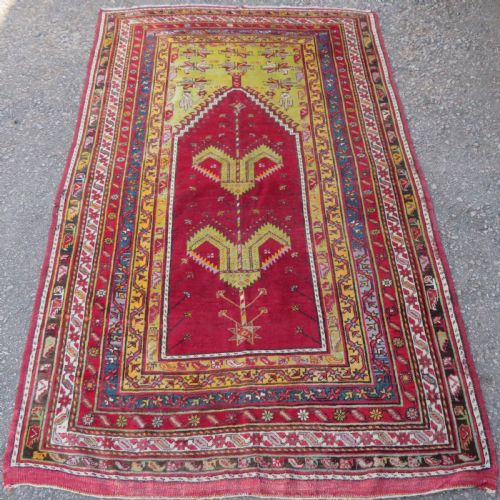
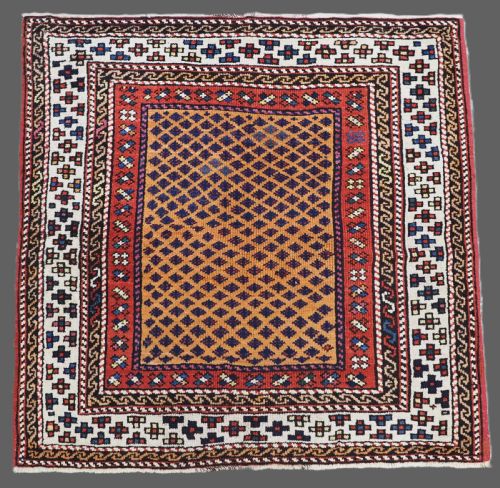
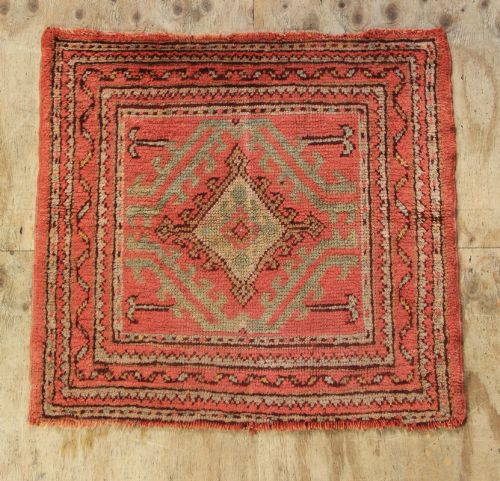
A traditional anatolian mat is typically encountered as a woven village or town rug, often taking the form of a prayer rug featuring a specific architectural niche design. These pieces originate from various Anatolian and Ottoman regions, spanning production dates from the eighteenth century through to the early twentieth century.
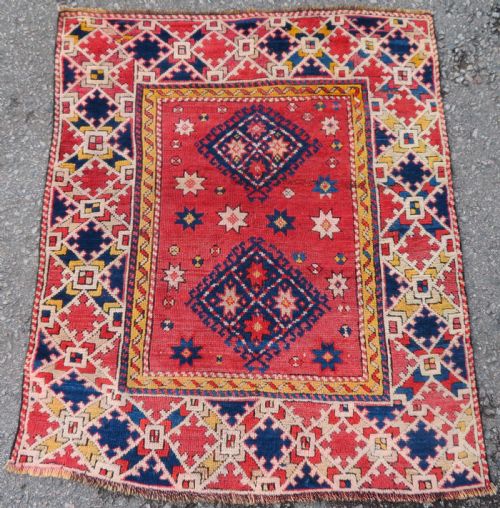
Makers utilised specific regional iconography, resulting in distinct formats such as square sizes, multi-niche safs, and runner variations. The selection includes town workshops alongside rustic village pieces created for domestic utility or prayer.
Materials and construction methods
Weavers relied principally on wool, cotton, and occasional silk, often utilising hand-spun wool for foundation and pile yarns to achieve durability and texture. Natural dyeing methods yielded distinctive palettes, supporting complex lattice designs, star borders, and central grounds.
The construction integrates knotted pile techniques on wool or cotton warps and wefts, creating dense floor coverings designed to withstand sustained use while retaining intricate geometric and floral motifs.
Traditional Anatolian Mat Retail Price Guide 2026
Typical asking prices for traditional anatolian mat among the pieces listed under this phrase on Sellingantiques today, from the lower quarter to the upper quarter. They describe what is for sale here now, not the wider market.
Several pieces preserve small weaver errors in symmetry, where intentional layout breaks ward off the evil eye.
Distinctions in execution and material grade
Quality separates through the precision of the knotting, the fineness of the spin in the wool, and the clarity of the dyes used across the field. Superior examples display balanced proportions in medallions and borders, alongside careful handling of secondary motifs.
The integrity of the foundation warps and wefts determines structural longevity, while workshop pieces often show greater refinement in detail compared to rustic village outputs.
Kirsehir·Bergama·Oushak·Ghiordes·Ladik
The Traditional Anatolian Mat Glossary
- Prayer rug
- A small format rug featuring a mihrab or architectural niche design indicating the direction of prayer. These pieces served devotional purposes in domestic settings.
- Mihrab
- The arched niche design at one end of a prayer rug, representing the direction of Mecca. It forms the focal point of many Anatolian compositions.
- Warp
- The vertical threads stretched lengthwise on the loom before weaving begins. The pile knots are tied around these foundational elements.
- Weft
- The horizontal threads passed alternately over and under the warp threads to bind the knots in place. They stabilise the structure of the woven textile.
- Saf
- A multiple-niche prayer rug designed for several people to pray simultaneously. These elongated formats contain consecutive arches along the field.
Traditional Anatolian Mat: Frequently Asked Questions
How were traditional prayer rugs used?
These textiles served primarily as portable devotional spaces for daily Islamic prayers within domestic interiors. Users positioned the pointed arch towards Mecca during worship.
Beyond religious use, many finer examples functioned as decorative wall hangings or table covers in wealthy households, preserving their condition over generations.
Where were these pieces woven?
Production centred on various towns, villages, and nomadic camps across Anatolia and the broader Ottoman Empire. Specific weaving districts developed distinct regional designs and colour palettes.
Prominent centres included Ghiordes, Bergama, Kirsehir, and Ladik, each contributing recognizable structural characteristics and border motifs to the regional corpus.
How do I care for an antique rug?
Gentle, regular vacuuming without a rotating brush prevents dust accumulation within the wool pile. Professional conservation cleaning maintains the integrity of natural dyes.
Keeping the textile away from direct, prolonged sunlight prevents fading of the wool and silk fibres, while breathable rug underlays protect the foundation.
How do I distinguish regional types?
Distinctions rely upon examining the specific border patterns, palette choices, and the shape of the prayer niche. Village pieces often display rustic geometry, while town workshops show greater curve precision.
Structural analysis of the knot counts, warp depression, and edge finishes further clarifies the specific Anatolian district of origin.