





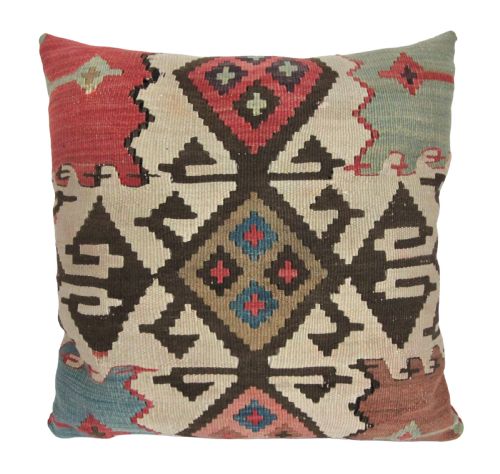


Traditional Anatolian Kilim
A traditional anatolian kilim brings geometric pattern and rich textile history to a floor or wall.
Traditional Anatolian Kilim
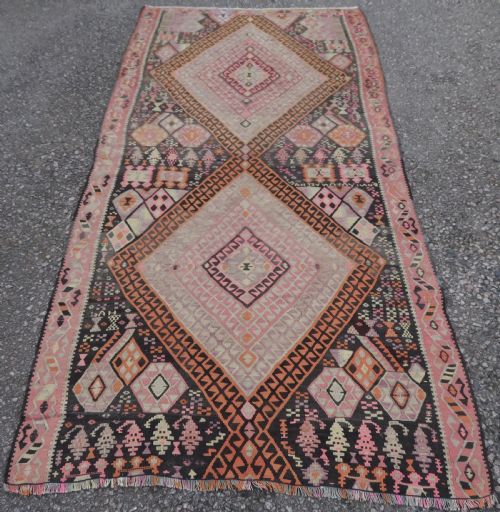
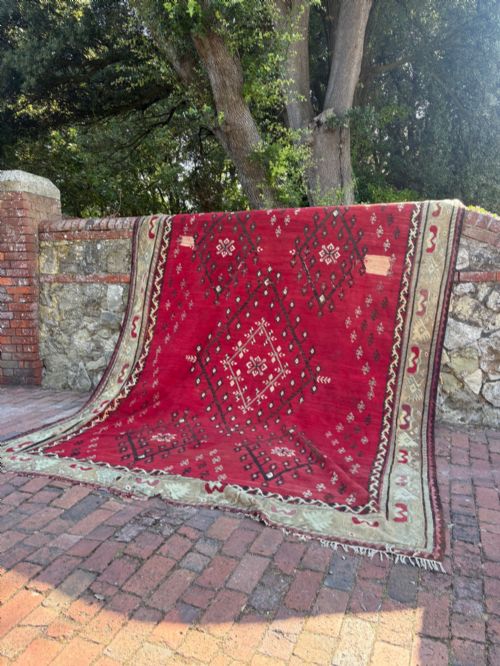
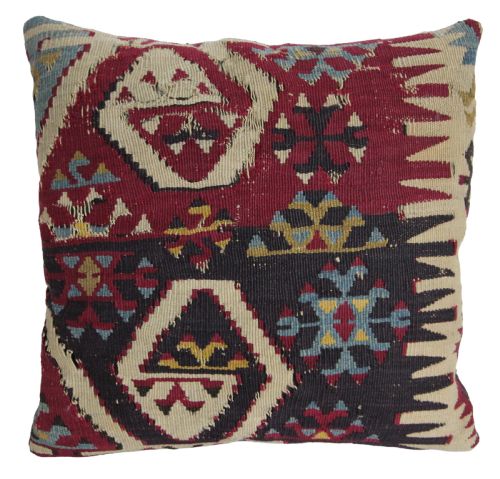
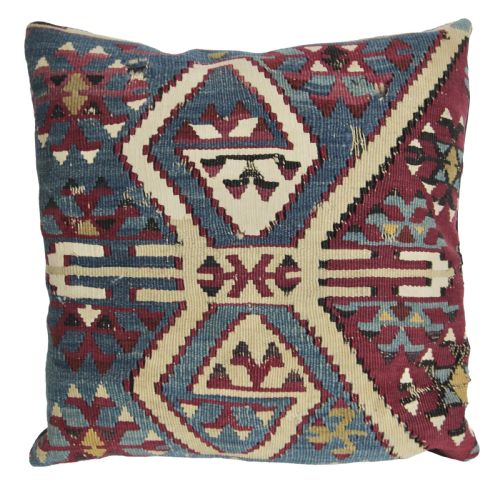
Traditional anatolian kilim pieces encompass flatweave rugs, runner rugs, and smaller decorative cushions originating from various regions of Anatolia. The selection spans the mid-nineteenth century through the early twentieth century, reflecting distinct regional weaving traditions.
Buyers will encounter large room-sized carpets alongside narrow runners and cushion covers repurposed from older textiles. These textiles derive from specific towns and districts including Malatya, Konya, Ushak, and Bergama.
Regional variations dictate the motifs and composition found on each piece. Specific formats include prayer kilims and two-part woven carpets joined centrally.
How they were made
These flatweave textiles are constructed using wool and cotton yarns, relying on slit-weave techniques where different colour blocks meet without interlocking warp threads. This method creates the characteristic crisp geometric edges and lightweight structure associated with flatweave carpets.
Weavers utilised handspun wool for durability and depth of colour, often combining it with cotton foundations or details. Certain regional pieces incorporate supplementary embroidery techniques such as cicim work to add texture and raised pattern to the flat surface.
Traditional Anatolian Kilim Retail Price Guide 2026
Typical asking prices for traditional anatolian kilim among the pieces listed under this phrase on Sellingantiques today, from the lower quarter to the upper quarter. They describe what is for sale here now, not the wider market.
Production dates span from eighteen-fifty to nineteen-forty, representing multiple Anatolian weaving regions.
What varies in quality
Quality rests in the clarity of the regional design and the vibrancy or subtlety of the palette achieved through dye selection. Pieces displaying well-balanced proportions and strong graphic impact command attention.
The integrity of the flatweave structure and the handling of timeworn repairs influence the overall cohesion of a piece. Original regional characteristics and intact borders distinguish superior examples from standard specimens.
Karakecili tribe weavers·Malatya village workshops
The Traditional Anatolian Kilim Glossary
- Flatweave
- A textile produced without a pile by interlocking warp and weft threads together. This technique results in a thin, tapestry-like fabric suitable for floors and wall hangings.
- Slitweave
- A construction method in flatweave textiles where the weft yarn turns back at the boundary of a colour area, leaving a small vertical slit. Weavers use this technique to achieve sharp geometric outlines.
- Cicim
- A supplementary weft-float embroidery technique applied to a woven ground. It creates raised patterns across the surface of the textile.
- Prayer kilim
- A rug featuring a central mihrab design indicating the direction of prayer. These pieces were traditionally used for personal devotion.
- Warp
- The stationary vertical threads stretched on a loom before weaving begins. The weft threads pass horizontally through these structural cords.
Traditional Anatolian Kilim: Frequently Asked Questions
What is a traditional anatolian kilim?
A traditional anatolian kilim is a flatweave textile produced in Turkey using wool or cotton. These pieces include floor rugs, runners, and cushions featuring regional geometric motifs.
They are distinct from piled carpets due to their thin, tapestry-like structure. Weavers created them for domestic use as floor coverings, blankets, and storage sacks.
How are kilims used in interiors?
These flatweave rugs function well on wooden or stone floors, adding warmth and pattern to a room. Larger formats anchor furniture arrangements, while runners suit hallways.
Smaller panels and cushions serve as decorative accents or wall hangings. Their lightweight nature allows for versatile placement across different living spaces.
How do I care for a vintage kilim?
Regular gentle vacuuming without a rotating brush helps remove dust and grit from the flatweave fibres. Professional cleaning suited for antique wool textiles ensures the longevity of the dyes and structure.
Avoiding direct, prolonged sunlight prevents the natural colours from fading prematurely. Using a quality underlay keeps the textile stable and reduces friction on the floor.
How do I identify regional styles?
Regional styles depend on specific colour palettes, border arrangements, and geometric symbols characteristic of towns like Malatya, Konya, or Ushak. Certain areas produced two-part rugs joined down the centre.
Examining the weave density and material composition also points toward a specific Anatolian district. Local traditions dictated the distinct visual language found on each textile.