


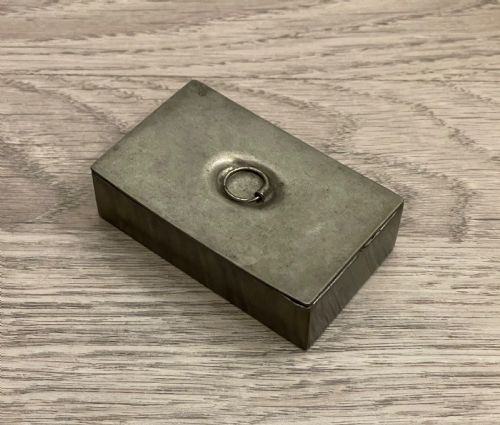


Tin Tobacco Box
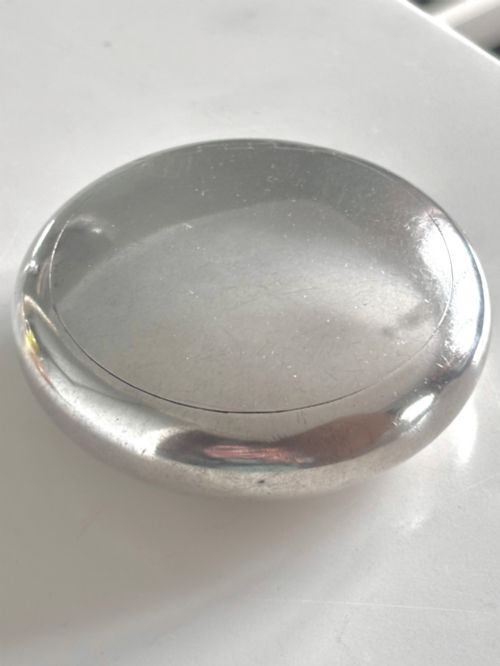
A tin tobacco box is a portable pocket or table container for leaf and plug, prized by collectors for its crisp metalwork and social history.
Tin Tobacco Box
A tin tobacco box encompasses functional pocket containers, storage jars, and table boxes designed to keep leaf fresh and dry. When you search for tin tobacco box, you encounter specimens spanning the eighteenth century through to the art deco period, alongside related snuff boxes and cigarette keepers.
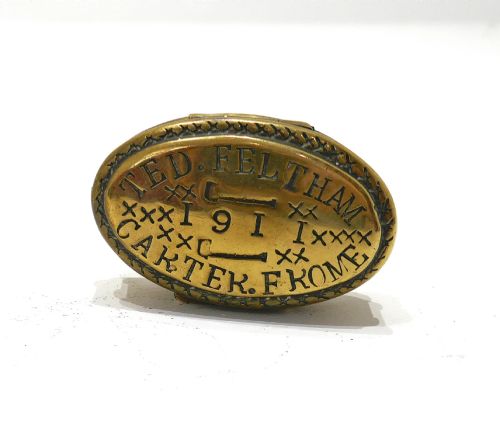
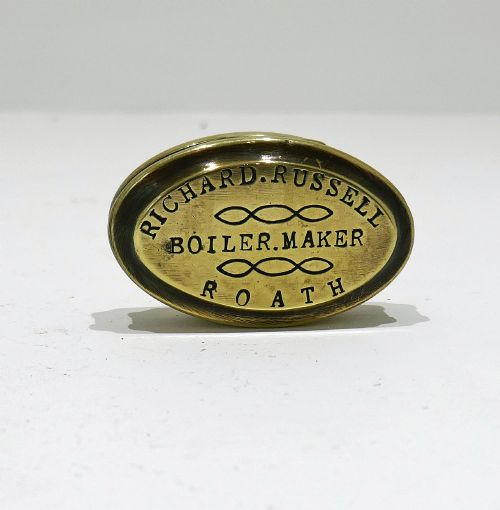
The nineteenth century provides many of the painted tin, brass, and pewter examples found here, often bearing personal engravings, maker names, or trade dates. Alongside these sit continental pieces, including heavy gauge Dutch brass boxes and eighteenth-century German creations detailing historical events like the Battle of Minden.
Form and utility overlap significantly within this category, stretching from utilitarian shop storage tins to silver-mounted military keepsakes and delicate Asian export items. Buyers frequently select these objects for their dense metalwork, historical inscriptions, and direct connection to past smoking habits.
How they were made
Metals form the core of these pieces, utilising brass, copper, pewter, sterling silver, silver plate, and painted tin or sheet metal shaped into robust boxes. Artisans worked sheet metals through folding, soldering, and casting to achieve durable pocket and table containers.
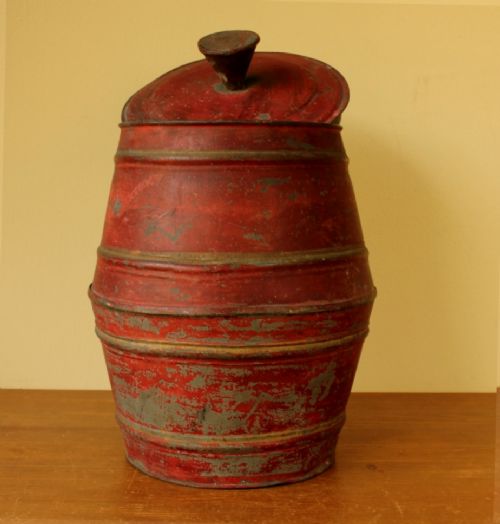
Surface decoration relied heavily on hand engraving, paintwork, and repoussé techniques to apply names, portraits, and commemorative scenes. Toleware techniques brought painted finishes to tin surfaces, while silver-mounted additions provided contrasting textures on commemorative tins.
Listings feature materials spanning brass, sterling silver, copper, pewter, painted tin, and sheet metal across multiple centuries.
What varies in quality
Quality rests upon the crispness of the original engraving and the structural integrity of the hinges and lids, which endure heavy daily handling. Finer specimens display deeply struck maker marks, clean solder lines, and well-preserved painted or patinated surfaces.
Historical depth and documentation elevate particular examples, especially when specific names, dates, or battles connect the metalwork to a documented event or maker. Plain utilitarian tins sit at the accessible end of the scale, while heavy gauge metals with intricate historical scenes command greater attention from collectors.
Mappin and Webb·Nathaniel Mills
The Tin Tobacco Box Glossary
- Tole ware
- Painted or lacquered metalware, typically tin, finished with decorative pigments and varnishes. This technique allowed makers to apply colourful floral or pictorial designs directly onto sheet metal boxes.
- Tobacciana
- Antiques and collectibles related to the consumption, storage, and retail of tobacco. The term covers everything from pocket snuff boxes to shop storage jars and cigarette keepers.
- Repoussé
- A metalworking technique where an artisan hammers metal from the reverse side to create a raised design in relief. It appears frequently on decorative brass and copper boxes of continental origin.
- Pewter
- A malleable alloy composed principally of tin, often combined with copper and antimony. It yields a soft grey finish suited for pocket snuff and tobacco boxes from the nineteenth century.
- Gauge
- The thickness of sheet metal used in construction. Heavy gauge metals denote thicker, more durable plates that resist denting during daily use.
Tin Tobacco Box: Frequently Asked Questions
What is a tin tobacco box used for?
These boxes served to store loose leaf tobacco, plug tobacco, or snuff, keeping the contents dry and aromatic in the pocket or on a table.
Today, they function as decorative small-scale containers for modern collections or desk storage, valued for their compact craftsmanship.
How do I date an antique tobacco box?
Dating relies on stamped hallmarks, maker marks, engraved dates, and the specific style of the metalwork, such as Georgian, Victorian, or Art Deco.
Materials also offer clues, as hand-painted tin and heavy gauge brass dominate eighteenth and nineteenth-century examples, while twentieth-century pieces shift toward lighter sheet metals and silver plate.
Are these boxes made of actual tin?
Many examples utilise painted tin or sheet metal, while others employ robust alloys and metals including brass, copper, pewter, and silver.
The term tin tobacco box frequently acts as a broad category descriptor for pocket metalware rather than a strict specification of the underlying metal.
How should I clean my antique metal box?
Light dusting with a dry microfibre cloth is usually sufficient to remove surface debris without disturbing the historic patina or paintwork.
Avoid abrasive metal polishes, particularly on painted toleware or delicate engravings, to preserve the original surface finish.