



Tin Glaze Wall Plate
A tin glaze wall plate brings centuries of painted earthenware and rich cobalt pigment directly into a modern interior.
Tin Glaze Wall Plate
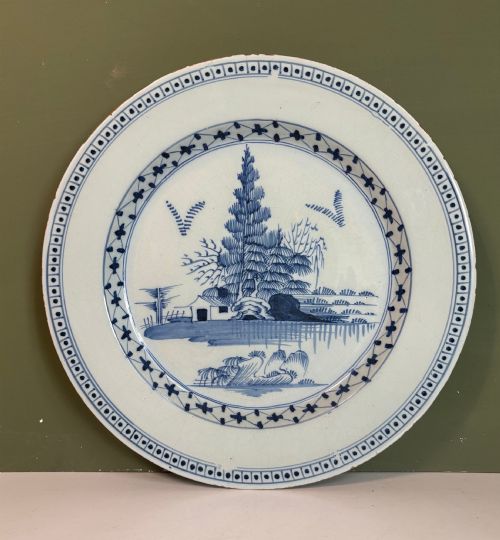
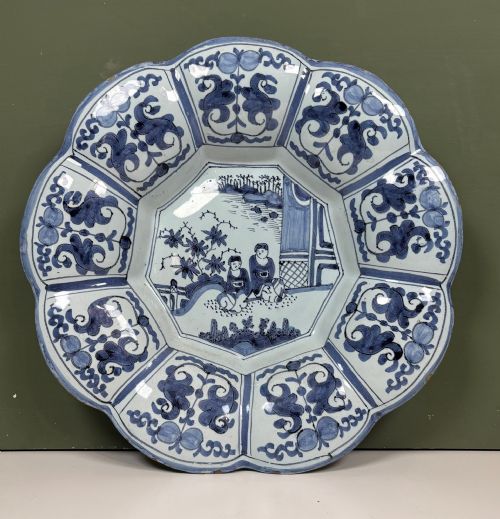
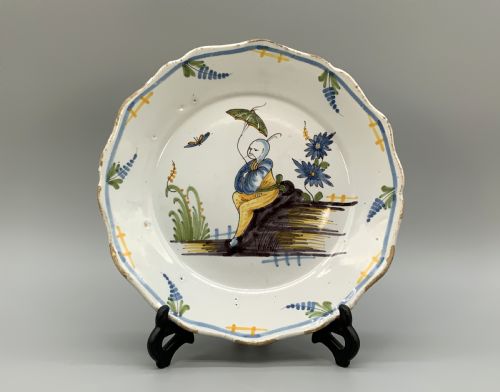
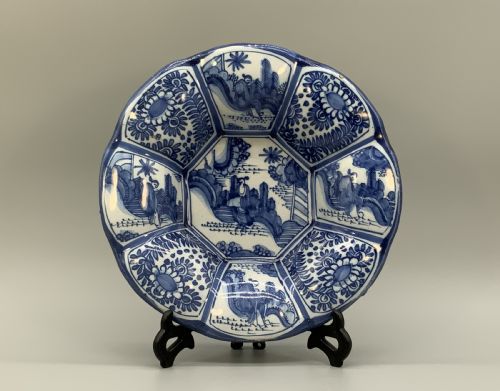
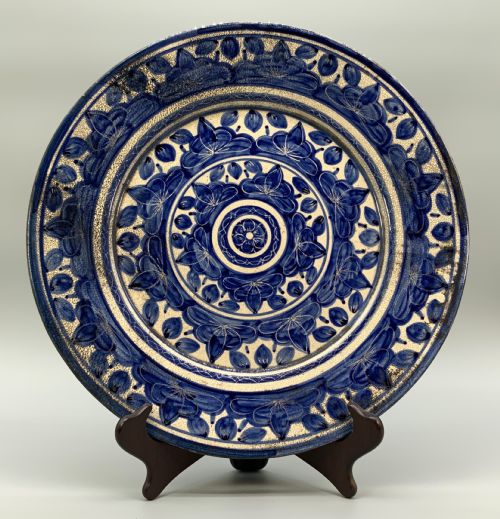
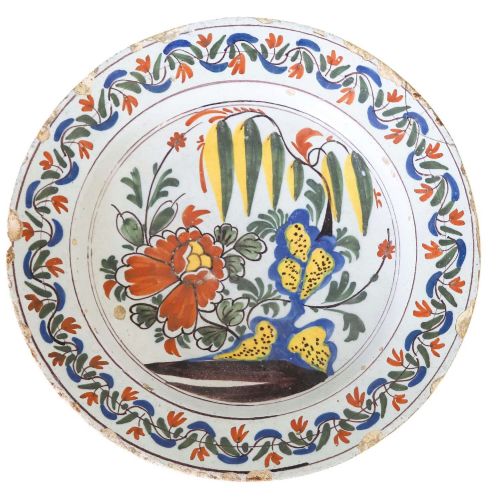
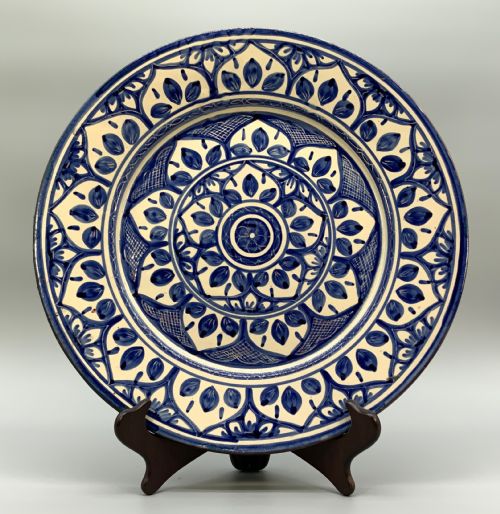
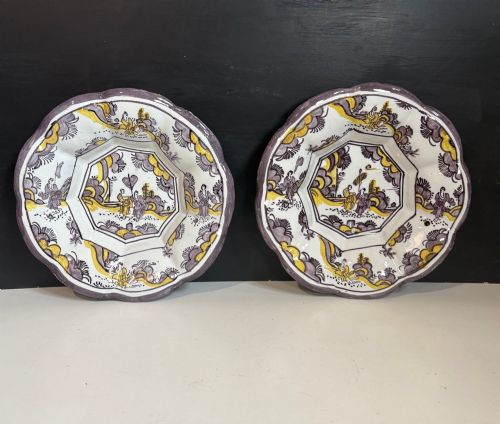
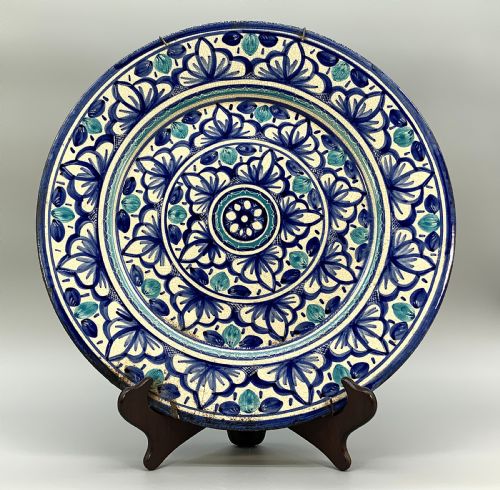
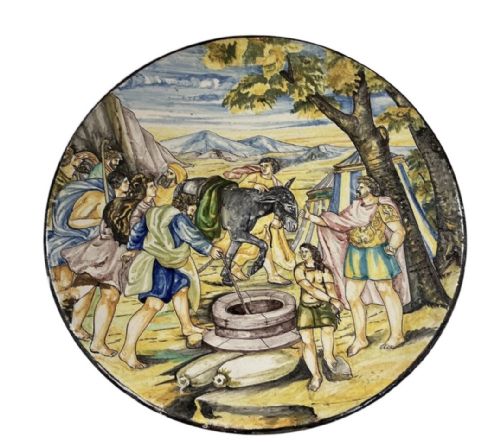
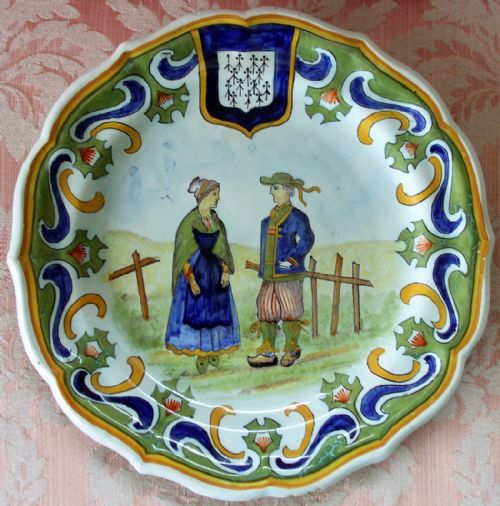
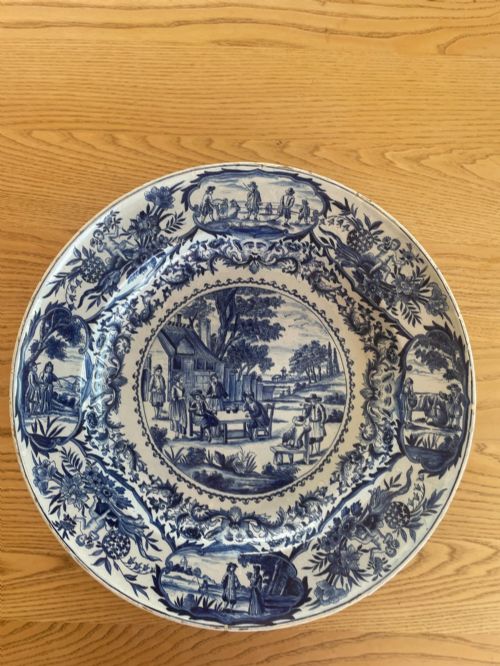
A tin glaze wall plate acts as a broad canvas for painted narratives, floral motifs, and geometric designs across centuries of European production. The search phrase covers chargers, dishes, and large decorative platters intended primarily for display on walls rather than daily dining use.
The pieces appearing on this page span from the seventeenth century through to the twentieth century, with a heavy concentration of eighteenth-century Dutch and English examples. Collectors encounter robust delftware, faience, and maiolica forms that range from modest plates to substantial chargers.
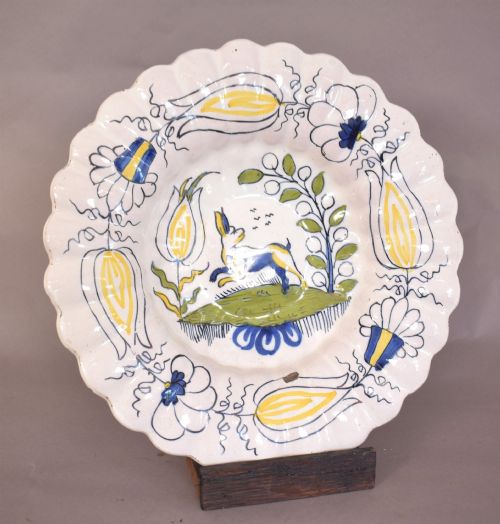
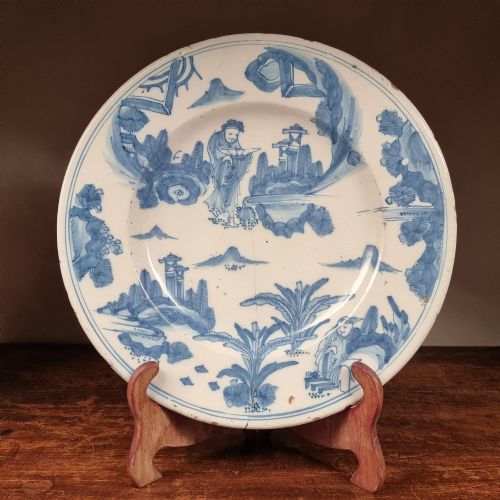
Geographic origins vary widely across the selection, encompassing Dutch workshops, English potteries such as Lambeth, French centres like Desvres, and Spanish or Italian kilns. Stylistic influences stretch from traditional blue and white Chinoiserie to vibrant polychrome palettes and Moorish revival patterns.
Materials and method
Potters built these vessels using earthenware bodies coated in an opaque tin glaze that created a smooth, white background for subsequent painting. Artisans applied cobalt pigment, manganese, and other metallic oxides directly onto the porous surface before the final firing.
The decorative schemes relied on hand-painted brushwork executed quickly by skilled decorators who absorbed the pigment into the absorbent glaze layer. Grand feu techniques and multi-stage firings allowed complex blue and white or polychrome scenes to fuse permanently with the base glaze.
Tin Glaze Wall Plate Retail Price Guide 2026
Typical asking prices for tin glaze wall plate among the pieces listed under this phrase on Sellingantiques today, from the lower quarter to the upper quarter. They describe what is for sale here now, not the wider market.
Some chargers bear kiln-stacking scars on the front where ceramic spurs dug into the wet glaze during firing.
Judging quality and character
Quality rests heavily upon the confidence and clarity of the hand-painted decoration, where fluid brushstrokes and well-composed motifs elevate a piece significantly above stiffer, mechanical copies. The richness and depth of the cobalt pigment or manganese tones contribute directly to the visual impact of the surface.
The integrity of the tin glaze itself dictates much of the physical charm, noting how evenly the opaque coating covers the earthenware body and how successfully it survives fires without excessive crawling or pooling. Well-potted chargers with stable rims and balanced proportions hold their presence far better on a wall.
Lambeth Delft
The Tin Glaze Wall Plate Glossary
- Tin-Glazed Earthenware
- Pottery covered with a lead glaze made opaque by the addition of tin oxide. This creates the characteristic white surface used for painting.
- Charger
- A large decorative plate or platter intended for display on a table or wall rather than for serving food. These pieces form the substantial centrepieces of many collections.
- Polychrome
- Decoration employing multiple colours rather than a single hue. On these wares, palette choices often include yellow, green, blue, and manganese.
- Chinoiserie
- European interpretations of Chinese artistic motifs and styles. The design vocabulary frequently appears on seventeenth and eighteenth-century delftware.
- Maiolica
- Tin-glazed earthenware produced in Italy and associated with Renaissance and revival styles. The technique spread widely across continental workshops.
Tin Glaze Wall Plate: Frequently Asked Questions
What is a tin glaze wall plate?
A tin glaze wall plate is a decorated earthenware dish covered in an opaque white glaze and painted with pigments like cobalt. These items were designed historically to ornament interior spaces.
Craftsmen across Europe produced them in various sizes, ranging from modest plates to massive chargers intended for prominent wall display.
How do I hang a heavy charger?
Large chargers require secure, properly fitted spring hangers or professional mounting systems that distribute the weight evenly around the rim. Avoid relying on simple adhesive discs for heavier earthenware.
Ensure the wall fixings match the substantial weight of seventeenth and eighteenth-century pieces before committing them to display.
Are these plates meant for food?
Historic tin-glazed earthenware is too porous and fragile for modern dining use, especially given the lead content in older glazes. They function strictly as decorative objects.
Displaying them on walls or plate racks keeps the historic surfaces safe from cutlery and moisture damage.