



Timber Shelving Unit
A timber shelving unit brings warmth and structure to a room, offering practical display space through centuries of traditional cabinet-making.
Timber Shelving Unit
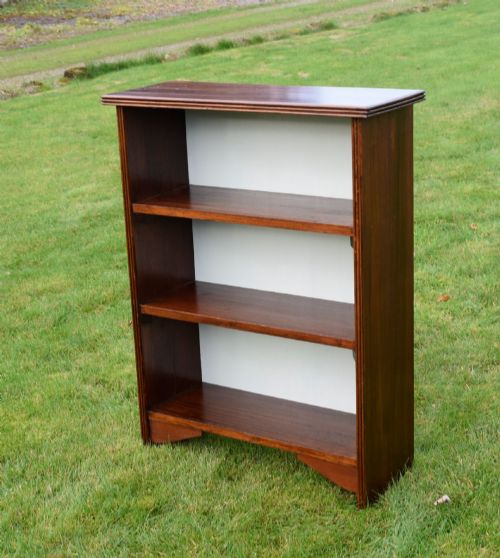
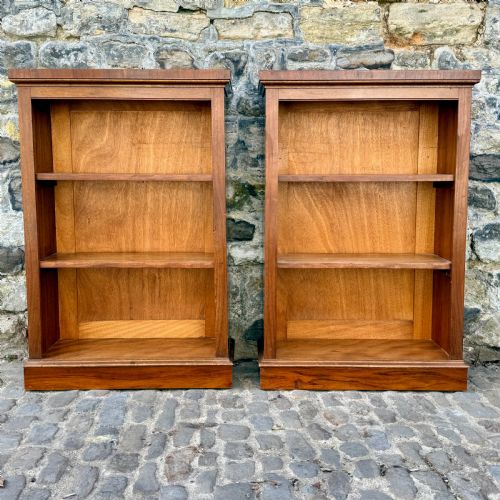
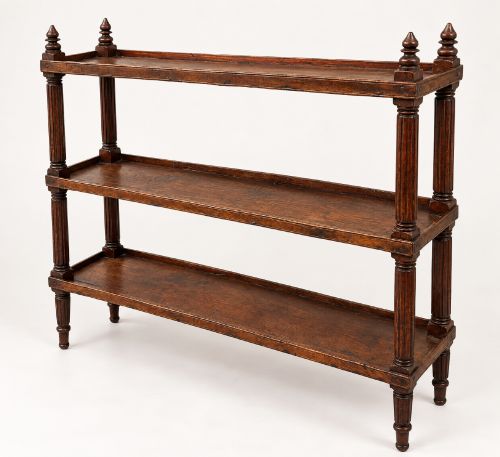
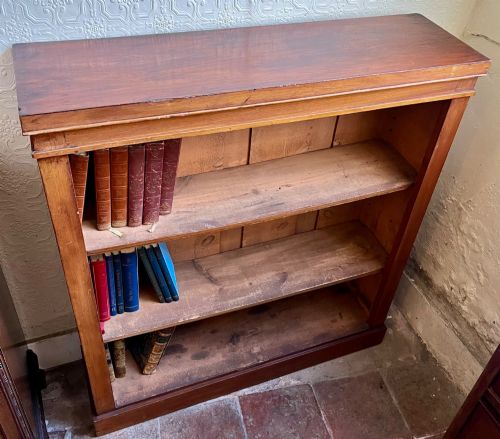
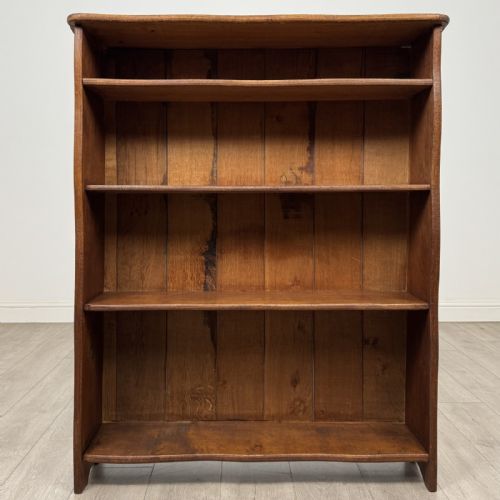
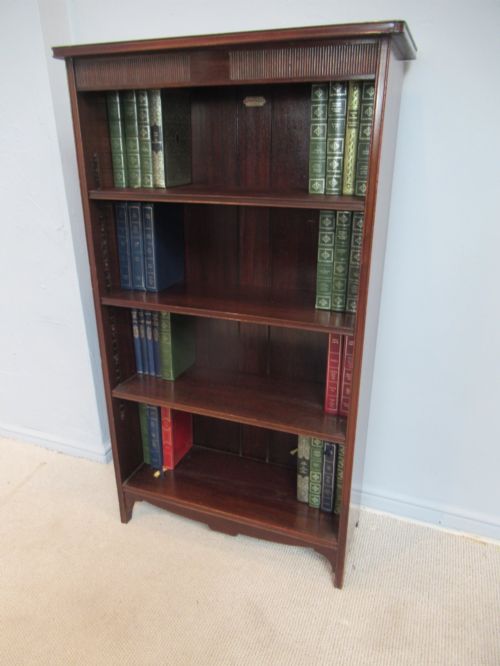
A timber shelving unit serves as a functional fixture for books, display cabinets, and open storage, appearing across Victorian, Edwardian, and earlier nineteenth-century periods. These pieces range from simple wall shelves and dwarf bookcases to multi-tiered whatnots and elaborate display cabinets.
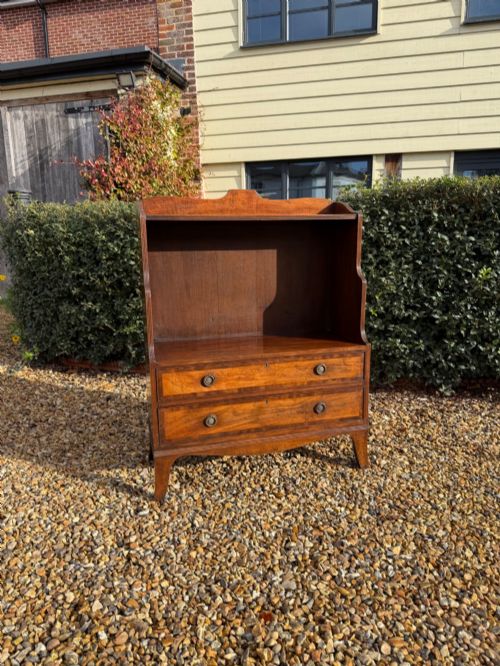
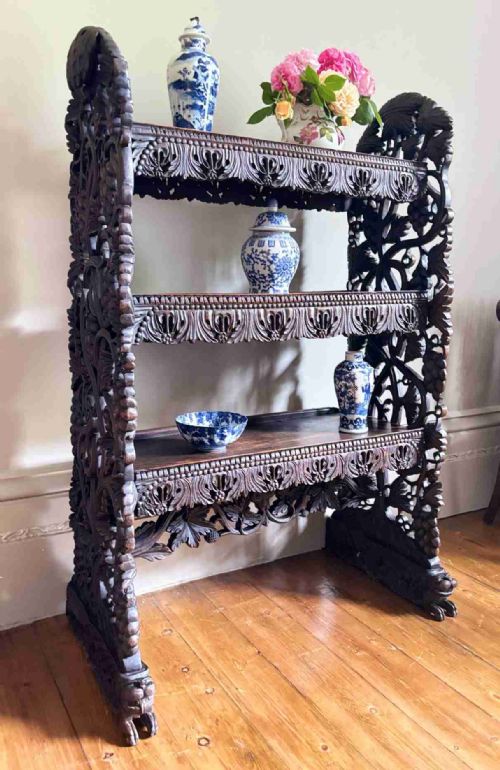
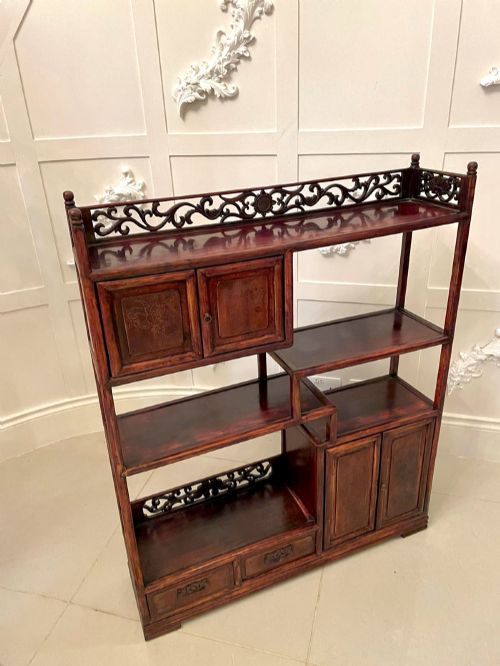
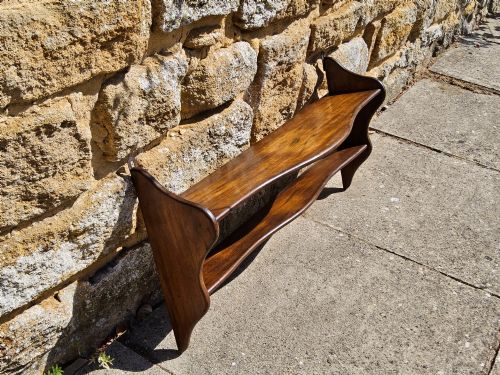
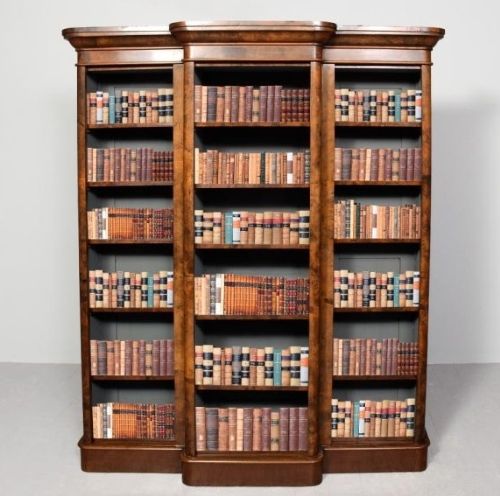
Makers utilised diverse forms such as the waterfall shelf, the breakfront bookcase, and the pigeon hole cabinet to meet domestic storage needs. Regional and stylistic influences span English periods alongside Anglo-Indian and Chinese Qing designs.
Materials and construction
Cabinet-makers relied heavily on mahogany, oak, walnut, and pine, often selecting denser hardwoods like padauk, elm, and satin birch for specific regional or decorative commissions. Brass hardware frequently complemented these timber bodies through hinges, brackets, and handles.
Construction techniques combined traditional joinery with decorative surface treatments, including intricate carving, inlaid details, and painted finishes. Adjustable shelving systems and shaped sides demonstrated advanced carpentry designed to support heavy volumes and display items.
Timber Shelving Unit Retail Price Guide 2026
Typical asking prices for timber shelving unit among the pieces listed under this phrase on Sellingantiques today, from the lower quarter to the upper quarter. They describe what is for sale here now, not the wider market.
Pigeon hole cabinets hide thousands of lost letters inside their tiny wooden compartments, waiting quietly for a new correspondent.
Evaluating craftsmanship and proportion
Quality rests in the selection of timber figures, such as burr walnut or figured mahogany, and the precision of the underlying joinery. Superior examples demonstrate harmonious proportions, well-executed cornices like dentil moulding, and refined detailing that remains structurally sound.
The integration of functional elements, including smooth-adjusting shelves and stable freestanding frames, distinguishes master workshops from standard utility pieces. Finer cabinets often feature profuse, crisp carving and deliberate wood selection that enhances the overall presence of the furniture.
waring and gillows
The Timber Shelving Unit Glossary
- Whatnot
- A set of open shelves used for displaying ornaments and small objects, developed in the Victorian period. These multi-tiered pieces often feature turned supports and delicate proportions.
- Breakfront
- A large cabinet or bookcase whose central section projects forward from the flanking wings. This architectural arrangement creates depth and visual interest in larger rooms.
- Dentil cornice
- A decorative moulding pattern resembling a row of small rectangular blocks beneath the top edge of a bookcase. It derives from classical architecture.
- Shodana
- A traditional Japanese display cabinet featuring asymmetrical shelving and compartments. These pieces showcase intricate woodwork and fine craftsmanship.
- Waterfall bookcase
- A set of open shelves stepped back progressively from top to bottom, resembling the drop of a cascade. The design gained popularity during the Edwardian era.
Timber Shelving Unit: Frequently Asked Questions
How do I style a timber shelving unit?
Balance books of various sizes with decorative objects, ceramics, and framed photographs to create visual weight and rhythm across the shelves.
Leave some negative space around grouped items to prevent the display from feeling cluttered and to highlight the timber grain.
Are these shelves suitable for heavy books?
Many Victorian and Edwardian bookcases feature adjustable timber shelves designed to support substantial libraries without sagging over time.
Examine the thickness of the boards and the support brackets to ensure they meet your specific storage requirements.
How do I distinguish Victorian from Edwardian pieces?
Victorian timber shelving tends to feature darker woods, heavier proportions, and more ornate carving or turned supports.
Edwardian designs often display lighter timbers, satinwood inlay, and a greater emphasis on delicate, airy forms like the waterfall shelf.
Can I place a timber shelf in direct sunlight?
Prolonged exposure to direct sunlight can fade polished mahogany, walnut, and oak surfaces, drying out the natural timber over time.
Position your unit away from south-facing windows or use window treatments to protect the finish and maintain the wood colour.