

Timber Bedroom Furniture
Timber bedroom furniture brings together centuries of skilled cabinet-making, offering solid storage and sleeping pieces shaped from oak, mahogany, walnut, and pine.
Timber Bedroom Furniture
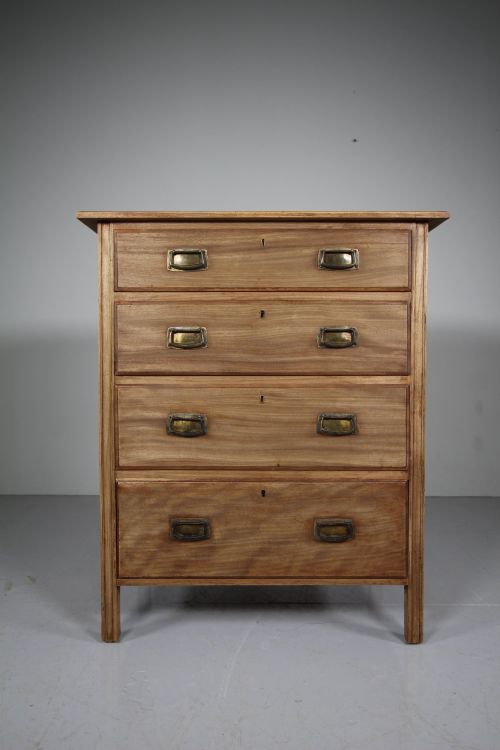
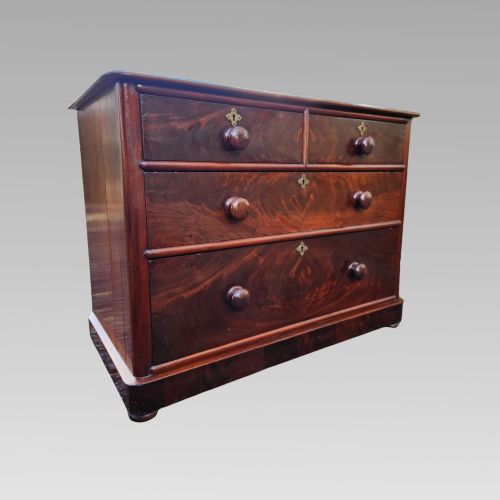
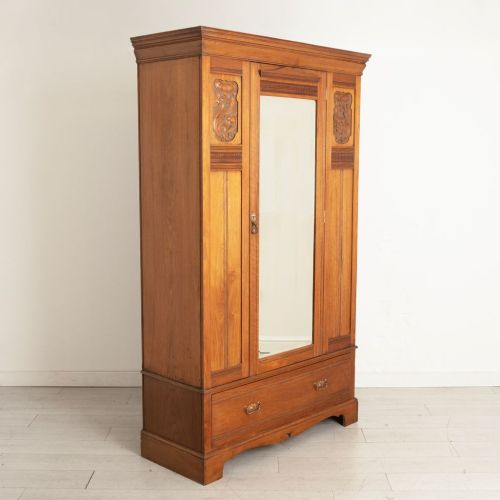
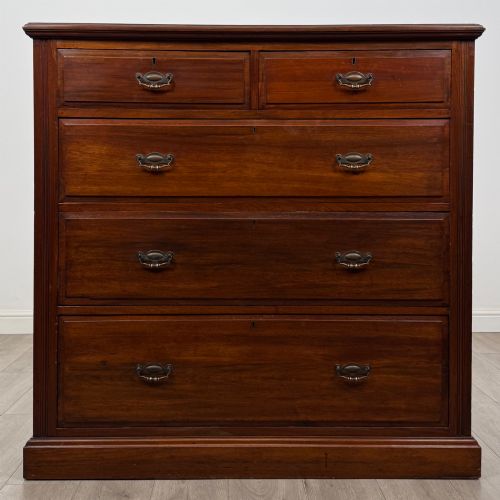
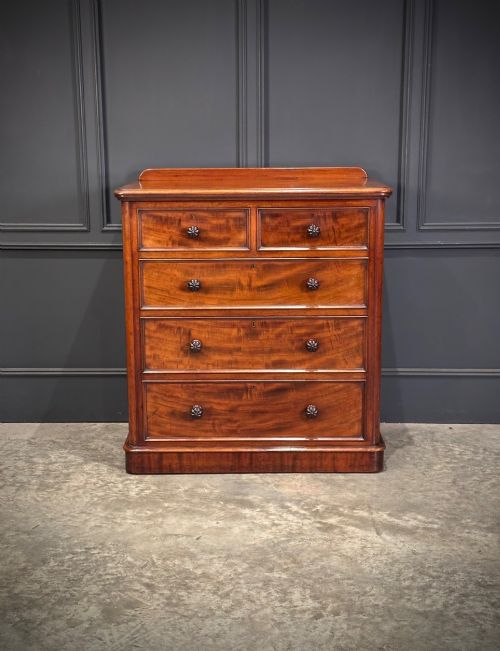
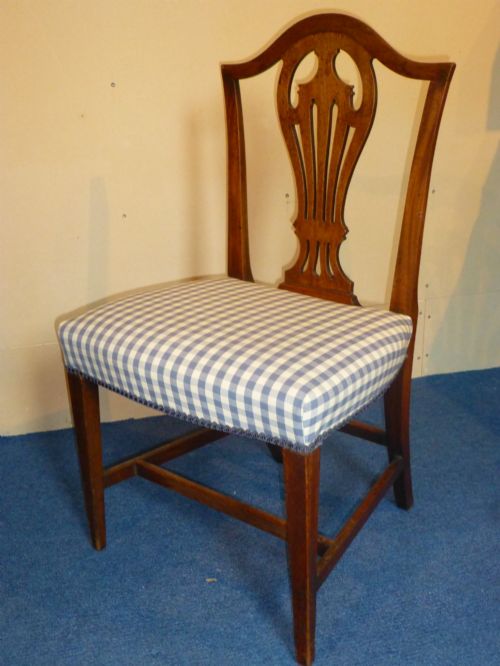
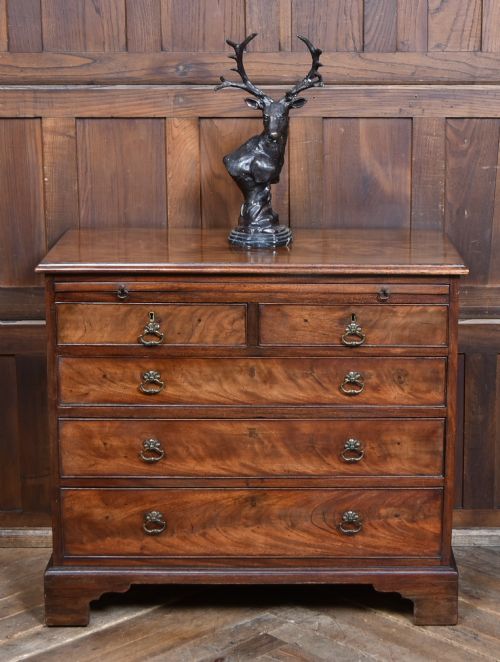
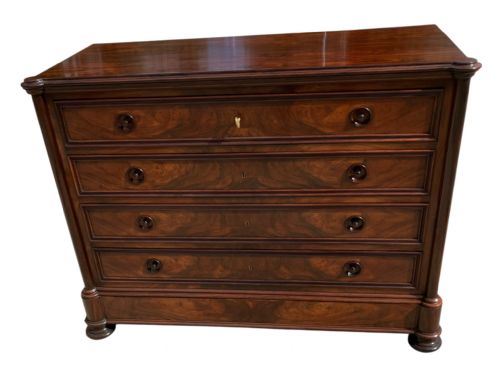
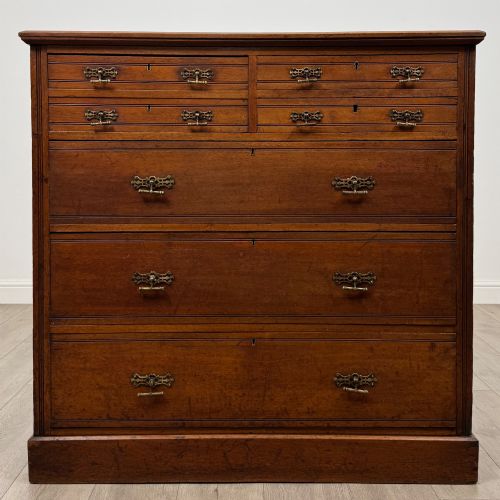
Timber bedroom furniture covers essential domestic pieces designed for sleeping, dressing, and storage, spanning from the solid forms of the Georgian and Victorian eras through to the sleek designs of the 1930s. When exploring timber bedroom furniture, chests of drawers appear most frequently alongside wardrobes, bedside cabinets, and dressing tables.
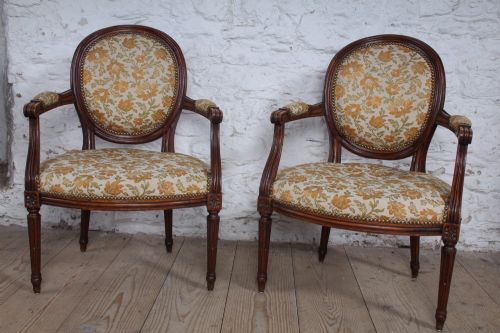
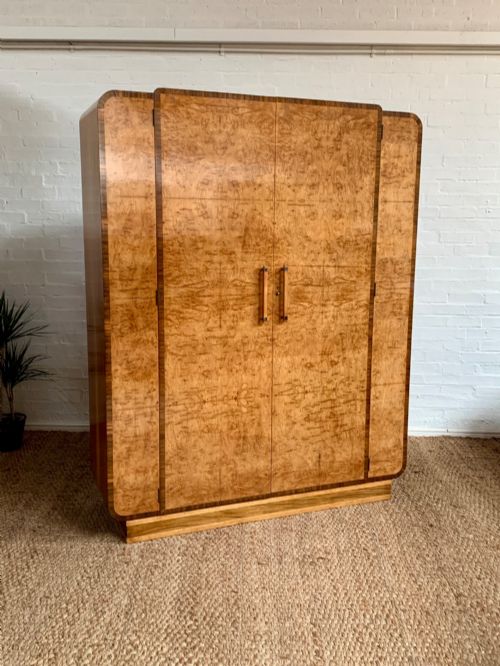
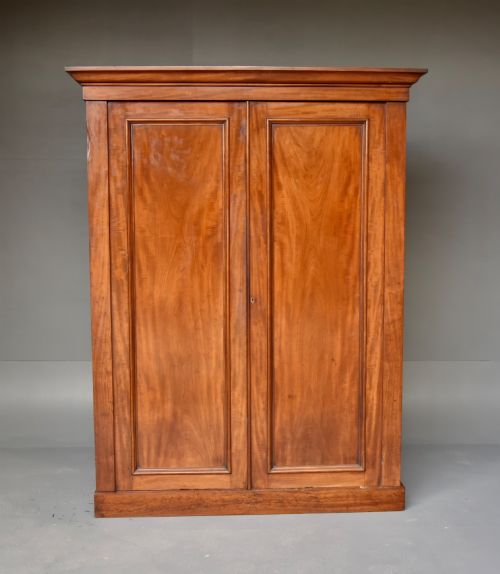
The selection ranges from early oak Jacobean pieces and George III mahogany presses to Edwardian satinwood chests and Art Deco burr walnut wardrobes. Buyers encounter diverse regional styles, including French Provincial commodes and Cotswold School dressing chests.
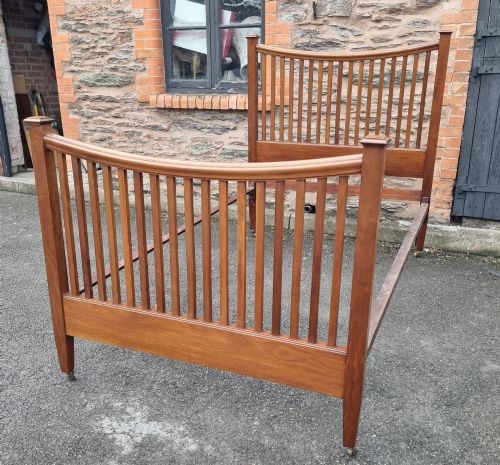
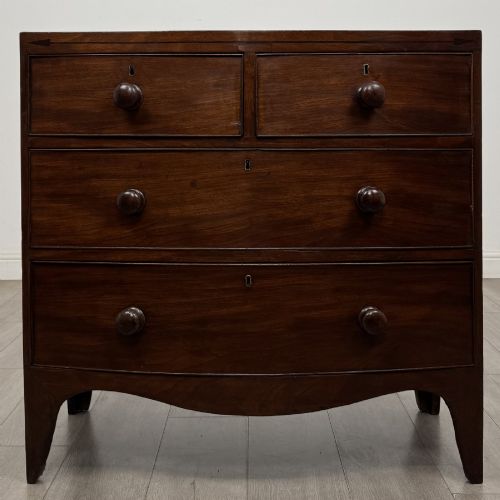
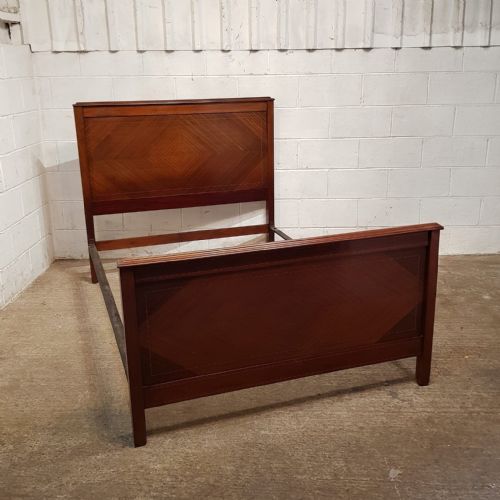
Object forms vary from tall Wellington chests and bow-fronted designs to kidney-shaped dressing tables and double bedsteads. Each piece reflects the domestic requirements and aesthetic tastes of its specific period, utilising local and imported woods.
How They Were Made
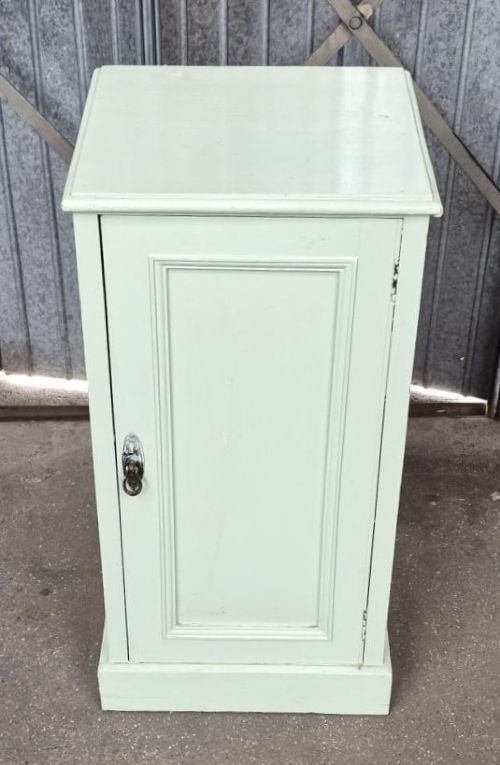
Cabinet-makers utilised primary hardwoods such as oak, mahogany, walnut, and satinwood for visible surfaces and structural integrity, often incorporating pine for secondary framing and drawer linings. Surface decoration relied on natural grain patterns, French polishing, and occasional painted finishes like country house scumble paint.
Construction techniques evolved from heavy joinery in earlier oak pieces to refined veneering and turning in Victorian and Edwardian examples. Brass hardware, mirrored door glass, and marble tops were integrated into wardrobes, washstands, and chests to enhance both utility and appearance.
Timber Bedroom Furniture Retail Price Guide 2026
Typical asking prices for timber bedroom furniture among the pieces listed under this phrase on Sellingantiques today, from the lower quarter to the upper quarter. They describe what is for sale here now, not the wider market.
Listings feature timber bedroom furniture spanning the Georgian, Victorian, and Edwardian eras, constructed in mahogany, walnut, oak, satinwood, and pine.
What Varies in Quality
Quality rests upon the selection of timber veneers and solid stock, where rich burr walnut, figured mahogany, and quarter-sawn oak distinguish superior pieces from standard pine utility items. The precision of drawer construction, dovetailing, and the retention of original brass handles dictate the enduring integrity of chests and wardrobes.
Design sophistication also separates workshop productions from mass output, visible in curved 'D' fronts, bow-fronted frames, and detailed marquetry or carving. Attribution to known makers such as Shapland & Petter, Waring & Gillow, or Jas Shoolbred elevates the standing of individual pieces.
Shapland & Petter·Jas Shoolbred·Heal & Son·Waring & Gillow·C. Hindley
The Timber Bedroom Furniture Glossary
- Press
- A large wardrobe or cupboard used originally for storing pressed linen or clothes. Georgian examples often combine hanging space with internal sliding trays.
- Satinwood
- A durable, lustrous timber imported from the tropics, prized for its pale yellow colour and fine grain. Edwardian makers utilised it extensively for light-toned bedroom suites.
- Scumble paint
- A decorative surface treatment applied with glazes to imitate the grain of more expensive hardwoods. Country house pieces frequently display this technique.
- Commode
- A low cabinet or chest of drawers, often French in origin. These pieces serve decorative and practical storage functions in the bedroom.
Timber Bedroom Furniture: Frequently Asked Questions
What defines a George III chest?
A George III chest displays dense mahogany construction, hand-cut dovetails, and traditional bracket or ogee feet. These eighteenth-century pieces emphasise proportion and sturdy joinery over heavy applied ornamentation.
Drawer linings are typically constructed from oak or pine, showing signs of hand-planing and individual assembly by regional cabinet-makers.
How do I identify Edwardian satinwood?
Edwardian satinwood pieces present a pale, golden-yellow hue with a natural sheen that catches the light differently than standard mahogany or oak. The timber is often contrasted with darker stringing and inlay.
Furniture from this period around 1900 tends to be lighter in scale, reflecting changing domestic tastes towards brighter, airy bedroom interiors.
Were wardrobes common in the Georgian era?
Georgian bedrooms relied more frequently on tall chests of drawers and enclosed presses rather than fitted wardrobes. Hanging space as we know it today developed more fully during the Victorian period.
Earlier storage units focused on deep drawer configurations and sliding trays to accommodate folded garments and textiles.
How should I care for antique timber?
Maintain stable humidity and temperature levels in the room to prevent the solid timber and veneers from shrinking or cracking over time. Avoid placing pieces near direct heat sources or in harsh sunlight.
Apply a microcrystalline wax polish occasionally to nourish the wood and protect the original polished or waxed finish without building up heavy residues.