
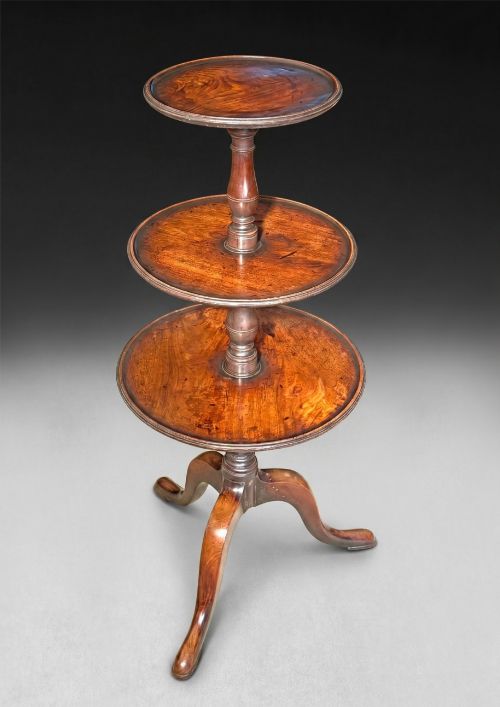


Tiered Buffet Server
A tiered buffet server brings practical elegance to dining rooms through stacked shelving designed for service and display.
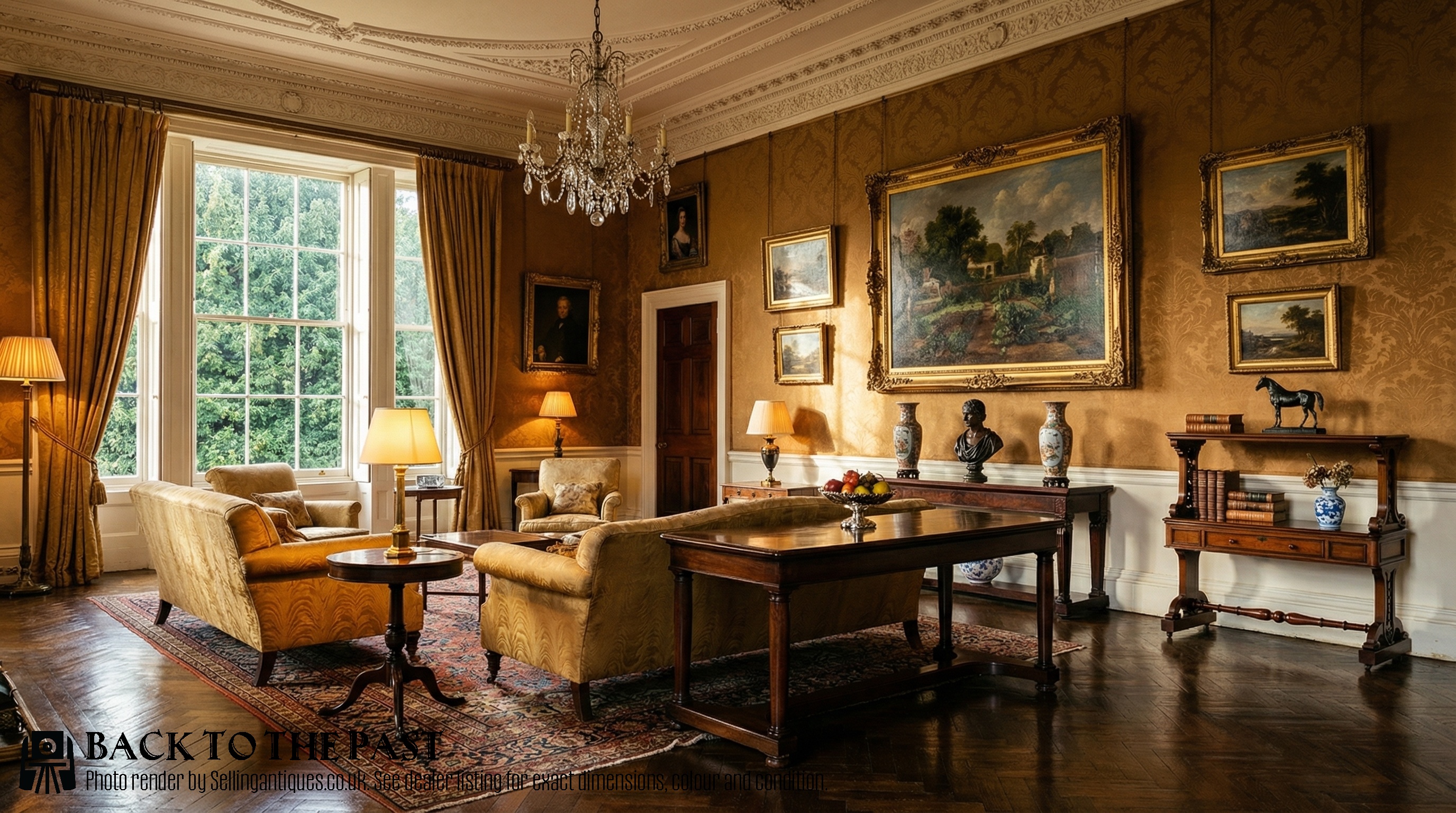
Tiered Buffet Server
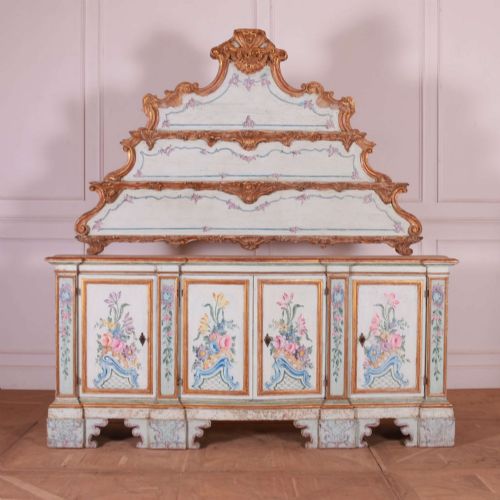
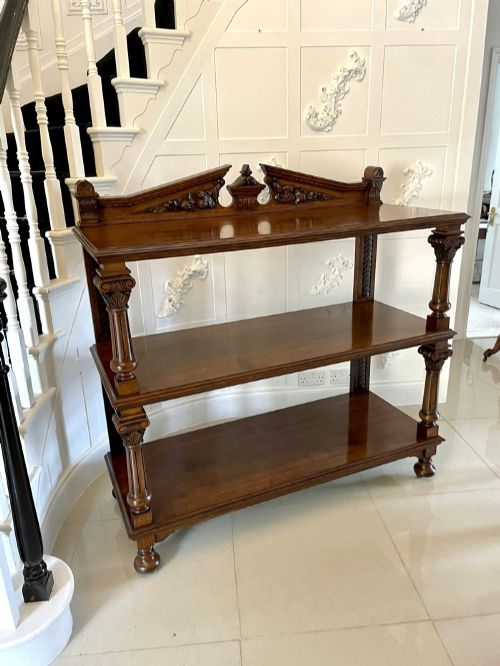
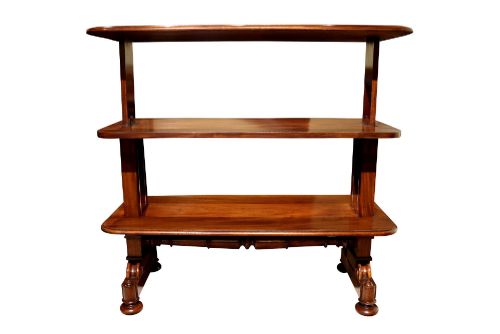
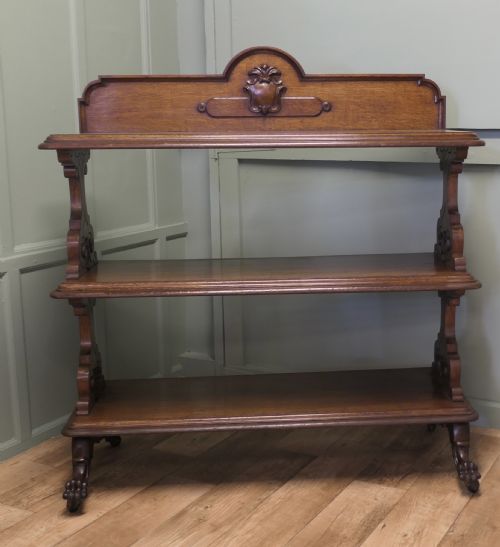
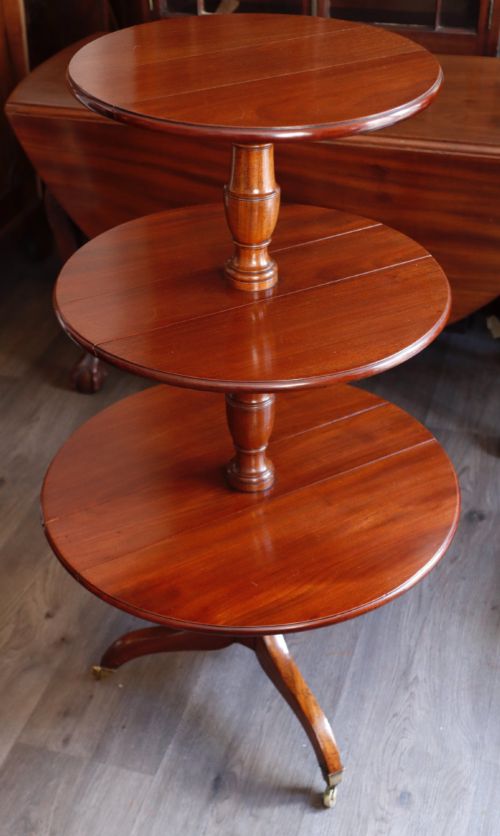
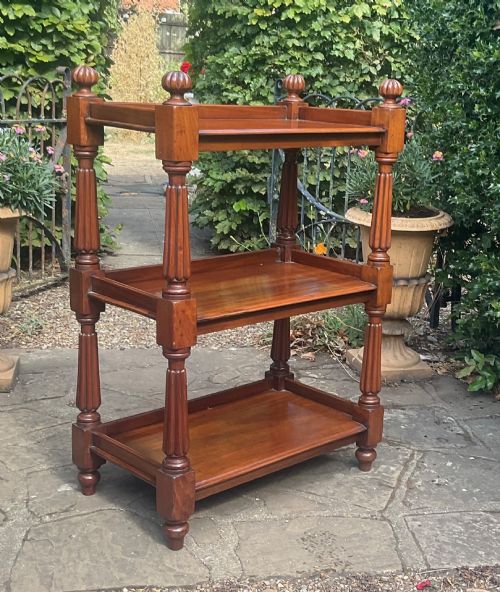
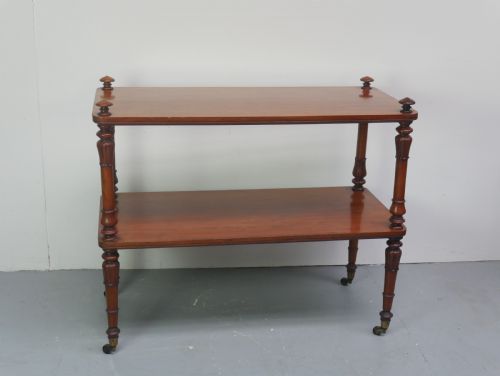
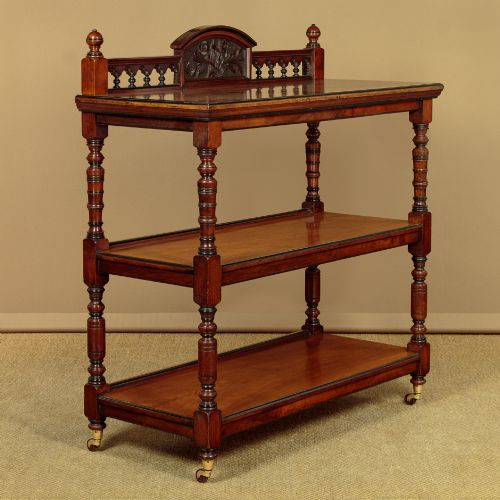
A tiered buffet server combines multiple graduated shelves or tiers into a single piece designed for holding dishes and serving ware during meals. When exploring options for a tiered buffet server, you encounter forms spanning from the George III and Regency periods into the Victorian era.
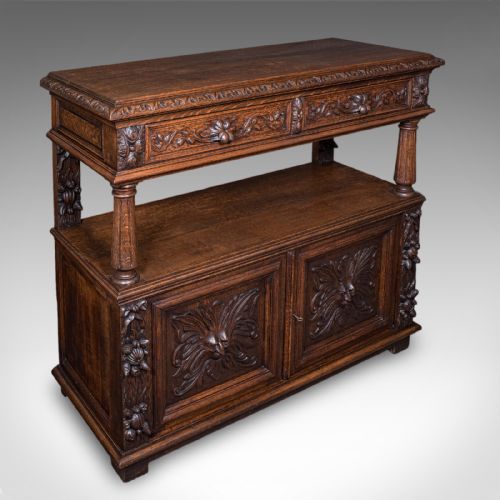
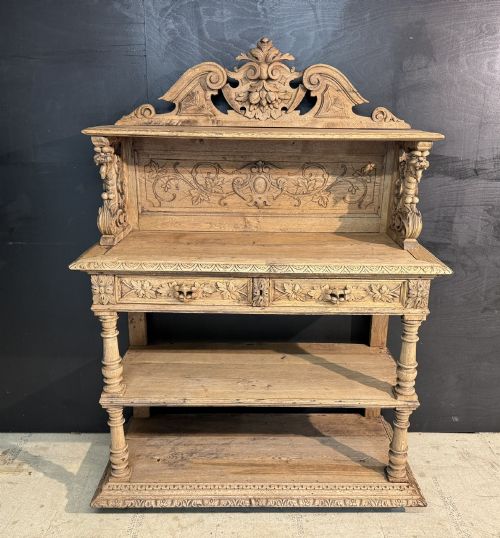
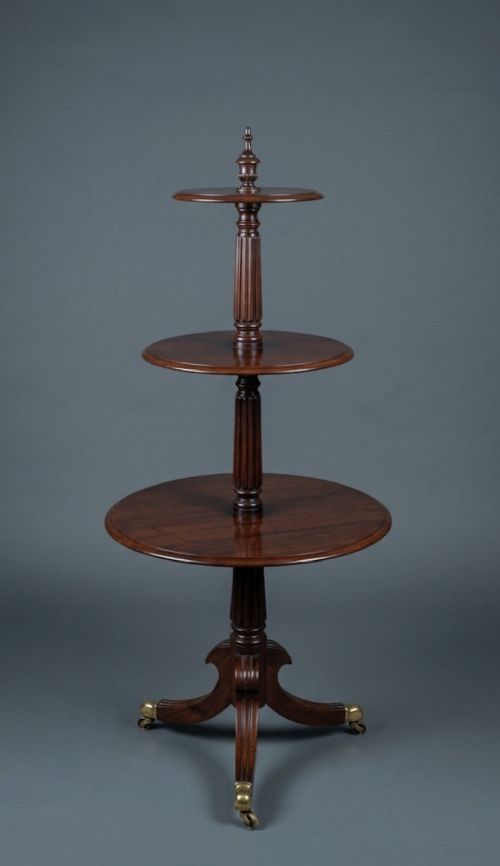
The selection ranges from circular revolving dumb waiters and three-tier étagères to substantial oak and mahogany sideboards with top shelves. These pieces originate across the eighteenth and nineteenth centuries, reflecting shifts in dining customs from formal Georgian service to late Victorian entertaining.
Materials and Construction
Cabinet makers relied primarily on mahogany, oak, and walnut, often selecting figured timbers like pollard oak, burr walnut, and fiddleback mahogany for decorative impact. Brass fittings, original castors, and occasional marble elements provide structural support and functional movement on revolving or rise-and-fall tiers.
Joinery techniques include finely turned central columns, tripod bases, and drop-leaf mechanisms designed to support heavy ceramics and silver. Carved details such as Gothic Revival motifs or Green Man masks appear across nineteenth-century oak examples.
Listings span from the 18th century through the Victorian era, utilising mahogany, oak, walnut, and pollard oak across dumb waiters and sideboards.
Distinctions in Execution
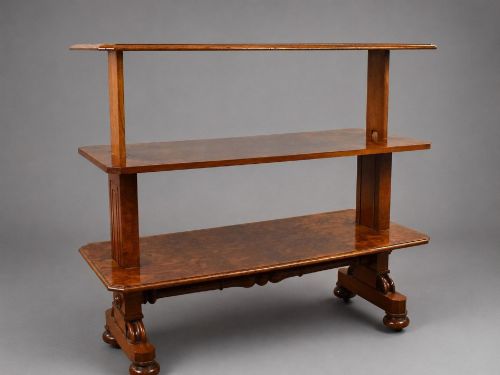
The distinction between standard utility pieces and finer examples rests in the selection of timber and the precision of the mechanics. Pieces featuring smooth revolving action, rise-and-fall mechanisms, or fully adjustable tiers demonstrate superior workshop competency.
Proportion and wood grain integration dictate overall refinement, with well-figured veneers and crisp carving setting higher-tier examples apart from simpler utilitarian serving tables.
Gillows
The Tiered Buffet Server Glossary
- Dumb waiter
- A freestanding piece of dining furniture with multiple stacked revolving or fixed tiers used for serving food and drink without servants present.
- Étagère
- A set of open shelves for displaying small objects or serving ware, often built in slender proportions during the nineteenth century.
- Pollard oak
- Timber taken from trees that have been pollarded, producing dense, highly figured wood with clustered knots prized in Victorian cabinet making.
- Rise and fall
- A mechanical column design allowing individual tiers to be adjusted vertically for tiered presentation or compact storage.
Tiered Buffet Server: Frequently Asked Questions
What is a tiered buffet server used for?
These pieces served nineteenth-century dining rooms by holding extra courses, glassware, and tableware close to the dining table.
Today they function effectively as serving stations, bar stands, or display surfaces in living spaces.
Are revolving tiers original?
Many circular dumb waiters incorporate pivoting brass or wooden pivot mechanisms designed to turn smoothly on a central column.
Checking the internal pivot reveals whether the rotating action belongs to the original period construction.
Where should I place a buffet server?
These items fit well against dining room walls or in corners where multi-tier shelving maximises vertical display space.
Freestanding circular models also operate effectively as central room pieces or side tables.