
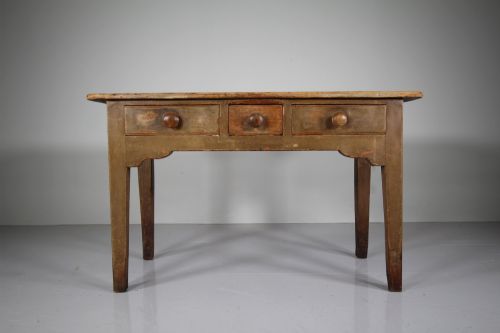
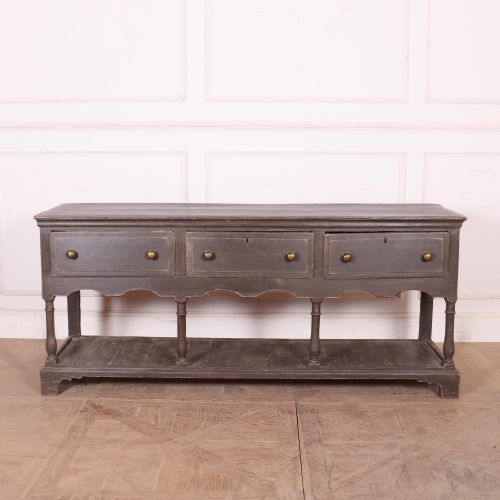
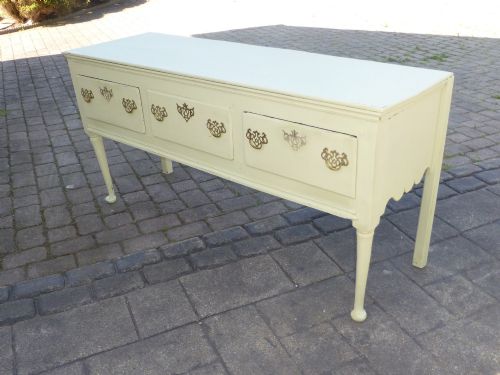

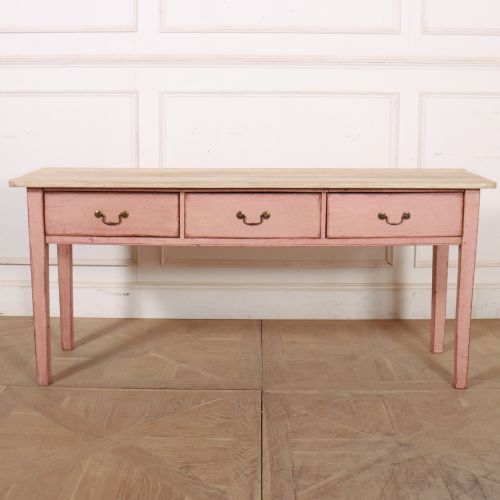


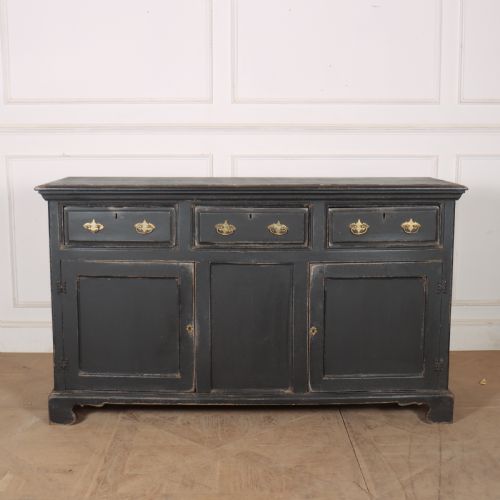


Three Drawer Painted Sideboard
A three drawer painted sideboard provides generous storage beneath a surface of wood or marble, bringing regional character and colour to any room.
Three Drawer Painted Sideboard
When you search for a three drawer painted sideboard, you encounter regional forms like English dresser bases, French commodes, and Italian commodes spanning the seventeenth, eighteenth, and nineteenth centuries. These sturdy pieces serve as servers, console tables, and storage units across diverse aesthetics including English Country, Georgian, French Provincial, and Rococo.
Materials and construction methods
Carpenters built these sturdy carcasses primarily from solid woods such as oak and pine, providing a durable structural foundation. Surfaces received decorative finishes including hand-applied paint, lacquer, and sometimes fitted marble tops.
Metal components such as brass hardware secure drawers and doors while adding functional detail to the timber framework. Joinery relies on traditional woodworking techniques suited to regional cabinetry traditions of the seventeenth through nineteenth centuries.
The inventory includes diverse forms such as potboard dresser bases, commodes with serpentine fronts, and oriental red lacquered tables.
Distinctions in craftsmanship and finish
The selection of primary timbers, from plain pine to figured oak, influences the structural integrity and visual weight of the piece. Well-proportioned drawer configurations and harmonious proportions mark the distinction between provincial utility and accomplished regional cabinetmaking.
The Three Drawer Painted Sideboard Glossary
- Dresser base
- A low wooden sideboard fitted with drawers, often featuring an open potboard shelf beneath for display or storage. This form served domestic utility in country kitchens and dining rooms.
- Commode
- A low decorative chest of drawers standing on legs or feet, commonly associated with eighteenth-century French and Italian design. These pieces often incorporate serpentine fronts and marble tops.
- Potboard
- An open lower shelf built into the base of a dresser or sideboard, historically used for storing pots and pans. It provides structural stability while keeping everyday items accessible.
- Serpentine
- A front contour characterised by a gentle, undulating double-curve that bows outward in the centre and curves inward toward the sides. This sophisticated shaping requires skilled carpentry.
Three Drawer Painted Sideboard: Frequently Asked Questions
What is a three drawer painted sideboard?
A three drawer painted sideboard encompasses regional case furniture like dresser bases and commodes designed for storage and serving. These pieces span centuries of craftsmanship from English country workshops to continental courts.
They combine practical drawer space with decorative painted finishes, timber construction, and occasionally marble tops. Each piece reflects the domestic habits and stylistic preferences of its origin.
Where were these pieces used?
Historical examples served primarily in dining rooms, kitchens, and halls as functional surfaces for food preparation, serving, and storage. Potboard bases held heavy kitchen utensils while commodes provided elegant bedroom or parlour storage.
Today, they adapt easily to modern interiors as sideboards, console tables, or focal storage units. Their diverse forms suit traditional country houses and contemporary living spaces alike.
How do I identify the period?
Dating relies on observing construction methods, timber selection, hardware, and stylistic traits typical of specific eras. Seventeenth and eighteenth-century pieces often display heavier oak framing and simpler joinery, while later nineteenth-century examples introduce refined serpentine shaping and varied paint treatments.
Materials like brass handles, pine carcases, and marble tops also provide chronological clues when compared against known regional cabinetry styles.
How do I care for a painted surface?
Preserving painted and lacquered wood requires simple dusting with a soft, dry cloth and avoiding harsh chemical cleaners. Keeping pieces away from direct sunlight and excessive moisture protects both the timber substrate and the decorative finish.
Wax can maintain unsealed wooden elements, while painted areas benefit from gentle treatment to preserve their original character.