

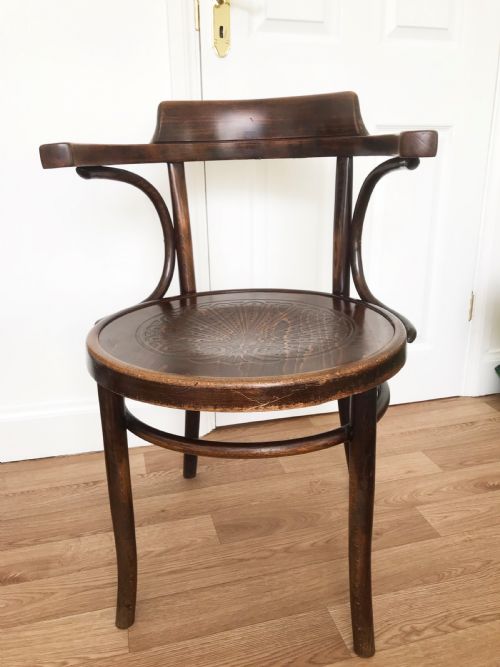

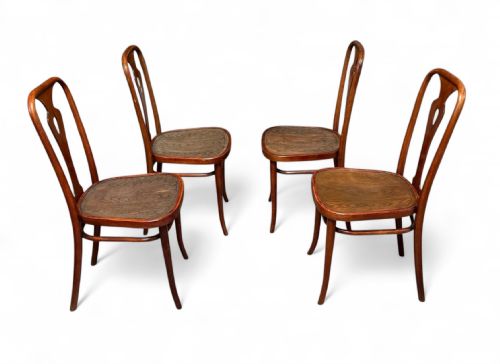


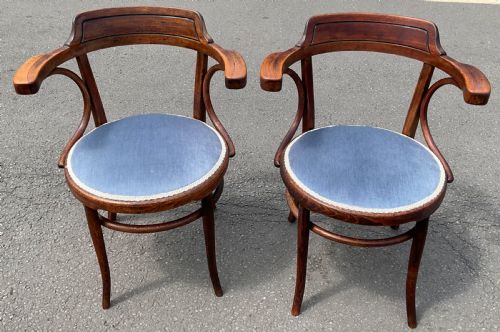


Thonet Style Bentwood Chair
A thonet style bentwood chair brings lightness and organic curves to a room, offering robust seating shaped by steam and pressure.
Thonet Style Bentwood Chair
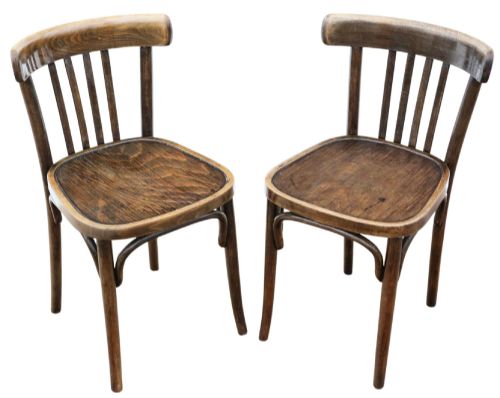
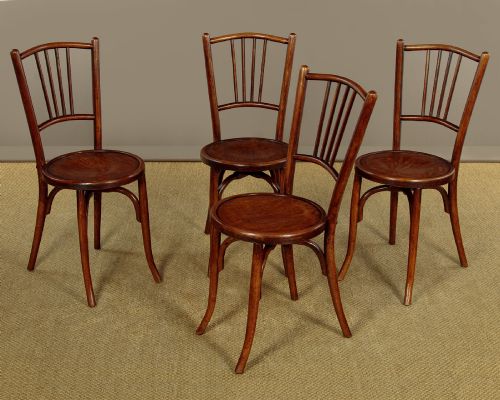
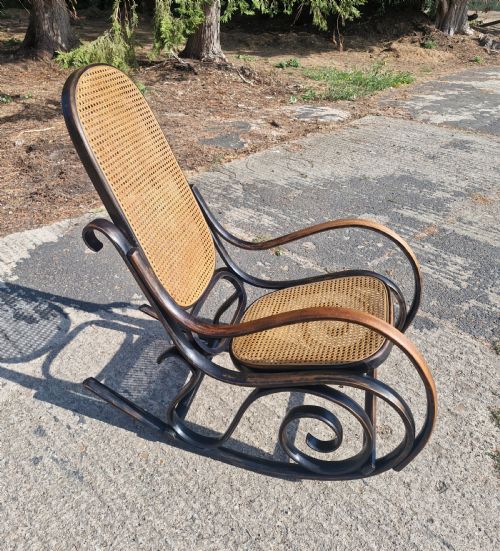
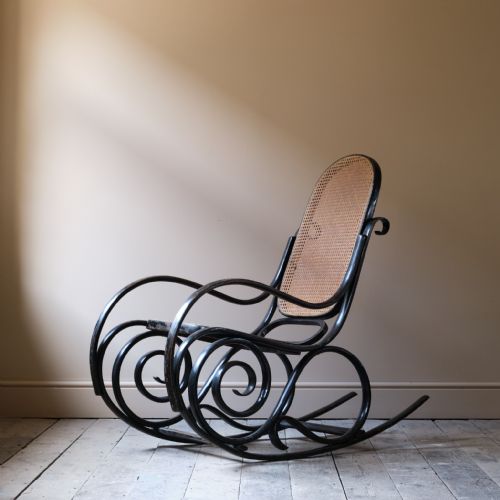
When you search for a thonet style bentwood chair, you encounter seating built from steam-formed timber, spanning dining chairs, armchairs, and rocking chairs. The examples on this page predominantly date from the nineteenth century through the mid-twentieth century.
You are most likely to meet bistro dining chairs and rocking chairs originating from periods such as the Edwardian era, the 1900s, and the 1920s. These pieces include single items, matched pairs, and larger sets originating from historic cafes and domestic interiors.
Makers and designers represented in the selection include Jacob and Josef Kohn, Codina, and Thonet, alongside attributed pieces and productions from locations such as Yugoslavia and Italy. Forms range from children's chairs and carvers to grotto style armchairs and tub armchairs.
Construction and Materials
Solid beech and beech wood form the structural framework of these pieces, selected for its ability to accept steam bending without snapping. Plywood and bentwood components are utilised to create curved backs and contoured seats.
Rattan cane, woven cane, fabric, and leather are integrated into the seats and panels, providing flexible support or upholstered comfort. Steam is applied to soften the timber so it can be coerced into continuous loops and scrolls within metal forms.
Several chairs journeyed straight from the Cafe Royal in London to sit quietly in our current selection.
Assessing Quality
Quality reveals itself in the tightness of the curves and the seamless integration of steam-bent components. Superior examples maintain structural integrity across complex joints without excessive metal bracing or crude modern reinforcements.
The choice of seating material also distinguishes the tier of production, from finely hand-woven cane seats to solid plywood panels. Original factory branding, stamps, and attributed maker details elevate the standing of a piece within the range.
Jacob and Josef Kohn·Thonet·Codina
The Thonet Style Bentwood Chair Glossary
- Bentwood
- Timber that has been subjected to steam and moisture until pliable, allowing it to be bent into permanent curved shapes. This technique defines the silhouette of the furniture.
- Cane
- Strips of rattan woven in patterned meshes to create lightweight, breathable seats and backrests. It provides flexibility and natural give to the frame.
- Carver
- An armchair designed with armrests, traditionally placed at the heads of a dining table or used as a desk chair. These pieces offer a more substantial profile than standard side chairs.
- Vienna Secession
- An artistic movement from around 1900 that influenced the design of furniture towards geometric simplicity and cleaner lines. Pieces from this context often display refined, modernist tendencies.
- Bistro chair
- A lightweight, durable chair designed for commercial cafe and restaurant use. They are built for practicality and frequent movement.
Thonet Style Bentwood Chair: Frequently Asked Questions
How do I clean a cane seat?
Wipe cane seats gently with a damp cloth using warm water, avoiding harsh chemical cleaners that dry out the natural fibres.
Allow the cane to dry naturally and completely before sitting on the chair again to prevent sagging.
Are these chairs suitable for daily dining use?
Most bistro dining chairs and carvers from this tradition were engineered specifically for commercial hospitality environments.
Their lightweight construction handles everyday domestic use well, provided the joints remain secure and stable.
How do I identify a piece by Thonet?
Look for paper labels, branded stamps, or impressed signatures usually located underneath the seat frame or on the underside of wooden components.
Design characteristics such as specific screw placements and the geometry of the bentwood scrolls also help indicate origin.
Can bentwood rocking chairs be used on carpet?
Bentwood rockers function on both carpet and hard floors, though thick pile carpet can slightly restrict the smooth arc of the runners.
Placement on a flat rug or bare floor allows the runners to move through their natural rocking motion without impediment.