
Thonet Bentwood Rack
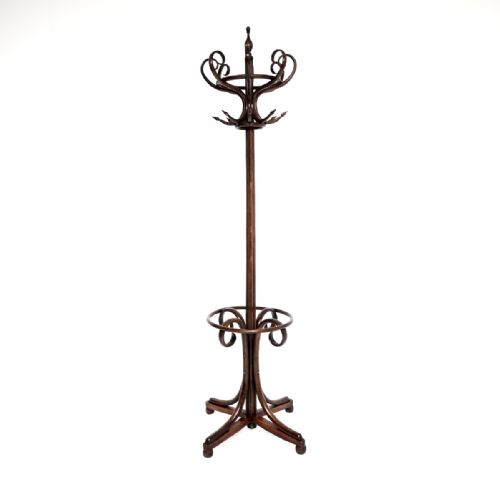
A thonet bentwood rack brings organic curve and practical utility to a hallway through clever steam-bent timber.
Thonet Bentwood Rack
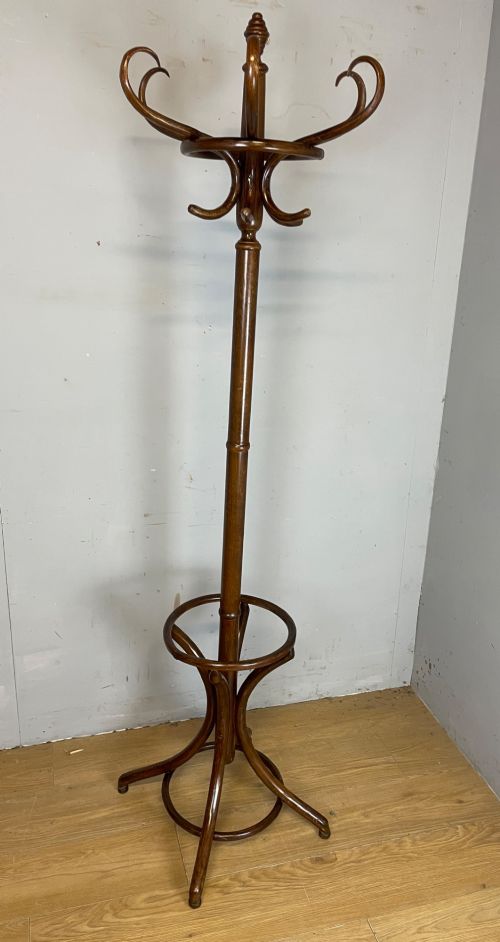
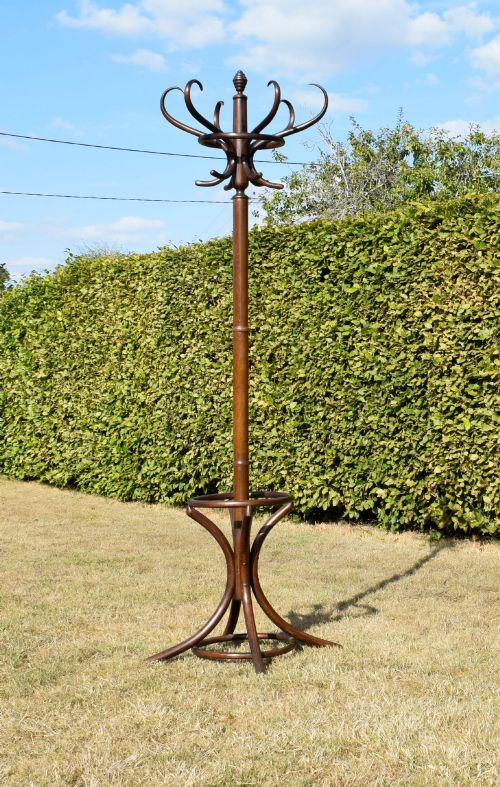
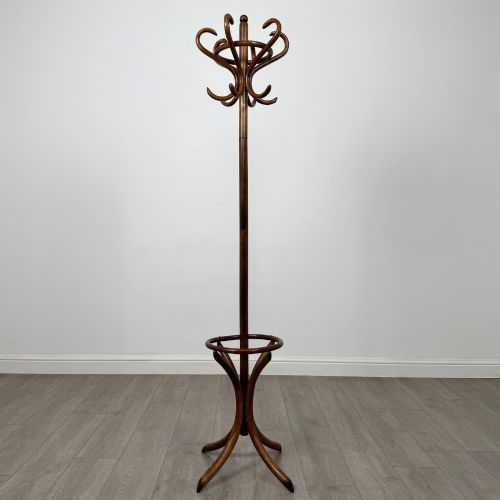
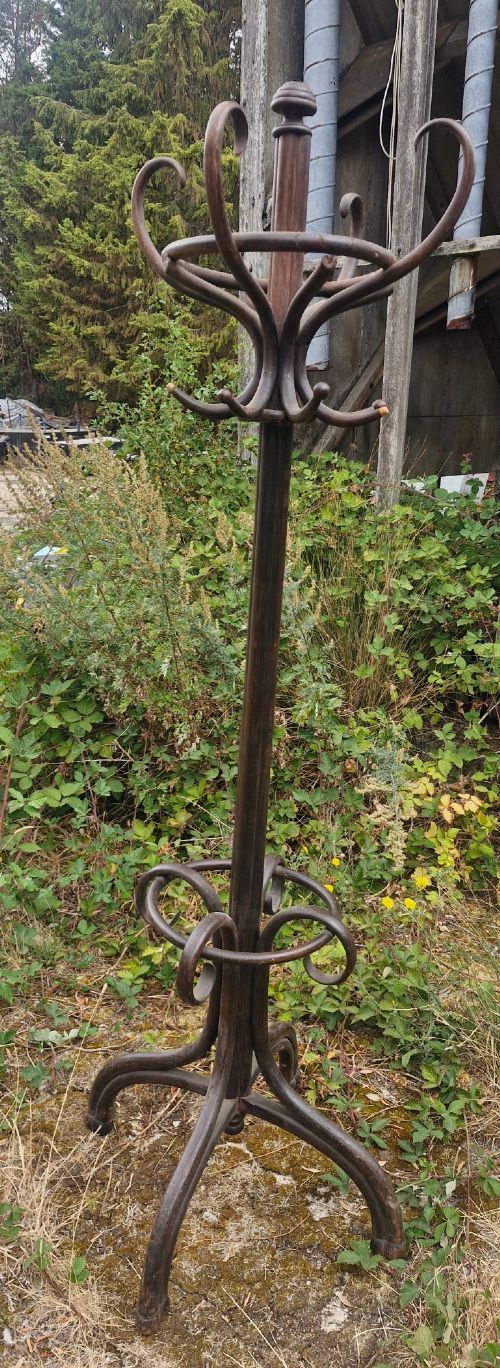
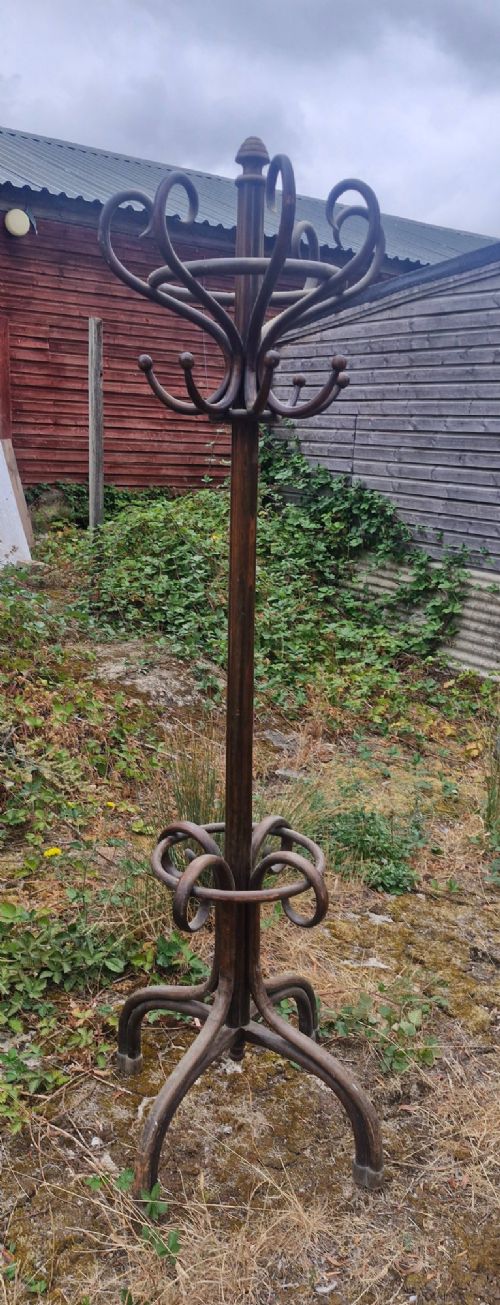
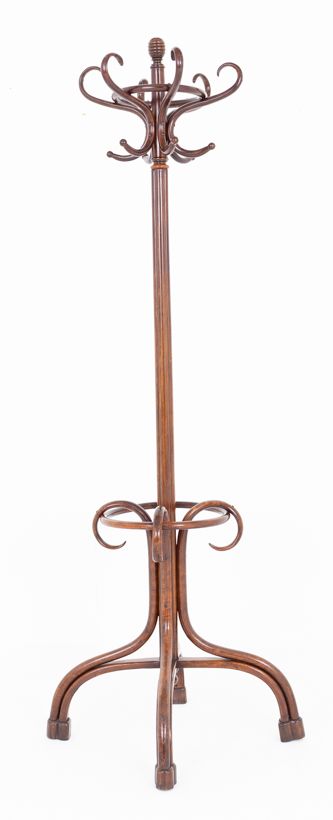
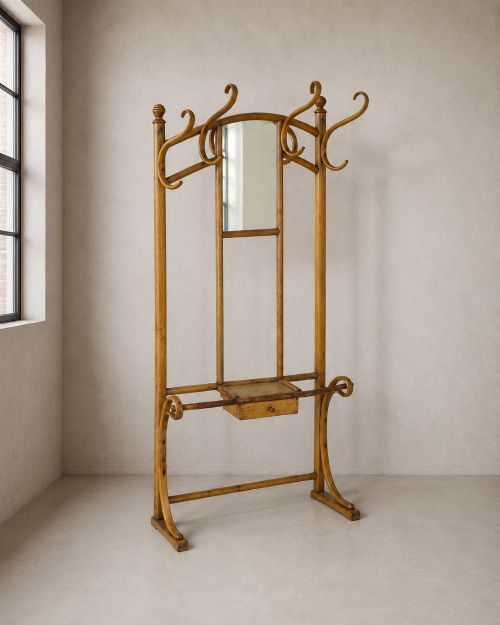
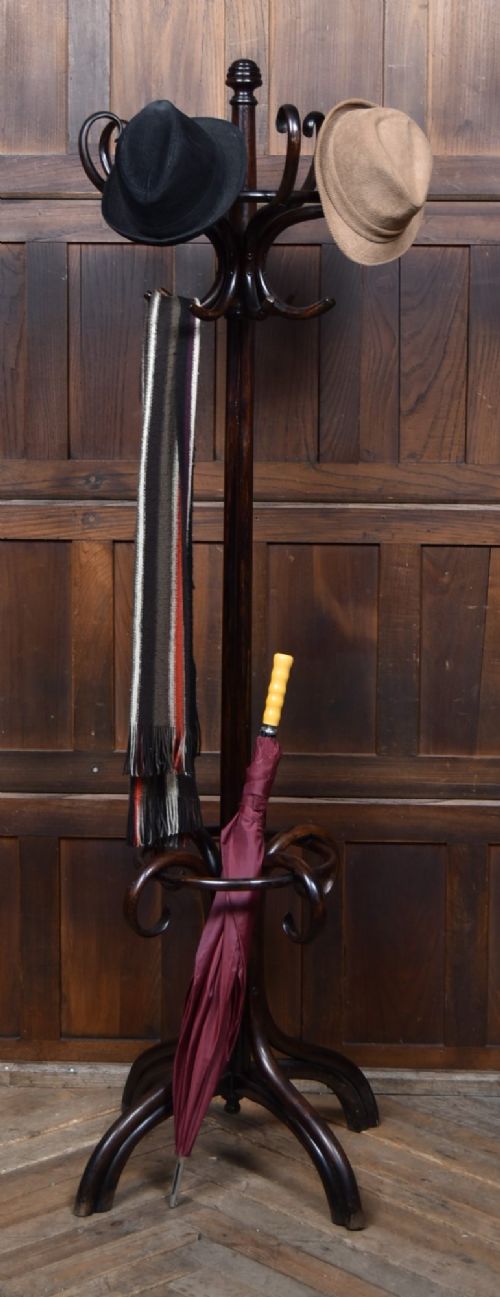
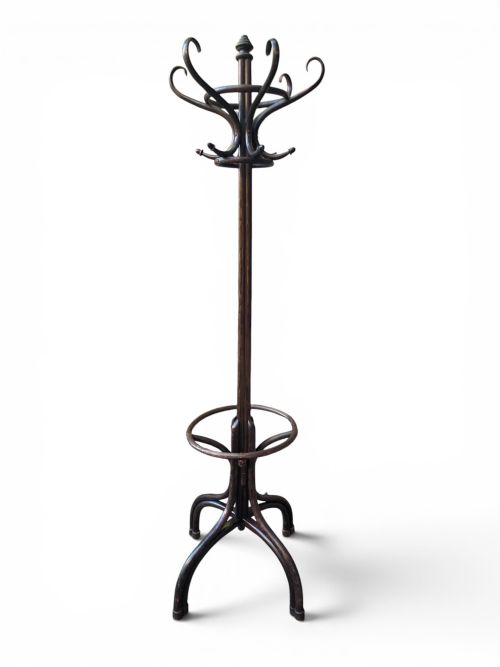
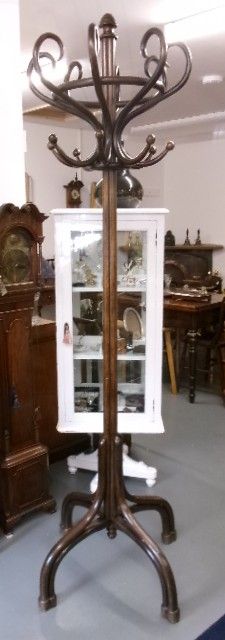
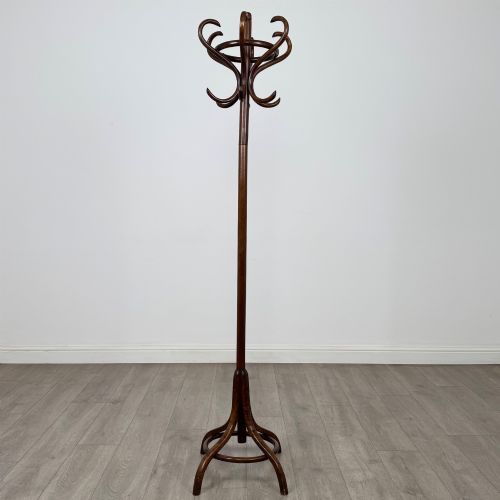
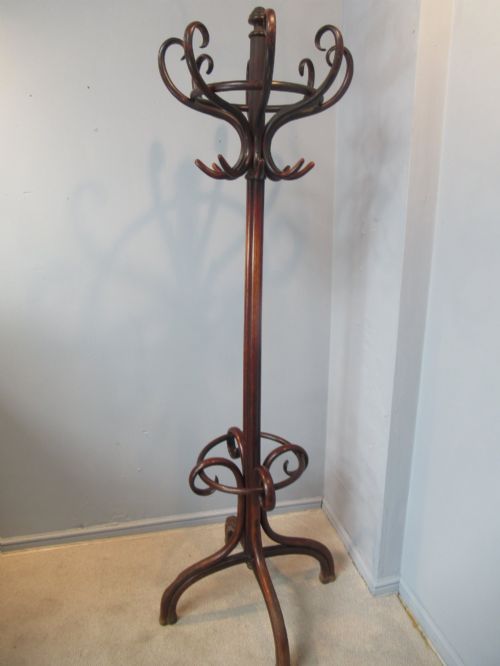
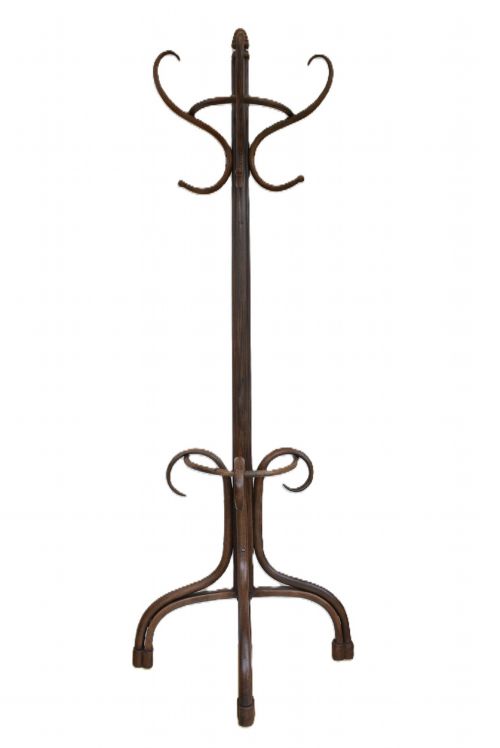
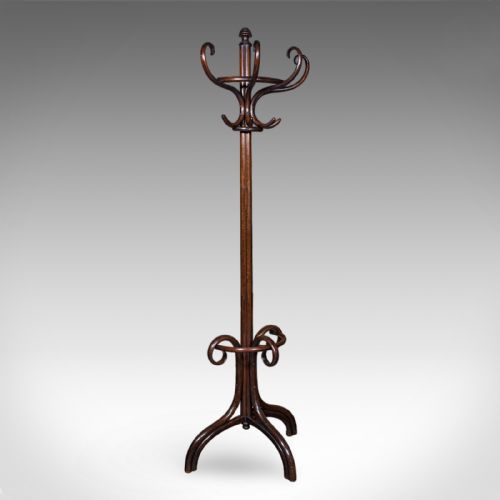
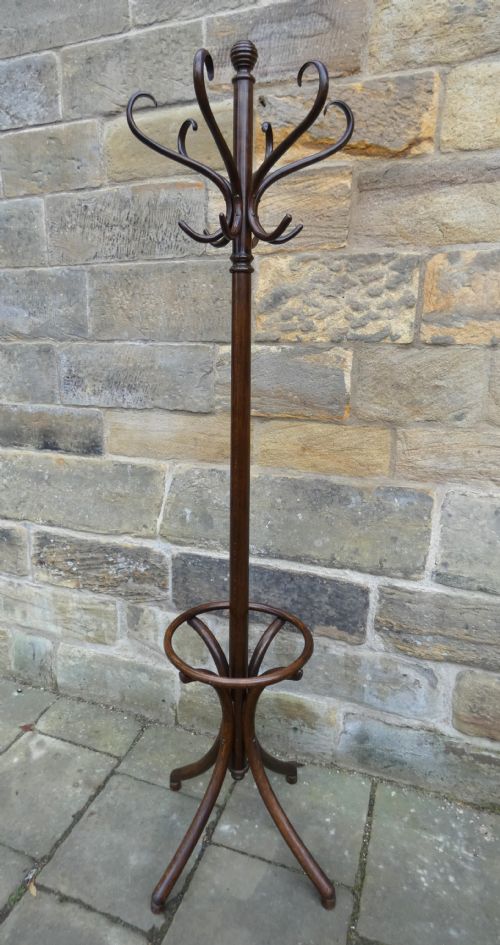
A thonet bentwood rack encompasses freestanding coat stands, wall-mounted racks, and multi-purpose hall trees designed to hold garments, hats, and walking sticks. The pieces seen here span from the late nineteenth century through the Edwardian period and into the nineteen-thirties, reflecting both Austrian production and domestic adaptation.
The freestanding vertical coat stand dominates the selection, frequently incorporating curved loops for hats at the crown and lower rings to catch umbrella drips. Wall-mounted coat racks and smaller umbrella stands appear alongside revolving designs that allow access to garments in tight spaces.
Materials and Technique
Makers utilised beech and steamed beechwood for its capacity to take a curved form without losing structural integrity. Timber lengths underwent steam treatment to soften the grain before being bent in iron forms and secured with screw fastenings or internal blocks.
Surface finishes range from clear wood stain and honey-coloured varnish to ebonised treatments, occasionally accompanied by applied metal hardware or glass components for umbrella trays.
Materials across the inventory concentrate on beech and bentwood, supported by occasional metal and glass elements.
Judging Quality
Distinction across pieces rests upon the complexity of the bentwood assemblies and the crispness of the turned wooden components. Examples featuring double top sections or revolving mechanisms demonstrate superior workshop ambition compared to simpler wall-mounted rails.
Original labelling from makers such as Thonet or Fischel elevates a piece, as does the retention of integrated drip pans and robust central columns that resist the warp of time.
Thonet·Fischel
The Thonet Bentwood Rack Glossary
- Bentwood
- Wood that has been rendered pliable by steam and shaped into curves. This technique defines the structural framework of the furniture listed here.
- Hall tree
- A freestanding item of furniture combining coat hooks, hat rings, and a stick stand. It often includes a small mirror or glove box.
- Demi lune
- Half-moon shape. Several hall stands are built with this flat-backed profile to sit flush against an entranceway wall.
- Ebonised
- Wood stained or painted black to imitate ebony. This finish appears on selected nineteenth-century racks in the selection.
- Canterbury
- A low multi-section rack designed for holding magazines or folios. An example in the archive demonstrates the wider scope of steam-bent furniture beyond coat storage.
Thonet Bentwood Rack: Frequently Asked Questions
How do I identify a Thonet piece?
Look for paper labels, stamped signatures into the wood, or distinctive numbering systems placed beneath the components. Structural execution also guides attribution.
Many pieces lack visible stamps because labels fell off over decades of domestic use, though characteristic curves and screw configurations remain reliable indicators.
Are these racks sturdy enough for heavy coats?
The steam-bent beech construction distributes weight through continuous curved members, providing remarkable strength despite slender silhouettes.
Freestanding models rely on a balanced tripod or four-legged base, meaning distributed weight keeps the stand stable during daily hallway use.
Where should I place a hall stand?
Entrance halls and narrow corridors suit these vertical forms best, as their raised footprints occupy minimal floor space while offering maximum hanging capacity.
Wall-mounted racks work well in smaller porches or kitchens, whereas half-round and revolving designs anchor larger reception rooms and vestibules.
How do I date an Edwardian coat stand?
Edwardian examples typically date from around nineteen hundred to nineteen ten, showing lighter proportions and simpler turned details than heavy Victorian predecessors.
Archive records and period styles demonstrate a shift towards honey-coloured wood stains and refined crown loops during this decade.