


Thames Valley Chair
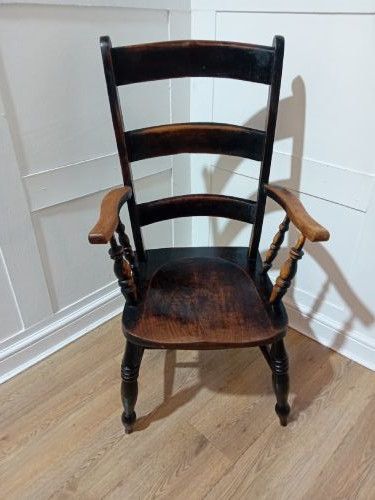
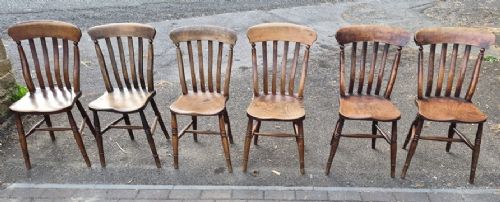
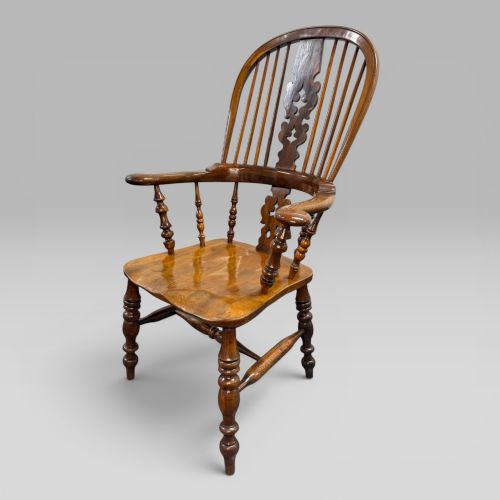
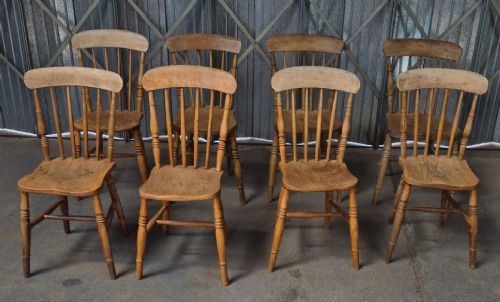
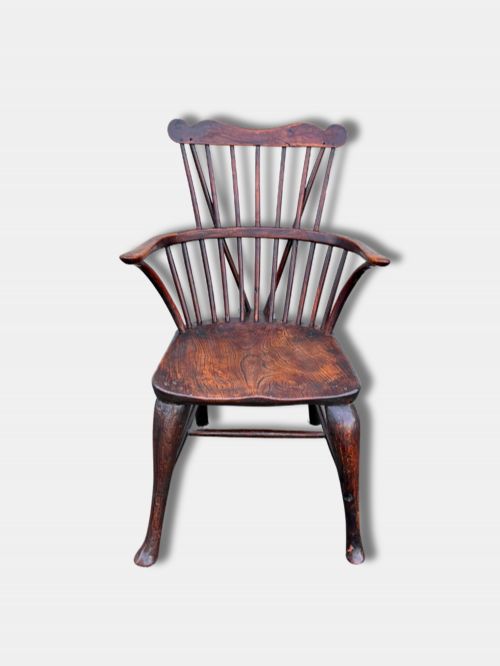
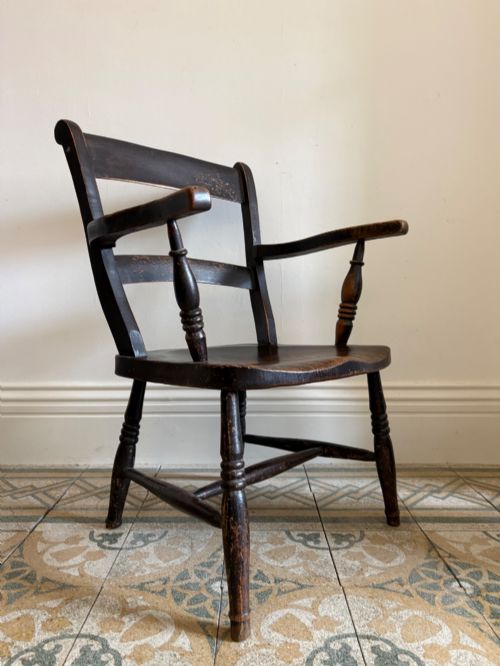
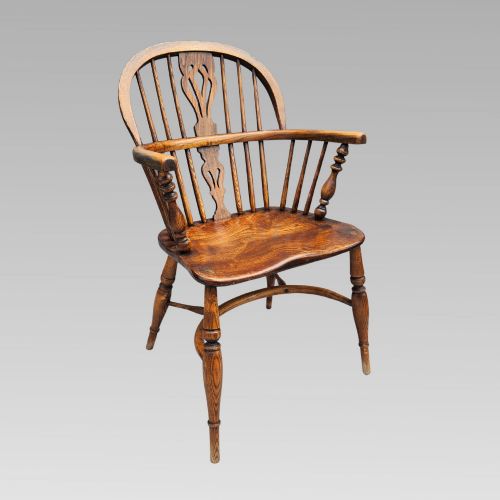
These robust rural seats are a Thames Valley chair, prized for their sculpted timber forms and traditional vernacular design.
Thames Valley Chair
A Thames Valley chair represents a distinct regional branch of Windsor seating, shaped by local vernacular traditions along the river corridor. You will frequently encounter elm, ash, and yew constructions taking the form of high-back, comb-back, or wheelback armchairs.
The selection spans from the late eighteenth century through the Victorian era, offering individual armchairs, dining sets, and occasional rocking chairs. These pieces originated in domestic and provincial settings, combining rustic utility with accomplished carpentry.
Makers in this region utilised native hardwoods to build seats that balance structural rigidity with ergonomic comfort. The resulting forms range from simple stick-back kitchen chairs to elaborate yew-wood armchairs with pierced splats.
Materials and construction
Construction relies on a combination of timbers selected for their specific mechanical properties, pairing resilient elm seats with flexible ash spindles and richly figured yew wood. Cabinetmakers turned legs and stretchers on pole lathes, boring tapered joints directly into solid wooden saddles.
Makers steamed and bent ash or yew to form the continuous bow backs and arm rails, securing them with wedged tenons. Surface finishes varied from original patinated wax to ebonised treatments, preserving the natural grain of the cherrywood and oak.
Thames Valley Chair Retail Price Guide 2026
Typical asking prices for thames valley chair among the pieces listed under this phrase on Sellingantiques today, from the lower quarter to the upper quarter. They describe what is for sale here now, not the wider market.
Listings demonstrate a strong regional preference for native yew wood, elm, and ash across the eighteenth and nineteenth centuries.
Judging quality and proportion
Quality rests on the integrity of the timber selection, particularly the grain figuration in yew-wood armchairs and the thickness of the sculpted elm seat. Superior examples maintain balanced proportions in the wheelback or comb-back splats without relying on heavy structural repairs.
The finesse of the arm scrolls and the precision of the turned spindle turnings separate standard vernacular production from master regional output. Original surface patination and minimal replacement to the undercarriage further elevate the standing of a piece.
Robert Prior·Prior of Uxbridge
The Thames Valley Chair Glossary
- Comb-back
- A Windsor chair variation where the vertical spindles extend upward to support a horizontal top rail resembling an eighteenth-century hair comb.
- Wheelback
- A design featuring a pierced wooden splat carved in the shape of a spoked cartwheel.
- Saddle seat
- A thick plank of elm, heavily scooped and shaped by adze and scorper to provide ergonomic seating comfort.
- Stretcher
- The horizontal wooden rod connecting the legs underneath the chair to provide structural rigidity and frame stability.
- Patina
- The surface sheen and colour depth developed through decades of handling, polishing, and natural oxidation of the wood.
Thames Valley Chair: Frequently Asked Questions
How do I date a Thames Valley chair?
Dating relies on observing construction traits, wood species, and stylistic markers such as comb-backs or wheelbacks. Earlier examples from the eighteenth century typically feature fruitwood or yew and simpler vernacular profiles.
Nineteenth-century versions often incorporate elm seats paired with ash or beech, alongside more elaborate decorative splats. Comparing the turning style of the legs against documented regional pieces helps narrow the decade of manufacture.
Were these chairs used for dining?
While many survive as individual armchairs, makers also produced matching sets intended for domestic dining rooms and kitchens. These group listings often feature stick-back or kitchen chair formats.
Armchair variants served as principal seating around the hearth or desk, whilst smaller side chairs functioned around the family table.
How should I care for yew and elm timber?
Maintain these antique woods by applying microcrystalline wax occasionally to nourish the grain and protect the original surface patina. Keep them away from direct heat sources and dramatic humidity shifts to prevent timber splitting.
Avoid modern silicone polishes, which build up a residue and degrade the historic finish over time.
What defines regional Thames Valley characteristics?
Regional identity stems from specific local turning techniques, generous proportions, and a preference for native timbers like yew and figured elm. The craftsmanship reflects the proximity to London trade networks combined with rural English traditions.
Details like distinctive arm scroll shapes and finely sculpted saddle seats separate these pieces from northern or West Country vernacular chairs.