


Terracotta Rug
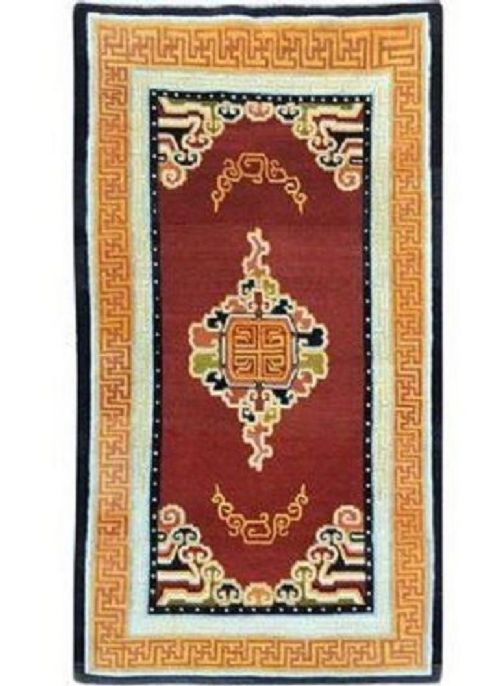
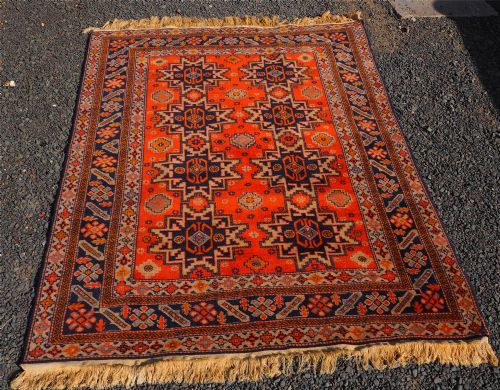
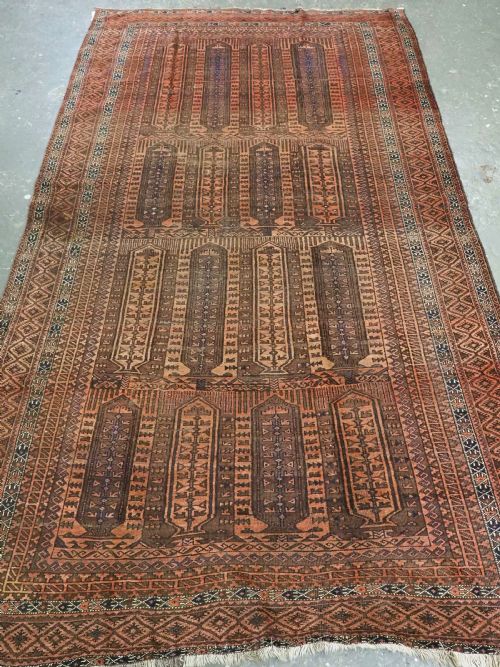
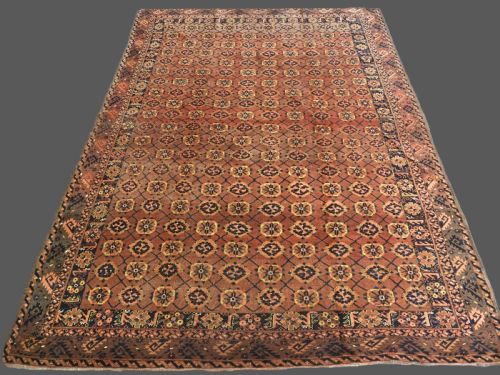
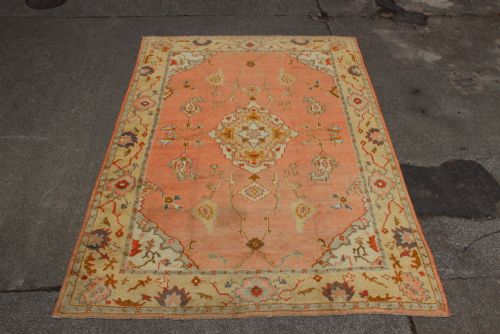
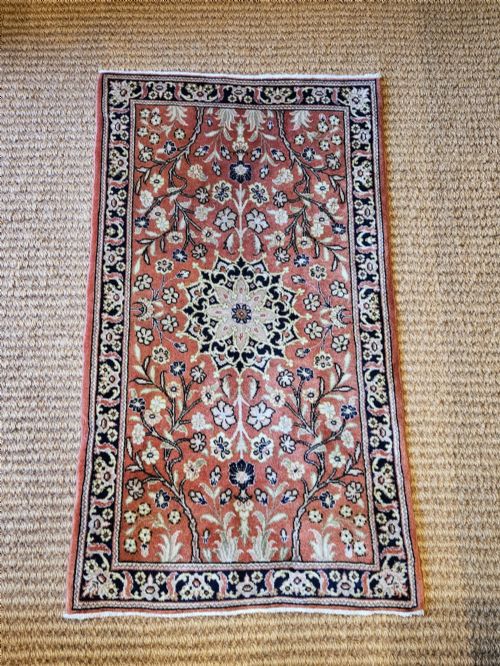
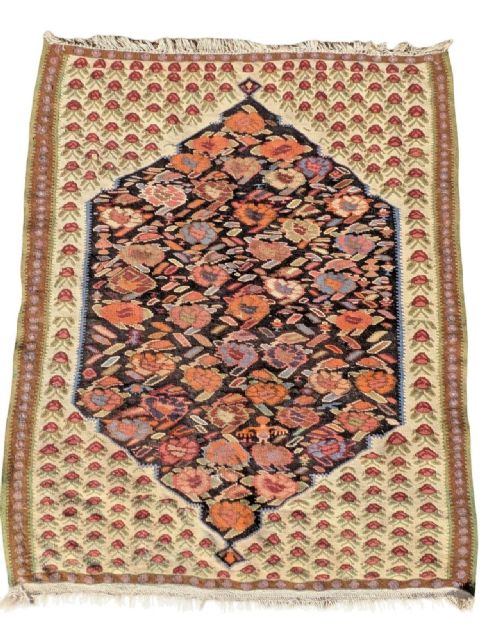
When you search for a terracotta rug, you seek warm earthen floor coverings woven in wool, silk, and camel hair from Persian and Turkish traditions.
Terracotta Rug
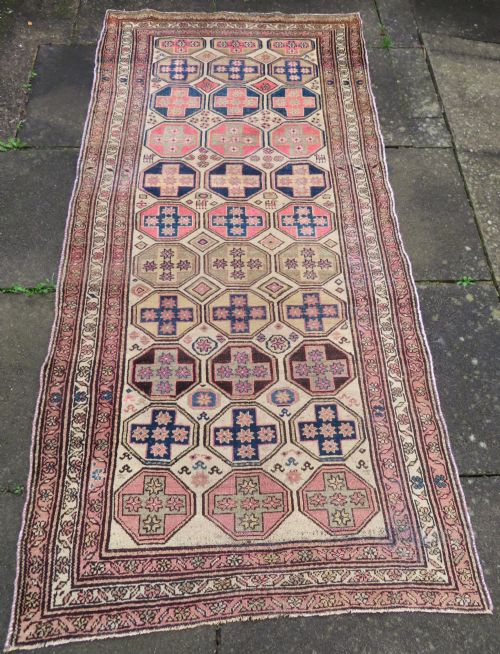
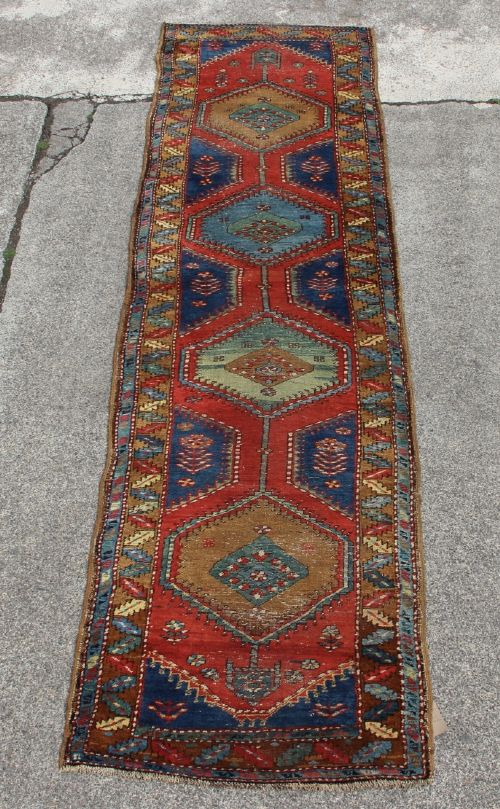
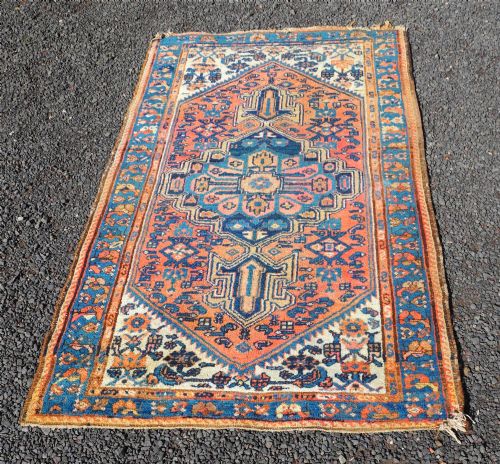
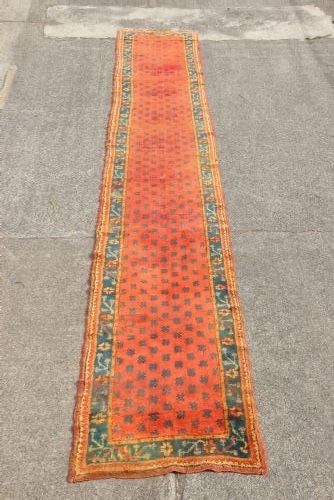
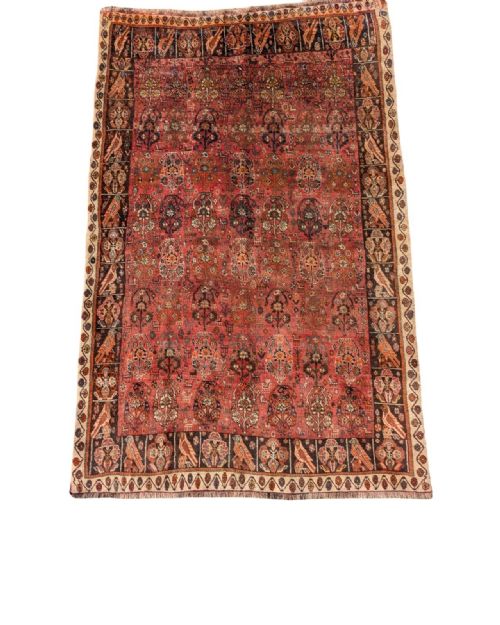
A terracotta rug brings rich clay tones and deep rust hues into domestic spaces, drawing from traditional Persian and tribal aesthetics. These floor coverings span area rugs, long runners, and large carpets originating from village and nomadic workshops.
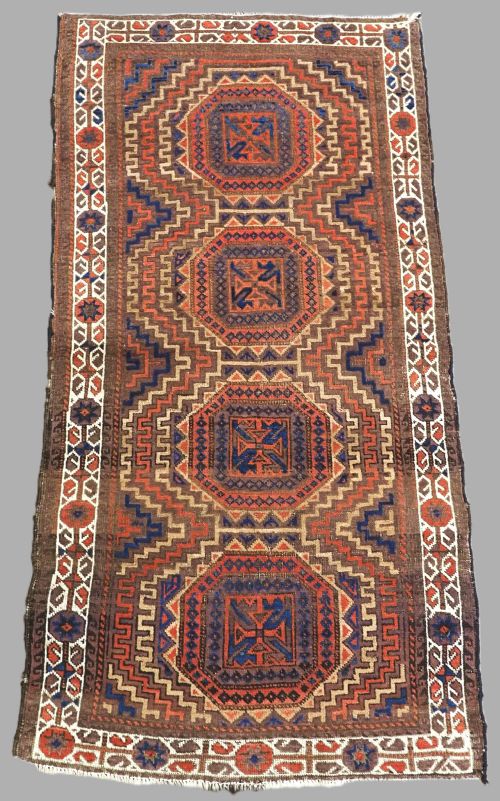
The selections here encompass pieces from the nineteenth and early twentieth centuries, alongside regional formats such as Heriz, Oushak, and Baluch weaves. Buyers encounter diverse sizes ranging from compact hearth mats to expansive room-sized carpets.
How They Were Made
The textiles rely heavily on hand-spun wool and cotton foundations, occasionally incorporating silk and camel hair for specific pile elements. Artisans tied dense knots by hand to secure the fibres onto the warp and weft.
Natural dyes provide the characteristic colour palette, yielding enduring terracotta, madder red, and earthy brown tones that age with subtle variation. These organic colourants interact with the wool to create gentle abrash shifts across the field.
Some runners stretch past six metres, requiring a very long hallway indeed.
What Varies in Quality
Knot density and structural tightness dictate the resilience of the weave, separating robust floor coverings from lighter decorative specimens. Tighter knotting allows finer execution of intricate geometric medallions and curvilinear borders.
The purity and preparation of the wool influence the handle and long-term durability of the pile. Superior materials retain their lustre and withstand heavy foot traffic while maintaining soft suppleness.
The Terracotta Rug Glossary
- Abrash
- Natural tonal variation within a single colour field caused by variations in dye batches or wool lots. This subtle striping indicates traditional dyeing methods.
- Warp
- The vertical threads stretched lengthwise on the loom that form the structural foundation of the rug. Fringe typically emerges from these underlying cords.
- Weft
- The horizontal threads passed alternately over and under the warp strands to lock the knots in place. Together with the warp, it forms the grid of the textile.
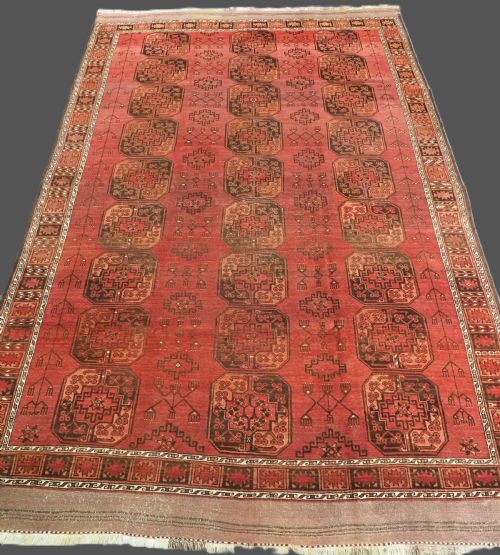
- Gul
- A repeating medallion or octagonal motif frequently found in tribal carpets, particularly those from Turkmen and Afghan weavers. Each pattern often signifies a specific clan or lineage.
- Medallion
- A large central ornamental design placed in the middle of the rug field. It anchors the symmetrical layout of many Persian and Anatolian carpets.
Terracotta Rug: Frequently Asked Questions
How do I clean an antique rug?
Professional dusting and specialist immersion washing preserve the delicate natural dyes and wool pile of vintage textiles.
Avoid aggressive chemical treatments and excessive moisture to protect the structural integrity of the cotton or wool foundation.
Where were these carpets made?
Weavers produced these floor coverings across Persia, Turkey, the Caucasus, and Central Asia in village and nomadic settings.
Regional workshops developed distinct palettes and knotting techniques that identify their geographical origins.
Are these rugs suitable for hallways?
Long runner formats and narrow village carpets fit naturally into corridors and narrow transitional spaces.
Selecting a durable wool pile ensures the textile withstands continuous movement while protecting underlying floors.
What underlay should I use?
A breathable mesh underlay prevents slipping and cushions the foundation against hard flooring.
Proper padding reduces friction between the wool pile and the floor surface during daily use.