

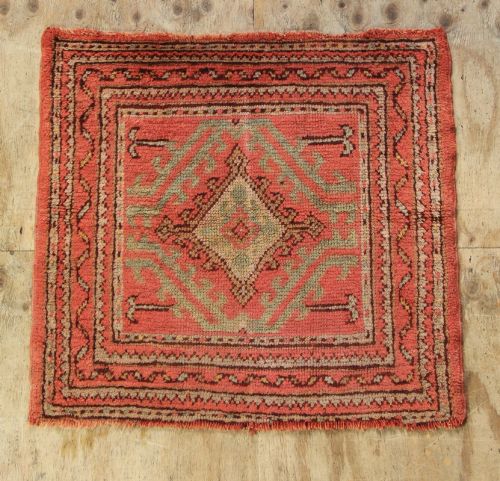


Terracotta Oushak Carpet
A terracotta oushak carpet brings warmth and traditional Anatolian pattern to a room through hand-knotted wool and cotton construction.
Terracotta Oushak Carpet
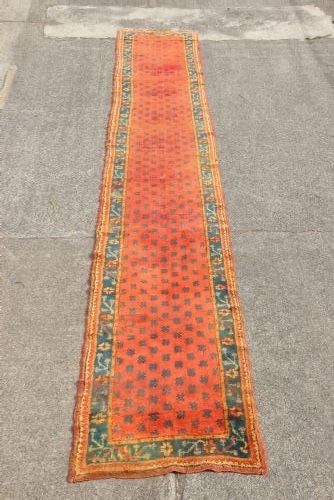
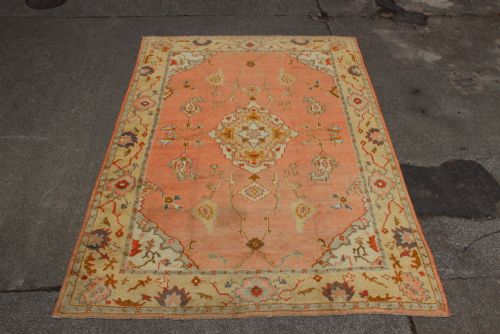
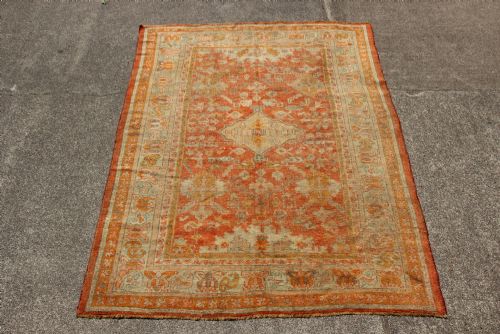
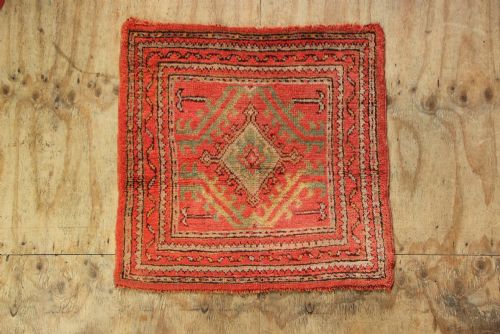
A terracotta oushak carpet is a floor covering originating from Western Turkey, incorporating Ottoman styles and traditional Anatolian designs. Buyers searching for a terracotta oushak carpet encounter large formats, square mats, runners, and oversized room-size carpets.
Most examples found here date from the nineteenth century into the early twentieth century, spanning decades such as eighteen eighty, eighteen ninety, nineteen hundred, and nineteen twenty. These pieces present varied fields including ivory, pale blue, beige, and darker terracotta tones.
The selection ranges from compact squares and narrow runners measuring over five metres in length to enormous carpets exceeding five metres. Each object type serves a different spatial function, from hallway runner to principal salon carpet.
What varies in quality
Quality in these carpets rests upon the fineness of the knotting and the handling of the wool, particularly when comparing standard wool against softer angora wool piles. The crispness of the Anatolian and Ottoman design details also dictates the visual calibre of the piece.
Proportion and scale distinguish finer large formats, where expansive fields maintain balance across oversized dimensions. Dye interaction and the subtlety of faded terracotta or ivory tones further separate standard rugs from exceptional examples.
Listings span production dates from eighteen seventy through to nineteen twenty, documenting nineteenth century Turkish weaving.
Maples
The Terracotta Oushak Carpet Glossary
- Oushak
- A traditional carpet weaving style originating from Western Turkey, known for larger scale floral motifs and softer pastel or terracotta palettes. These designs influenced Turkish rug production across the nineteenth century.
- Angora wool
- A fine, soft fibre utilised in selected nineteenth century carpets to impart a lustrous surface texture. It provides a distinct tactile quality compared to standard sheep wool.
- Ghiordes
- A regional Anatolian weaving centre and design tradition often associated with Turkish carpet knotting techniques and classical prayer or medallion patterns.
- Kula
- A West Anatolian town known for distinctive antique rugs featuring traditional prayer designs and muted colourways.
- Runner
- A long, narrow carpet format designed specifically for corridors, hallways, or narrow passages within a building.
Terracotta Oushak Carpet: Frequently Asked Questions
What is a terracotta oushak carpet?
A terracotta oushak carpet is a hand-knotted wool floor covering made in Western Turkey during the nineteenth or early twentieth century. These pieces display traditional Anatolian and Ottoman design motifs.
They are recognised by their warm terracotta colourways, expansive fields, and distinctive woven construction using cotton foundations.
Where were these carpets made?
These carpets were produced in Western Turkey, specifically in and around the town of Oushak, which served as a major historical weaving centre. Other nearby Anatolian centres such as Ghiordes and Kula also contributed to this regional style.
Weavers in these Turkish towns utilised local wool and cotton materials passed down through generations of traditional craftsmanship.
How do I choose the right size?
Size selection depends entirely on the intended room and spatial function, ranging from compact square mats and narrow hallway runners to enormous carpets exceeding five metres in length. Large formats anchor principal reception rooms, while runners suit corridors and long spaces.
Reviewing the precise centimetre measurements in each listing ensures the carpet fits the intended floor area without overcrowding furniture.
How do I care for an antique rug?
Antique wool and cotton carpets require gentle maintenance, including regular light vacuuming without a rotating brush to protect the hand-knotted pile. Professional cleaning suited to antique textiles preserves the natural animal fibres and dyes.
Keeping the carpet out of direct, harsh sunlight prevents the terracotta and secondary tones from fading unevenly over time.