





Terracotta Orange Ceramic
Terracotta orange ceramic pieces bring warm earthen tones and rich historical character to domestic spaces through enduring forms.
Terracotta Orange Ceramic
Terracotta orange ceramic encompasses earthenware and stoneware objects shaped in the nineteenth century and earlier eras.
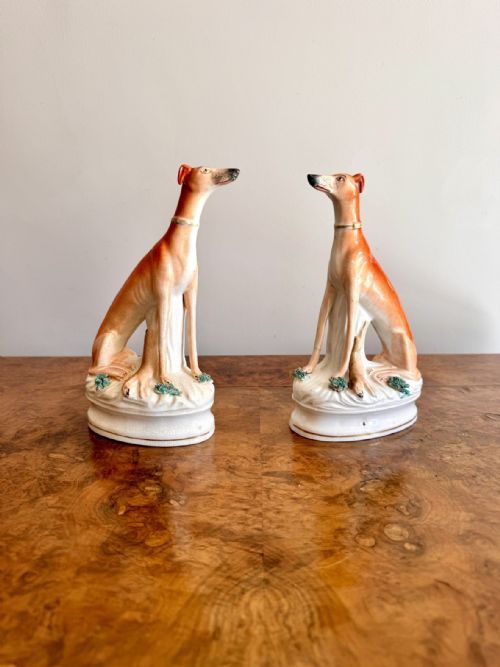
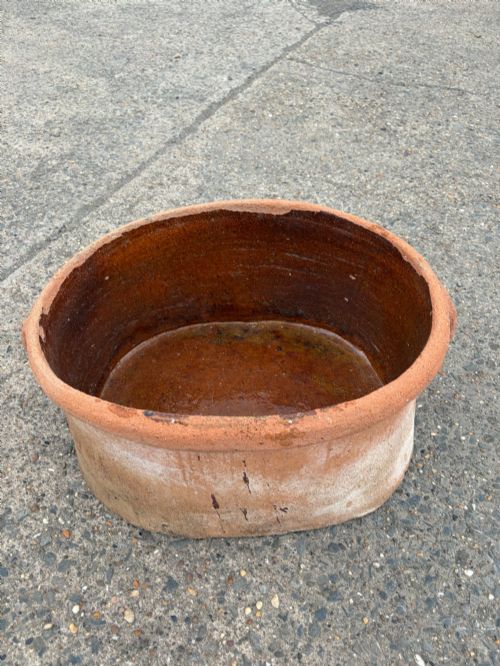
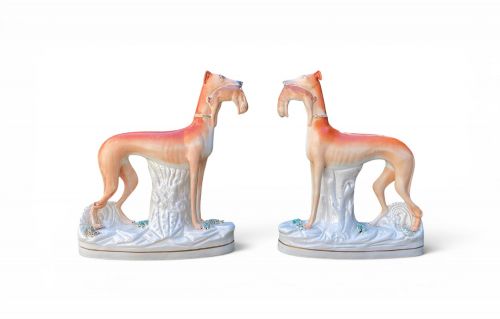
Buyers seeking terracotta orange ceramic typically encounter utilitarian vessels, decorative figures, and large garden pots.
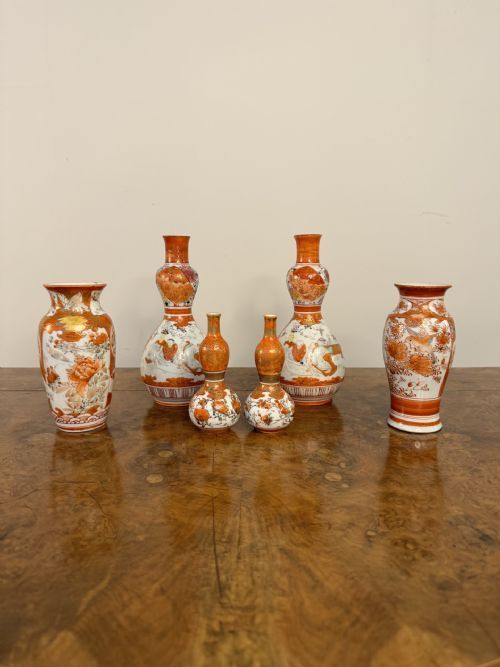
The selections span English regional potteries and continental workshops alongside diverse Japanese export wares.
Materials and Working Methods
Potters shaped iron-rich clay bodies on the wheel or pressed them into moulds before firing at moderate temperatures.
Glazes, enamels, and slip coatings provided surface colour and protection to the porous earthenware bodies.
Terracotta Orange Ceramic Retail Price Guide 2026
Typical asking prices for terracotta orange ceramic among the pieces listed under this phrase on Sellingantiques today, from the lower quarter to the upper quarter. They describe what is for sale here now, not the wider market.
Materials represented across the inventory range from porous terracotta and slipware to ironstone and porcelain.
Judging Quality and Execution
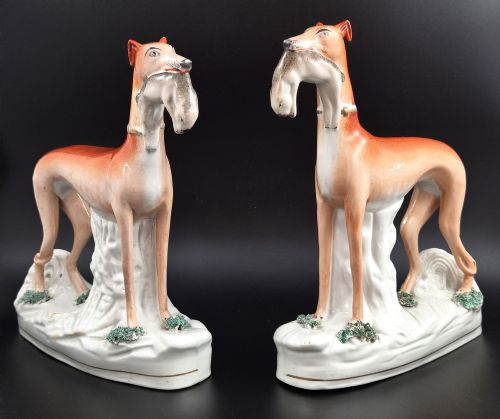
Finely potted pieces demonstrate uniform thickness and crisp modelling in sculptural animal figures and relief decoration.
The sophistication of hand-painted enamels and glaze application distinguishes standard utility wares from exhibition pieces.
Thomas Parr·Ridgways China·Minton·Masons Ironstone·Moorcroft
The Terracotta Orange Ceramic Glossary
- Terracotta
- A porous, unglazed or glazed fired clay body possessing a characteristic brownish-orange colour. This material forms the basis of many traditional garden pots and utilitarian kitchen vessels.
- Earthenware
- Pottery fired at lower temperatures that remains porous unless glazed. It constitutes a major category for domestic plates, jugs, and figures.
- Slipware
- Pottery decorated with a thin mixture of clay and water applied before firing. English and continental workshops utilised this technique to create rustic patterns.
- Imari
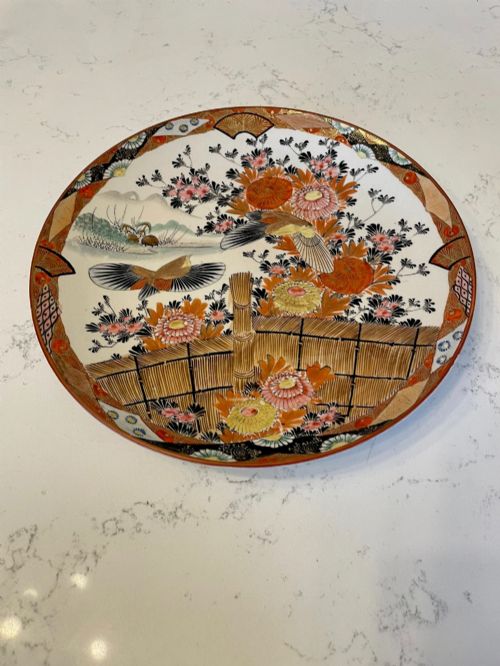
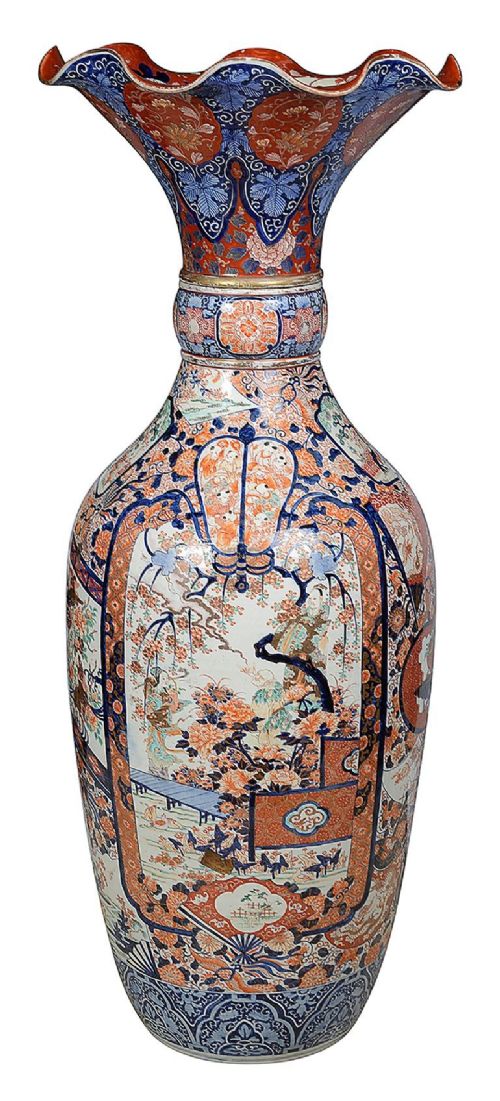
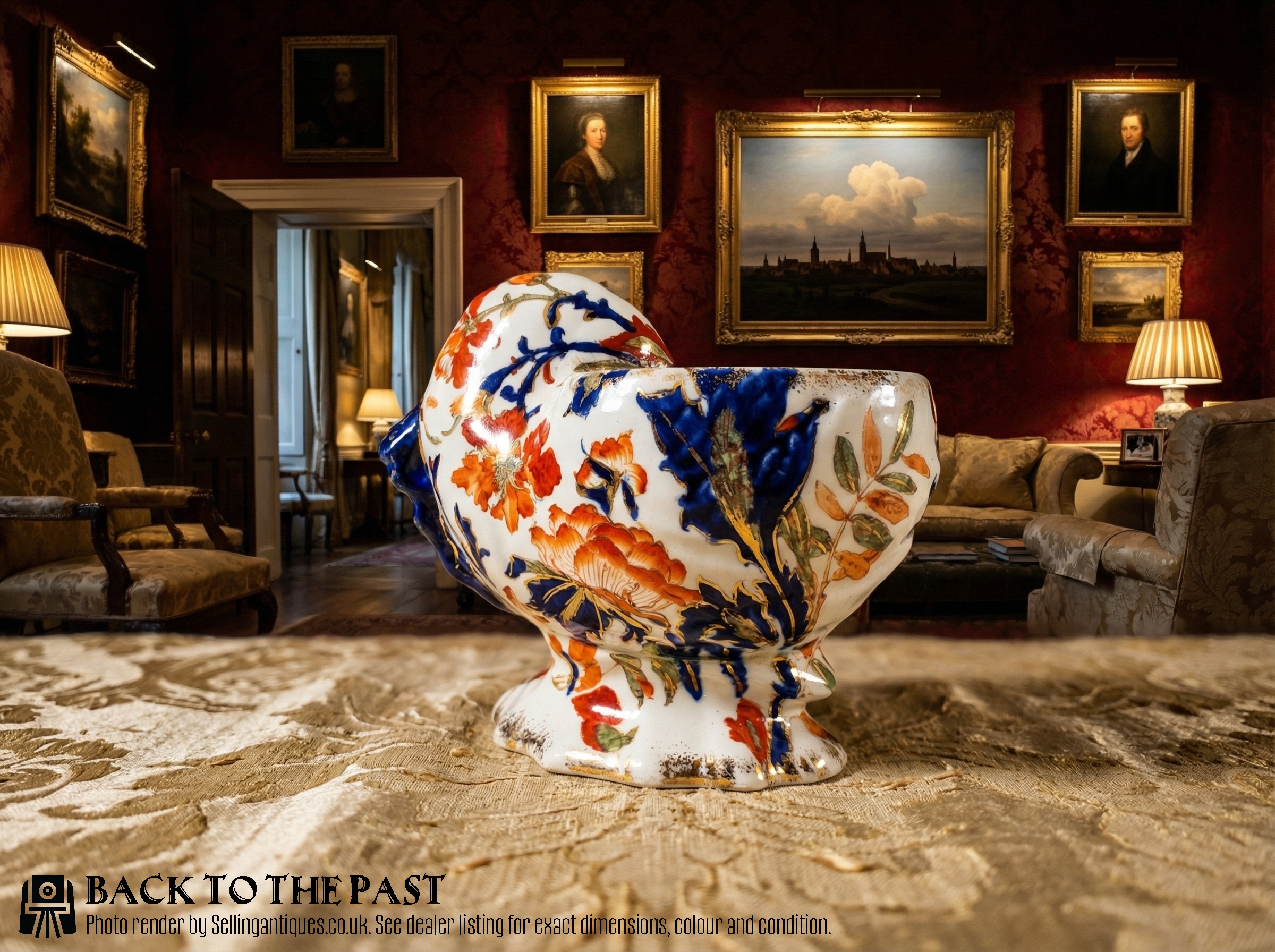
- Japanese export porcelain decorated in underglaze blue, iron red, and gold. The palette contributes vibrant orange and reddish tones to decorative bowls and vases.
Terracotta Orange Ceramic: Frequently Asked Questions
How do I care for antique terracotta?
Keep unglazed terracotta away from freezing moisture to prevent the porous clay from cracking.
Dust dry surfaces gently with a soft brush and avoid harsh chemical cleaners.
What is the difference between earthenware and porcelain?
Earthenware uses common clay fired at lower temperatures and remains somewhat porous.
Porcelain utilises refined kaolin clay fired at high heat until vitrified and non-porous.
Where were nineteenth century pottery figures made?
Staffordshire housed numerous kilns producing popular animal figurines and portrait pieces.
Regional workshops across England also turned local clays into utilitarian domestic items.
How do I identify Japanese Imari wares?
Imari pieces display a distinctive palette featuring iron red, cobalt blue, and gilt highlights.
Japanese kilns produced these decorative plates and vases primarily for export markets.