



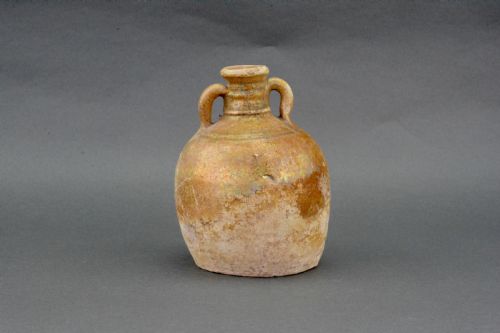

Terracotta Glazed Ceramic Jug
These terracotta glazed ceramic jug pieces span early Roman vessels to Meiji Japanese pitchers, offering tactile utility and historic character for any interior.
Terracotta Glazed Ceramic Jug
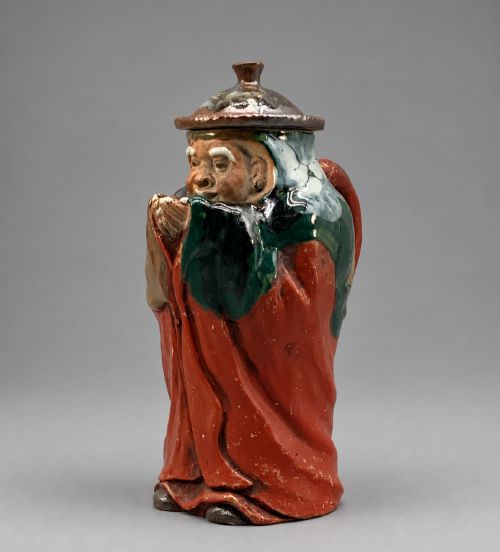
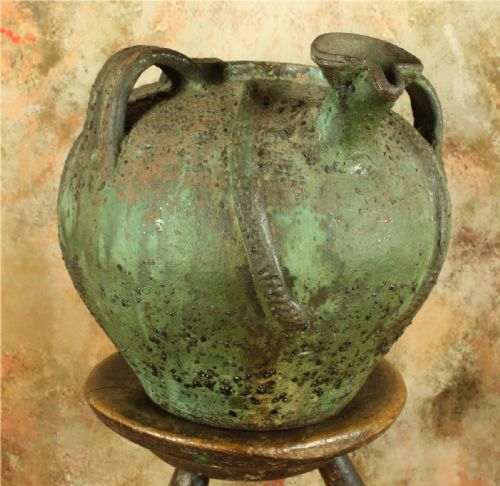
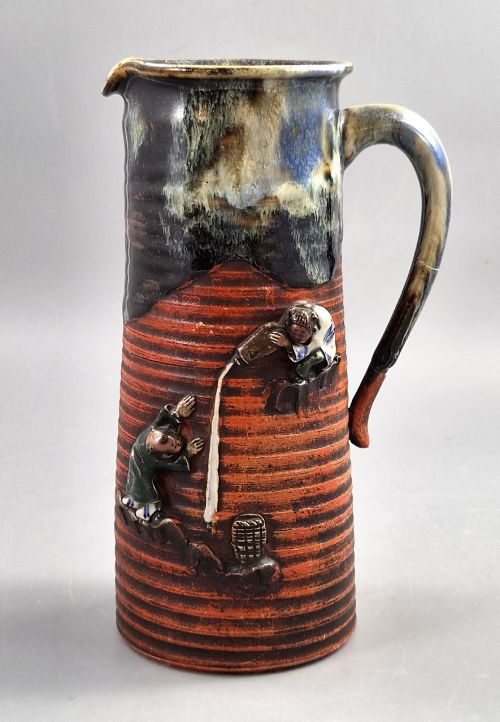
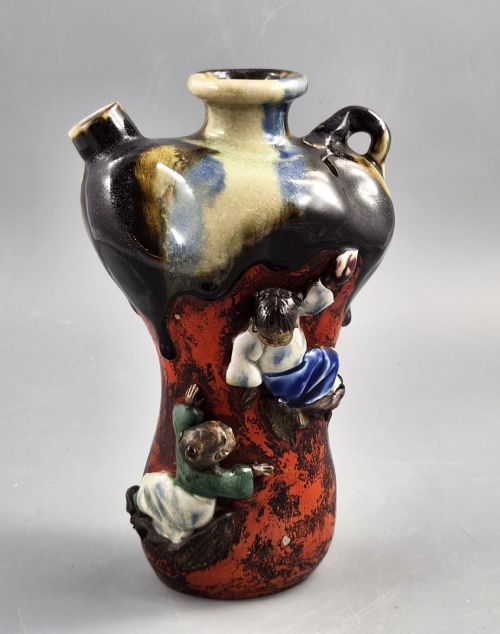
When you search for a terracotta glazed ceramic jug, you encounter an array of utilitarian vessels shaped from clay across centuries. The selection ranges from early Roman flasks and seventeenth-century Dutch slipware to nineteenth-century French oil pots and Japanese Sumida Gawa pitchers.
The versions most likely to appear on this page include provincial European country vessels and Asian pottery types. These forms serve primarily as pitchers, cream jugs, amphorae, and olive jars, reflecting diverse domestic and decorative functions.
How they were made
Makers shaped these vessels using earthenware clay and terracotta bodies, often applying lead glazes or ceramic glazes to seal the porous material. Surface decoration frequently involved slipware techniques, paint, and hand-moulded figural scenes.
Firing took place in traditional kilns, resulting in organic variations in body colour and glaze texture. Artisans utilised simple throwing methods alongside applied handles and decorative motifs characteristic of French provincial, Aesthetic movement, and Arts and Crafts traditions.
Terracotta Glazed Ceramic Jug Retail Price Guide 2026
Typical asking prices for terracotta glazed ceramic jug among the pieces listed under this phrase on Sellingantiques today, from the lower quarter to the upper quarter. They describe what is for sale here now, not the wider market.
Materials recorded across the inventory include earthenware, terracotta, lead glaze, paint, and ceramic glaze.
What varies in quality
Quality in these pieces rests on the integrity of the clay body and the execution of the glaze. Earlier examples, such as seventeenth-century Dutch slipware and early Roman flasks, derive distinction from historical survival and the skill of the hand-thrown form.
Decorative precision also differentiates the range, visible in the detailed modelling of Japanese Sumida Gawa pitchers and Doulton Slater's patent vessels. The harmony between the raw terracotta body and the applied glaze defines the visual success of each jug.
Doulton Slater·Inoue Ryosai
The Terracotta Glazed Ceramic Jug Glossary
- Terracotta
- A porous earthenware clay fired at relatively low temperatures, typically reddish-brown in colour. It forms the structural base for many historic vessels and garden pots.
- Slipware
- Pottery decorated with slip, which is liquid clay applied to the damp clay body before firing. This technique creates contrasting patterns and linear designs.
- Lead glaze
- A traditional glassy coating applied to earthenware to render it watertight. It often produces a warm, translucent finish over terracotta bodies.
- Amphora
- A two-handled ancient vessel with a narrow neck, used primarily for storing and transporting liquids such as oil or wine.
Terracotta Glazed Ceramic Jug: Frequently Asked Questions
How were these jugs originally used?
These vessels served practical daily functions such as storing walnut oil, olive oil, water, or sake, while others acted as cream jugs or table pitchers.
Over time, many transformed from utilitarian kitchenware into decorative objects valued for their rustic and provincial appearance.
How do I date an antique jug?
Dating relies on examining the characteristics of the clay body, glaze composition, and manufacturing technique alongside stylistic markers like Aesthetic movement patterns or Meiji period motifs.
Reference points from seventeenth-century Dutch slipware or early Roman periods provide stylistic clues for comparison.
Are these ceramic jugs watertight?
Many of these pieces feature lead glazes or ceramic glazes designed to seal the porous terracotta and earthenware bodies for liquid storage.
However, very old or archaeological examples may be more suited for dry display rather than active daily use.
How do I care for terracotta pottery?
Keep these items away from extreme moisture and sudden temperature changes to protect the historic clay body and fragile glaze surfaces.
Dust gently with a dry cloth and avoid harsh cleaning agents that might damage the ancient material.