



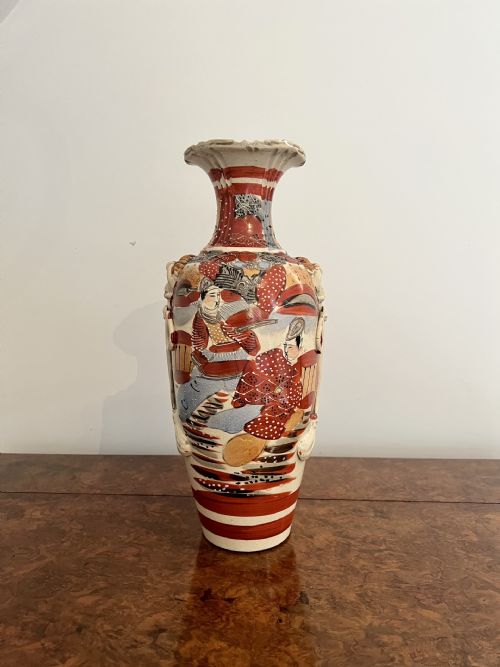


Terracotta Decorative Urns
Terracotta decorative urns bring earthy warmth and sculptural presence to a room, offering tactile pottery forms shaped across centuries.
Terracotta Decorative Urns
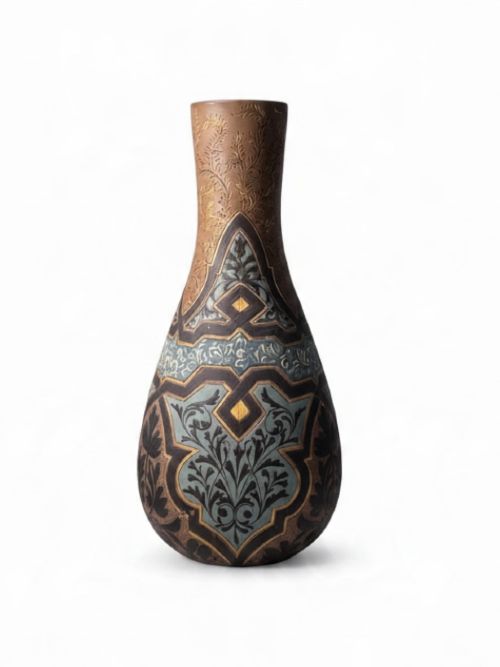
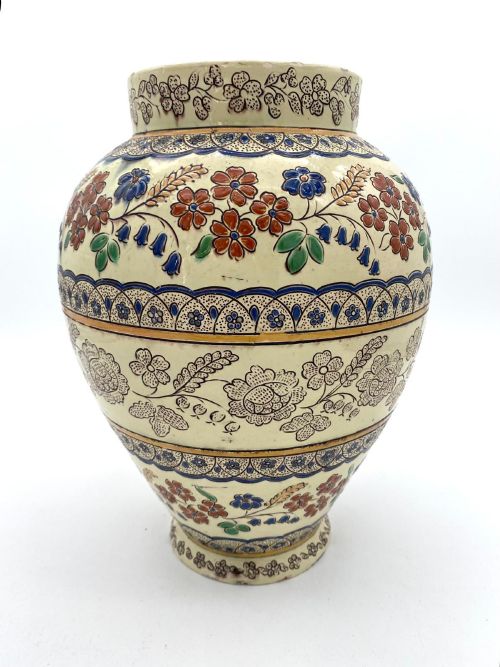
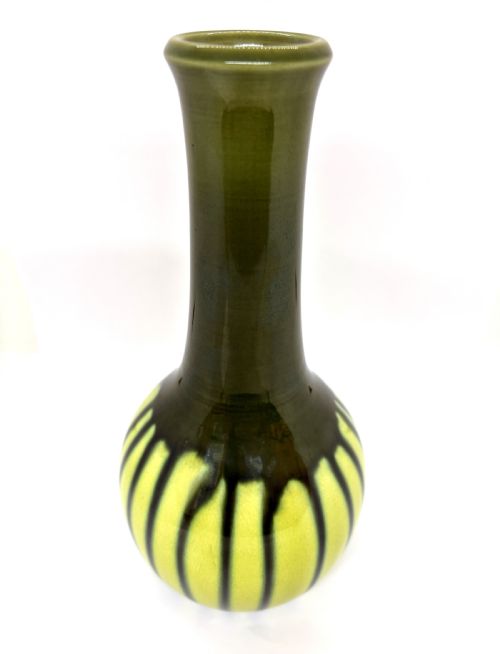
When you search for terracotta decorative urns, you encounter earthenware forms ranging from large olive jars on stands to continental jardinières and classical garden planters. The pieces on this page span the nineteenth century through the early twentieth century, reflecting various global aesthetics from Moroccan to Mediterranean traditions.
You are most likely to meet nineteenth-century earthenware and glazed ceramic vessels alongside later revival pieces. These objects serve primarily as decorative accents, often incorporating handles, stands, or mounted metal details.
The category encompasses both garden vessels and interior decorative pottery, bringing fired clay into domestic and outdoor settings alike. Makers from different regions utilised local clays and distinct glazing techniques to finish these robust forms.
How they were made
Makers shaped terracotta and earthenware bodies by hand or on the wheel before firing the clay at moderate temperatures to achieve a porous, durable structure. Many pieces then received applications of glaze, enamel, or metallic mounts to enhance the surface texture.
Surface decoration frequently involved cobalt blue glazes, silver cabochons, or raised enamel work applied over the fired ceramic body. Artisans combined traditional pottery methods with decorative metalwork and hand-painting to create distinct regional styles.
Terracotta Decorative Urns Retail Price Guide 2026
Typical asking prices for terracotta decorative urns among the pieces listed under this phrase on Sellingantiques today, from the lower quarter to the upper quarter. They describe what is for sale here now, not the wider market.
The listings here include earthenware, porcelain, and cast iron materials spanning periods from the 1800s through the Edwardian era and 1930.
What varies in quality
The distinction between ordinary and superior pieces rests on the crispness of the modelling, the depth of the glaze, and the integration of any structural mounts or stands. Finer examples display balanced proportions and careful attention to surface finish, whether through rich cobalt colouring or meticulous hand-painting.
The integrity of the fired body and the preservation of original decorative elements determine the overall character of the piece. Superior vessels maintain strong architectural lines and harmonious details without heavy or clumsy restorations.
Burmantoft's Pottery·Royal Crown Derby·William Moorcroft
The Terracotta Decorative Urns Glossary
- Terracotta
- A reddish-brown unglazed or glazed fired earthenware clay. It forms the primary structural material for many garden urns and Mediterranean vessels.
- Earthenware
- Porous pottery fired at lower temperatures than porcelain or stoneware. It requires a glaze to become completely watertight.
- Majolica
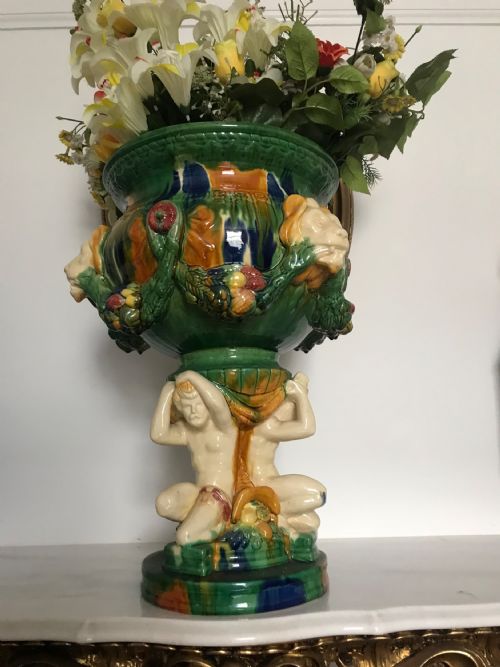
- Tin-glazed earthenware decorated with colourful metal oxides on an opaque white background. This technique produces vibrant surfaces on decorative planters and large vases.
- Jardiniere
- An ornamental pot or stand designed to hold growing plants or flowers. These vessels often sit on figural bases or dedicated stands.
- Cabochon
- A polished gemstone or metal mount cut in a convex form without facets. Such elements frequently accent Moroccan and continental pottery mounts.
Terracotta Decorative Urns: Frequently Asked Questions
Can these urns hold water?
Many nineteenth-century earthenware and terracotta vessels remain porous unless fully glazed on the interior. It is advisable to use a liner inside unglazed decorative urns if you plan to display fresh floral arrangements.
Glazed ceramic and majolica examples generally hold water safely for short periods.
How do I clean antique terracotta?
Dust the surface gently with a soft, dry brush or cloth to protect the dry clay and any delicate painted details or metallic mounts. Avoid soaking porous earthenware in water or using harsh chemical cleaners that might damage the fired body.
Glazed areas tolerate a damp cloth provided you dry the surface immediately afterwards.
How can I tell the period?
Examine the base, the consistency of the clay body, and the style of the glaze or mounts for clues about manufacturing dates. Nineteenth-century pieces often display hand-thrown irregularities and traditional glaze formulations characteristic of European and Mediterranean workshops.
Maker stamps and impressed registry marks also help narrow down the decade of production.