



Terracotta Chest Drawers
These terracotta chest drawers pieces bring distinct painted pine, mahogany, and lacquer finishes to storage forms from the eighteenth and nineteenth centuries.
Terracotta Chest Drawers
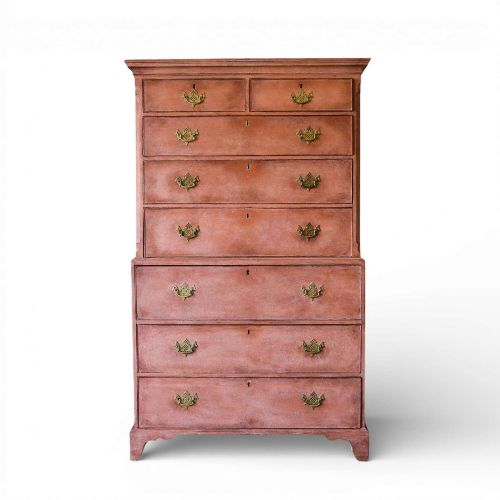
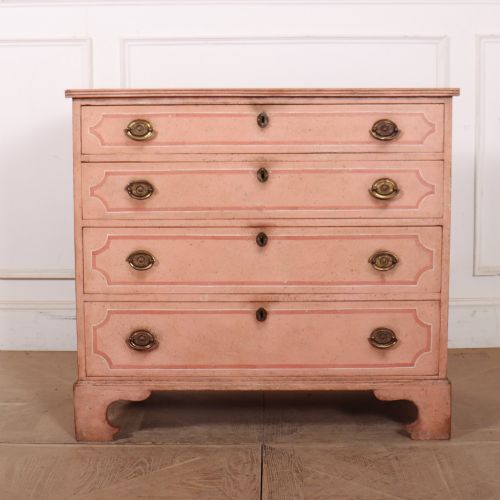
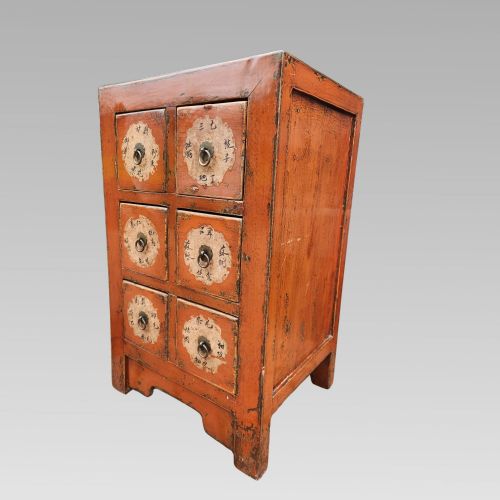
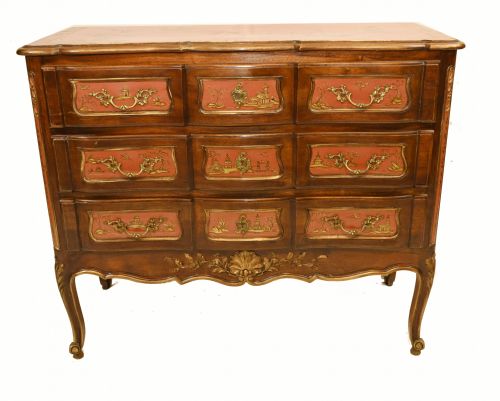
When you search terracotta chest drawers, you are looking at utilitarian storage forms like chests of drawers, tallboys, apothecary cabinets, and commodes. The pieces span eighteenth century Georgian and George III periods through Victorian, nineteenth century, and nineteen-thirty examples.
The versions you meet most frequently on this page are nineteenth century painted pine chests of drawers and eighteenth century painted mahogany pieces. Scandinavian country styles from Sweden and Denmark sit alongside English country pieces and traditional Chinese lacquer designs.
Materials and construction
Construction relies primarily on timber frames in pine, mahogany, and general wood, paired with brass and iron hardware. Many surfaces carry original paint or lacquer finishes, reflecting Scandinavian, English, and Chinoiserie traditions.
Joinery supports traditional forms such as the chest on chest, secretaire tallboy, and multi-drawer apothecary cabinet. Hand-painted decoration frequently adorns the exterior surfaces of Scandinavian and Chinese pieces.
Listings incorporate pine, mahogany, and painted wood materials alongside iron and brass hardware.
Distinctions in quality
Quality separates through the integrity of original paint surfaces and period hardware rather than standardised manufacture. Pieces retaining authentic nineteenth century or eighteenth century hand-painted finishes command stronger interest.
Structural refinement shows in the proportion of George III period tallboys and the detail within Chinoiserie lacquer work. The presence of original brass or iron fittings preserves the integrity of the piece.
The Terracotta Chest Drawers Glossary
- Tallboy
- A tall chest of drawers, often consisting of one chest stacked upon another, popular in the eighteenth century. This form provides substantial vertical storage.
- Commode
- A low chest of drawers or cabinet originating from French furniture forms. In these listings, the term applies to Scandinavian painted storage pieces.
- Secretaire
- A desk fitted with a pull-down writing drawer combined into a larger chest or tallboy. It conceals small compartments and pigeonholes inside.
- Chinoiserie
- European decorative style inspired by Chinese artistic traditions, featuring painted lacquer and motifs. This style appears on nineteenth century apothecary and storage cabinets.
- Apothecary Cabinet
- A multi-drawer cabinet originally used for storing medicines and herbs. Examples here include vintage Chinese medical storage forms.
Terracotta Chest Drawers: Frequently Asked Questions
What periods do these chests come from?
The listings include eighteenth century Georgian and George III pieces alongside nineteenth century, Victorian, and nineteen-thirty examples. These eras encompass both English country workshops and Scandinavian rural traditions.
Craftsmanship shifts from formal mahogany tallboys to vernacular painted pine chests and traditional Chinese lacquer work across these periods.
How do Scandinavian chests differ from English ones?
Scandinavian examples from Sweden and Denmark typically feature bright hand-painted pine surfaces in country styles. English pieces lean towards mahogany construction and formal Georgian proportions.
Both traditions utilise multi-drawer storage formats, but the decorative approach remains distinct to each region.
What is a chest on chest?
A chest on chest, or tallboy, is a two-section storage piece where a smaller upper chest sits atop a wider lower base. This configuration maximises vertical storage capacity.
Georgian period iterations often combine this form with a pull-down secretaire writing drawer.
Are the paint finishes original?
Several listings specifically note original paint or hand-painted decoration across Victorian pine and nineteenth century Swedish items. Original surfaces preserve the intended aesthetic of the period.
Lacquer and painted wood finishes require careful placement away from direct heat and strong sunlight to maintain stability.