

Terracotta Artwork
Terracotta artwork captures the warm, earthy tones of clay and related media, offering tactile depth to collectors who value rich, natural hues.
Terracotta Artwork
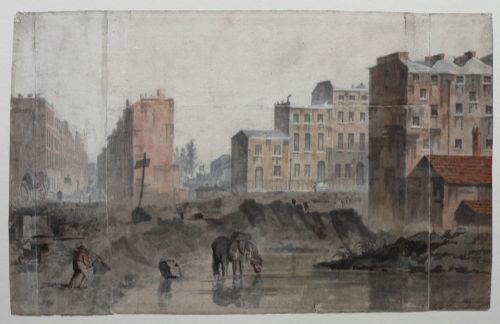
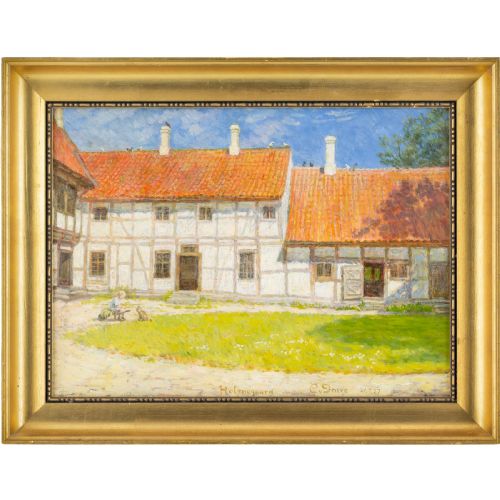
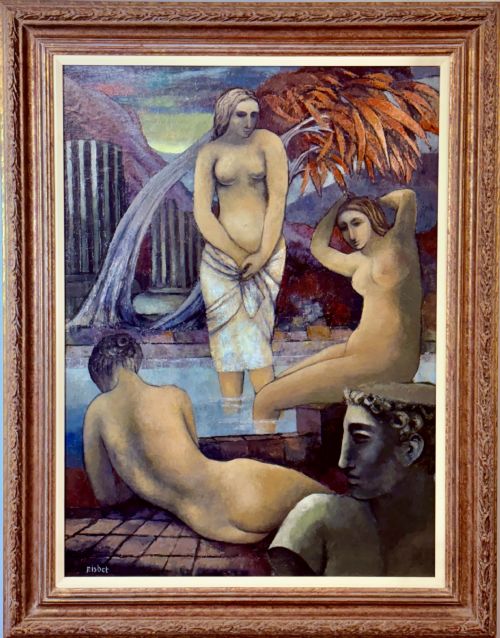
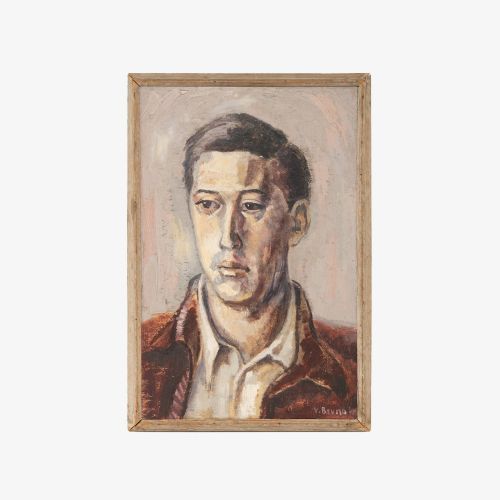
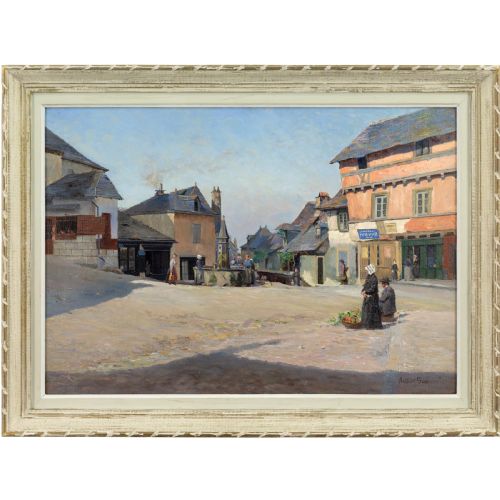
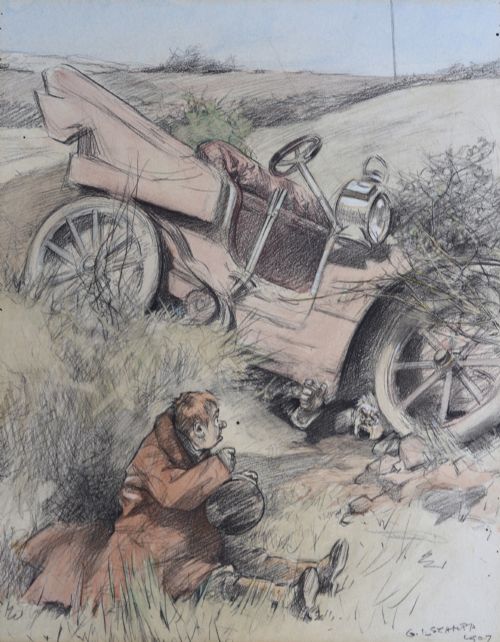
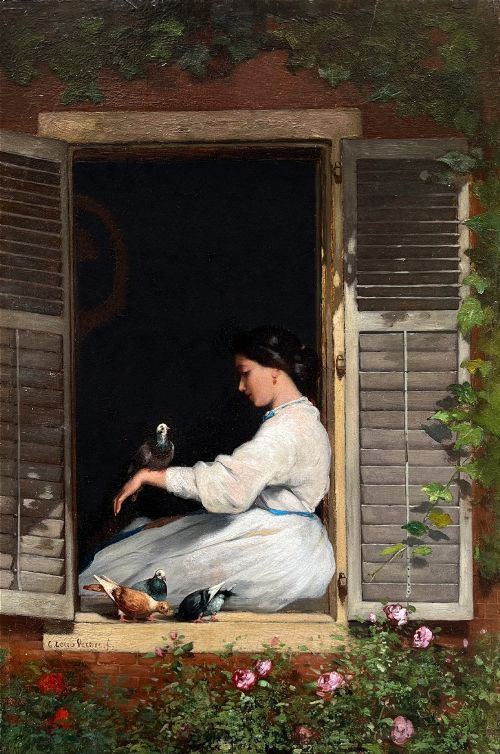
When you search for terracotta artwork, you encounter pieces that incorporate clay sculpture or employ the distinct reddish-brown earth colours characteristic of baked earth. The current selection spans multiple periods, featuring works created across the nineteenth and twentieth centuries.
You are most likely to meet sculptures, portraits, and paintings that either depict terracotta objects or utilise similar warm palettes. The pieces range from Victorian examples to mid-century modern interpretations.
The objects connect closely to traditional sculpting and painting techniques, reflecting styles from British Impressionism to Art Deco. Collectors examine these items to find specific depictions of pottery containers and figural busts.
Materials and Techniques
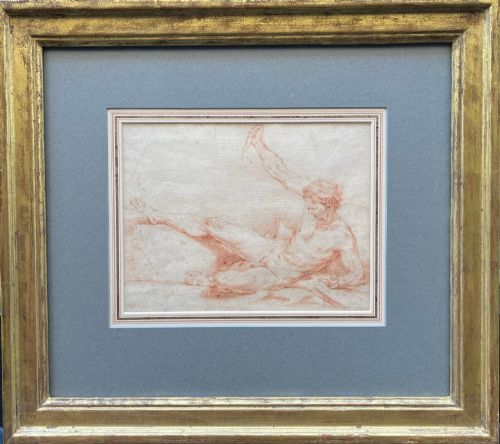
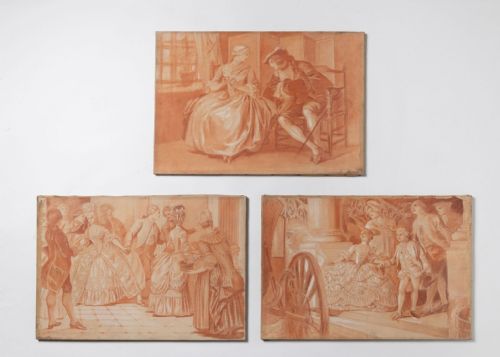
Makers shaped physical sculptures from fired clay, capturing fine details while the material remained pliable before kiln baking. Painters achieved similar earthy warmth by applying oil paint, watercolour pigment, and sanguine chalk onto paper and canvas surfaces.
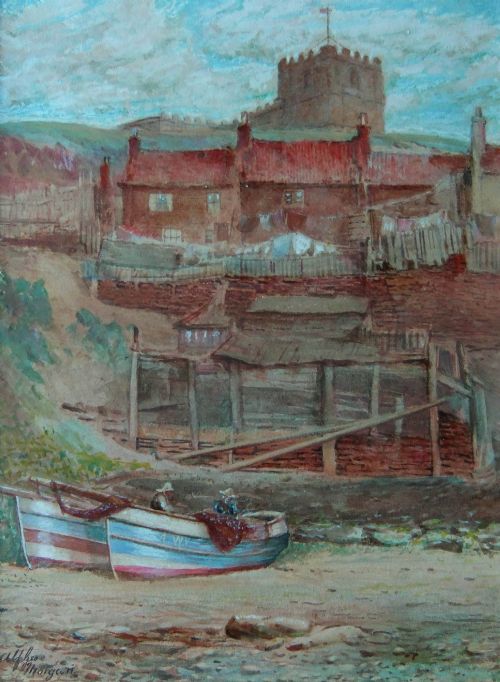
Surfaces often show the direct touch of the hand or tool, whether in the modelled contours of a clay bust or the impasto strokes of a canvas. Artisans combined traditional drawing methods with oil and watercolour mediums to establish rich tonal depth.
Terracotta Artwork Retail Price Guide 2026
Typical asking prices for terracotta artwork among the pieces listed under this phrase on Sellingantiques today, from the lower quarter to the upper quarter. They describe what is for sale here now, not the wider market.
Several pieces feature potted plants stubbornly refusing to drop their leaves across multiple decades of artistic preservation.
Variations in Quality
Quality rests in the precision of the modelling and the sensitivity of the hand applied to the medium. Superior examples display confident handling of form, whether shaping clay or applying pigment.
The distinction between standard works and finer pieces depends on the expressiveness of the lines and the preservation of the surface texture. Stronger works maintain structural integrity and a clear artistic vision across the composition.
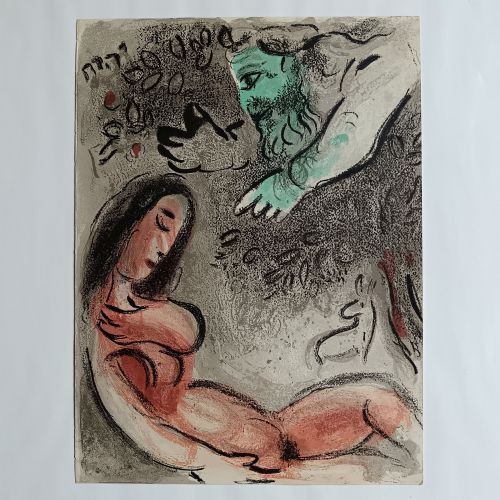
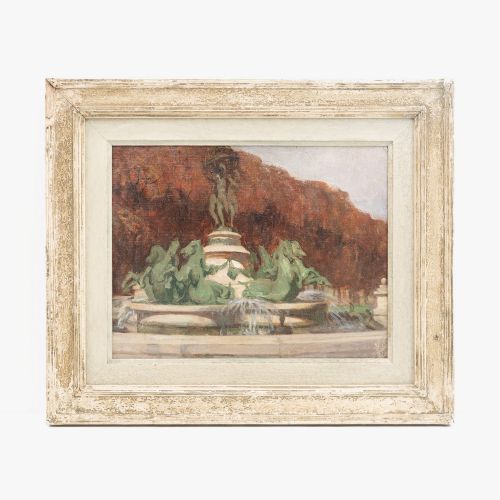
Gilbert Privat·Demetrios Galanis·Marc Chagall
The Terracotta Artwork Glossary
- Terracotta
- Fired unglazed clay possessing a characteristic brownish-red hue. It serves as both a sculptural medium and a descriptor for warm earth tones.
- Sanguine
- A chalk of a reddish-brown blood colour used for drawing. Artists employ this material to render warm figural studies.
- Impasto
- Paint applied thickly to a canvas so that it stands out from the surface. This technique adds tactile dimension to painted artworks.
- Lithograph
- A print produced from a flat stone or metal plate. The method allows for the duplication of detailed graphic works.
Terracotta Artwork: Frequently Asked Questions
What defines terracotta artwork?
Terracotta artwork encompasses sculptures fashioned from fired clay alongside paintings that utilise the distinctive reddish-brown pigments associated with baked earth. These pieces capture warm, earthy tones across various historical periods.
Collectors identify these items through their material composition and the specific colour palettes employed by the makers. The category bridges three-dimensional clay objects and two-dimensional representations.
How should I display these pieces?
Displaying physical clay sculptures requires stable placement away from high-traffic edges to prevent accidental impacts. Paintings and works on paper benefit from controlled lighting that highlights the warm pigment tones without causing fading.
Positioning pieces in rooms with moderate humidity helps preserve organic materials like paper and unglazed clay. Ensuring adequate structural support for heavier framed works secures the display safely.
How do I identify the period?
Dating relies on examining the stylistic markers, framing techniques, and material ageing visible in each piece. Works from the nineteenth century often exhibit different handling compared to mid-century modern examples.
Comparing the signatures, subject matter, and technical execution against documented periods helps establish a reliable timeline. Catalogues and historical records provide further context for specific makers.
What subjects appear in these works?
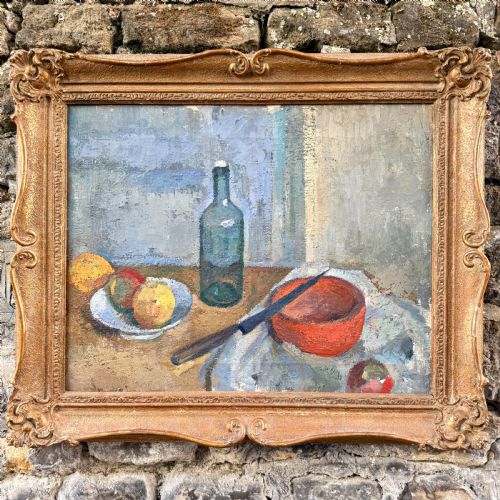
Subjects include figural busts, still life arrangements featuring pottery pots, and landscape views incorporating earthy architectural elements. Artists frequently focus on the interplay between natural light and warm clay surfaces.
Portraiture and studies of the human form also feature prominently among the available sculptural and drawn objects. These themes highlight the versatility of the medium across different artistic movements.