

Terracotta Art
When you search for terracotta art, you find moulded clay and earthenware forms spanning ancient vessels to Art Nouveau figures.
Terracotta Art
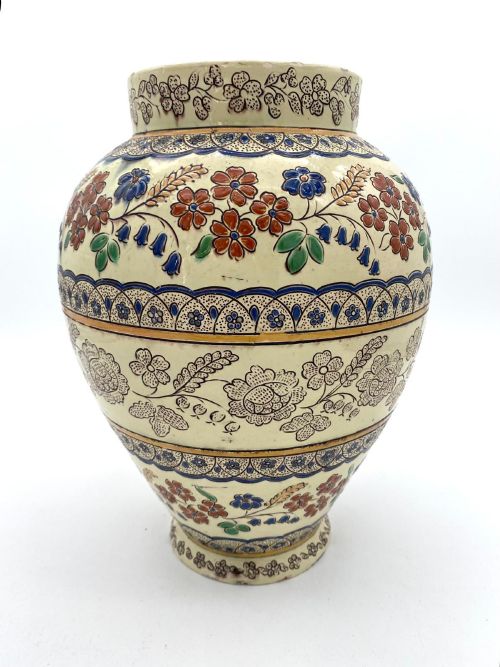
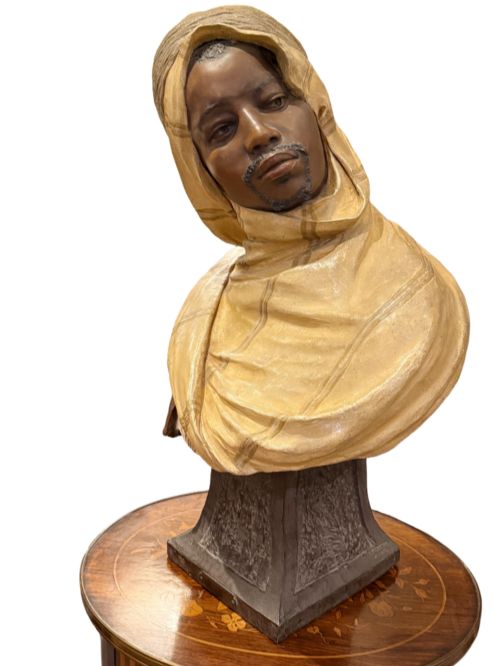
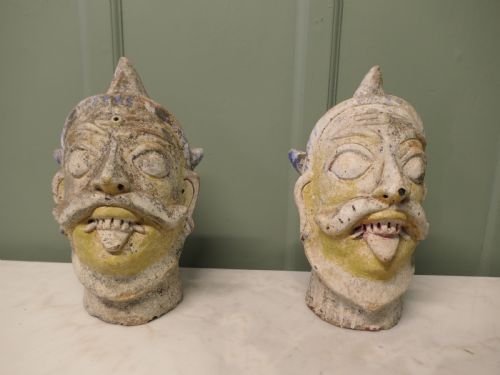
Teracotta art encompasses moulded clay sculptures, pottery vessels and architectural elements originating from diverse historical periods. When exploring terracotta art on this page, the selection ranges from ancient Pre-Columbian zoomorphic vessels and Han Dynasty dancer figures to European Art Nouveau busts and figures.
Makers such as Goldscheider and studios like Waldkater Keramik represent the figurative European works seen here. Alongside these figural pieces, earthenware items and vessels provide alternative forms within the material.
How they were made
The objects combine baked clay and earthenware bodies, frequently finished with pigment, glaze or slip cast techniques. Sculptural works utilise fired earth to capture detailed human and animal forms, while vessels employ traditional pottery methods.
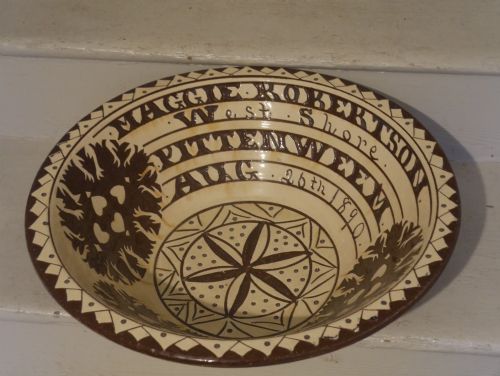
Surface treatments range from polychrome painted details and lavender flambé finishes to unglazed natural clay textures, depending on the period and origin of the piece.
Terracotta Art Retail Price Guide 2026
Typical asking prices for terracotta art among the pieces listed under this phrase on Sellingantiques today, from the lower quarter to the upper quarter. They describe what is for sale here now, not the wider market.
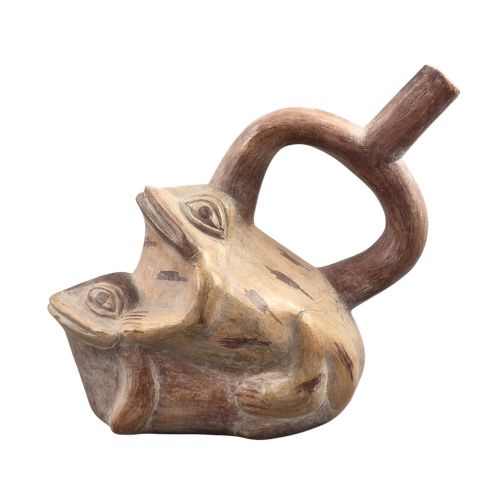
Mating frogs carved from clay over two thousand years ago demonstrate that ancient sculptors also appreciated a touch of humour.
What varies in quality
The application of glaze, slip or polychrome pigment distinguishes finer examples, where colour enhances the contours of the form rather than obscuring the underlying material.
Goldscheider
The Terracotta Art Glossary
- Terracotta
- Fired unglazed clay of a brownish-red colour, utilised for sculpture and pottery across numerous historical periods.
- Earthenware
- Porous pottery fired at relatively low temperatures, frequently glazed or painted for decorative effect.
- Slip
- A suspension of clay in water applied to pottery or sculpture before firing to smooth the surface or add colour.
- Polychrome
- Decorated in a variety of colours, seen on figures and vessels to render realistic details.
- Zoomorphic
- Having or representing animal forms, frequently found in ancient vessels and figures.
Terracotta Art: Frequently Asked Questions
What is terracotta art?
Terracotta art comprises objects shaped from fired clay, ranging from ancient figures to European sculptural works.
The materials include earthenware and clay, often enhanced with glazes, slips or polychrome pigments.
How old are these pieces?
The items span ancient periods including Pre-Columbian and Han Dynasty eras, alongside nineteenth and twentieth-century European works.
Each period utilises distinct firing methods and stylistic conventions characteristic of its origin.
How do I display terracotta sculpture?
Sculptures and vessels require stable, flat surfaces away from high traffic areas where accidental knocks might occur.
Displaying pieces with adequate lighting highlights the modeling and surface texture of the fired clay.
What styles are included?
The selection incorporates Art Nouveau figures, folk art pieces, and ancient zoomorphic vessels.
Stylistic traits vary from the ornate detailing of European workshops to the traditional forms of earlier civilisations.