

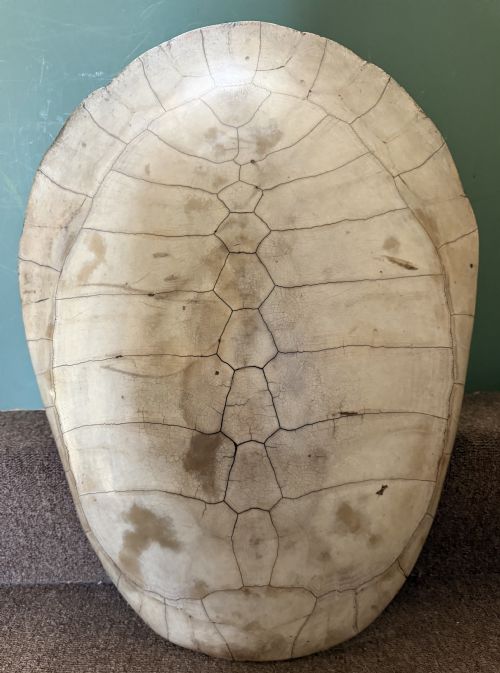




Taxidermy Cabinet Display
A taxidermy cabinet display brings natural history into the interior, using glass and wood to protect preserved specimens.
Taxidermy Cabinet Display
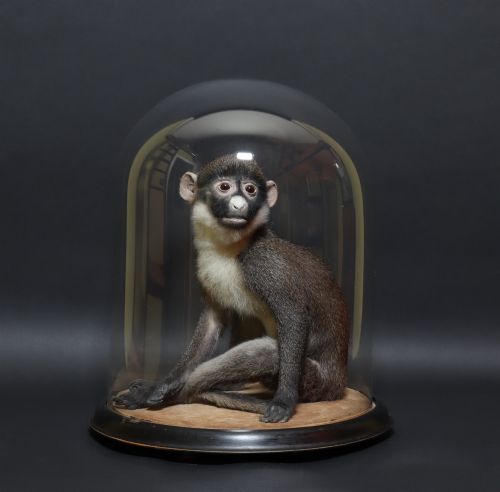
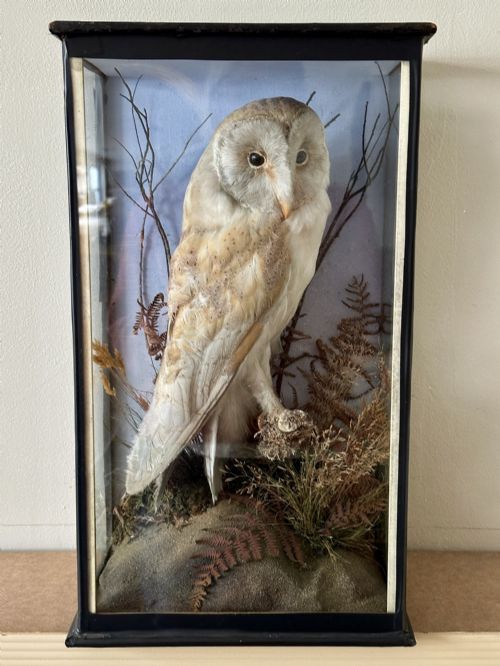
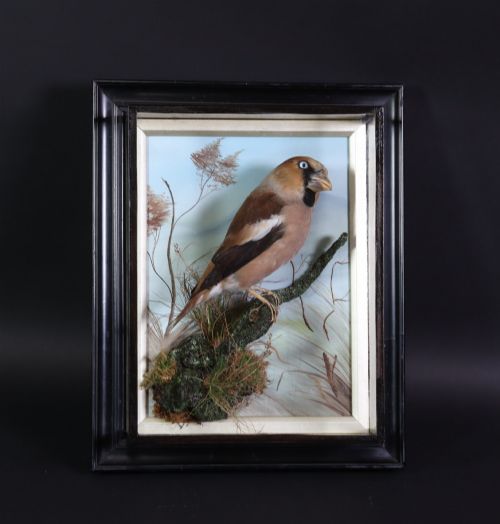
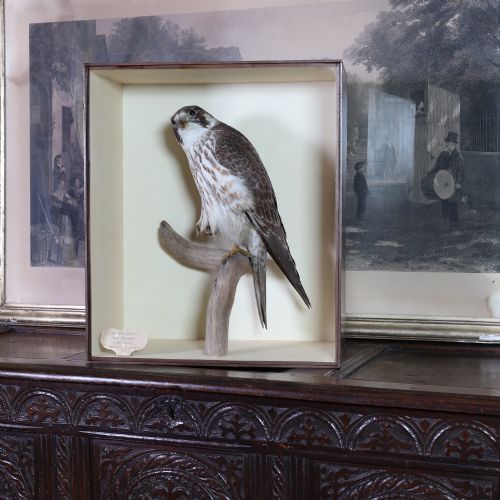
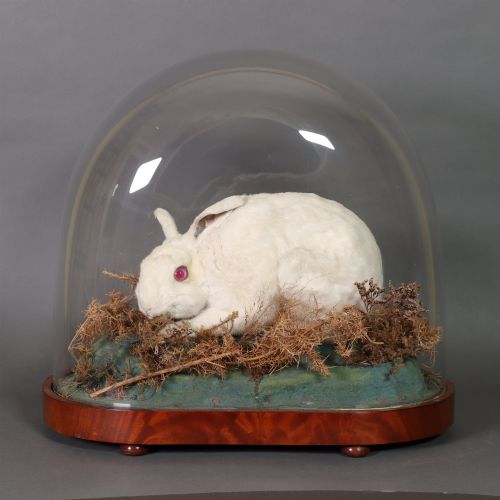
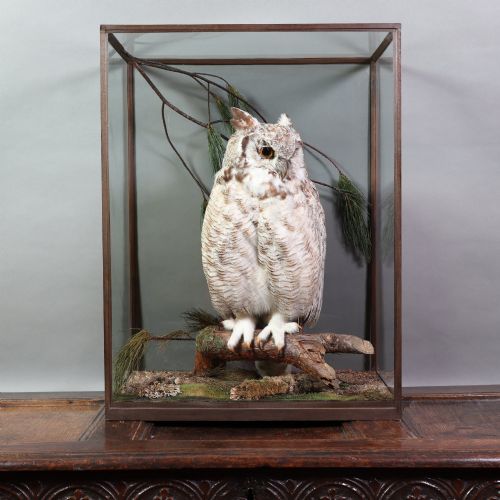
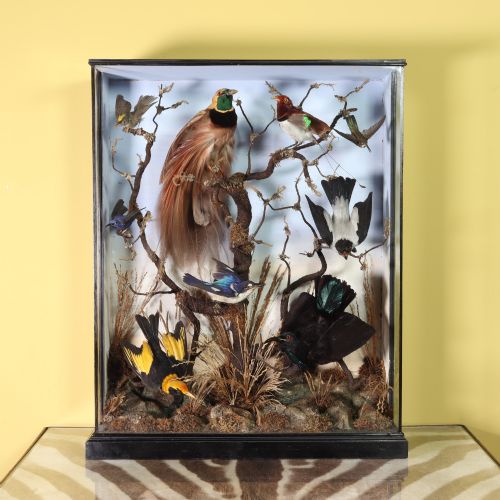
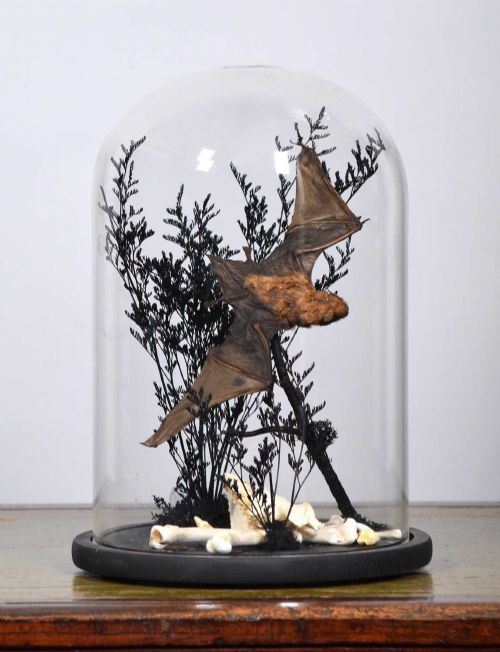
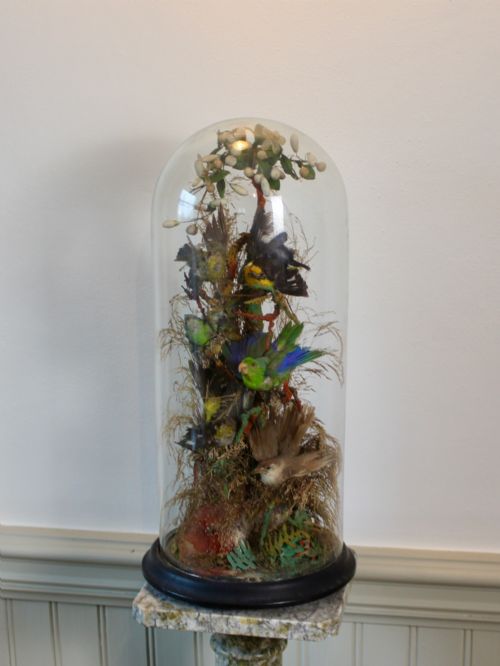
A taxidermy cabinet display gathers preserved animals, birds, and insects inside protective housings for study and decoration. When searching for taxidermy cabinet display, buyers encounter Victorian and Edwardian pieces ranging from large multi-specimen compositions to single birds of paradise, owls, and bats.
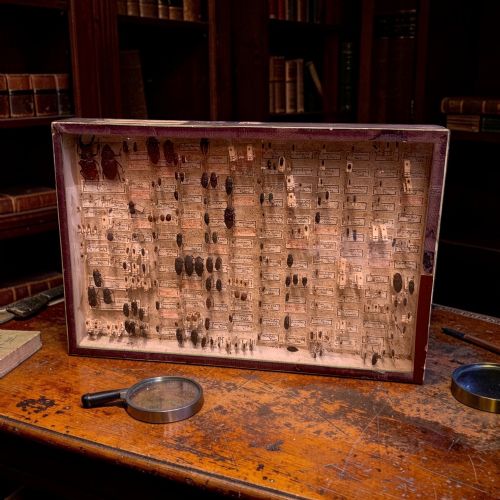
The objects take several distinct shapes across the listings. Enclosed glass domes, flat-sided domes, wall-mounted wooden cabinets, and freestanding specimen cases dominate the selections, originating primarily from the nineteenth and early twentieth centuries.
Makers and taxidermists of note shaped this tradition, producing specialised glass showcases for collectors. Works signed or attributed to established practitioners such as James Gardner, Rowland Ward, Henry Ward, A Pollard, Hutchings of Aberystwyth, and J Dobson appear within these periods.
Materials and Construction
Makers constructed these enclosures using clear blown glass combined with timber frames, ebonised wood bases, and mahogany wall cabinets. Inside the glass housings, taxidermists arranged natural elements including feathers, fur, bone, fabric, and moss to recreate habitats for birds, mammals, and reptiles.
Preservation techniques required careful taxidermy mounting alongside structural internal supports to hold complex compositions. Glass domes rested securely on turned wooden bases, while entomology cases and wall cabinets utilised tight joinery to protect delicate specimens from dust and insects.
Taxidermy Cabinet Display Retail Price Guide 2026
Typical asking prices for taxidermy cabinet display among the pieces listed under this phrase on Sellingantiques today, from the lower quarter to the upper quarter. They describe what is for sale here now, not the wider market.
Listings span the Victorian and Edwardian eras, incorporating materials such as ebonised wood, glass, feathers, bone, and moss.
Distinctions in Execution
The enclosure itself influences the standing of a piece, with heavy blown glass domes, ebonised bases, and signed cabinet work commanding greater interest. Original maker labels from prominent London taxidermists elevate the status of a display beyond unsigned or anonymous examples.
James Gardner·Rowland Ward Ltd·Henry Ward London·A Pollard·Hutchings of Aberystwyth·J Dobson
The Taxidermy Cabinet Display Glossary
- Dome
- A blown glass cover used to protect delicate specimens from dust while permitting all-round viewing. These glass covers often sit upon circular or oval wooden bases.
- Ebonised wood
- Timber treated with a dark finish to imitate expensive ebony wood. This treatment provides a stark contrast against colourful bird plumage.
- Entomology case
- A shallow wooden box fitted with glass for displaying insect specimens such as butterflies and beetles. These cases protect fragile wings from environmental damage.
- Specimen
- An individual animal, bird, fish, or insect prepared by a taxidermist for scientific study or decorative display. These preserved subjects form the core of natural history collections.
Taxidermy Cabinet Display: Frequently Asked Questions
What is a taxidermy dome?
A taxidermy dome is a glass cover placed over a preserved animal, bird, or natural history composition. The glass sits on a wooden base to protect the fragile contents.
These pieces were popular in Victorian homes for displaying exotic birds and mammals. They allowed collectors to study specimens closely without causing physical damage.
How were these cabinets used?
Taxidermy cabinets and display cases were utilised by Victorian naturalists and collectors to organise and exhibit specimens. They kept dust and insects away from delicate feathers and fur.
Placed in studies, parlours, and drawing rooms, these displays reflected an era's fascination with natural history. They served as both scientific study tools and decorative interior focal points.
How do I date a piece?
Dating a taxidermy display involves examining the style of the wooden base, the clarity and thickness of the glass, and any maker labels. Victorian and Edwardian pieces often exhibit hand-turned timber and specific taxidermy methods.
Signed paper labels underneath bases or inside cabinets provide direct attribution to historical taxidermists. Comparing the species and composition style against known period examples helps narrow the timeline.