




Tasselled Tribal Textile
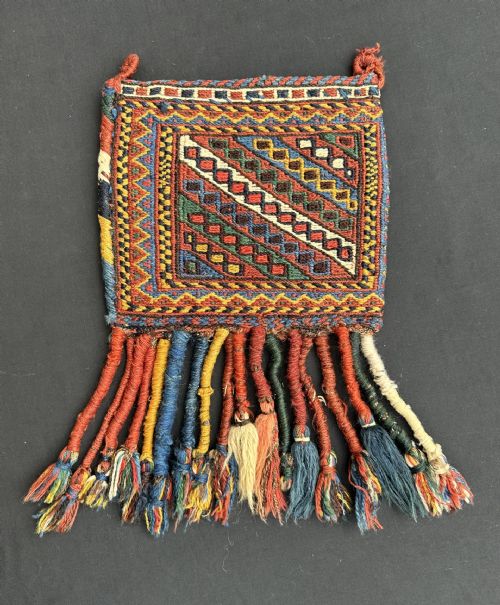
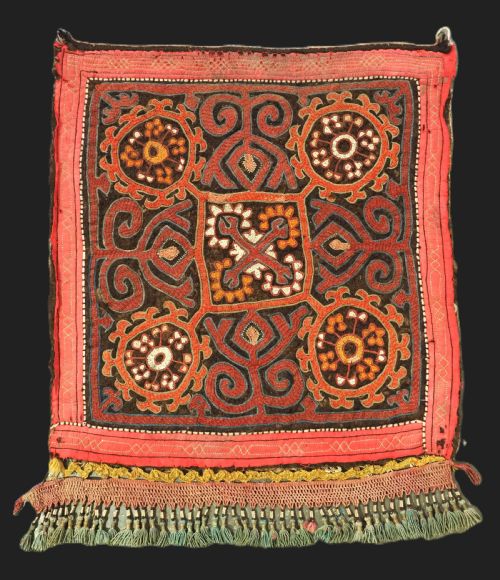
These tasselled tribal textile pieces bring nomadic craft, rich wool, and intricate Central Asian and Persian weaving directly into your space.
Tasselled Tribal Textile
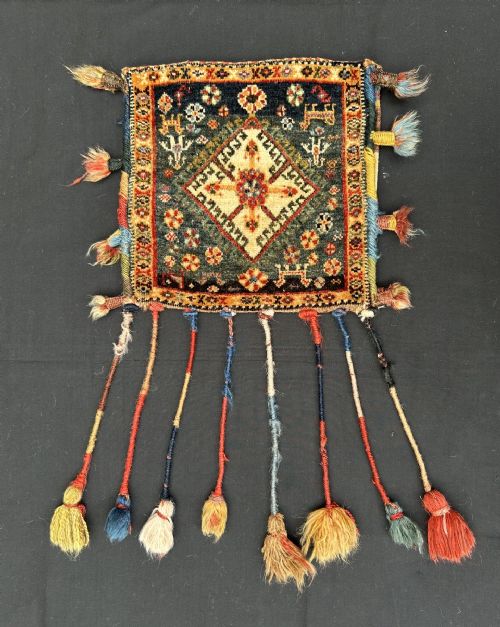
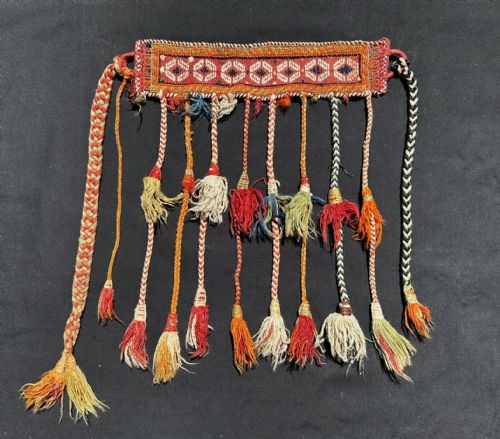
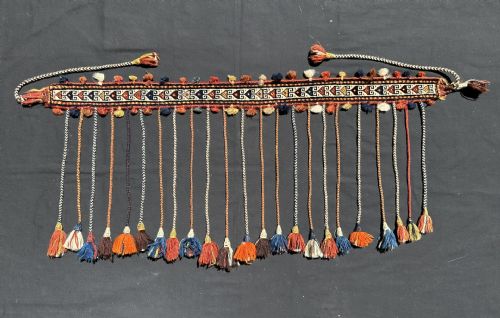
The objects stem from traditions rooted in daily nomadic life, where items served functional purposes like holding salt, spindles, or tent poles, as well as ceremonial roles in weddings and animal adornment. Production spans from the late nineteenth century into the early twentieth century, reflecting distinct tribal identities through regional patterns and weaving structures.
Factors influencing quality
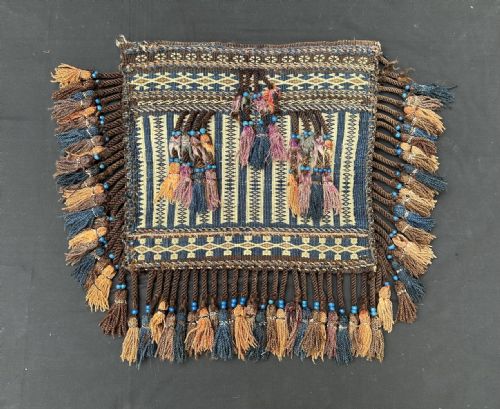
Quality rests upon the integrity of the textile structure, the tightness of the weave or embroidery, and the survival rate of original decorative elements like tassels and fringe. Pieces retaining their complete backing, uncompromised natural dye saturation, and authentic structural components demonstrate superior material preservation.
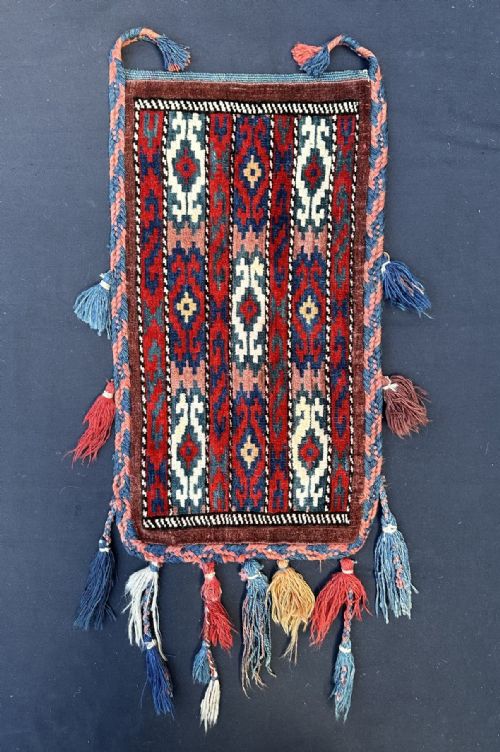
The finesse of the execution, whether in the precision of a silk embroidery on a wool ground or the complexity of a pile-woven asmalyk, separates standard utility items from finer examples of tribal art. The balance between structural durability and intricate ornamentation dictates the standing of each piece.
Horse hair tassels sway alongside glass beads, ensuring your wall hanging retains the jingle of a nineteenth-century wedding camel.
The Tasselled Tribal Textile Glossary
- Asmalyk
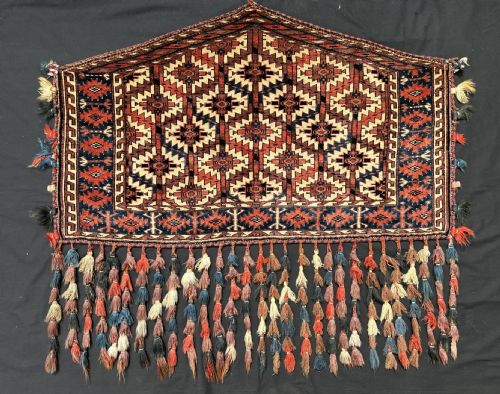
- A large, pentagonal trapping traditionally produced by Yomut Turkmen tribes to adorn the flanks of a bride's camel during wedding processions. These pieces often feature rich pile work and detailed tassel fringe.
- Torba
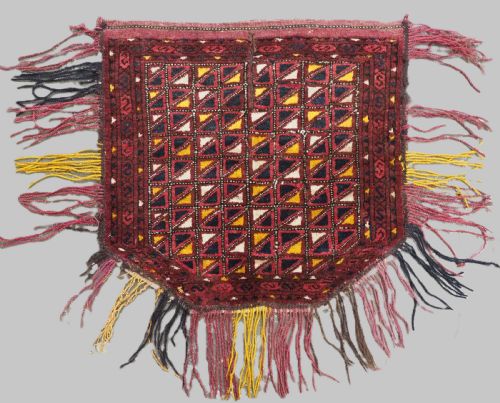
- A wide, rectangular storage bag utilised within nomadic tents for household goods, typically hung against the lattice walls. They display distinct regional patterns associated with Turkmen and Uzbek groups.
- Ok Bash
- A specialised decorative bag designed to cover the protruding ends of tent poles inside a nomadic dwelling. These are frequently fashioned from felt or woven textiles and finished with horse hair or wool tassels.
- Namakdan
- A narrow-necked salt bag woven by nomadic groups such as the Baluch for practical storage during seasonal migrations. Their distinctive shapes accommodate coarse rock salt.
- Ikat
- A dyeing technique where yarns are tie-dyed prior to weaving to create blurred, intricate patterns on silk or cotton textiles. Uzbek makers employed this method for purses and small domestic items.
Tasselled Tribal Textile: Frequently Asked Questions
What are tribal bags used for?
Nomadic groups utilised these woven and embroidered pouches to store household items, salt, spindles, and tent components during seasonal migrations.
They functioned as practical containers within tents, while larger trappings served ceremonial roles during weddings and animal processions.
How do I hang a textile wall hanging?
Mounting requires a method that distributes the weight evenly across the top edge without puncturing the fabric structure.
Using a custom-sleeved fabric backing or a padded wooden dowel allows the piece to hang flat while preserving the original wool, cotton, or silk materials.
How do I identify Turkmen weavings?
Turkmen pieces typically feature deep red wool grounds paired with geometric gul motifs and structured borders specific to tribes like the Yomut and Ersari.
The inclusion of original tassels, flat-weave backs, and specific structural wools helps verify their Central Asian origins.
What is an animal trapping?
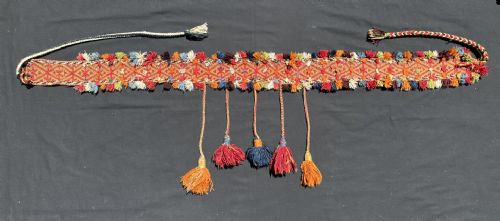
Animal trappings were decorative woven or embroidered garments created to adorn horses and camels during important ceremonies and weddings.
These pieces incorporated fringes, beads, and heavy tassels to visually enhance the animals leading community processions.