





Tapestry Wall Decor
Tapestry wall decor brings centuries of textile artistry indoors, offering rich textures and historic narratives that anchor a room.
Tapestry Wall Decor
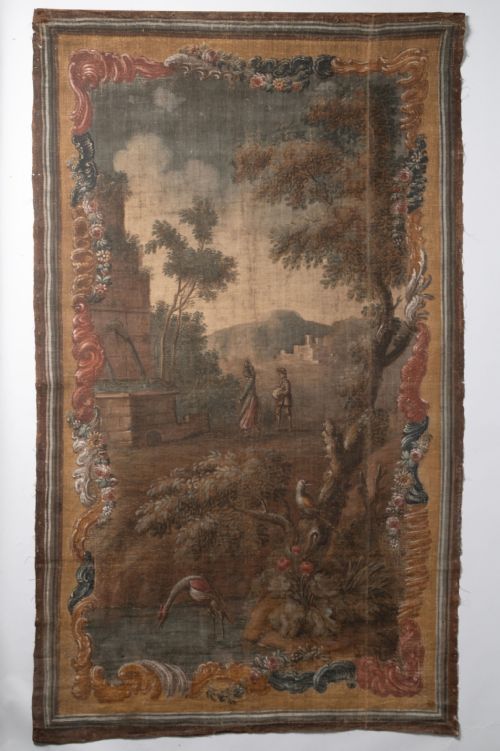
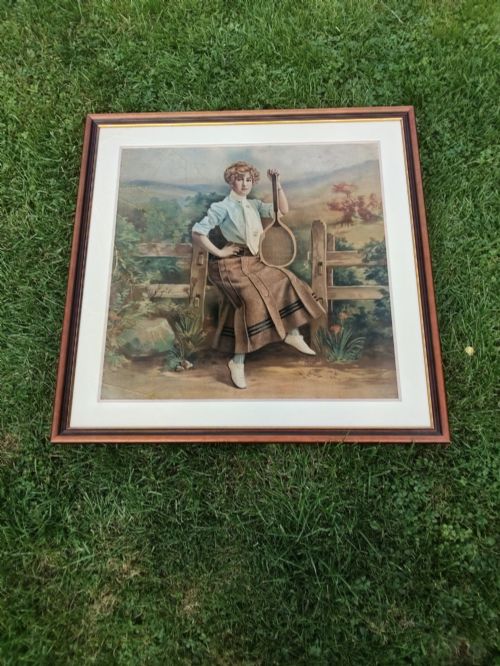
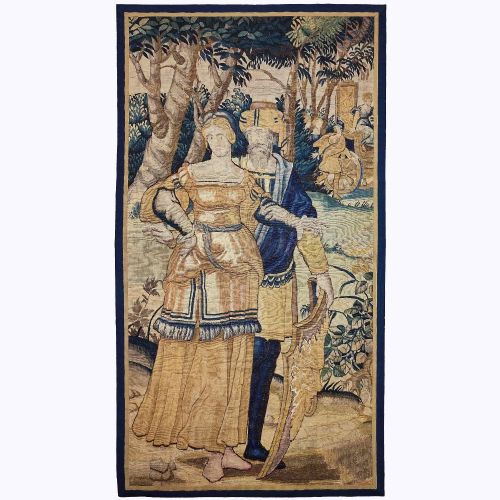
When you search for tapestry wall decor, you encounter a diverse array of textiles spanning the 16th century to the mid 20th century. These pieces range from monumental Flemish Renaissance panels to delicate Edwardian framed needlework and Central Asian tribal embroideries.
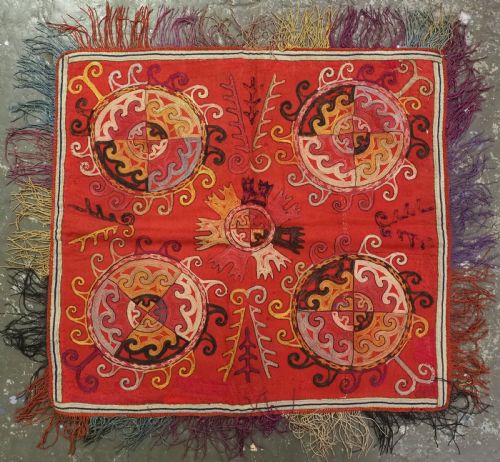
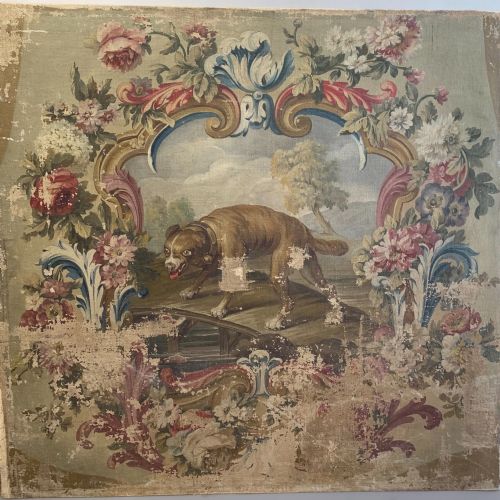
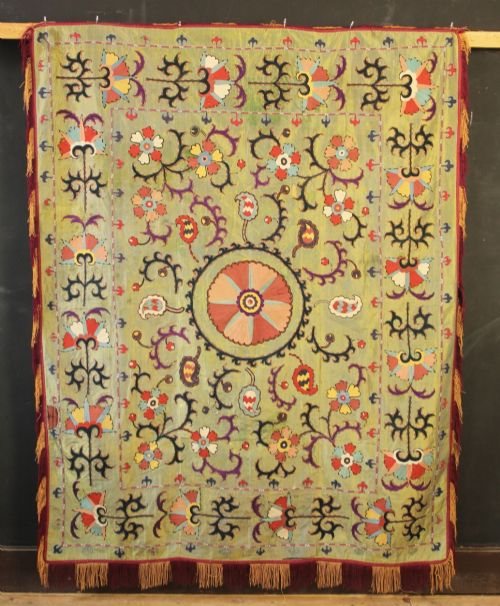
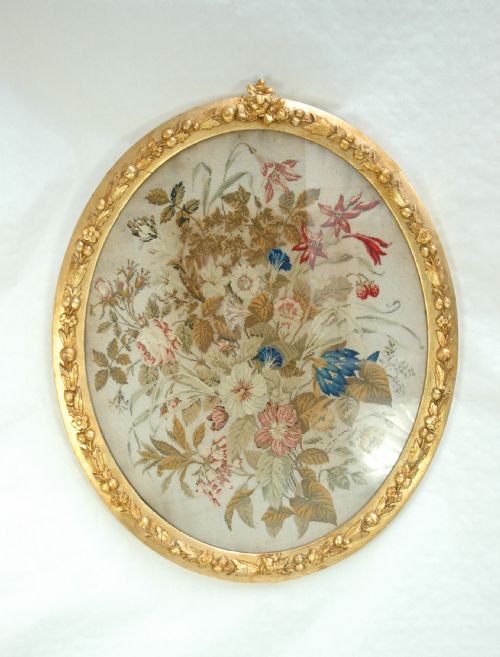
You are most likely to meet 19th century French wall hangings, Victorian needlework pictures, and Uzbek Suzani or Lakai tribal pieces on this page. Formats vary from unmounted wall hangings to framed circular floral needlework and oil on canvas cartoon studies.
Origins stretch across Europe, Central Asia, and India, bringing together Flemish weaving traditions, French Baroque and Rococo revival styles, and tribal needlework. Each object serves primarily as wall art, whether mounted under glass or hung directly from a textile rod.
Materials and construction
These works rely on natural fibres, predominantly wool, silk, cotton, linen, and canvas, often worked with needle and thread or woven on specialised looms. Silk and wool combinations dominate the European examples, whilst Central Asian pieces utilise vibrant cotton and silk embroidery threads on cotton or linen grounds.
Support structures vary widely according to period and origin, including wooden frames with glass glazing for delicate needlework, canvas stretchers for oil paintings, and raw textile panels designed for hanging. Rafia and specialised tribal weaves also appear, demonstrating distinct regional crafting techniques from Africa and Asia.
Tapestry Wall Decor Retail Price Guide 2026
Typical asking prices for tapestry wall decor among the pieces listed under this phrase on Sellingantiques today, from the lower quarter to the upper quarter. They describe what is for sale here now, not the wider market.
Materials represented across the inventory include wool, silk, cotton, linen, canvas, glass, wood, and rafia.
Factors determining quality
The fineness of the stitch or weave dictates the intricacy of the pictorial design, with denser needlework and tighter looms producing crisper details in figures and florals. Superior examples exhibit harmonious dye retention and skillful manipulation of different thread weights to create depth.
Condition and original framing also separate standard examples from exceptional pieces, particularly in textiles susceptible to light damage or fraying over centuries. The integrity of the ground fabric and the survival of early framing or mounting methods heavily influence the overall character of the piece.
The Tapestry Wall Decor Glossary
- Suzani
- A type of embroidered tribal textile originating from Central Asia, traditionally made as part of a bride's dowry. These pieces feature bold floral motifs and complex silk stitchwork on cotton or linen foundations.
- Cartoon
- A full scale preparatory painting or drawing executed on paper or canvas for a weaver to follow. In European workshops, artists painted these detailed guides before the design was translated onto the loom.
- Needlework
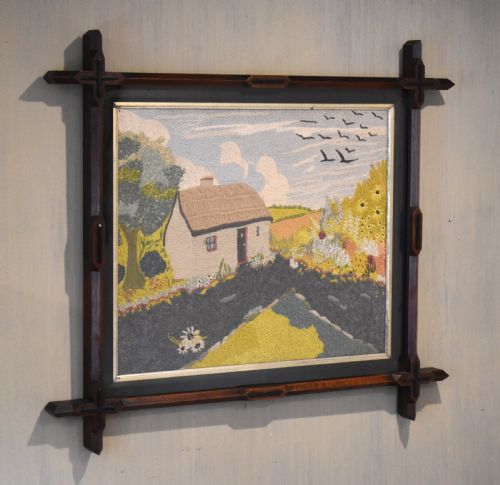
- A piece of decorative art created by hand using a needle to apply yarn or thread to a ground fabric. Victorian examples often depict animals, figures, or botanical scenes framed for wall display.
- Lakai
- A subgroup of Uzbek people known for distinctive tribal embroideries with geometric motifs and vibrant colour palettes. Their dowry pieces and wall hangings employ spirited designs distinct from urban workshop output.
- Flemish tapestry
- A woven wall hanging produced in the historical region of Flanders, renowned during the 16th century for complex narrative scenes. These heavy wool and silk textiles served both to decorate and insulate large stone interiors.
Tapestry Wall Decor: Frequently Asked Questions
How do I hang a heavy tapestry safely?
Most textile wall hangings require a weight distributing wooden baton or a concealed sleeve sewn along the top reverse edge. This prevents the fabric from stretching unevenly under its own mass.
For framed needlework or glazed pictures, standard picture hooks rated for the specific weight of the frame and glass combination provide secure wall mounting.
What is the difference between a tapestry and needlework?
A true tapestry is woven on a loom where the design is integrated directly into the textile structure during creation. Common examples include Flemish Renaissance panels and French wall hangings.
Needlework involves stitching thread onto a pre-existing woven ground fabric by hand, which describes Victorian pictures and many Central Asian tribal embroideries.
Can I display these pieces in direct sunlight?
Natural light causes fading in historical natural dyes, particularly silks and reds found in 19th century and older textiles. Positioning wall decor away from direct sunlight preserves the original colour palette.
If framing is required, museum grade UV filtering glass offers an additional layer of protection for light sensitive needlework and painted canvas.